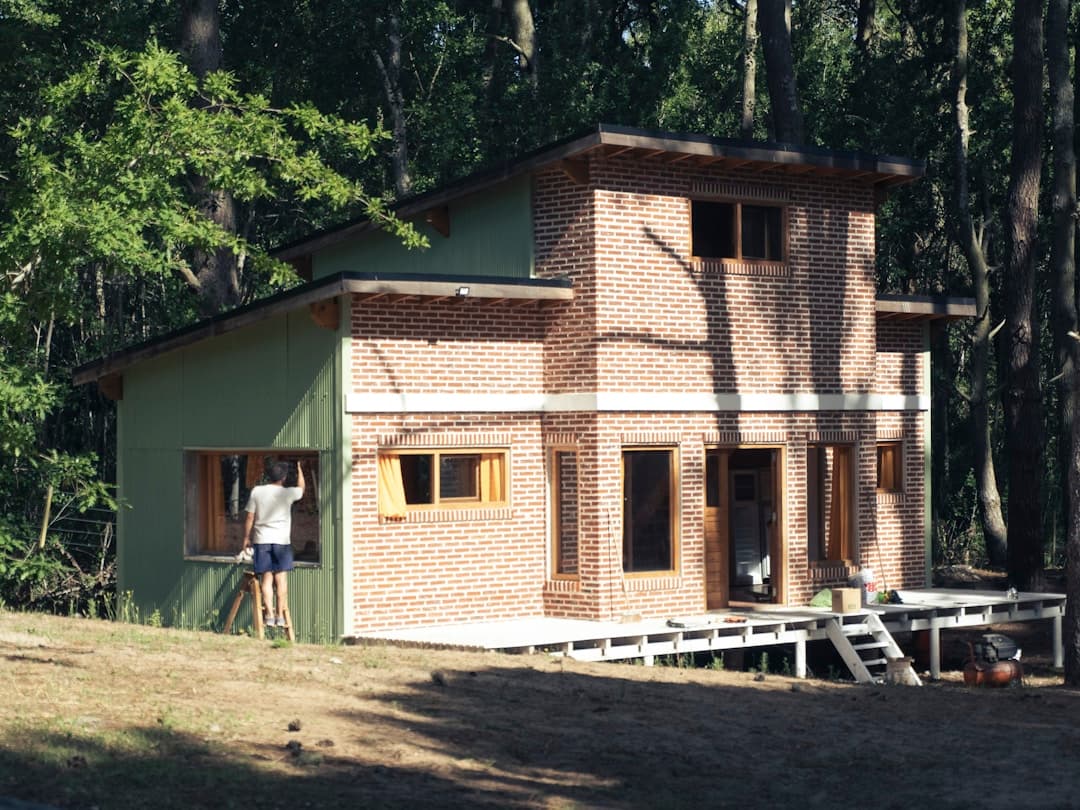
Prices and Quotes for Building Rehabilitation
It is difficult to estimate the cost of rehabilitating a building without a detailed analysis of each specific case. Each building to be rehabilitated starts from particular initial conditions that will influence the price.
Amounts are indicative and sourced from the original imported guide. The final budget depends on the scope, materials, and previous condition of the space.
Last reviewed
July 2026
Edited by: Luis Rodenas
Pricing method
Indicative ranges are compared by scope, measurements, materials, labour, permits, VAT and contingency.
Alicante context
Confirm access, community rules, salt-air exposure and municipal requirements before accepting a quote.
Service Levels and Pricing
Compare different options available based on your budget and rehabilitation needs.
Basic
Rehabilitation of structural elements and basic systems without aesthetic improvements. Ideal for buildings with localized damage requiring urgent intervention.
Standard
Comprehensive rehabilitation with functional improvements and mid-range finishes. The most requested option that combines structural safety, comfort, and moderate aesthetics.
Premium
High-quality rehabilitation with custom architectural design and premium materials. Designed for historic buildings or high-end projects with maximum aesthetic requirements.
Share your project details and get free contact with professionals who work on similar projects.
Building rehabilitation prices
See what homeowners usually pay for the most common tasks. Use these ranges to fine-tune your scope and avoid missing key items in your budget.
Building rehabilitation project
Partial building rehabilitation
450,000 €
Building accessibility reforms
25,000 €
Building facade rehabilitation
24,000 €
General installations reform
Steps followed in building restoration with Reformia
It is difficult to estimate the cost of rehabilitating a building without conducting a detailed analysis of each specific case. Each building to be rehabilitated starts from particular initial conditions that will influence the price.
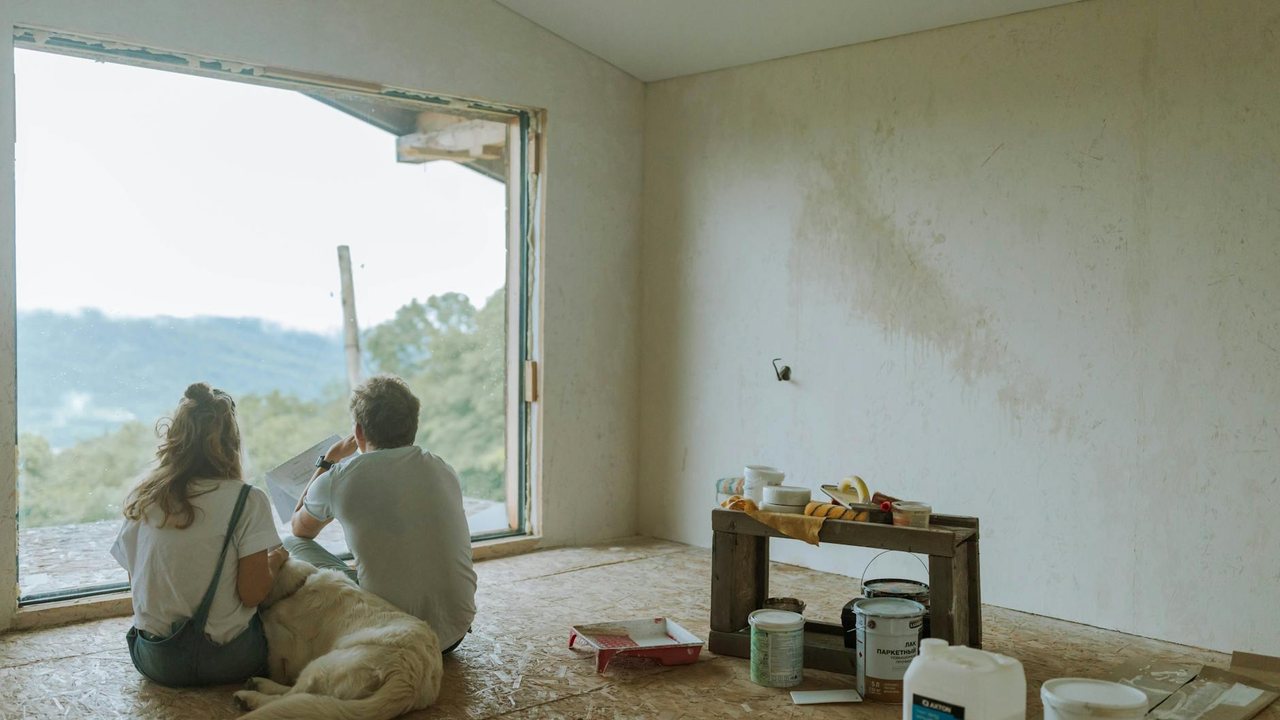
1. First, a historical investigation of the building must be carried out and architectural surveys made. This way, the current condition of the property is determined. It should not be forgotten that, if these are historic buildings, they have likely undergone modifications or changes throughout their life, so these must be taken into account before beginning rehabilitation work. Furthermore, this also serves to confirm the materials and techniques used during its construction, as well as the deterioration the building has suffered over the years.
The first step in any building rehabilitation budget is conducting a detailed study of the property, including its history and current condition. This initial analysis, which is part of a rehabilitation project (from 35,000 €), helps identify original materials, construction techniques, and accumulated damage—essential for historic buildings before planning larger investments.
2. Second, the damage to the building must be evaluated, correctly diagnosed, and a treatment method proposed. In this section, the level of damage will be classified and whether there are possibilities of eliminating it without altering the building too much. Likewise, it is during this process that materials and the construction system to be used begin to be determined.
An accurate damage assessment is crucial for establishing a realistic budget. This diagnosis determines whether partial rehabilitation (52,000 €) or comprehensive restoration is needed, identifying which systems require immediate intervention. Understanding damage severity helps prioritize investments and prevent unforeseen costs during project execution.
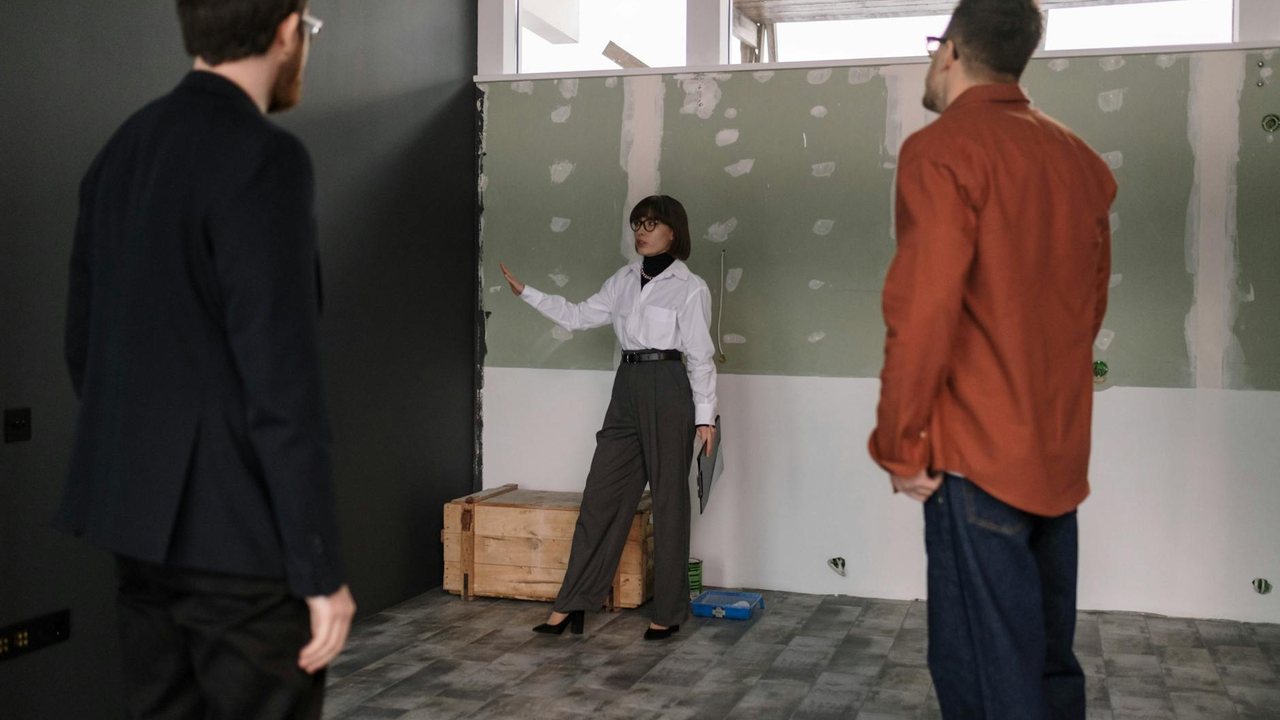
3. Next, a material selection plan must be prepared, taking into account economic conditions, technological conditions (such as necessary equipment and available tools), and the compatibility of materials with those already used in the building.
Material selection must balance economic conditions, technological availability, and compatibility with existing structures. Works such as reforming general systems (28,000 €) or the façade (65,000 €) require specific materials that directly influence the final budget. A well-defined plan ensures quality and prevents cost overruns.
It is difficult to estimate the cost of rehabilitating a building without conducting a detailed analysis of each specific case. Each building to be rehabilitated starts from particular initial conditions that will influence the price.
What is usually included in a quote
Each professional may structure quotes differently, but most project budgets follow this logic.
Typically included
Often not included
Steps followed in building restoration
It is difficult to estimate the cost of rehabilitating a building without conducting a detailed analysis of each specific case. Each building to be rehabilitated starts from particular initial conditions that will influence the price.
1. First, a historical investigation of the building must be carried out and architectural surveys made. This way, the current condition of the property is determined. It should not be forgotten that, if these are historic buildings, they have likely undergone modifications or changes throughout their life, so these must be taken into account before beginning rehabilitation work. Furthermore, this also serves to confirm the materials and techniques used during its construction, as well as the deterioration the building has suffered over the years.
The first step in any building rehabilitation budget is conducting a detailed study of the property, including its history and current condition. This initial analysis, which is part of a rehabilitation project (from 35,000 €), helps identify original materials, construction techniques, and accumulated damage—essential for historic buildings before planning larger investments.
2. Second, the damage to the building must be evaluated, correctly diagnosed, and a treatment method proposed. In this section, the level of damage will be classified and whether there are possibilities of eliminating it without altering the building too much. Likewise, it is during this process that materials and the construction system to be used begin to be determined.
An accurate damage assessment is crucial for establishing a realistic budget. This diagnosis determines whether partial rehabilitation (52,000 €) or comprehensive restoration is needed, identifying which systems require immediate intervention. Understanding damage severity helps prioritize investments and prevent unforeseen costs during project execution.
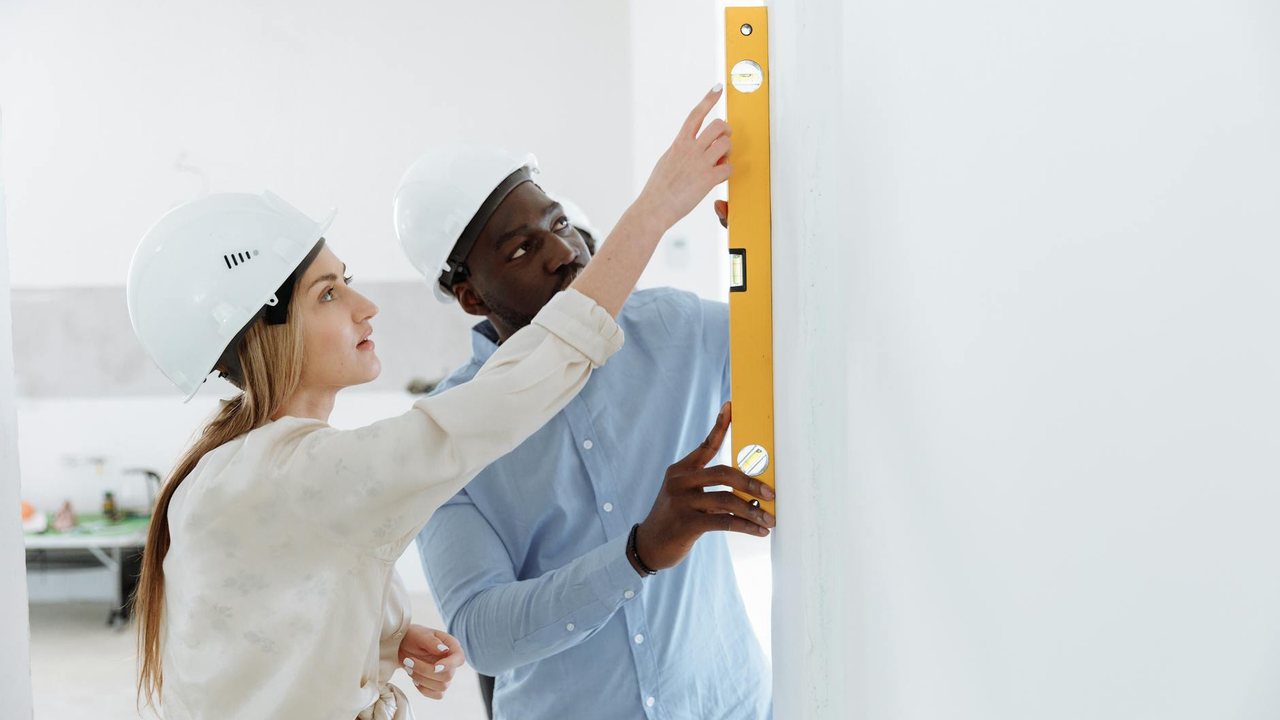
3. Next, a material selection plan must be prepared, taking into account economic conditions, technological conditions (such as necessary equipment and available tools), and the compatibility of materials with those already used in the building.
Material selection must balance economic conditions, technological availability, and compatibility with existing structures. Works such as reforming general systems (28,000 €) or the façade (65,000 €) require specific materials that directly influence the final budget. A well-defined plan ensures quality and prevents cost overruns.
4. Finally, before beginning the rehabilitation proper, the legal and juridical aspects necessary to proceed with the restoration must be resolved. At this point, it is important to take into account the time period available to carry out the work, as the start of work may be delayed until all paperwork related to legal aspects is resolved.
Before starting any rehabilitation, legal procedures and necessary permits must be resolved. This administrative process can delay project start, affecting the overall timeline and budget. For accessibility reforms (18,500 €) or complete projects, complying with local regulations and budgeting adequate management time is essential.
What can change your final price
Even similar projects can end with different budgets. These are the factors that most often push costs up or down.
Building structural condition
The presence of structural damage, moisture issues, cracks, or foundation problems significantly increases rehabilitation costs. A building with intact structure requires much less investment than one needing reinforcement or underpinning.
Age and existing systems
Older buildings typically require updates to electrical, plumbing, and heating systems, which increases the budget. The compatibility of old systems with current regulations also influences the final cost.
Scope of rehabilitation
A comprehensive rehabilitation is not the same as a partial one focused on facade or installations. The number of units or premises affected and the desired finish level directly determine the required investment.
Geographic location and accessibility
Prices vary depending on the region and ease of access for machinery and materials. Buildings in central areas or with difficult access entail additional logistics and permit costs.
Next step
Use "Prices and Quotes for Building Rehabilitation" to prepare a short brief before requesting quotes: current condition, must-have scope, optional upgrades, access constraints and timing. Then compare it with Building Rehabilitation price guides so each contractor proposal covers the same work.
Types of building restoration
It is difficult to estimate the cost of rehabilitating a building without conducting a detailed analysis of each specific case. Each building to be rehabilitated starts from particular initial conditions that will influence the price.
Residential restoration is used to improve some parts of the property that can no longer be used. For example, structural and constructive safety, energy efficiency, protection against different natural elements, improved accessibility, natural and artificial lighting, or restoration of the facade or common areas of the home.
Points to consider in building restoration
It is difficult to estimate the cost of rehabilitating a building without conducting a detailed analysis of each specific case. Each building to be rehabilitated starts from particular initial conditions that will influence the price.
The prices that can be found in this type of rehabilitation will depend on the type of work undertaken in each case. For example, in the case of wanting to smooth walls, the average price will be around 80 €/m². Another example can be found in the case of wanting to tile bathrooms for rehabilitation. In the case of taking a 4 m² bathroom as an example, the average cost will be around 830 € if you opt for porcelain stoneware, while if you choose a basic tile the cost can be reduced to 400 €. Likewise, if you opt for hydraulic tiles, the cost can rise to 2,500 € in some cases.
Likewise, if you want to install a ventilated facade in the house, the most common price will be around 165 €/m² of surface.
The facade. One of the main elements in building restoration is the facade or, in other words, the exterior parameter of a building, with distinction possible between main facade or others, such as for example the rear facade.
Insulation is one of the most common processes in building restoration. One of the most commonly used techniques today is insulation using an External Thermal Insulation Composite System, also known as ETICS. Waterproofing of roofs or facades is also part of the insulation processes.
Structure and space distribution. Sometimes a restructuring and redistribution of space is required to get the most out of properties during building restoration. Many clients request more adequate use of square meters and redistribution to give a new use or improve the current use of buildings. For example, many historic buildings are restructured internally to house offices or become commercial spaces.
A platform built equally for homeowners and professionals
Whether you're planning a renovation or looking for your next project, Reformia gives both sides the tools to connect, compare, and collaborate with confidence.
For individuals
For professionals



You may also like
Complete Guide to Renovation Permits in Spain
Everything you need to know about building permits for home renovations in Spain: when you need one, how to apply, costs, timelines, and consequences of unpermitted work.
Read article
IVA on Renovations: Tax Guide for Spanish Homeowners
Navigate the complexities of IVA (VAT) on home renovations in Spain. Learn when you qualify for the reduced 10% rate and how to avoid overpaying on your next project.
Read articleFrequently Asked Questions
How much does building rehabilitation cost in Spain?
Rehabilitation costs vary significantly depending on the building's initial condition and location, ranging between 400€ and 1,200€ per square meter. A basic rehabilitation of a 100 m² dwelling typically costs around 40,000-50,000€, while a comprehensive rehabilitation including new installations can exceed 120,000€. It's essential to request detailed quotes from several professionals to get a realistic estimate tailored to your specific situation.
How long does building rehabilitation take?
Duration depends on the scope of work: a light rehabilitation can be completed in 2-3 months, while comprehensive rehabilitation requires between 6 months and 1 year. Buildings with serious structural issues or those needing to meet new regulations may extend the timeline to 18 months. The process is also affected by administrative procedures and licensing approvals, which can add an additional 1-2 months.
What work is typically included in a rehabilitation budget?
A complete budget should include: structural repairs, waterproofing, electrical and plumbing installations, heating and air conditioning systems, interior finishes, painting and coatings. It should also cover demolition and debris removal work, as well as contingencies that typically account for 10-15% of the total budget. It's essential to break down each item to identify exactly what is and isn't covered.
How do I choose a qualified professional for rehabilitation?
Look for licensed architects or surveyors with specific experience in rehabilitating older buildings, verifying their references and previous projects similar to yours. Request at least 3 detailed quotes from different professionals and compare not just the price, but also the proposed materials and timeline. Make sure the professional is up to date with current regulations on accessibility, energy efficiency, and structural safety.
Do I need municipal permission to rehabilitate my building?
Yes, virtually all rehabilitation work requires municipal building permits, especially if it affects the structure, facade, or safety systems. Minor interior maintenance work may be exempt, but it's advisable to consult with the local authority before starting any project. Protected buildings or those located in historic centers may require additional heritage authority approval, which can add 2-4 weeks to the administrative process.
Got more questions? Contact us!
Got more questions? Contact us!
Frequently Asked Questions
How much does building rehabilitation cost in Spain?
Rehabilitation costs vary significantly depending on the building's initial condition and location, ranging between 400€ and 1,200€ per square meter. A basic rehabilitation of a 100 m² dwelling typically costs around 40,000-50,000€, while a comprehensive rehabilitation including new installations can exceed 120,000€. It's essential to request detailed quotes from several professionals to get a realistic estimate tailored to your specific situation.
How long does building rehabilitation take?
Duration depends on the scope of work: a light rehabilitation can be completed in 2-3 months, while comprehensive rehabilitation requires between 6 months and 1 year. Buildings with serious structural issues or those needing to meet new regulations may extend the timeline to 18 months. The process is also affected by administrative procedures and licensing approvals, which can add an additional 1-2 months.
What work is typically included in a rehabilitation budget?
A complete budget should include: structural repairs, waterproofing, electrical and plumbing installations, heating and air conditioning systems, interior finishes, painting and coatings. It should also cover demolition and debris removal work, as well as contingencies that typically account for 10-15% of the total budget. It's essential to break down each item to identify exactly what is and isn't covered.
How do I choose a qualified professional for rehabilitation?
Look for licensed architects or surveyors with specific experience in rehabilitating older buildings, verifying their references and previous projects similar to yours. Request at least 3 detailed quotes from different professionals and compare not just the price, but also the proposed materials and timeline. Make sure the professional is up to date with current regulations on accessibility, energy efficiency, and structural safety.
Do I need municipal permission to rehabilitate my building?
Yes, virtually all rehabilitation work requires municipal building permits, especially if it affects the structure, facade, or safety systems. Minor interior maintenance work may be exempt, but it's advisable to consult with the local authority before starting any project. Protected buildings or those located in historic centers may require additional heritage authority approval, which can add 2-4 weeks to the administrative process.