
Rehabilitate Building
Building rehabilitation is a comprehensive project that ranges from 8,000 € to 150,000 €, with an average price of 79,000 €. The cost depends on the building size, scope of work, and materials selected: a full rehabilitation of a small building can start from 850 €/m², while partial projects like façade work cost around 580 €. It's advisable to request quotes from multiple professionals to compare options and ensure quality matches your investment.
Last reviewed
July 2026
Pricing method
Indicative ranges are compared by scope, measurements, materials, labour, permits, VAT and contingency.
Alicante context
Confirm access, community rules, salt-air exposure and municipal requirements before accepting a quote.
Service Levels and Prices
Compare the different options available according to your budget and needs.
Basic
Rehabilitation limited to specific areas of the building with targeted repairs and modernization of specific elements. Ideal for buildings in good general condition that need localized updates.
Standard
Comprehensive rehabilitation of a complete building including structure, installations, and finishes. Covers most modernization needs in older buildings in a balanced manner.
Premium
High-quality complete rehabilitation with premium materials, sustainable technologies, and smart installations. Includes advanced energy efficiency solutions and luxury finishes.
Share your project details and get free contact with professionals who work on similar projects.
Building Rehabilitation Prices
See what homeowners usually pay for the most common tasks. Use these ranges to fine-tune your scope and avoid missing key items in your budget.
Full rehabilitation - Small residential building (up to 500 m²)
Full rehabilitation - Medium residential building (500-1,500 m²)
Full rehabilitation - Large residential building (over 1,500 m²)
Partial rehabilitation - Facade and roof only
Systems rehabilitation - Plumbing, electrical, and heating
Energy rehabilitation - Insulation and efficient windows
Steps to Rehabilitate a Building with Reformia
Complete rehabilitation of a building.
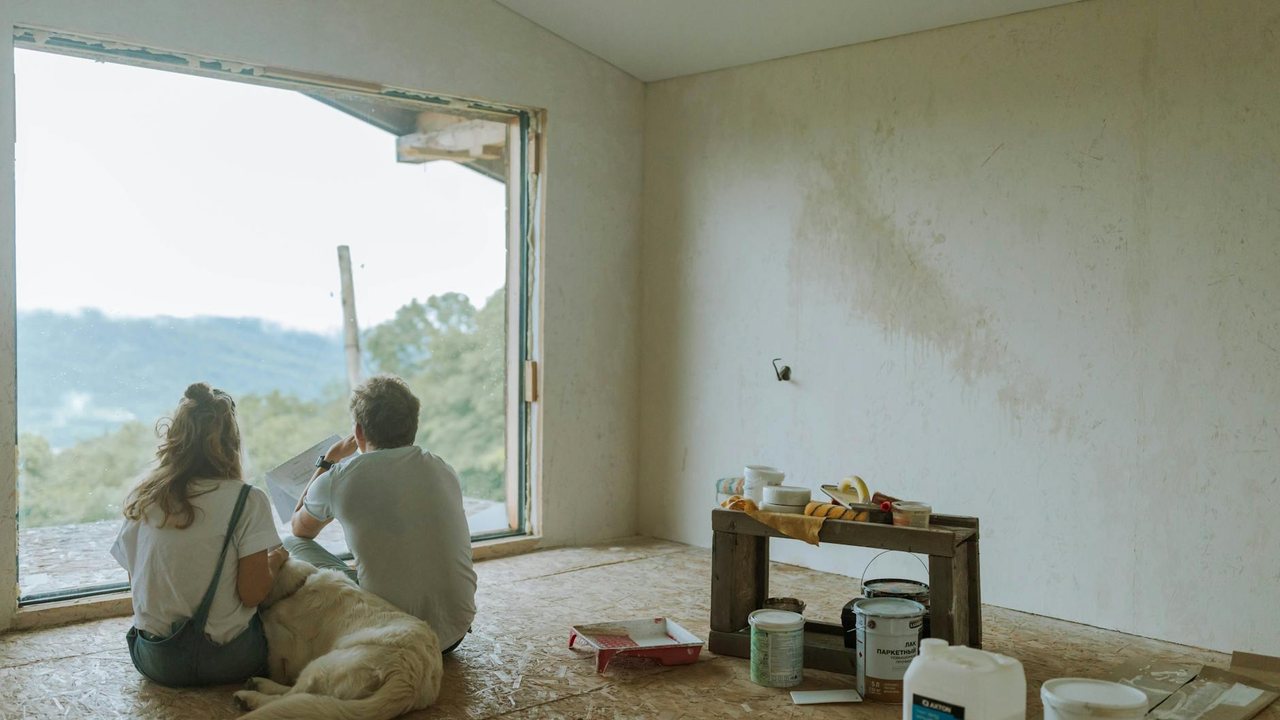
1. Assess the general condition of the property
Start with a thorough inspection of the building to identify structural damage, moisture issues, facade problems, and outdated systems. This initial assessment will determine the scope of the rehabilitation needed and help estimate your budget, which can range from 8,000 € to 150,000 € depending on the project scale.
2. Obtain municipal permits and licenses
Before starting any building rehabilitation work, you must obtain the necessary municipal permits. This procedure is mandatory and ensures your renovation complies with zoning and safety regulations. Contact your local town hall about required documentation and approval timelines.
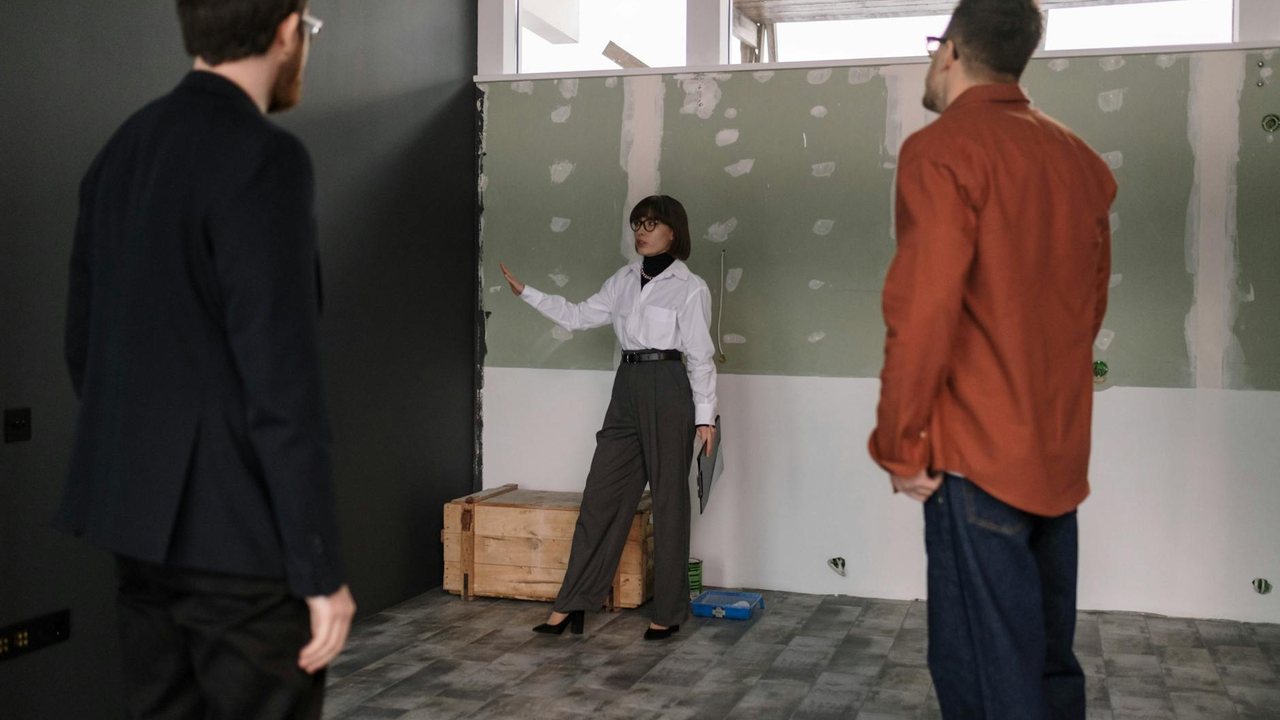
3. Conduct geotechnical and structural study
For comprehensive building rehabilitation projects, especially large residential buildings (over 1,500 m²), geotechnical and structural studies are essential. These assessments identify foundation and structural capacity issues, with costs starting from 380 € for basic evaluations. Investing in this upfront analysis prevents costly problems later.
Complete rehabilitation of a building.
What is usually included in a quote
Each professional may structure quotes differently, but most project budgets follow this logic.
Typically included
Often not included
Steps to Rehabilitate a Building
Complete rehabilitation of a building.
1. Assess the general condition of the property
Start with a thorough inspection of the building to identify structural damage, moisture issues, facade problems, and outdated systems. This initial assessment will determine the scope of the rehabilitation needed and help estimate your budget, which can range from 8,000 € to 150,000 € depending on the project scale.
2. Obtain municipal permits and licenses
Before starting any building rehabilitation work, you must obtain the necessary municipal permits. This procedure is mandatory and ensures your renovation complies with zoning and safety regulations. Contact your local town hall about required documentation and approval timelines.
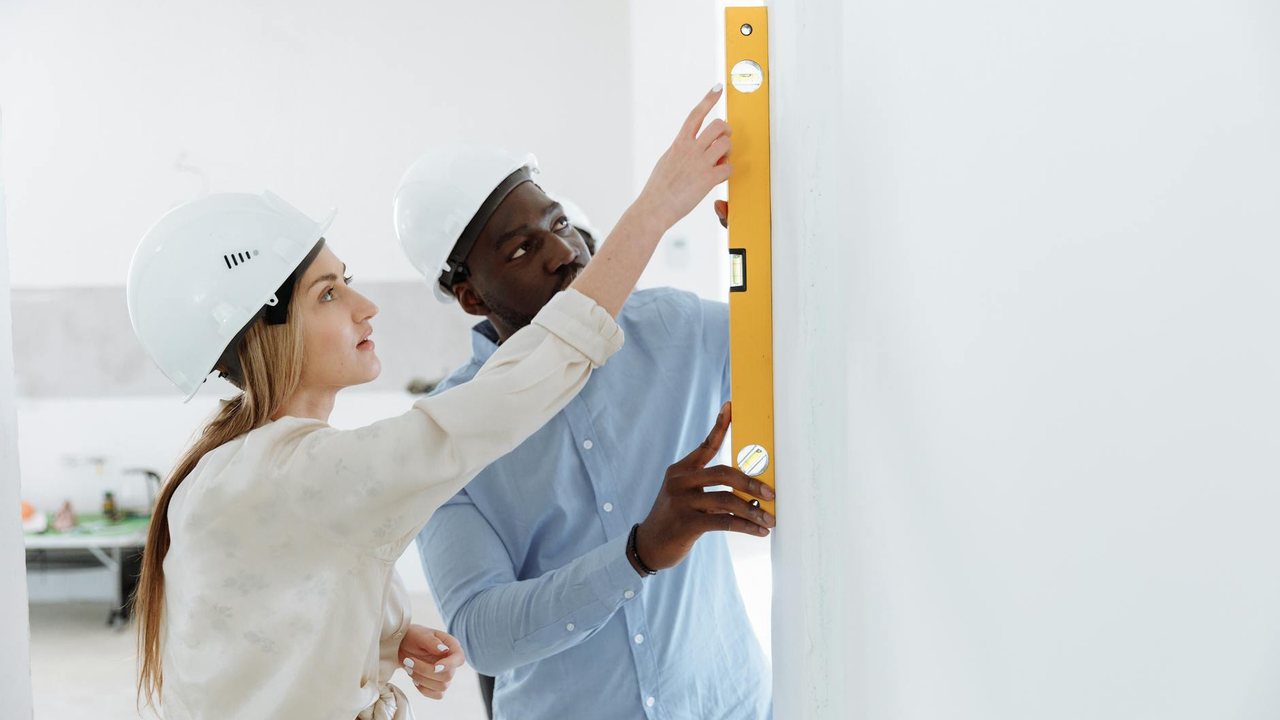
3. Conduct geotechnical and structural study
For comprehensive building rehabilitation projects, especially large residential buildings (over 1,500 m²), geotechnical and structural studies are essential. These assessments identify foundation and structural capacity issues, with costs starting from 380 € for basic evaluations. Investing in this upfront analysis prevents costly problems later.
4. Design a comprehensive rehabilitation project
An architect or engineer must develop a detailed project tailored to your specific building. For comprehensive rehabilitation of residential buildings between 500-1,500 m², the cost is approximately 720 € per m². The project will include plans, technical specifications, and construction timeline.
What can change your final price
Even similar projects can end with different budgets. These are the factors that most often push costs up or down.
Building size and scope
The total square footage of the property and the number of floors to be renovated are the primary budget drivers. A 500 m² building will have a vastly different cost than a 2,000 m² one.
Current structural condition and reinforcement needs
If the building requires structural reinforcement, foundation repairs, or wall consolidation, costs increase significantly. Construction defects detected during inspection directly impact the final budget.
Systems to upgrade (electrical, plumbing, HVAC)
Upgrading water, electrical, gas, and heating systems represents a substantial portion of the budget. Outdated or deteriorated installations require more investment than simple refurbishment.
Selected materials and finishing standards
The quality of cladding, finishes, paint, and final details varies considerably in price. A standard renovation project has different costs than one with premium materials or luxury finishes.
Next step
Use "Rehabilitate Building" to prepare a short brief before requesting quotes: current condition, must-have scope, optional upgrades, access constraints and timing. Then compare it with Building Rehabilitation price guides so each contractor proposal covers the same work.
General Information
Complete rehabilitation of a building.
Building rehabilitation is a comprehensive service that encompasses the restoration, modernization, and structural improvement of old or deteriorated properties. This type of renovation seeks to update installations, improve energy efficiency, solve moisture problems, and strengthen the building's structure, extending its lifespan and increasing its market value.
Building Rehabilitation Cost and Price Guide
Complete rehabilitation of a building.
In the Spanish market, building rehabilitation has become an increasingly pressing need, especially in urban centers where older buildings are predominant. Costs vary significantly depending on the building's current condition, the scope of work, the materials to be used, and the local regulations of each autonomous community.
A complete rehabilitation can include masonry work, updating electrical and plumbing installations, improving thermal insulation, repairing facades, changing windows, accessibility adaptations, and modernizing heating systems. It is essential to request detailed quotes from several professionals to compare options and ensure the work is carried out with the highest quality.
Building rehabilitation in Spain is a significant investment that varies considerably depending on the scope, age, and condition of the structure. Most comprehensive building rehabilitation projects range from €800 to €2,500 per square meter, though prices can exceed this range for historic properties or those requiring specialized restoration. The total cost of your project will depend on factors such as structural repairs needed, updated electrical and plumbing systems, insulation improvements, and aesthetic renovations. Understanding the typical price range for building rehabilitation helps property owners budget appropriately and plan their renovation timeline.
When budgeting for a building rehabilitation project, it's essential to obtain a detailed quote from a professional contractor who can assess the specific needs of your structure. The price for building rehabilitation services typically includes structural assessment, permits and compliance documentation, material costs, and labor expenses. Professional rehabilitation contractors in Spain will provide itemized quotes that break down costs by category, allowing you to understand where your investment is being allocated. Comparing quotes from multiple professionals ensures you receive competitive pricing while maintaining quality standards.
Several factors influence the final price of your building rehabilitation project, including the building's current condition, local labor costs, material selection, and the complexity of required repairs. Historic or protected buildings may have higher rehabilitation costs due to regulatory requirements and specialized techniques. It's wise to budget an additional 10-15% contingency for unexpected issues discovered during the rehabilitation process. Working with experienced professionals who can provide accurate cost estimates upfront helps prevent budget overruns and ensures your building rehabilitation project stays on track financially.
A platform built equally for homeowners and professionals
Whether you're planning a renovation or looking for your next project, Reformia gives both sides the tools to connect, compare, and collaborate with confidence.
For individuals
For professionals


You may also like
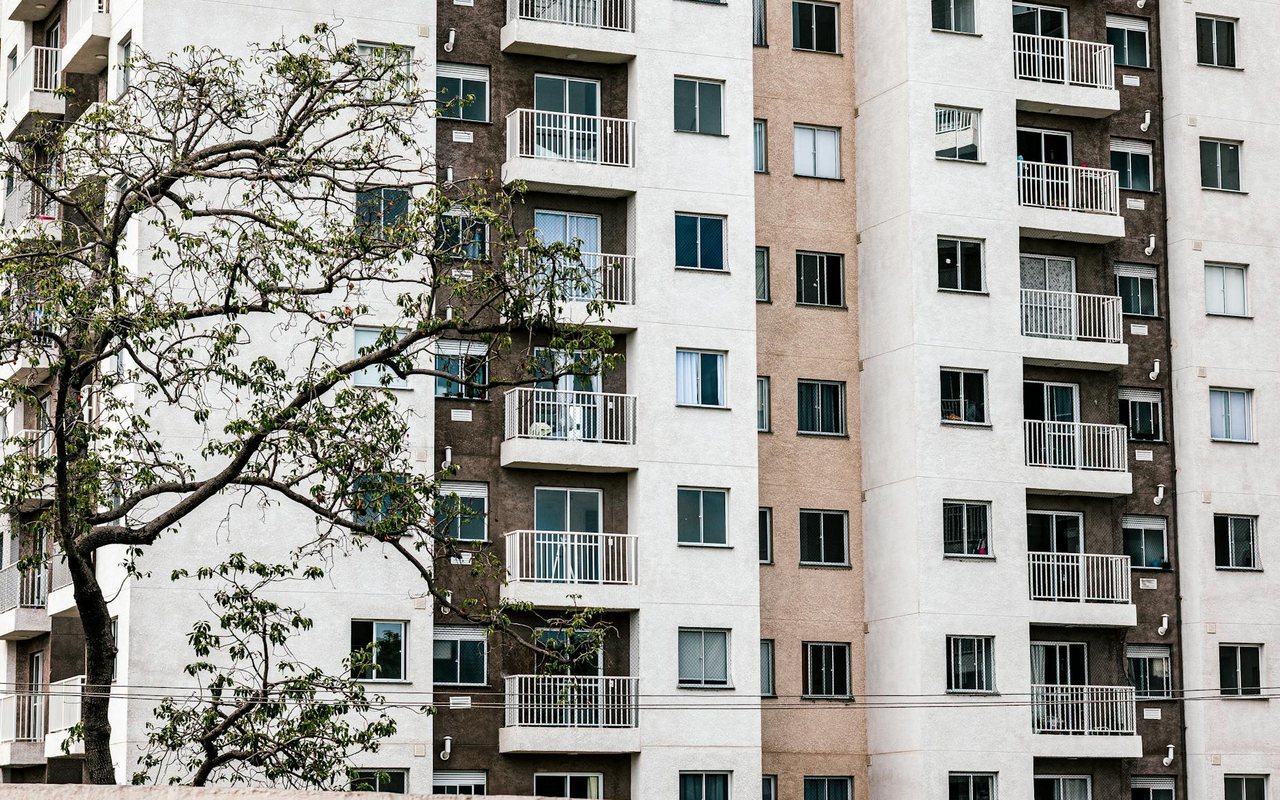
Collective renovation for apartment communities: how to unlock a whole-building retrofit
A practical guide for apartment communities that want to move from isolated repairs to a coordinated whole-building renovation with better timing, financing and outcomes.
Read article
Deep home renovation in Spain: what counts and when it pays off
What counts as deep renovation, when it makes sense to bundle insulation, windows, HVAC and accessibility work, and how to avoid an underpowered retrofit.
Read articleFrequently Asked Questions
How long does it take to completely rehabilitate a building?
The duration depends on the size of the building and the complexity of the work. A basic rehabilitation can take between 3 and 8 weeks, a standard one between 8 and 16 weeks, and a premium one between 16 and 28 weeks. Larger buildings or those with serious structural problems may require more time. It is recommended that the contractor provide a detailed schedule with clearly defined milestones.
Do I need municipal license to rehabilitate a building?
Yes, in most cases you will need a municipal building permit, especially if the renovations affect the structure or elements visible from the exterior. Minor maintenance work may be exempt in some municipalities. We recommend consulting with your local town hall to know exactly what procedures are necessary. The contractor normally handles requesting these permits, but verify that it is included in the quote.
What is the difference between rehabilitation and renovation?
Rehabilitation involves restoring a building to its original or improved state, addressing structural problems and updating aging installations. Renovation is a more superficial modification of interior spaces without necessarily touching the structure. A rehabilitation is more comprehensive and generally more expensive, being the appropriate option when the building has significant deterioration problems or obsolete installations.
Are there grants or subsidies available for building rehabilitation?
Yes, there are multiple aid programs depending on your autonomous community. The Building Rehabilitation and Urban Regeneration Program offers subsidies to improve energy efficiency, structural safety, and accessibility. You can also request tax deductions in your tax return in some cases. Check with your autonomous community and the National Institute of Statistics to learn about current calls and specific requirements.
How can I save money on building rehabilitation?
You can reduce costs by prioritizing work based on necessity (not doing everything at once), choosing good quality but not the most premium materials, requesting multiple quotes to negotiate, and taking advantage of available subsidies. It is also advisable to do work during low seasons (winter) when companies can offer better prices. Avoid changes during the execution of the work, as they generate additional costs. Finally, good initial planning prevents costly problems later.
Got more questions? Contact us!
Got more questions? Contact us!
Frequently Asked Questions
How long does it take to completely rehabilitate a building?
The duration depends on the size of the building and the complexity of the work. A basic rehabilitation can take between 3 and 8 weeks, a standard one between 8 and 16 weeks, and a premium one between 16 and 28 weeks. Larger buildings or those with serious structural problems may require more time. It is recommended that the contractor provide a detailed schedule with clearly defined milestones.
Do I need municipal license to rehabilitate a building?
Yes, in most cases you will need a municipal building permit, especially if the renovations affect the structure or elements visible from the exterior. Minor maintenance work may be exempt in some municipalities. We recommend consulting with your local town hall to know exactly what procedures are necessary. The contractor normally handles requesting these permits, but verify that it is included in the quote.
What is the difference between rehabilitation and renovation?
Rehabilitation involves restoring a building to its original or improved state, addressing structural problems and updating aging installations. Renovation is a more superficial modification of interior spaces without necessarily touching the structure. A rehabilitation is more comprehensive and generally more expensive, being the appropriate option when the building has significant deterioration problems or obsolete installations.
Are there grants or subsidies available for building rehabilitation?
Yes, there are multiple aid programs depending on your autonomous community. The Building Rehabilitation and Urban Regeneration Program offers subsidies to improve energy efficiency, structural safety, and accessibility. You can also request tax deductions in your tax return in some cases. Check with your autonomous community and the National Institute of Statistics to learn about current calls and specific requirements.
How can I save money on building rehabilitation?
You can reduce costs by prioritizing work based on necessity (not doing everything at once), choosing good quality but not the most premium materials, requesting multiple quotes to negotiate, and taking advantage of available subsidies. It is also advisable to do work during low seasons (winter) when companies can offer better prices. Avoid changes during the execution of the work, as they generate additional costs. Finally, good initial planning prevents costly problems later.