Deep home renovation in Spain: what counts and when it pays off

What is deep renovation and why is it growing in Spain?
Deep renovation is a coordinated intervention that simultaneously addresses the building envelope, heating and cooling systems, accessibility and renewable energy. It is not about changing only windows or the boiler in isolation, but rather conducting a full diagnostic and applying solutions that work together. According to official data released by La Moncloa in January 2026, deep-renovation licences in Spain grew by 12.9% in recent years, reaching a budget of 2.268 billion euros in work-direction certificates—a reflection of a real shift in residential construction practice.
This change stems from energy and economic reality. Spain has seen residential rehabilitation turnover reach 32,941.49 million euros in 2023, the highest figure in the historical record. Between 2020 and 2023, an average of 540,000 renovation works were carried out annually, contributing to a 10% reduction in residential energy consumption. Heading into 2026 and beyond, the 2026–2030 State Housing Plan allocates more than 2 billion euros to rehabilitation, targeting energy-consumption cuts above EU objectives. The trend is unmistakable: coordinated deep renovation will become the standard, not the exception.
Isolated works versus coordinated renovation: where the difference lies
A typical piecemeal renovation includes replacing windows (€2,000–€4,000 for an average home), upgrading the boiler (€1,500–€3,000) or insulating one wall when winter arrives. The problem is that these isolated works do not create a coherent system. New windows without wall insulation leave significant thermal bridges. An efficient boiler in a house losing heat through ceilings and walls cannot reach its savings potential. Additionally, each work causes separate disruption, interruptions to daily life and repeated logistics costs.
By contrast, coordinated deep renovation unifies envelope work (façade, ceilings, floor), heating and cooling systems, interior accessibility improvements and renewable energy (solar panels, heat pumps) in a single project. The benefits are substantial: proven reduction in energy consumption (averaging 10% according to 2020–2023 data), superior thermal and acoustic comfort, improved indoor air quality, easier movement throughout the home, and higher market value. Total cost (typically €800–€1,500 per m² for a complete project) is larger in absolute terms, but is spread across lasting benefits and often qualifies for public grants and tax reliefs.
When deep renovation makes financial and practical sense
Deep renovation is especially worthwhile in these scenarios: homes built before 1990 (with weak thermal envelopes), properties where you already need to replace the boiler or windows, homes with condensation or mold problems, and situations where you plan to stay 15+ years. If your home meets several of these conditions, monthly energy savings (typically 25–40% of baseline consumption) pay back in 10–15 years, then become pure gain. Market value also matters: a house with a high energy-efficiency certificate and documented works attracts premium buyers, especially in urban markets where sustainability adds value.
Conversely, if your home was built after 2006, the envelope is already reasonable, you have no comfort issues and plan to stay only 5–7 years, targeted improvements may be wiser. But even then, if you need HVAC or electrical upgrades, coordinating them with exterior insulation or envelope improvements amplifies benefits without disproportionate costs. The key is a professional diagnosis (energy audit): before committing to a large budget, understand where energy is lost and what the real impact of each investment will be.
Budget and phasing: how to plan without losing performance
A deep renovation project can be structured in phases, but requires careful planning. Phase 1 (months 1–4): exterior envelope (façade insulation, window replacement, roofing if needed). Phase 2 (months 5–8): heating, cooling and hot-water systems (boilers, heat pumps, piping). Phase 3 (months 9–12): interior finishes, accessibility (ramps, lifts, adapted bathrooms) and renewables (solar panels, storage systems). This sequence respects building logic: the exterior first 'closes' the house, then internal systems operate efficiently, and finally advanced features are added.
Typical budget varies by region and finishes: €600–€900 per m² in moderate-cost areas, €1,000–€1,500 in major cities. For a 100 m² home, expect €60,000–€150,000. Allocate as follows: 35–40% envelope, 30–35% HVAC and water, 15–20% renewables and accessibility, 10–15% management and contingencies. Seek funding: the 2026–2030 State Housing Plan allocates resources to rehabilitation, though exact subsidy figures are not yet publicly available. Consult your municipality, regional government and site manager; many regions offer tax deductions or partial grants. A professional energy audit costs €400–€800 but is necessary investment: it shows where to spend and how to maximize return.
Regulatory framework and upcoming changes in 2026
In 2026, Spain is emphasizing deep renovation even more as a national priority. The National Building Renovation Plan sets energy-reduction targets above EU commitments. This means local and regional authorities are strengthening requirements and facilitating financial support for comprehensive projects. If your home is in a managed community, coordinated deep renovation is increasingly incentivized, with some regional governments allowing reduced majorities (60–66%) in assemblies to approve energy-efficiency works, versus the traditional two-thirds majority.
Administratively, you will need: technical design and site management (engineer or architect), municipal major-work permit (typically 2–3 weeks for approval), prior notification if affecting protected zones, and energy-efficiency certificate before and after (LEED or equivalent certificate is optional but valued). Technical Building Inspection (ITE) may also be required depending on home age and region. While the government is streamlining procedures, it is essential to work with professionals familiar with local regulations, as each autonomous community has particular rules. Budget administrative time: 2–4 months before work begins.
Real challenges and how to avoid common mistakes
The biggest risk in deep renovation is starting without a clear diagnosis. Some owners choose works based on intuition ("the windows are noisy, I'll replace them") without knowing the real problem is wall moisture or poor ventilation. Result: high spending and mediocre improvement. Solution: demand a prior energy audit, a report identifying thermal bridges, air leaks and ventilation losses. It costs €400–€800 but avoids thousands in errors.
Another challenge is lack of coordination between trades. If the envelope is insulated but electrics are not reorganized for new heat-pump circuits, or plumbing is not upgraded for efficient radiators, you lose performance. Use a site manager experienced in deep renovation, not just a foreman. Finally, many owners underestimate disruption: works can last 6–12 months in occupied homes, with dust, noise and constant access needs. Plan temporary accommodation or schedules compatible with remote work. And always: sign clear contracts with timeline, itemized budget, material warranties and defined responsibilities. Never rely on verbal agreements.
Checklist: essential steps before starting your deep renovation
Follow these six steps to be prepared and avoid surprises during the project.
- 1Conduct a professional energy auditFull energy diagnostic
Hire a certified auditor to evaluate thermal losses, air leaks, heating/cooling and hot-water consumption. The report must include prioritized recommendations and savings estimates for each intervention.
- 2Define project scope with professional inputCoordinated technical design
Do not decide alone what to change. Work with an architect or engineer to create a technical design that coordinates envelope, HVAC, water, electricity and renewables. Ensure all trades understand how their work integrates.
- 3Secure municipal permits and approvalsAdministrative clearances
Submit your design to the municipality well in advance (2–4 months). Verify your region's specific requirements: some demand LEED certification, others require community approval if it is a collective building. Do not start work without a permit.
- 4Budget in detail, including contingenciesDetailed budget
Itemize each cost: envelope, systems, renewables, finishes, professional fees. Add 10–15% for contingencies (unexpected moisture, unforeseen structural work). Compare quotes from at least 3 contractors with verified references.
- 5Plan realistic phases and timelinesExecution schedule
Structure works in logical phases (envelope → systems → finishes) with realistic duration: 6–12 months for an occupied home. Communicate to those around you the expected impact (noise, dust, access) and organize daily life accordingly.
- 6Research grants, tax credits and financing optionsFunding and grants
Check with your municipality and regional government for rehabilitation grants. Some banks offer 'green' loans with special rates. Some projects qualify for tax deductions. Do not leave money on the table: spend time identifying public and private support.
Frequently asked questions about deep renovation
What is the average cost of deep renovation in Spain in 2026?
How long does a typical deep renovation take?
Can I phase deep renovation without losing energy gains?
What public grants are available for deep renovation in 2026?
What is the return on investment (ROI) for deep renovation?
Related guides and reading
To turn this article into a renovation plan, start with Prices for Installing Air Source Heat Pumps per m² in 2025 and compare it with What Is the Price of an Energy Certificate and How to Request It and How Much Does It Cost to Insulate a House?. These internal guides help separate budget, permits, technical checks and optional upgrades before you speak with contractors.
For wider context, continue with Heat pumps in Alicante: when they pay off in flats and villas. Reading related articles together makes the Reformia journal work as a planning path rather than isolated posts.
You may also like
Show All Articles
Energy-saving auctions and building renovation: MITECO's September 2026 proposal
MITECO has opened a proposed reform of Spain's energy-saving certificate system, including savings auctions. What communities and firms can prepare without treating it as approved funding.
Subscribe to our newsletter
And get a weekly digest of projects, bidding tips, and key platform updates straight to your inbox.

Energy audit for an Alicante apartment community: how to prioritise renovation
Before voting on windows, facade or heat pumps, turn bills, building condition and savings scenarios into a roadmap the community can compare.
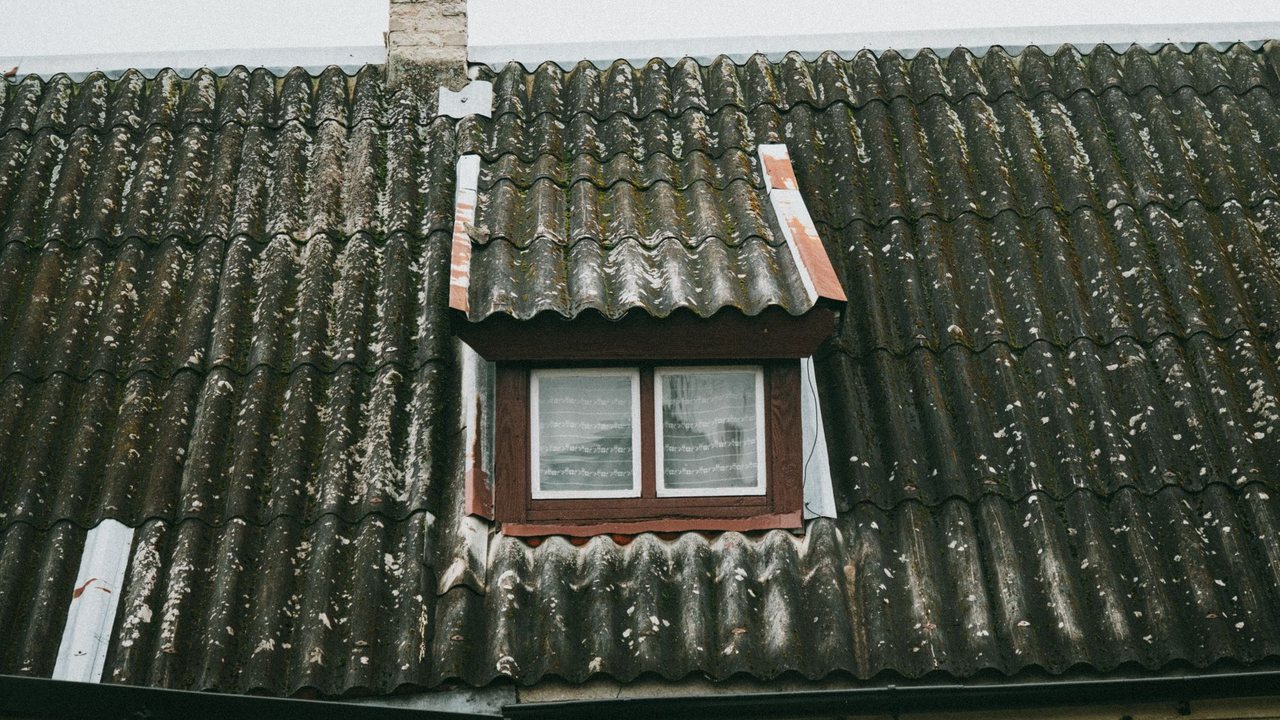
Asbestos cement in Alicante: planning safe removal in 2026
Spain's 2026-2030 Housing Plan includes removal of asbestos-containing products among eligible works, but delivery requires identification, a registered contractor, waste control and coordinated reinstatement.
AI for renovation manuals and warranties: preparing a searchable handover
Organise renovation manuals and warranties with AI: link equipment to its documents, preserve versions and require answers with verifiable references.
Thermal imaging in a Costa Blanca home: studying damp and insulation before renovation
A thermal camera provides temperature patterns, not an automatic diagnosis. Learn when to use it, the conditions it needs and how to turn findings into measurable renovation work.
Energy-saving auctions and building renovation: MITECO's September 2026 proposal
MITECO has opened a proposed reform of Spain's energy-saving certificate system, including savings auctions. What communities and firms can prepare without treating it as approved funding.
Energy audit for an Alicante apartment community: how to prioritise renovation
Before voting on windows, facade or heat pumps, turn bills, building condition and savings scenarios into a roadmap the community can compare.
Asbestos cement in Alicante: planning safe removal in 2026
Spain's 2026-2030 Housing Plan includes removal of asbestos-containing products among eligible works, but delivery requires identification, a registered contractor, waste control and coordinated reinstatement.
Subscribe to our newsletter
And get a weekly digest of projects, bidding tips, and key platform updates straight to your inbox.
AI for renovation manuals and warranties: preparing a searchable handover
Organise renovation manuals and warranties with AI: link equipment to its documents, preserve versions and require answers with verifiable references.
Thermal imaging in a Costa Blanca home: studying damp and insulation before renovation
A thermal camera provides temperature patterns, not an automatic diagnosis. Learn when to use it, the conditions it needs and how to turn findings into measurable renovation work.
Energy-saving auctions and building renovation: MITECO's September 2026 proposal
MITECO has opened a proposed reform of Spain's energy-saving certificate system, including savings auctions. What communities and firms can prepare without treating it as approved funding.
Energy audit for an Alicante apartment community: how to prioritise renovation
Before voting on windows, facade or heat pumps, turn bills, building condition and savings scenarios into a roadmap the community can compare.
Subscribe to our newsletter
And get a weekly digest of projects, bidding tips, and key platform updates straight to your inbox.
Asbestos cement in Alicante: planning safe removal in 2026
Spain's 2026-2030 Housing Plan includes removal of asbestos-containing products among eligible works, but delivery requires identification, a registered contractor, waste control and coordinated reinstatement.
AI for renovation manuals and warranties: preparing a searchable handover
Organise renovation manuals and warranties with AI: link equipment to its documents, preserve versions and require answers with verifiable references.
Thermal imaging in a Costa Blanca home: studying damp and insulation before renovation
A thermal camera provides temperature patterns, not an automatic diagnosis. Learn when to use it, the conditions it needs and how to turn findings into measurable renovation work.