Heat pumps in older homes: When to prioritize insulation or the aerothermal system first
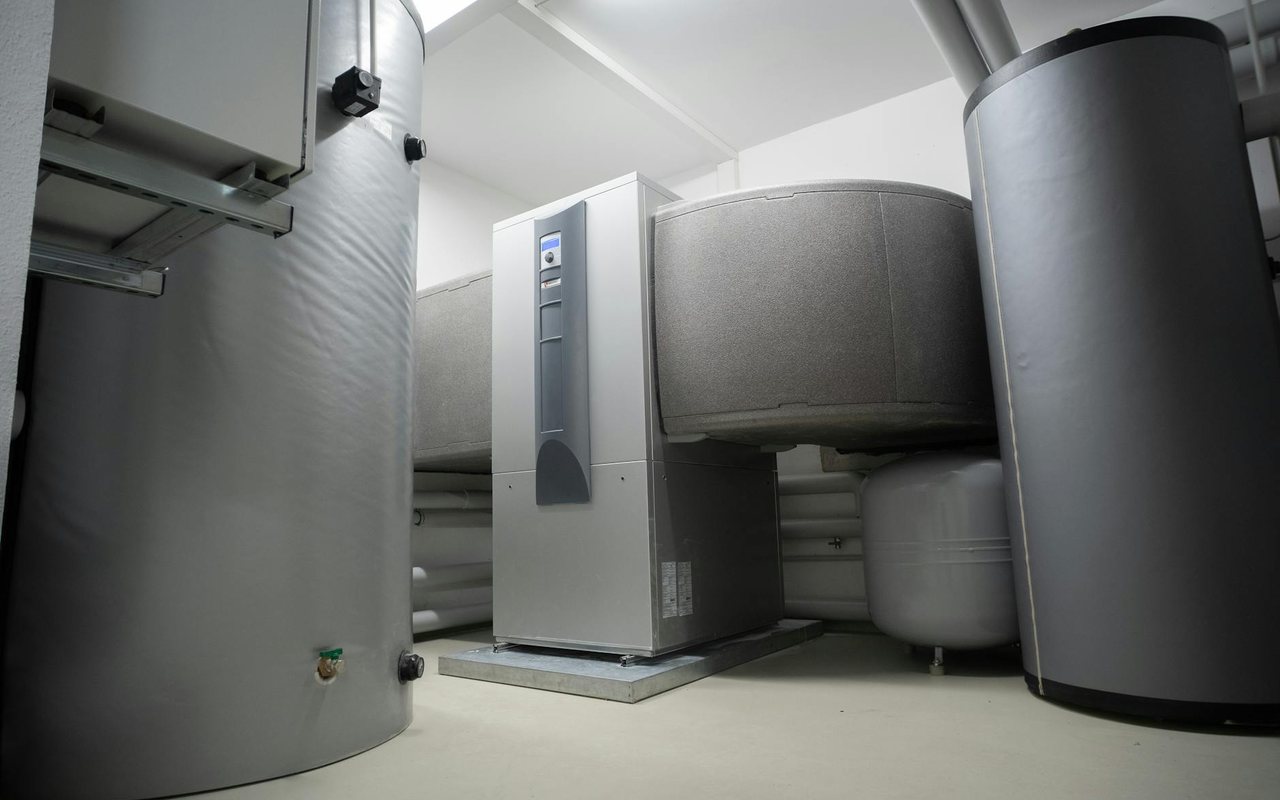
Heat pumps: the technology Europe demands, but your older home may not be ready
The air-source heat pump (aerothermal system) is today's most efficient and sustainable heating solution available in Spain. It extracts heat from outdoor air even in winter and transfers it indoors, cutting energy consumption by 60–70% compared to traditional heating. European authorities promote it as a cornerstone of decarbonization, and public incentives are growing.
Here's the catch: a heat pump only performs well if the home is well-insulated and the heat distribution system (radiators or underfloor heating) is designed to work at lower temperatures than traditional boilers require. In apartments and homes built before 2010—especially those from the 1970s–90s—thermal insulation is poor, radiators are oversized for gas boilers, and electrical capacity often won't support a powerful heat pump. Investing only in the pump without fixing these issues wastes money: the system works under strain, consumes far more electricity than expected, and your power bill won't drop as much as you hope.
Envelope or system first: where to start?
Most Spanish retrofit experts recommend improving insulation (envelope) before installing a heat pump. It's the most cost-efficient path: if your home loses heat through windows, walls, or roof, no pump will overcome that loss. Envelope upgrades include replacing windows with double or triple glazing, adding facade insulation (internal or external), improving roof insulation, and sealing air leaks and thermal bridges.
That said, some owners can't afford a complete envelope retrofit upfront. In those cases, it's more cost-effective to start with modest envelope improvements (windows, seals) plus a properly sized heat pump for your current home. As you complete future renovations, the system will need less capacity and lower consumption. The key is avoiding oversizing a 10 kW heat pump in a poorly insulated home: you'll end up with an electricity bill that doesn't justify the investment.
Radiators, underfloor heating, and the question everyone dreads: do I have to replace my radiators?
Air-source heat pumps work optimally at supply temperatures of 35–45 °C. Older radiators—especially pre-2000 models—were designed for boilers reaching 70–80 °C, so they need much hotter water to heat a home efficiently. To make your pump perform well (and keep power bills reasonable), you have three options: (1) replace radiators with low-temperature models designed for 40–50 °C; (2) install underfloor heating in renovated areas or throughout; (3) upsize existing radiators to work better at lower temps, which usually means rewiring and often isn't feasible in apartments.
The most practical option for apartments is swapping radiators for large, energy-efficient low-temperature models (aluminum multi-fin type) and keeping a zoned system. The cost is €500–1,500 per radiator installed (size and complexity matter), but payback comes in 5–7 years of energy savings. Underfloor heating is more comfortable and efficient, but requires lifting floors, which is disruptive and expensive (€8,000–15,000 for 60–80 m²). Many families choose it when renovating kitchens or bathrooms anyway.
Noise, outdoor unit placement, and homeowner associations: what you must know before installing
Every air-source heat pump requires an outdoor unit (condenser) installed on a facade, terrace, roof, or balcony. This unit emits noise (typically 40–50 dB, like a loud fridge). Spanish local regulations vary, but many municipalities require it not to exceed 55 dB daytime and 45 dB nighttime at a neighbor's property line. In homeowner associations, you must obtain prior agreement at a meeting (or at least formal notification) before installation. Some bylaws prohibit visible outdoor units; others mandate placement in common areas under association supervision.
Practical tip: consult your board first and request a noise report from the manufacturer (many modern pumps are 42–45 dB). Choose models with inverter compressors (quieter) and avoid placing units near neighbors' bedrooms. On shared balconies or community rooftops, associations may charge a fee for common-area use. In single-family homes you have more freedom, but respect minimum distance from property lines (typically 0.5–1 m per region). If a neighbor complains, the municipality may order removal, so good neighborly relations are an investment.
Steps to assess whether your home is ready for a heat pump
Before spending money, do this realistic home assessment. Each point improves final efficiency and prevents surprises.
- 1Basic energy auditBudget: €300–600 (often partially subsidized)
Hire a technician to evaluate envelope condition, current systems, and actual consumption. Many Spanish regions offer subsidized or low-cost audits. They'll tell you if you need new windows, facade insulation, or whether your electrical panel supports a 5, 7, or 10 kW heat pump.
- 2Check your electricity supply contractImpact: +€10–20/month in baseline rate, recoverable through savings
A heat pump uses 4–8 kW running. If you currently have 3.45 kW contracted (common in apartments), you'll need to increase to 5.75 or 7.35 kW. This raises your base bill by €10–20/month, but if you improve insulation, total consumption drops more than the rate increase.
- 3Assess window and frame conditionCost: €600–1,200 per large window; typically 6–8 per apartment
Single-pane windows or leaky frames are any retrofit's weak point. Upgrading to double glazing cuts heat loss by 40–50%. It's often the first step before a heat pump, as payback is immediate even without changing heating.
- 4Consult your homeowner association (if applicable)Timeline: 2–4 weeks; no cost beyond meeting time
Present the project at a meeting with budget, outdoor unit placement plan, and noise report. Many associations approve routinely. If opposed, negotiate unit location, maintenance schedules, or contribution to common-area costs.
- 5Assess radiators or consider underfloor heatingCost: €500–1,500 per radiator, or €8,000–15,000 for underfloor (60–80 m²)
Measure current radiators and have an installer calculate whether they heat adequately at 45 °C (typical heat pump temperature). If not, quote radiator replacement or, if you're renovating floors, integrate underfloor heating. It's largely an economic and comfort choice.
- 6Get quotes from certified installersAverage cost: €6,000–12,000 for pump + radiator; €10,000–18,000 if windows included
Request at least 3 quotes. A reputable installer will do a prior audit, not quote 'by eye.' Include warranty (minimum 5 years on equipment, 2–3 years on labor). Ask about local service and weekend availability.
Frequently asked: costs, noise, renovations, and regulations
What's the realistic cost of installing an air-source heat pump in an older apartment?
How loud is the outdoor unit? Can I install it on my balcony without issues?
If my house is poorly insulated, will the heat pump still be cost-effective?
Can I install the heat pump myself, or do I need a certified installer?
How long does installation take and how disruptive is it?
Do I need facade work to install the heat pump?
What's the real electricity bill saving vs. gas?
Related guides and reading
To turn this article into a renovation plan, start with Prices for Installing Air Source Heat Pumps per m² in 2025 and compare it with What Is the Price of an Energy Certificate and How to Request It and How Much Does It Cost to Insulate a House?. These internal guides help separate budget, permits, technical checks and optional upgrades before you speak with contractors.
For wider context, continue with Heat pumps in Alicante: when they pay off in flats and villas. Reading related articles together makes the Reformia journal work as a planning path rather than isolated posts.
You may also like
Show All Articles
State Housing Plan 2026-2030: renovation grants up to 20,500 euros
The new state plan prioritises renovation, accessibility and efficiency. Preparing the file will matter as much as asking for quotes.
Subscribe to our newsletter
And get a weekly digest of projects, bidding tips, and key platform updates straight to your inbox.
Cocentaina 2026 grants: facades and enclosures as the first renovation
The local facade grant shows a useful trend: starting with the exterior can organise damp, value and community decisions.

Energy audit for an Alicante apartment community: how to prioritise renovation
Before voting on windows, facade or heat pumps, turn bills, building condition and savings scenarios into a roadmap the community can compare.
Alicante Plan Vive: 2,961 homes and renovating for affordable rental
New protected housing in Alicante changes the comparison for private owners: efficiency, maintenance and clear rental positioning matter more.
Calp near 4,900 euros/m2: premium renovation without losing return
Coastal prices raise expectations: a premium renovation must justify quietness, efficiency, views, outdoor areas and maintenance.
State Housing Plan 2026-2030: renovation grants up to 20,500 euros
The new state plan prioritises renovation, accessibility and efficiency. Preparing the file will matter as much as asking for quotes.
Cocentaina 2026 grants: facades and enclosures as the first renovation
The local facade grant shows a useful trend: starting with the exterior can organise damp, value and community decisions.
Energy audit for an Alicante apartment community: how to prioritise renovation
Before voting on windows, facade or heat pumps, turn bills, building condition and savings scenarios into a roadmap the community can compare.
Subscribe to our newsletter
And get a weekly digest of projects, bidding tips, and key platform updates straight to your inbox.
Alicante Plan Vive: 2,961 homes and renovating for affordable rental
New protected housing in Alicante changes the comparison for private owners: efficiency, maintenance and clear rental positioning matter more.
Calp near 4,900 euros/m2: premium renovation without losing return
Coastal prices raise expectations: a premium renovation must justify quietness, efficiency, views, outdoor areas and maintenance.
State Housing Plan 2026-2030: renovation grants up to 20,500 euros
The new state plan prioritises renovation, accessibility and efficiency. Preparing the file will matter as much as asking for quotes.
Cocentaina 2026 grants: facades and enclosures as the first renovation
The local facade grant shows a useful trend: starting with the exterior can organise damp, value and community decisions.
Subscribe to our newsletter
And get a weekly digest of projects, bidding tips, and key platform updates straight to your inbox.
Energy audit for an Alicante apartment community: how to prioritise renovation
Before voting on windows, facade or heat pumps, turn bills, building condition and savings scenarios into a roadmap the community can compare.
Alicante Plan Vive: 2,961 homes and renovating for affordable rental
New protected housing in Alicante changes the comparison for private owners: efficiency, maintenance and clear rental positioning matter more.
Calp near 4,900 euros/m2: premium renovation without losing return
Coastal prices raise expectations: a premium renovation must justify quietness, efficiency, views, outdoor areas and maintenance.