Home renovation passport in Spain: staged upgrade guide

What Is a Renovation Passport?
A renovation passport is a personalized technical document provided by a qualified expert after an on-site visit to your home. Unlike an energy performance certificate (EPC), which is a snapshot of your property's current state, the passport is a **detailed roadmap** that plans how to improve your home's energy performance over time.
The passport includes a recommended sequence of works: for example, if you need new windows, better insulation, and solar panels, the expert tells you the order to do them for maximum savings and efficiency. It also shows how each stage moves you toward a better energy class (EPC) and what grants or advisory services you might access.
From 29 May 2026, all EU Member States, including Spain, are required to offer renovation passport schemes. This means it will soon be a standard option when you renovate or purchase your home.
Renovation Passport vs. EPC Certificate: Key Differences
The EPC (Energy Performance Certificate) is mandatory in Spain when you sell or rent a home. It tells you your house's energy class today (A, B, C, D, E, F, G) and approximate consumption. It is useful, but **it does not tell you how to improve or in what order**.
The renovation passport goes much further. A qualified expert visits your home, analyzes each element (walls, windows, boilers, insulation, roofs), and then creates a custom plan. It specifies which renovations to do first, how much energy you'll save with each, what your new EPC class will be after each stage, and what climate resilience (climate change adaptation) considerations you should keep in mind.
In short: the EPC is a diagnosis; the passport is a **detailed, personalized action plan**. Both complement each other: the EPC is a legal requirement, but the passport is what really helps you plan an efficient and cost-effective renovation over the long term.
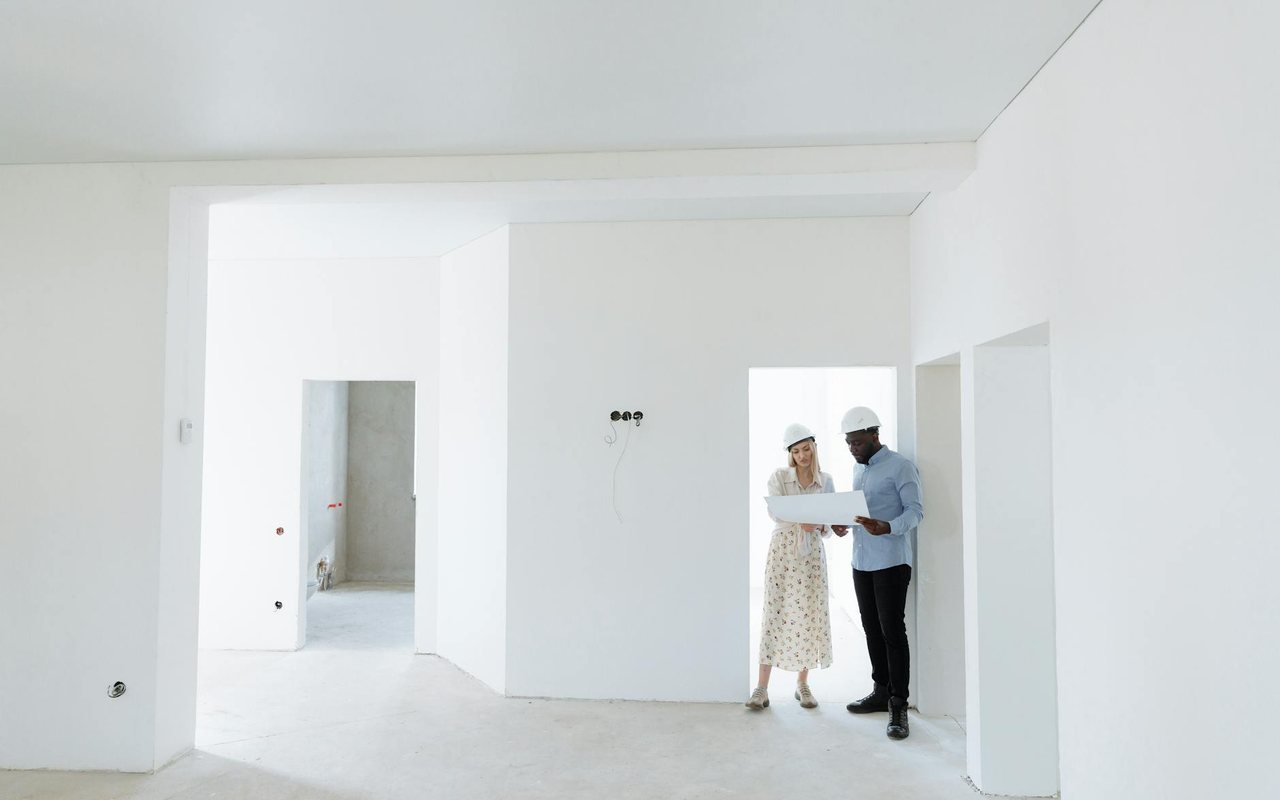
Why Staged Upgrades Matter: Smart Sequencing of Renovations
Renovating a home is a significant investment. Many Spanish homeowners know they need to improve insulation, change windows, upgrade heating, and perhaps install solar panels, but don't know where to start or if order matters. **The renovation passport solves that.**
Imagine your house: if you change windows but don't improve wall insulation, you'll still lose heat through the walls and your window investment won't maximize returns. But if the strategy is: (1) improve insulation, (2) change windows, (3) upgrade heating to a heat pump, (4) install solar; each step builds on the last, and energy savings compound.
The passport shows you exactly this sequence. Plus, it lets you space investments over 5, 10, or more years, avoiding a brutal upfront cost. For each stage, the document states: estimated cost, expected energy savings, EPC class improvement, and what grants might be available. This is especially valuable in 2026, as Spain prepares for major residential renovations by 2030.
When to Request a Renovation Passport
**During a home purchase:** If you're buying an old house or one with poor energy performance (class D, E, F, or G), request a passport alongside the mandatory EPC. It will clarify how much it will cost to upgrade and how long it might take. This also influences your offer: if you know the renovation will be €40,000 over ten years, you can negotiate the purchase price with that information.
**Before starting a major renovation:** If you plan a renovation (new windows, insulation, heating, etc.), ask a qualified expert for a passport before signing quotes. Not all architects or technical surveyors offer passports yet, but as the 2026 obligation approaches, it will become more common. The passport will prevent you from making haphazard investments.
**When applying for grants or subsidies:** Many financing lines for energy rehabilitation in Spain will require or prefer a renovation passport to evaluate your case. Having it ready speeds up procedures and increases your chances of access.
**Practical tip:** Don't wait for it to become mandatory. If you're going to spend money on renovation, a passport (which typically costs between €600 and €1,200, though fees may vary) is an investment that saves you thousands by guiding your improvement strategy.
Steps to Get and Use Your Renovation Passport
Here's a practical guide to how to get a renovation passport and make the most of your renovation.
- 1Identify a Qualified ExpertStep 1: Expert search
Look for a technical architect, technical engineer, architect, or surveyor with energy efficiency experience. Verify they are registered in your autonomous community and understand the new renovation passport scheme (being implemented during 2026).
- 2Request an On-Site VisitStep 2: On-site technical visit
The passport requires the expert to visit your home in person. During the visit, they inspect walls, windows, heating systems, insulation, roofs, cooling equipment, and evaluate renewable energy potential (e.g., if your roof is suitable for solar).
- 3Receive the Passport DocumentStep 3: Passport delivery
The expert provides you a detailed report with: (1) analysis of each element of your home, (2) a staged renovation roadmap (what to do first, second, etc.), (3) energy savings estimates at each stage, (4) EPC class projections, and (5) information on climate resilience and financing options.
- 4Prioritize Stages According to Your BudgetStep 4: Select renovation stages
Use the passport to decide your first step. If your 2026 budget is €8,000, the passport tells you which renovation is most efficient (perhaps changing the boiler or improving insulation). This way you advance strategically, not randomly.
- 5Search for Grants and FinancingStep 5: Financing search
With passport in hand, contact local or national bodies (city council, autonomous community, IDAE, etc.) for subsidy programs. The passport facilitates your application because it demonstrates a serious, measurable strategy.
- 6Commission Work Following the RoadmapStep 6: Execute renovation stages
Execute renovations in the recommended order. As you complete each stage, you can request an updated EPC to confirm you achieved the expected energy class. This is also useful if you plan to sell or rent later.
Frequently Asked Questions About Renovation Passports
How much does a renovation passport cost?
Is a renovation passport mandatory now (2026)?
What's the difference between an on-site visit for a passport and an EPC?
Can I do renovations without a passport?
Does the renovation passport guarantee energy savings?
What happens if I change my mind halfway through the stages?
Related guides and reading
To turn this article into a renovation plan, start with What Is the Price of an Energy Certificate and How to Request It and compare it with How Much Does It Cost to Insulate a House? and Prices for Installing Air Source Heat Pumps per m² in 2025. These internal guides help separate budget, permits, technical checks and optional upgrades before you speak with contractors.
For wider context, continue with Are renovation grants taxable? Tax guide for homeowners. Reading related articles together makes the Reformia journal work as a planning path rather than isolated posts.
You may also like
Show All Articles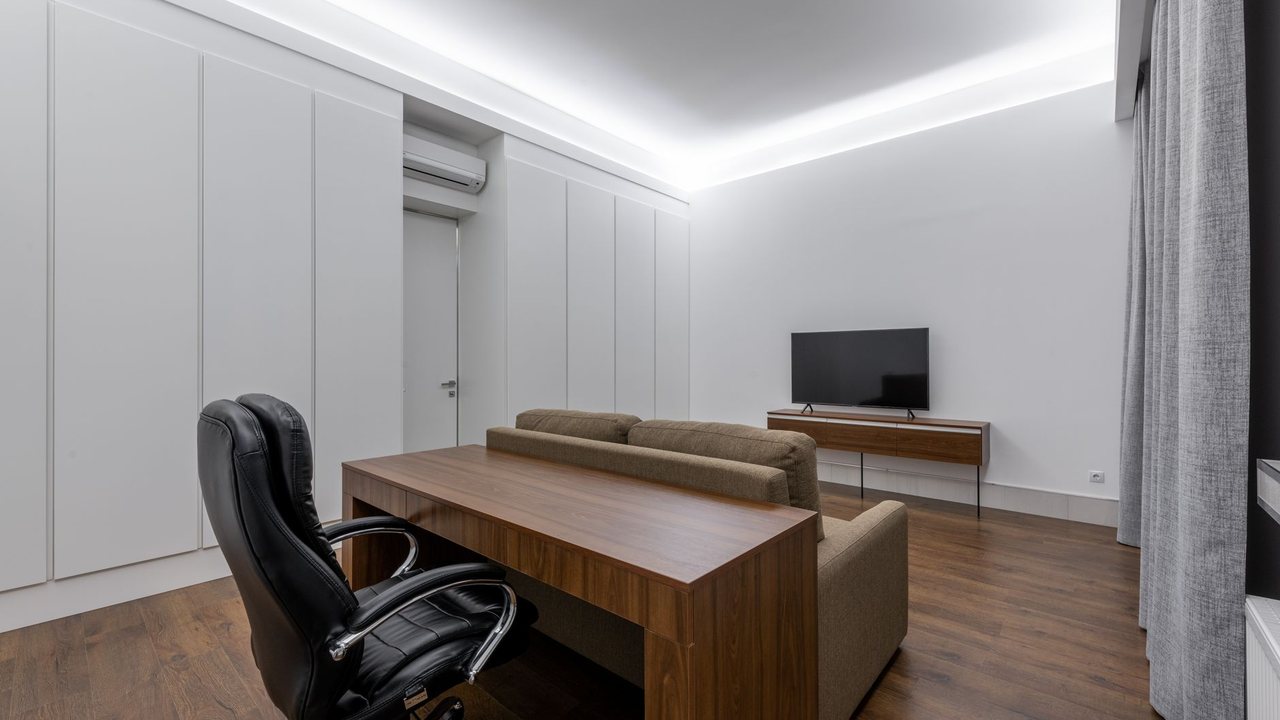
Seasonal and room rentals: renovating for medium stay in 2026
The new housing package points to regulating seasonal and room rentals. Renovation should avoid shortcuts and prepare real use.
Subscribe to our newsletter
And get a weekly digest of projects, bidding tips, and key platform updates straight to your inbox.

Alicante Plan Vive: 2,961 homes and renovating for affordable rental
New protected housing in Alicante changes the comparison for private owners: efficiency, maintenance and clear rental positioning matter more.
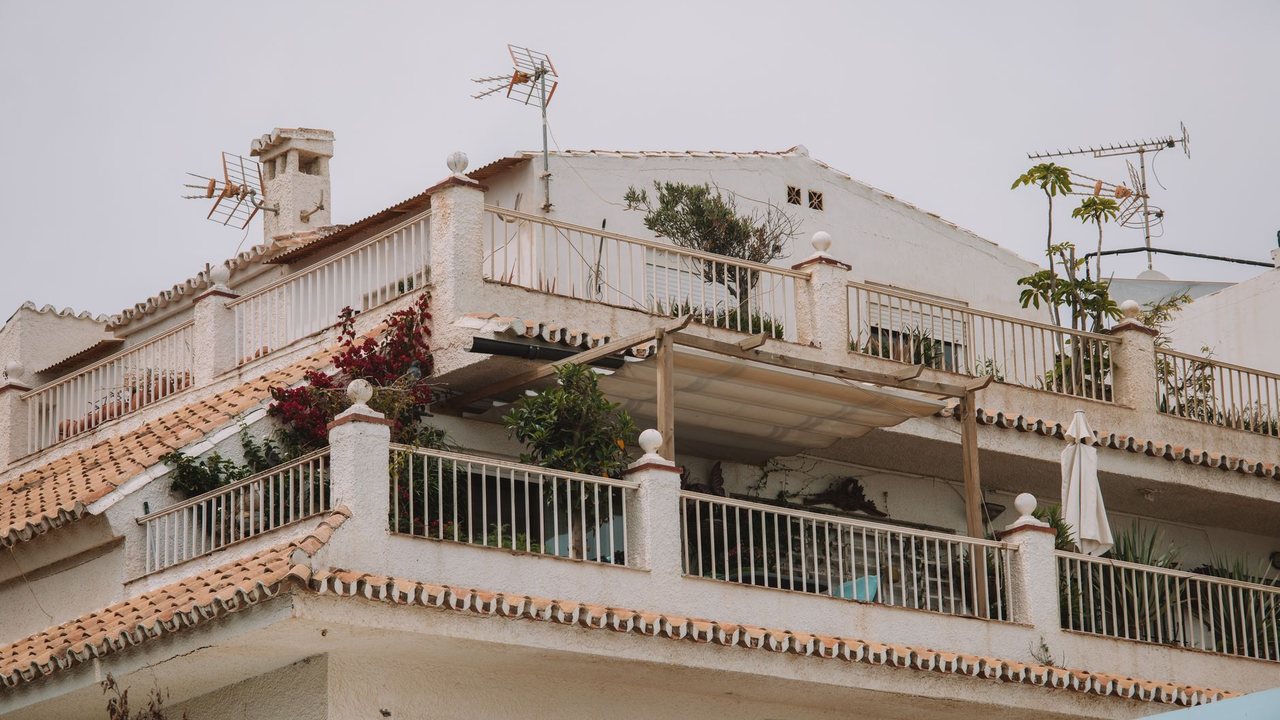
Calp near 4,900 euros/m2: premium renovation without losing return
Coastal prices raise expectations: a premium renovation must justify quietness, efficiency, views, outdoor areas and maintenance.

Energy audit for an Alicante apartment community: how to prioritise renovation
Before voting on windows, facade or heat pumps, turn bills, building condition and savings scenarios into a roadmap the community can compare.

Energy-saving auctions and building renovation: MITECO's September 2026 proposal
MITECO has opened a proposed reform of Spain's energy-saving certificate system, including savings auctions. What communities and firms can prepare without treating it as approved funding.
Seasonal and room rentals: renovating for medium stay in 2026
The new housing package points to regulating seasonal and room rentals. Renovation should avoid shortcuts and prepare real use.
Alicante Plan Vive: 2,961 homes and renovating for affordable rental
New protected housing in Alicante changes the comparison for private owners: efficiency, maintenance and clear rental positioning matter more.
Calp near 4,900 euros/m2: premium renovation without losing return
Coastal prices raise expectations: a premium renovation must justify quietness, efficiency, views, outdoor areas and maintenance.
Subscribe to our newsletter
And get a weekly digest of projects, bidding tips, and key platform updates straight to your inbox.
Energy audit for an Alicante apartment community: how to prioritise renovation
Before voting on windows, facade or heat pumps, turn bills, building condition and savings scenarios into a roadmap the community can compare.
Energy-saving auctions and building renovation: MITECO's September 2026 proposal
MITECO has opened a proposed reform of Spain's energy-saving certificate system, including savings auctions. What communities and firms can prepare without treating it as approved funding.
Seasonal and room rentals: renovating for medium stay in 2026
The new housing package points to regulating seasonal and room rentals. Renovation should avoid shortcuts and prepare real use.
Alicante Plan Vive: 2,961 homes and renovating for affordable rental
New protected housing in Alicante changes the comparison for private owners: efficiency, maintenance and clear rental positioning matter more.
Subscribe to our newsletter
And get a weekly digest of projects, bidding tips, and key platform updates straight to your inbox.
Calp near 4,900 euros/m2: premium renovation without losing return
Coastal prices raise expectations: a premium renovation must justify quietness, efficiency, views, outdoor areas and maintenance.
Energy audit for an Alicante apartment community: how to prioritise renovation
Before voting on windows, facade or heat pumps, turn bills, building condition and savings scenarios into a roadmap the community can compare.
Energy-saving auctions and building renovation: MITECO's September 2026 proposal
MITECO has opened a proposed reform of Spain's energy-saving certificate system, including savings auctions. What communities and firms can prepare without treating it as approved funding.