Home batteries and solar panels: when the investment makes sense
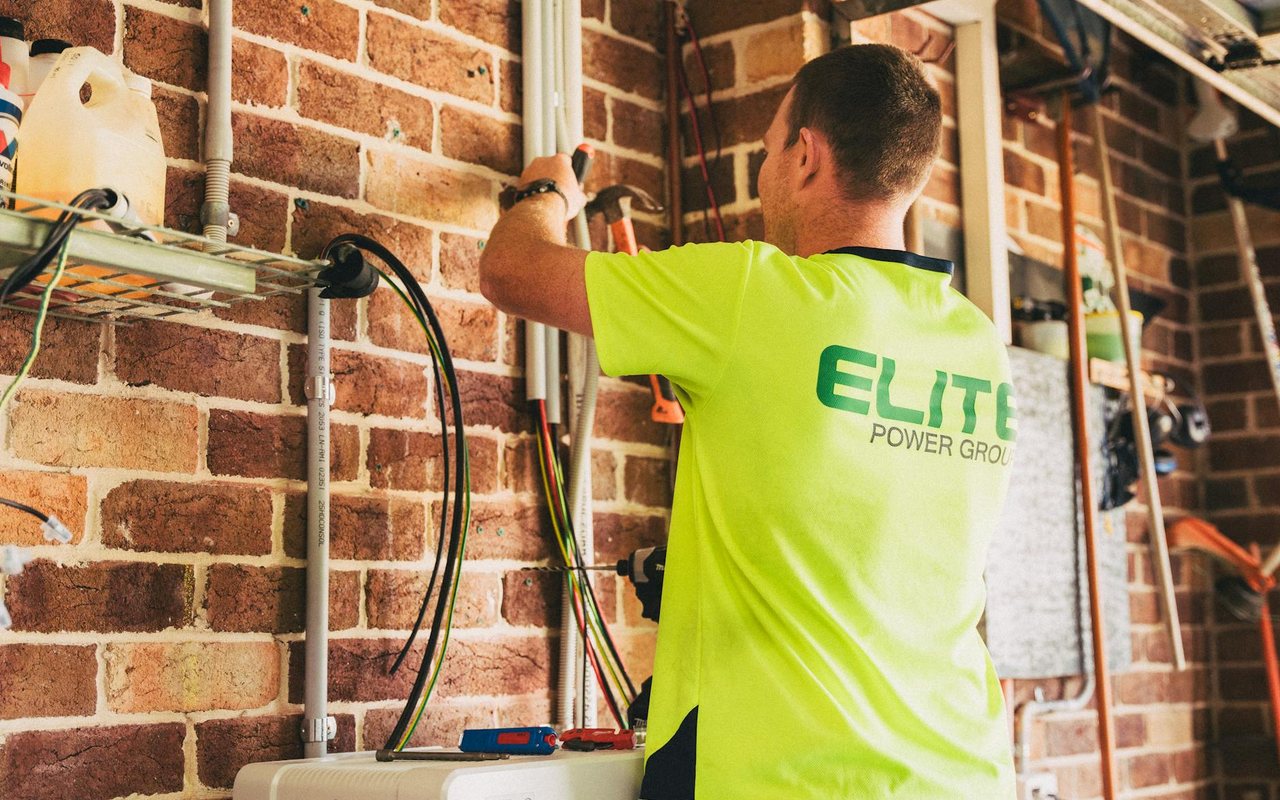
The home battery market in 2026: where we really are
Five years ago, a home battery was exotic and extremely expensive. Today, the price has dropped 30 to 40%, and many Spanish installers offer them as a standard option. However, market maturity does not mean everyone needs a battery. Instant self-consumption—using solar energy while the sun shines—remains the most cost-effective option for most homeowners.
What has changed is economic viability in certain scenarios: homes with mismatched consumption patterns (early risers who produce little at dawn), hourly tariffs with sharp peaks, or simply the desire for greater energy independence. In 2026, a properly sized battery in a detached home with good solar radiation can deliver a return between 8 and 12 years. In apartment buildings, the calculation is more complex, but not impossible.
When a battery improves your solar project (and when it does not)
A battery makes sense if your consumption does not match solar production. If you work 9 to 5 away from home, your panels generate energy you do not use. Without a battery, that energy goes to the grid and you receive very low compensation (typically €0.05–€0.10/kWh). With a battery, you store that excess and consume it early morning or at night. That reuse can improve your self-consumption rate from 30% to 70%.
Conversely, if you spend a lot of time at home during the day or your consumption pattern is fairly balanced, a battery adds complexity and cost without clear justification. A solar-only installation in these cases remains a solid investment: ROI between 5 and 8 years, with no significant maintenance or battery degradation risks.
Resilience against blackouts is a less tangible but real argument. If your area suffers occasional power outages, a battery paired with a hybrid inverter can power critical loads (fridge, heating, internet) for hours. This value is hard to quantify, but for many homeowners it justifies the additional investment.

Sizing, inverter compatibility and placement by home type
Battery size should reflect your typical nighttime consumption, not total consumption. If you use 4 kWh at night (fridge, lights, mild heating), a 6–8 kWh battery is sufficient in most cases. Oversizing to 15 kWh when you need 6 kWh is a common mistake that adds €4,000–€5,000 with no real benefit. Installers sometimes do this to improve margins; compare proposals from at least three providers.
Technical compatibility: if you already have solar panels with a traditional (non-hybrid) inverter, adding a battery requires a hybrid or stacked inverter (additional cost €2,000–€3,500). If you install everything new, choose a hybrid inverter from the start; the incremental cost is minimal (€300–€600) but future flexibility is huge.
Placement by home type: in a detached house with a garage, the battery goes there (space, cooling, easy maintenance). In townhouses or apartment blocks, the battery fits in a kitchen, storage or utility closet; it requires more planning but is viable. Some apartment blocks install individual batteries per floor (most common system) or, rarely, a shared battery on the ground floor (complex, requires community approval). For blocks, consult your homeowners association first and get formal approval; also verify that the building's electrical system can support hybrid inverters without risk.
How to compare quotes without overpaying: what to ask installers
A realistic quote for a home battery (6–10 kWh) ranges from €6,000 to €12,000 installed, depending on chemistry (LFP lithium vs. nickel), brand and ancillary components. Quotes below €5,000 are usually incomplete (missing wiring, protections, actual installation). Quotes above €15,000 for 10 kWh need clear justification: more capacity, higher power inverter, or very complex installation.
Always ask for: (1) Exact specification of usable capacity (not nominal). A '10 kWh' battery may have only 8 kWh usable if the manufacturer recommends certain safety margins. (2) Documented compatibility with your current or proposed inverter. (3) Warranty: minimum 10 years on capacity or guaranteed charge cycles. (4) Clear breakdown of components: battery cost, inverter, wiring, installation and permits.
Avoid installers who close the offer without an on-site visit. Every home requires in-situ evaluation: solar radiation, orientation, shading, actual electrical load measured, state of the electrical panel. A good installer will spend 30–45 minutes on this. If they offer a 'standard package' without analysis, look elsewhere. Finally, request references from customers with installations similar to yours (same home type, age, consumption pattern) 1–2 years ago; ask about real satisfaction, maintenance costs and whether ROI was realistic.
Checklist: before contracting a home battery
Before signing a contract with an installer, verify these points to avoid surprises and overspending.
- 1Real consumption analysisStep 1: Core data
Get your consumption history for the last 12 months from your utility (Endesa, Iberdrola, etc.). Identify nighttime consumption patterns and demand peaks. Without this data, any battery proposal is speculative.
- 2Home visit and solar radiation calculationStep 2: Technical assessment
Require the installer to visit your home, measure orientation and shading, and use tools like PVGIS or similar to estimate real solar generation at your location. Phone estimates are inaccurate.
- 3Definition of minimum viable capacityStep 3: Clear specs
Based on nighttime consumption, agree with the installer on the minimum usable capacity needed (not nominal). Reject any proposal that does not specify this value in writing. Example: 'usable capacity of 8 kWh' is different from '10 kWh nominal battery'.
- 4Documented inverter compatibilityStep 4: Technical fit
If you already have panels, request written confirmation that your current inverter is compatible with the proposed battery, or that the installer includes a new hybrid inverter. Verify the brand, model and manufacturing year of your current inverter.
- 5Complete cost breakdownStep 5: Price transparency
Require itemized invoice: battery (€), inverter (€), wiring and protections (€), installation (€), permits and administration (€). Do not accept a lump sum without breakdown. This allows comparing 'apples to apples' across offers.
- 6Warranty and service termsStep 6: Legal protection
Verify minimum warranty: 10 years on residual capacity or guaranteed cycles. Confirm who handles issues after year 1 (manufacturer, installer, third-party service). Request this in writing in the contract.
- 7Recent customer referencesStep 7: Third-party validation
Request direct contact (not through the installer) with at least 3 customers who installed a battery 1–2 years ago. Ask: Did final cost match the quote? Do they work well? Has maintenance been needed? Would you recommend this installer?
- 8Location plan and permitsStep 8: Regulatory compliance
For apartments, obtain formal approval from your homeowners association before signing. For detached homes, agree on exact location (garage, storage, etc.) and verify the installer handles municipal permits if needed. This should be in the proposal.
- 9Estimated ROI and payback periodStep 9: Economic viability
Ask the installer for a clear ROI calculation based on your actual consumption, current rate and solar estimate. Example: '8 kWh battery, cost €8,000, annual savings €400, ROI ~20 years'. If it seems too optimistic (ROI <5 years), verify assumptions again.
Frequently asked questions about home batteries and costs
What is the average cost of a battery installation in Spain in 2026?
What is the difference between an LFP battery and a nickel one?
Can I install a battery in an apartment in a homeowners association?
Do I need to replace my current inverter to add a battery?
How much maintenance does a home battery require?
What happens to my battery if there is a prolonged blackout?
Is it true that batteries lose capacity quickly?
Are there grants or subsidies to install a battery?
Related guides and reading
To turn this article into a renovation plan, start with Installing Solar Panels: Prices and Quotes and compare it with Installing Home Inverters and Batteries and What Is the Price of an Energy Certificate and How to Request It. These internal guides help separate budget, permits, technical checks and optional upgrades before you speak with contractors.
For wider context, continue with 2026 home renovation incentives: windows, insulation and heat pumps. Reading related articles together makes the Reformia journal work as a planning path rather than isolated posts.
You may also like
Show All Articles
Empty homes: grants up to 30,000 euros to renovate and rent
The State Plan includes grants for empty homes renovated and moved into affordable rental for at least five years.
Subscribe to our newsletter
And get a weekly digest of projects, bidding tips, and key platform updates straight to your inbox.
Empty homes in Alicante: when renovation can expand affordable rental
Housing pressure makes bringing empty homes back a priority. A guide to deciding whether renovation can support stable rental.

Alicante housing pressure: when renovation helps buying or renting better
Buying and rental pressure in Alicante makes renovation cost, deposit, efficiency and exit strategy essential before signing.

AI for construction documentation: photos, site notes and estimates with control
The most practical AI use in renovation is not autonomous construction: it is organising photos, changes, notes and traceable estimates.

Benidorm and the 20.7% rise: what to renovate before selling in 2026
With prices rising in Alicante province, renovation should defend value with data, not just visible finishes.
Empty homes: grants up to 30,000 euros to renovate and rent
The State Plan includes grants for empty homes renovated and moved into affordable rental for at least five years.
Empty homes in Alicante: when renovation can expand affordable rental
Housing pressure makes bringing empty homes back a priority. A guide to deciding whether renovation can support stable rental.
Alicante housing pressure: when renovation helps buying or renting better
Buying and rental pressure in Alicante makes renovation cost, deposit, efficiency and exit strategy essential before signing.
Subscribe to our newsletter
And get a weekly digest of projects, bidding tips, and key platform updates straight to your inbox.
AI for construction documentation: photos, site notes and estimates with control
The most practical AI use in renovation is not autonomous construction: it is organising photos, changes, notes and traceable estimates.
Benidorm and the 20.7% rise: what to renovate before selling in 2026
With prices rising in Alicante province, renovation should defend value with data, not just visible finishes.
Empty homes: grants up to 30,000 euros to renovate and rent
The State Plan includes grants for empty homes renovated and moved into affordable rental for at least five years.
Empty homes in Alicante: when renovation can expand affordable rental
Housing pressure makes bringing empty homes back a priority. A guide to deciding whether renovation can support stable rental.
Subscribe to our newsletter
And get a weekly digest of projects, bidding tips, and key platform updates straight to your inbox.
Alicante housing pressure: when renovation helps buying or renting better
Buying and rental pressure in Alicante makes renovation cost, deposit, efficiency and exit strategy essential before signing.
AI for construction documentation: photos, site notes and estimates with control
The most practical AI use in renovation is not autonomous construction: it is organising photos, changes, notes and traceable estimates.
Benidorm and the 20.7% rise: what to renovate before selling in 2026
With prices rising in Alicante province, renovation should defend value with data, not just visible finishes.