Industrialized Housing in Spain: What It Means for Your Home in 2026
What Industrialized Construction Actually Means
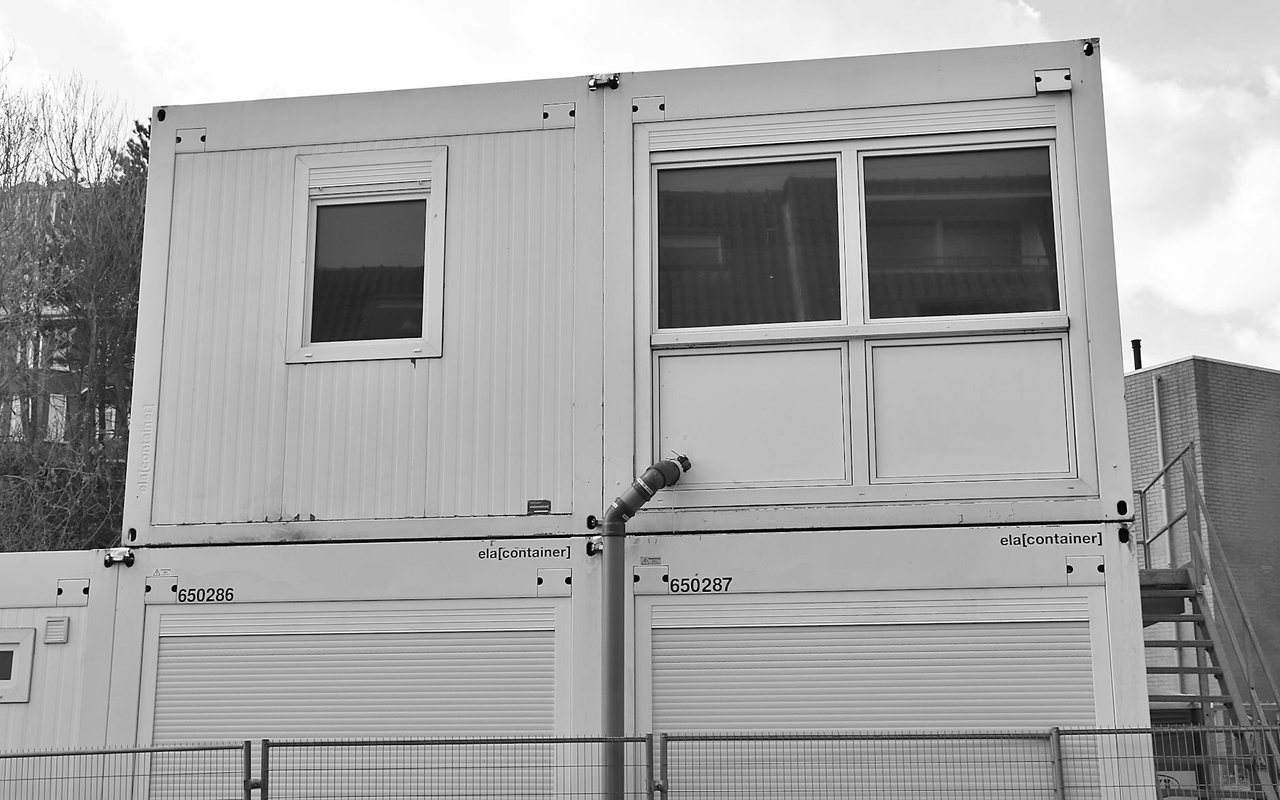
Industrialized construction is not science fiction: it's the factory production of your home's components under strict quality control, then assembly on your plot. Instead of building everything on-site with concrete poured and bricks laid daily under variable weather, walls, floors, roofs, and even installations are produced in series under optimal conditions.
For the average Spanish homeowner, this translates to three concrete things: less noise and dust on-site, fewer weather-related delays, and faster delivery. In 2026, with Spain's PERTE initiative driving industrialized and modular construction, real solutions are emerging—from prefabricated panel systems to near-complete volumetric homes. It's not all-or-nothing: you can use partially prefabricated systems in an extension, or choose full modular for a new single-family home.
Speed vs. Reality: What You Need to Know About Timelines
Yes, industrialized construction is faster in the factory. A complete modular home can be ready for assembly in 8–12 weeks, versus 6–9 months traditionally. But here's the uncomfortable truth: your house doesn't assemble itself. It needs solid foundations (4–8 weeks if all goes well), transport from the factory (which can be limited depending on location), and utility connections (water, power, sewage) that depend on local municipality timelines.
In practice, an industrialized single-family home on an already-prepared plot takes 4–5 months from start to occupancy, versus 10–12 with traditional methods. For extensions using partially prefabricated systems, the savings are smaller (2–3 months) because demolition, foundation work, and connections remain the same. Local planning also matters: municipalities with fast approval processes see real benefits; others remain bottlenecks. In high-demand coastal zones (Levante, Catalan coast), time savings are more visible. In rural areas, logistics can erase part of the advantage.
Real Costs: Extensions, Single-Family Homes, and Partial Prefab
Here's where many homeowners are surprised. Industrialized construction isn't automatically cheaper—it's more predictable and, at scale, more competitive. For a 40 m² extension using prefabricated panels, budget 25,000–35,000 € (600–875 €/m²). Traditional work on the same project runs 20,000–28,000 € (500–700 €/m²). The time savings come with a cost: industrial panels require exact upfront design and less flexibility for mid-project changes.
A new 120 m² fully modular single-family home (structure, envelope, basic installations) ranges 180,000–240,000 € (1,500–2,000 €/m²), with plot included. Add 30,000–50,000 € if you need special foundations or access conditioning. Comparison: traditional construction of equal quality, 2,200–2,800 €/m². For partially prefabricated systems (walls and floors yes, partitions and finishes no), expect 1,400–1,800 €/m², gaining 1–2 months without sacrificing flexibility. Total budget includes transport (1,500–3,500 € depending on distance to factory) and specialized assembly (15–25% of base modular cost).
Where Industrialized Construction Works Best in Spain Right Now
Not all Spanish regions benefit equally. Industrialized construction reaches peak potential in areas with high housing demand, good transport connectivity, and municipalities receptive to new methods. In Levante (Valencia, Murcia, Alicante), where housing shortage is acute, several manufacturers already operate. The Catalan coast, the Madrid–Guadalajara corridor, and select residential developments near Barcelona show growing adoption. Extremadura and Castilla y León are experimenting with modular systems for rural housing, where labour shortages make centralized manufacturing viable.
For targeted renovations (extensions, floor conversions), industrialization works anywhere if plot access permits module delivery (roads at least 3.5 m wide). Small villages with compact town centers are a challenge: a 3 m wide module won't fit medieval streets. In major cities (Madrid, Barcelona, Bilbao, Seville), it's mostly used for whole-building rehabilitation or large plots, not bespoke homes. Practical advice: consult local manufacturers before deciding. In 2026, the producer network is mature in coastal and urban zones, still emerging in rural interiors.
Steps to Evaluate If Industrialized Construction Is Right for You
Before committing to a modular project, validate these key conditions in your local context.
- 1Check for nearby manufacturersLogistics and distance
Contact 2–3 local producers about capability and delivery lead times. Transport from factory is a real cost: over 200 km adds 20–30% to logistics costs.
- 2Validate your plot and foundationsPre-project studies
Order a soil study (geotechnical) to confirm foundation needs. Modular homes usually require slab or point footings. If your plot is complex (slopes, high water table), foundation cost may match or exceed traditional work.
- 3Plot accessLocal infrastructure
Confirm that roads and heavy vehicle entrances can accommodate modules. Minimum width: 3.5 m. If access improvement is needed (widening, temporary bridge), budget 5,000–15,000 € extra.
- 4Review municipal licensing timelinesLocal administration
Talk to your municipality: how long is a building license? Do they recognize modular systems or require extra inspections? In cities with fast electronic processing, total time savings are maximized. In slow municipalities, real timeline is less than hoped.
- 5Define prefab scopeProject scope
Do you need full modular or partial systems (panels + traditional work)? For extensions, partial is usually more cost-effective and flexible. For single-family homes in high-demand areas, full modular makes sense.
- 6Request detailed quotesEconomic analysis
Ask for breakdown: manufacturing, transport, assembly, foundations, utilities, finishes. Compare with traditional quote for same scope. Net savings should be 10–20% if you gain time; if less, reconsider if modular truly fits.
Frequently Asked Questions About Industrialized Construction
Is industrialized construction always faster?
Can I make changes during modular construction?
What's the average cost per square meter?
Do they work better in coastal areas?
What if there are quality issues after delivery?
Are there subsidies or grants for industrialized construction?
Related guides and reading
To turn this article into a renovation plan, start with How Much Does a Full Renovation Cost? and compare it with How Much Does a Construction and Renovation Project Cost? and Prices and Budgets for Building Permits. These internal guides help separate budget, permits, technical checks and optional upgrades before you speak with contractors.
For wider context, continue with Labour shortages in Alicante: how to hire renovations without delays. Reading related articles together makes the Reformia journal work as a planning path rather than isolated posts.

You may also like
Show All Articles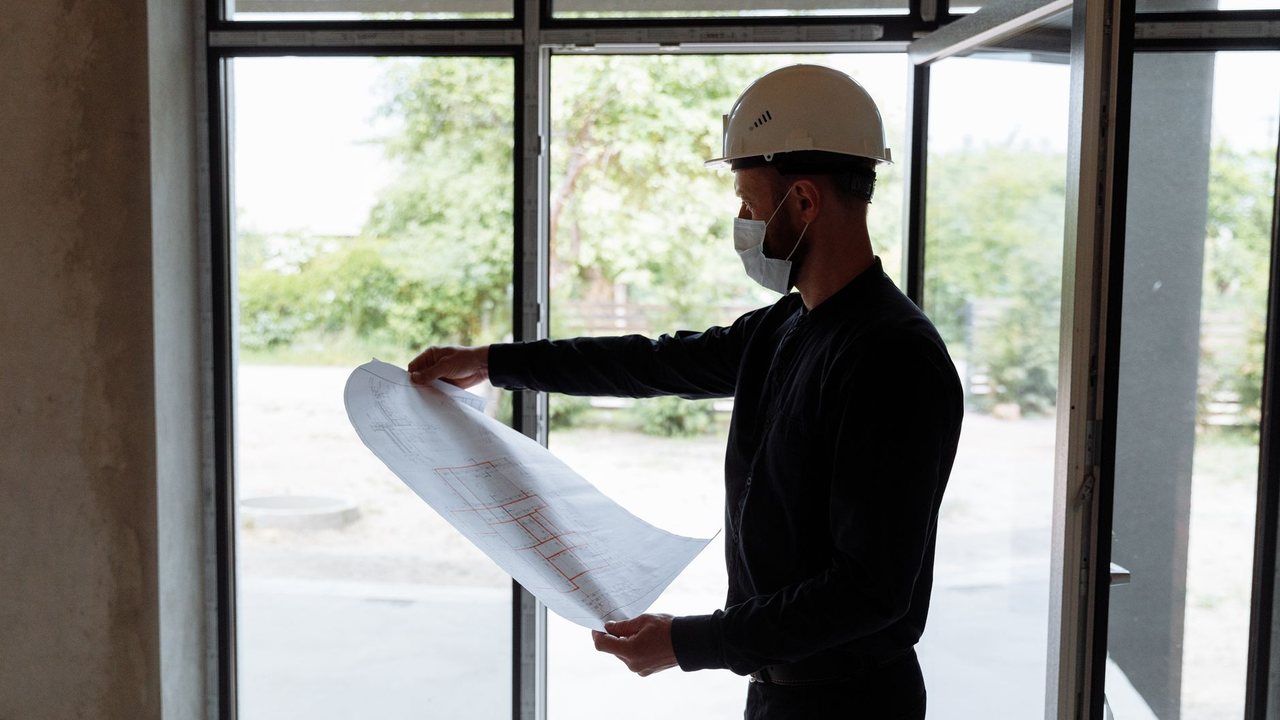
Alicante's initially approved PGE: does it already change your renovation permit?
The PGE has entered regional assessment, but a current renovation must still check the planning rules in force, detailed zoning and its specific permit.
Subscribe to our newsletter
And get a weekly digest of projects, bidding tips, and key platform updates straight to your inbox.
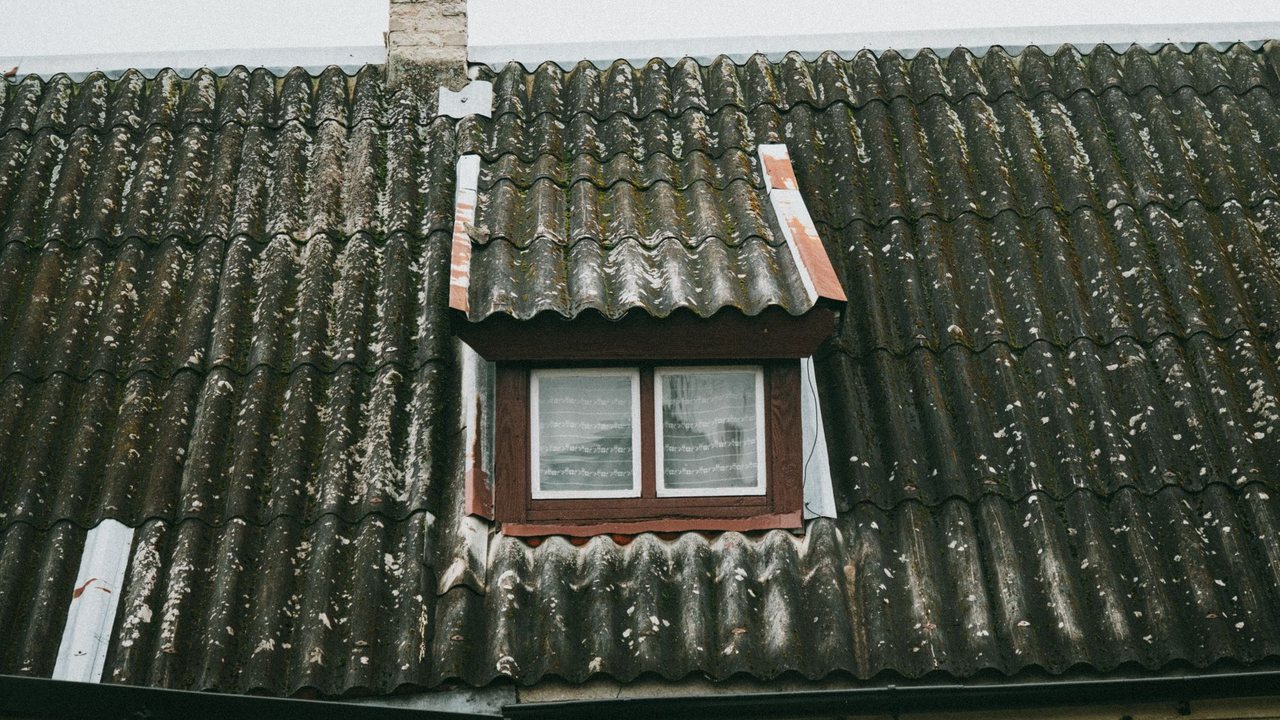
Asbestos cement in Alicante: planning safe removal in 2026
Spain's 2026-2030 Housing Plan includes removal of asbestos-containing products among eligible works, but delivery requires identification, a registered contractor, waste control and coordinated reinstatement.
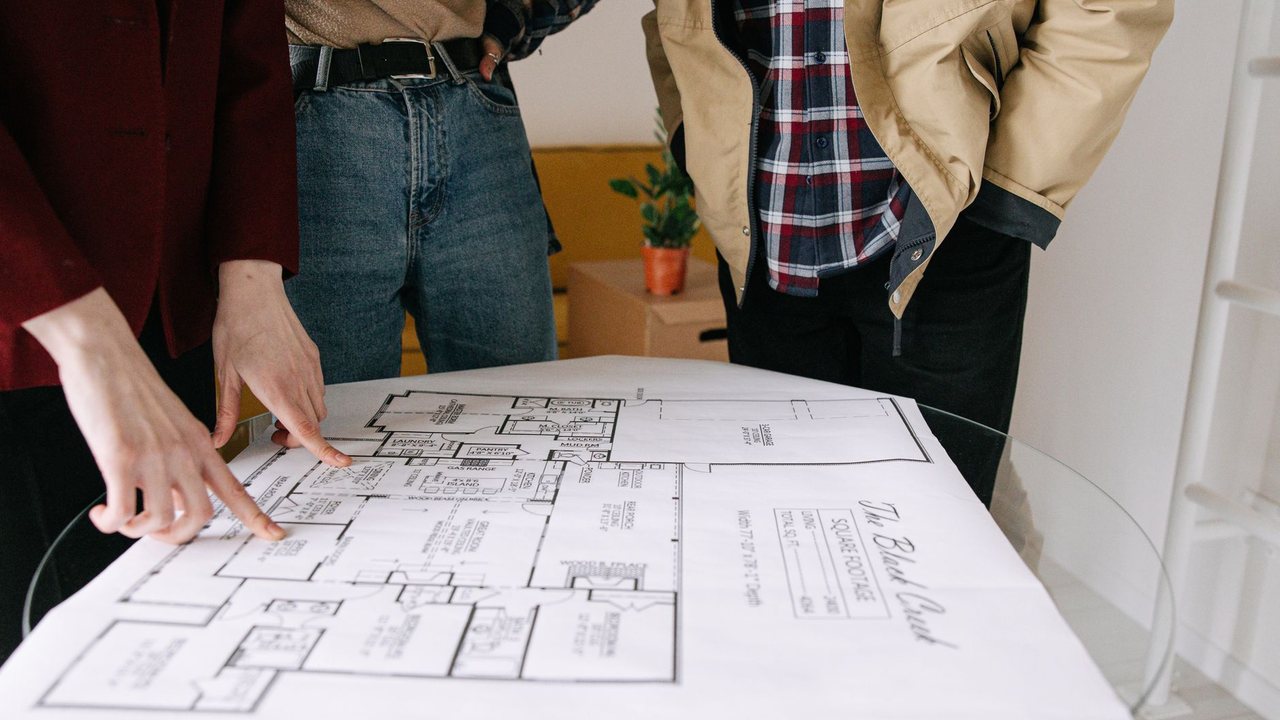
AI for a renovation brief: better questions before the first site visit
Prepare a renovation brief with AI: organise goals, photos and questions, separate preferences from requirements and avoid inventing a project budget.

Measuring AI savings in a renovation business: a pilot using your own evidence
Measure real AI savings in a renovation business: compare time, corrections and pilot costs before expanding tasks or subscribing to additional tools.

Translating renovation quotes with AI: Spanish and English without scope changes
Translate renovation quotes with AI for overseas clients: preserve prices, units and exclusions and review technical terms in Spanish and English.
Alicante's initially approved PGE: does it already change your renovation permit?
The PGE has entered regional assessment, but a current renovation must still check the planning rules in force, detailed zoning and its specific permit.
Asbestos cement in Alicante: planning safe removal in 2026
Spain's 2026-2030 Housing Plan includes removal of asbestos-containing products among eligible works, but delivery requires identification, a registered contractor, waste control and coordinated reinstatement.
AI for a renovation brief: better questions before the first site visit
Prepare a renovation brief with AI: organise goals, photos and questions, separate preferences from requirements and avoid inventing a project budget.
Subscribe to our newsletter
And get a weekly digest of projects, bidding tips, and key platform updates straight to your inbox.
Measuring AI savings in a renovation business: a pilot using your own evidence
Measure real AI savings in a renovation business: compare time, corrections and pilot costs before expanding tasks or subscribing to additional tools.
Translating renovation quotes with AI: Spanish and English without scope changes
Translate renovation quotes with AI for overseas clients: preserve prices, units and exclusions and review technical terms in Spanish and English.
Alicante's initially approved PGE: does it already change your renovation permit?
The PGE has entered regional assessment, but a current renovation must still check the planning rules in force, detailed zoning and its specific permit.
Asbestos cement in Alicante: planning safe removal in 2026
Spain's 2026-2030 Housing Plan includes removal of asbestos-containing products among eligible works, but delivery requires identification, a registered contractor, waste control and coordinated reinstatement.
Subscribe to our newsletter
And get a weekly digest of projects, bidding tips, and key platform updates straight to your inbox.
AI for a renovation brief: better questions before the first site visit
Prepare a renovation brief with AI: organise goals, photos and questions, separate preferences from requirements and avoid inventing a project budget.
Measuring AI savings in a renovation business: a pilot using your own evidence
Measure real AI savings in a renovation business: compare time, corrections and pilot costs before expanding tasks or subscribing to additional tools.
Translating renovation quotes with AI: Spanish and English without scope changes
Translate renovation quotes with AI for overseas clients: preserve prices, units and exclusions and review technical terms in Spanish and English.