Climate-Resilient Home Renovation: Protect Your Spanish Home Against Extreme Heat and Flooding
Extreme Climate Is Reshaping Renovation in Spain
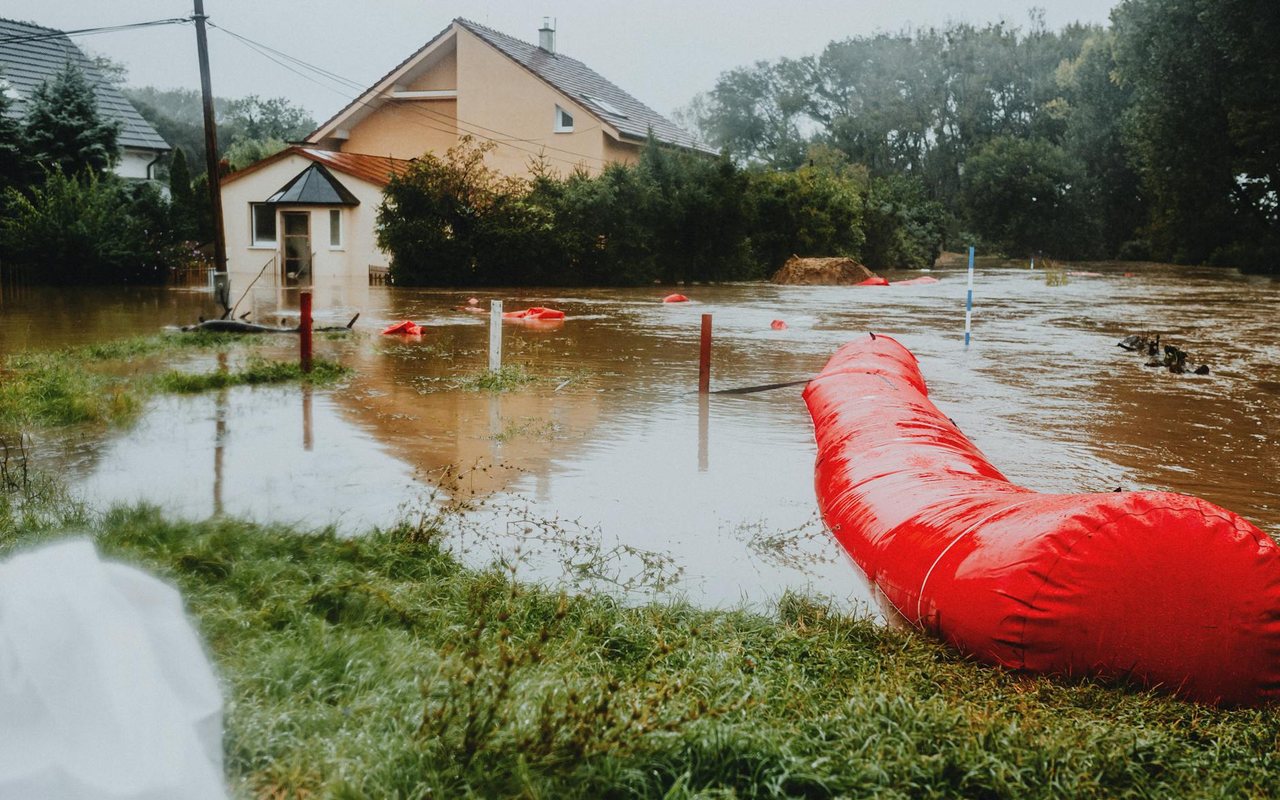
In 2025–2026, Spanish homeowners face a new reality: sudden flooding in river zones, devastating heat waves in cities, and overheating of ground-floor coastal properties are no longer exceptions—they're recurring patterns. This has placed climate resilience at the heart of renovation decisions, especially in southern and eastern Spain, where thermal stress and flood risk converge.
Smart renovations now combine three pillars: enhanced thermal protection, drainage and water management, and selection of materials that resist moisture and flood damage. This approach isn't a luxury; it's a pragmatic way to protect your property's value and your long-term safety. The good news is that many of these measures can be implemented gradually, adapting your budget and work schedule.
Immediate Measures vs. Major Renovations: What to Do Now?
You don't need a full 50,000 € renovation to start. Immediate, low-cost measures (2,000–5,000 €) offer instant protection returns: resealing external cracks, improving drainage around the house foundation, installing flood barriers in basements or ground floors, and applying water-resistant coatings to walls. If your property is in an identified flood-risk zone or experiences recurring dampness, these actions shouldn't be delayed.
Medium renovations (8,000–18,000 €) include work that can be bundled during façade or roof renovation: improved thermal insulation, installation of perimeter underground drainage systems, or replacement of external carpentry with better-sealing models. Major climate renovations (25,000–60,000 €) go further: new passive cooling systems, green roofs, integrated rainwater collection and management systems, and complete foundation repair or cladding.
Prioritization by Location: Coastal, Riverine, or Urban Heat-Island Areas
**Coastal properties**: Your number one priority is thermal sealing and salinity protection. Invest first in reinforced aluminium carpentry with thermal break (RPT), external façade insulation (SATE) with waterproof resins, and shading systems (pergolas, retractable awnings). Initial budget should be 12,000–25,000 €. Then, in a second phase, consider solar panels for passive cooling and advanced drainage systems.
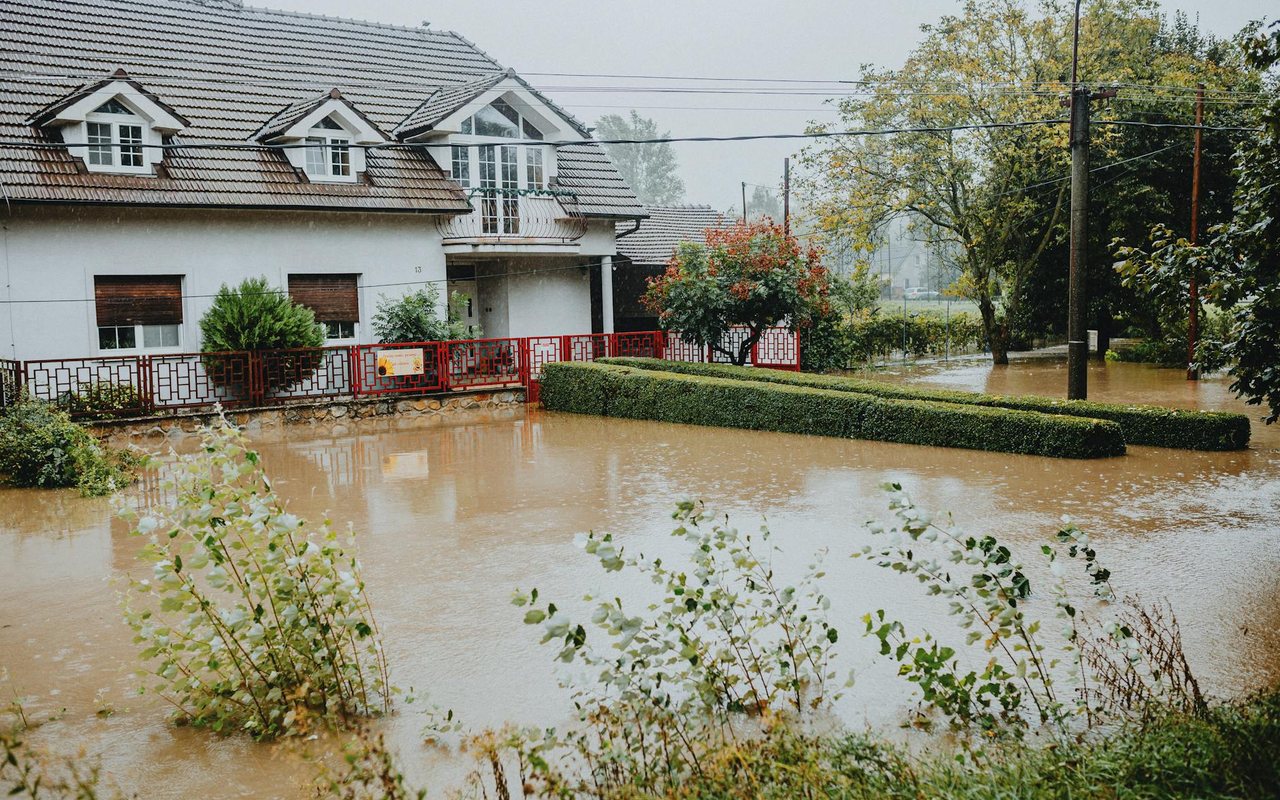
**Properties in riverine zones**: Drainage is your critical investment. Install perimeter collection and automatic pumping systems (6,000–10,000 €). Seal all service penetrations (pipes, cables) in walls below historical flood level. Raise critical equipment (boiler, electrical panel) if possible. Use moisture-resistant finishes and doors on ground floors. Initial total budget: 5,000–12,000 €.
**Extreme urban heat areas (southern cities)**: Your priority is passive cooling. Start with reflective roof paints (500–1,500 €), roof insulation (4,000–8,000 €) and mobile solar protection (awnings, automated shutters) (2,000–4,000 €). Then bundle into a larger renovation: improved cross-ventilation, radiant ceilings or internal thermal mass. Budget by phase: 2,500–5,000 € now, 15,000–30,000 € medium-term.
Material Selection: Proven Resilience and Durability
Material choice now must balance climate performance with damage resistance. For external insulation, SATE systems with expanded polystyrene resins (EPS) at medium density (18–22 kg/m³) offer good insulation and drainage. For flood zones, consider fibre-cement boards or extruded polystyrene (XPS) panels instead of mineral wool. Avoid absorbent materials on ground floors or basements.
For flooring in risk zones: large-format porcelain tiles, microcement with epoxy sealing, or polyurethane resins. All resist moisture well and are easy to clean after flooding. For external carpentry, aluminium with RPT or high-quality PVC (Uf ≤ 1.4 W/m²K) meet modern climate standards. Entry doors and balcony windows should have minimum RC2 or higher classification for water-pressure resistance. Budget increment for 'resilient materials' over standard: 10–20% more in materials, recovered in durability over 15–20 years.
Checklist: Climate-Resilient Renovation by Phase
Use this sequencing according to your location, budget and urgency. Customize based on your specific property.
- 1Phase 0: Diagnosis & Critical Seals (Weeks 1–4)Essential in all zones. Can be done before any other work.
Hire an inspector to assess drainage weak points, foundation cracks, and sealing deficiencies. Reseal external and internal cracks with flexible mortars. Clean and improve perimeter drains. Cost: 800–2,000 €.
- 2Phase 1: External Thermal Protection (Months 2–6)Bundle with roof or façade work if possible.
In coastal and heat-zone properties: apply SATE insulation or external cladding, paint roofs with reflective paint, install shading systems (pergolas, awnings). Cost: 5,000–12,000 €. In riverine zones, defer this if drainage is urgent.
- 3Phase 1b: Perimeter Drainage (Months 2–4)CRITICAL in flood zones. Do this before interior works.
In riverine zones: excavate perimeter, install HDPE drainage pipe with gravel, and automated sump pump system. Cost: 6,000–10,000 €. Integral sealing of service penetrations.
- 4Phase 2: Resilient Carpentry & Finishes (Months 4–8)Combine with external insulation if possible for work efficiency.
Replace external windows and doors with high thermal and hydraulic performance models (Uw ≤ 1.5; RC2+). On ground floors, use ceramic tiles, microcement or resins. Total cost: 8,000–18,000 €.
- 5Phase 3: Advanced Passive Systems (Months 8–12)Optional phase depending on available budget. Provides maximum long-term efficiency.
Enhanced cross-ventilation, heat recovery units, rainwater collection systems connected to storage tanks. Solar panels for cooling. Cost: 12,000–30,000 €.
- 6Annual Maintenance (Permanent)Don't skip this. Maintenance prevents costly emergency repairs.
Clean perimeter drains, check drainage, inspect carpentry seals, verify sump pump operation. Annual cost: 200–500 €. Budget 1–2 days per year.
Frequently Asked Questions: Budget, Financing & Practical Decisions
How much should I spend if I'm in a coastal zone with overheating?
Are there specific subsidies or credits for climate renovation in Spain?
Should I do everything at once or can I split the work?
What are the biggest mistakes homeowners make in these renovations?
Is a climate inspector really necessary?
Can I do some of the work myself?
Related guides and reading
To turn this article into a renovation plan, start with Installing or Replacing PVC Windows or Doors: Price and Quotes and compare it with Minor Works: Price and Quotes and What Is the Price of an Energy Certificate and How to Request It. These internal guides help separate budget, permits, technical checks and optional upgrades before you speak with contractors.
For wider context, continue with Replacing windows in Alicante: noise, heat and 2026 incentives. Reading related articles together makes the Reformia journal work as a planning path rather than isolated posts.


You may also like
Show All Articles
End-of-summer pool maintenance for a Costa Blanca second home
Before closing the property, document the water, filtration, cover, leaks and maintenance visits so you do not return to a deteriorated pool.
Subscribe to our newsletter
And get a weekly digest of projects, bidding tips, and key platform updates straight to your inbox.
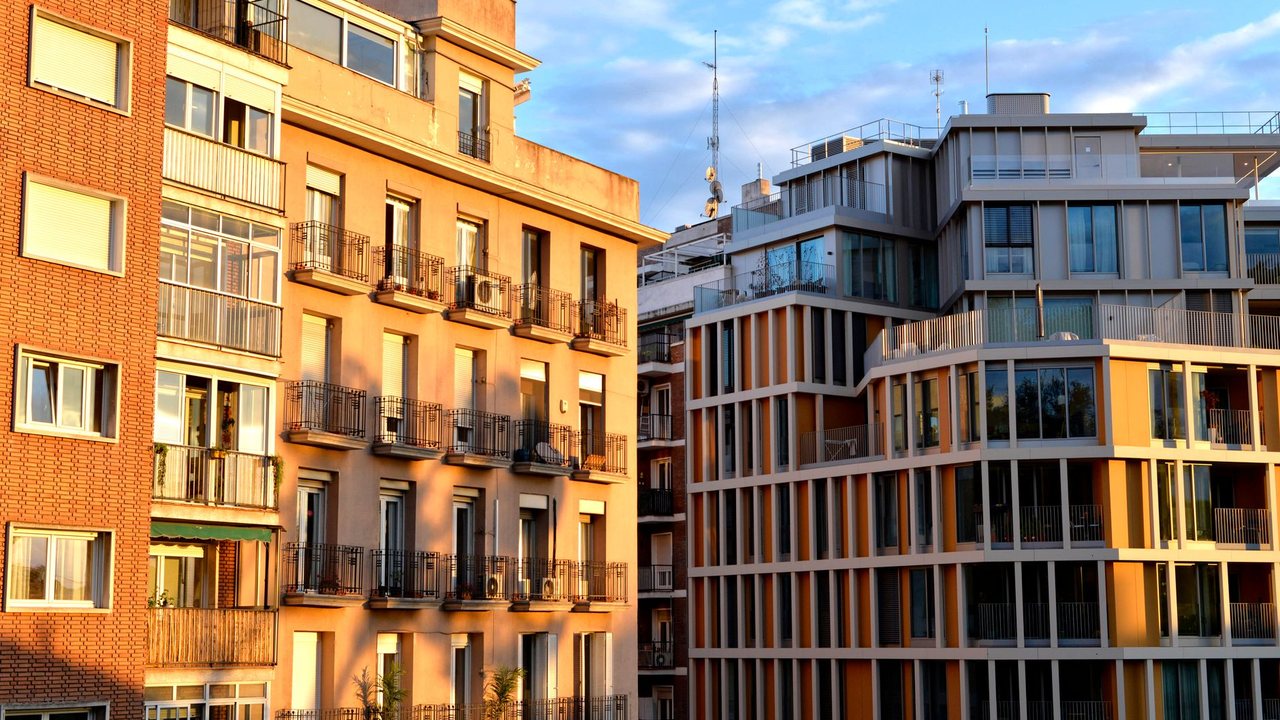
Alicante Plan Vive: 2,961 homes and renovating for affordable rental
New protected housing in Alicante changes the comparison for private owners: efficiency, maintenance and clear rental positioning matter more.
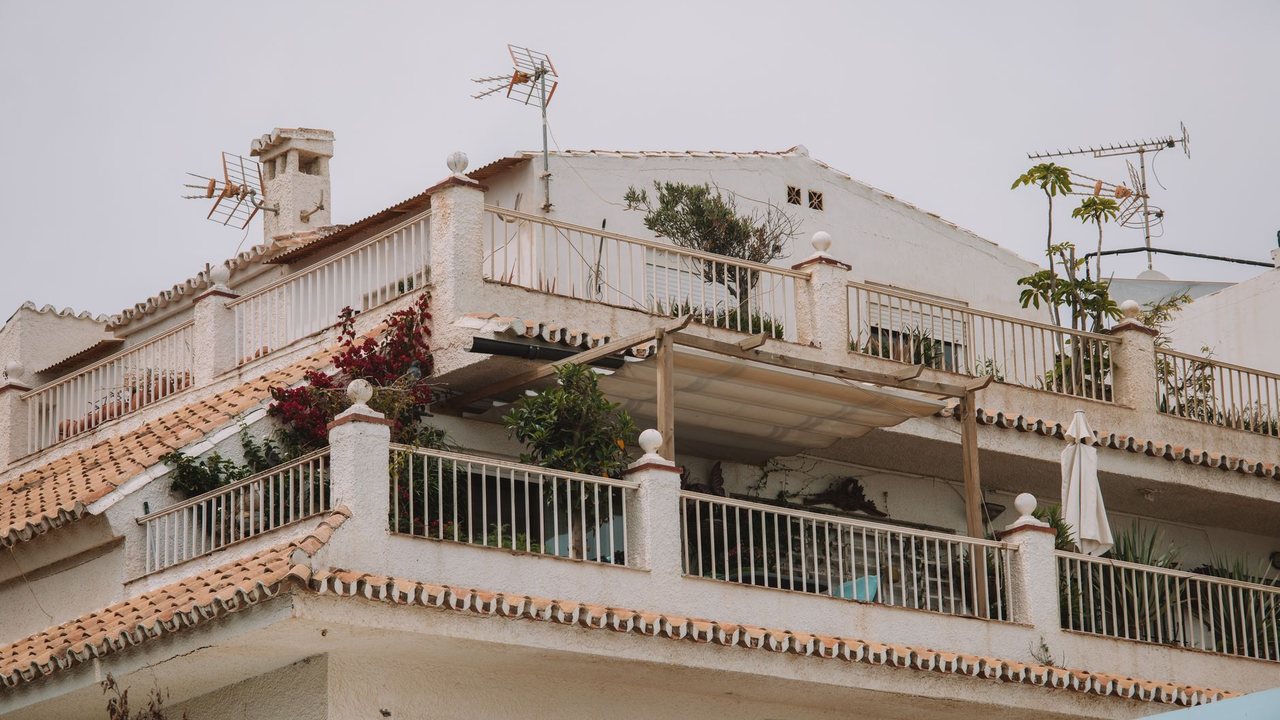
Calp near 4,900 euros/m2: premium renovation without losing return
Coastal prices raise expectations: a premium renovation must justify quietness, efficiency, views, outdoor areas and maintenance.

Energy audit for an Alicante apartment community: how to prioritise renovation
Before voting on windows, facade or heat pumps, turn bills, building condition and savings scenarios into a roadmap the community can compare.
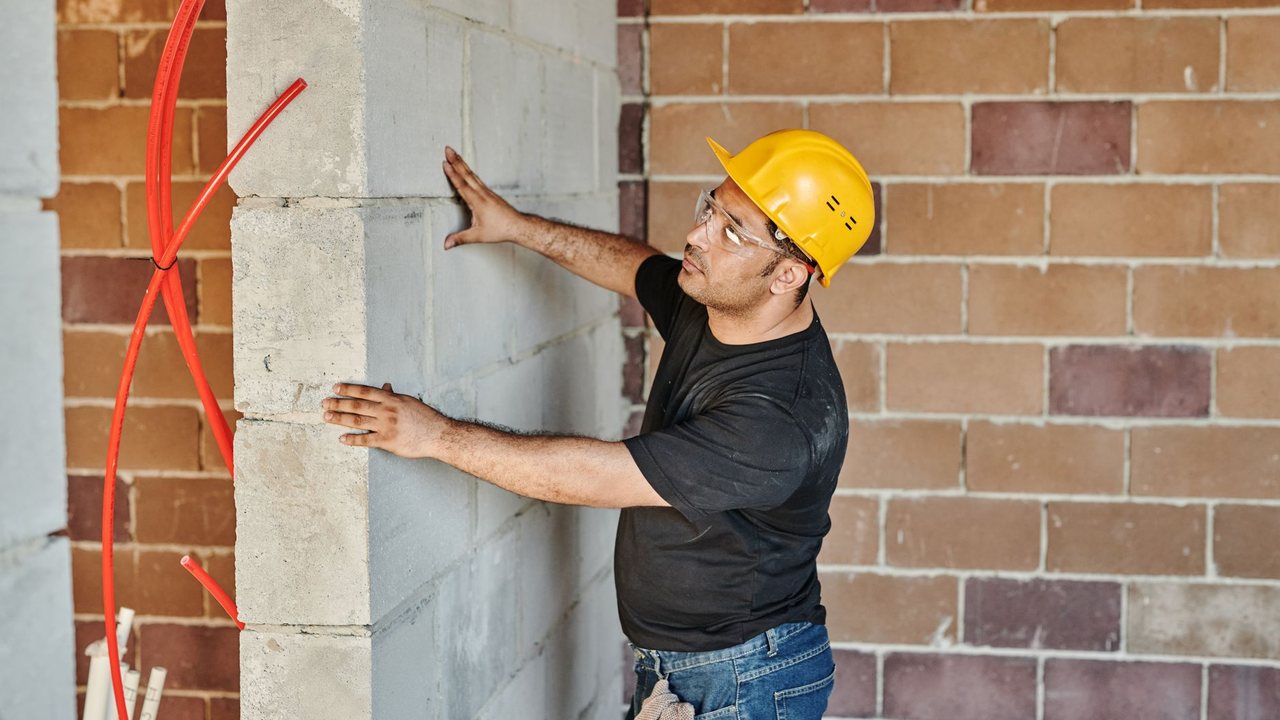
Thermal imaging in a Costa Blanca home: studying damp and insulation before renovation
A thermal camera provides temperature patterns, not an automatic diagnosis. Learn when to use it, the conditions it needs and how to turn findings into measurable renovation work.
End-of-summer pool maintenance for a Costa Blanca second home
Before closing the property, document the water, filtration, cover, leaks and maintenance visits so you do not return to a deteriorated pool.
Alicante Plan Vive: 2,961 homes and renovating for affordable rental
New protected housing in Alicante changes the comparison for private owners: efficiency, maintenance and clear rental positioning matter more.
Calp near 4,900 euros/m2: premium renovation without losing return
Coastal prices raise expectations: a premium renovation must justify quietness, efficiency, views, outdoor areas and maintenance.
Subscribe to our newsletter
And get a weekly digest of projects, bidding tips, and key platform updates straight to your inbox.
Energy audit for an Alicante apartment community: how to prioritise renovation
Before voting on windows, facade or heat pumps, turn bills, building condition and savings scenarios into a roadmap the community can compare.
Thermal imaging in a Costa Blanca home: studying damp and insulation before renovation
A thermal camera provides temperature patterns, not an automatic diagnosis. Learn when to use it, the conditions it needs and how to turn findings into measurable renovation work.
End-of-summer pool maintenance for a Costa Blanca second home
Before closing the property, document the water, filtration, cover, leaks and maintenance visits so you do not return to a deteriorated pool.
Alicante Plan Vive: 2,961 homes and renovating for affordable rental
New protected housing in Alicante changes the comparison for private owners: efficiency, maintenance and clear rental positioning matter more.
Subscribe to our newsletter
And get a weekly digest of projects, bidding tips, and key platform updates straight to your inbox.
Calp near 4,900 euros/m2: premium renovation without losing return
Coastal prices raise expectations: a premium renovation must justify quietness, efficiency, views, outdoor areas and maintenance.
Energy audit for an Alicante apartment community: how to prioritise renovation
Before voting on windows, facade or heat pumps, turn bills, building condition and savings scenarios into a roadmap the community can compare.
Thermal imaging in a Costa Blanca home: studying damp and insulation before renovation
A thermal camera provides temperature patterns, not an automatic diagnosis. Learn when to use it, the conditions it needs and how to turn findings into measurable renovation work.