Collective renovation for apartment communities: how to unlock a whole-building retrofit
Why collective renovation matters now in Spain
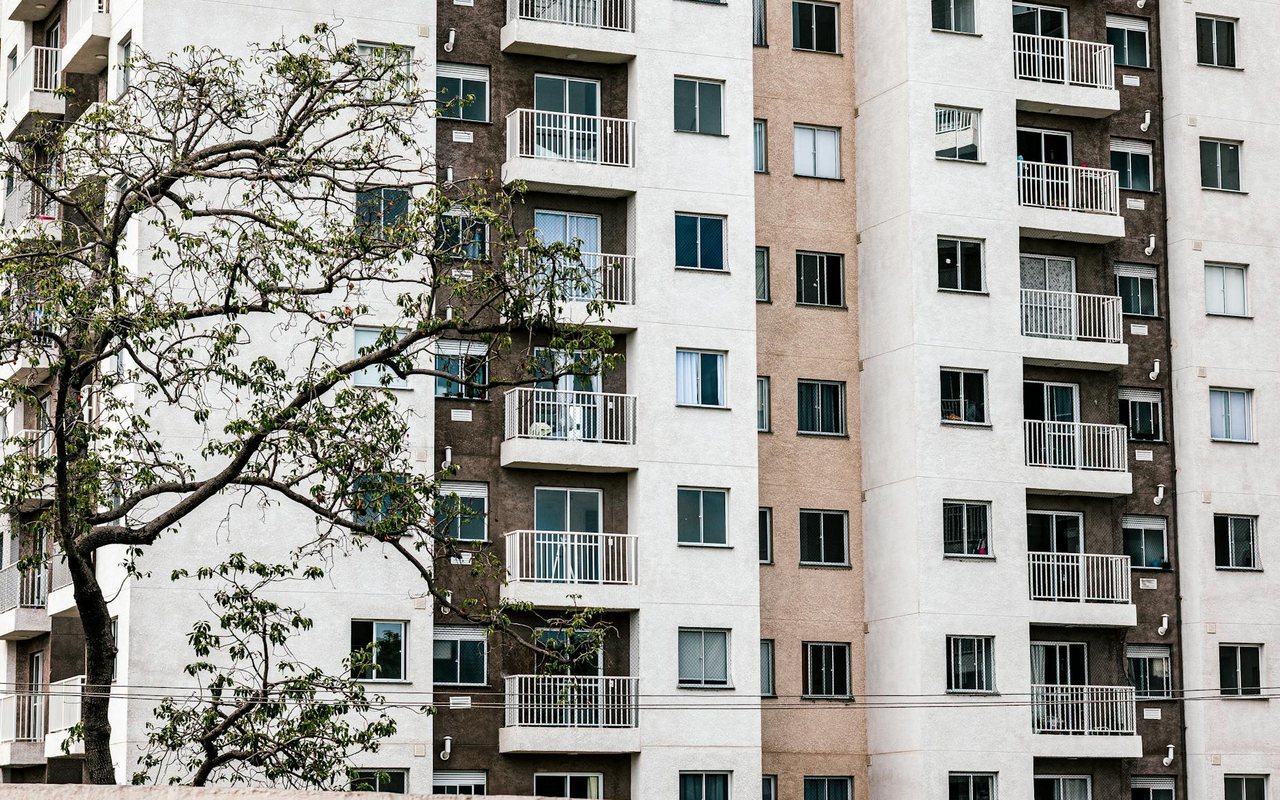
Spain faces an urgent modernisation challenge: around 14 million dwellings have poor energy performance, according to the BUILD UP report published in March 2026. This problem is especially acute in Catalonia, where more than half of all homes were built before 1980 and 81% hold low energy performance certificates. Yet currently only 0.08% of Spain's housing stock undergoes substantial renovation each year—well below the 3% target linked to the EU Renovation Wave.
Collective renovation emerges as a solution to this stalemate. When owners coordinate their efforts—rather than making fragmented repairs—they can achieve economies of scale, improve the building's energy performance, restore deteriorating facades and ensure accessibility for all. This is not merely a question of economic savings, but of urban sustainability, property value and shared quality of life in apartment communities.
From isolated repairs to coordinated projects: the first steps
The first hurdle any apartment community faces is breaking the cycle of piecemeal repairs. When the facade needs work, the heat pump fails or the lift breaks down, it is tempting to solve each problem separately, but this is inefficient and costly. A collective approach begins with a comprehensive technical diagnosis of the building: an energy audit, facade inspection, assessment of common installations and accessibility analysis. This diagnosis—carried out by qualified technicians—provides a clear roadmap showing which works are priorities and how they can be sequenced to maximise impact and minimise costs.
Once that shared diagnosis exists, the community can prioritise interventions. Should energy efficiency be tackled first to save on operating costs? Or is the facade the most visible and urgent problem? The order matters, because sequencing well allows each phase to partially fund the next and keeps neighbours motivated. Many communities find it useful to call an extraordinary assembly dedicated solely to presenting the diagnosis, answering questions and building consensus before requesting votes. Specialised technical and legal support is essential at this stage to translate technical data into viable collective decisions.
Voting, legal management and financial barriers: what you need to know
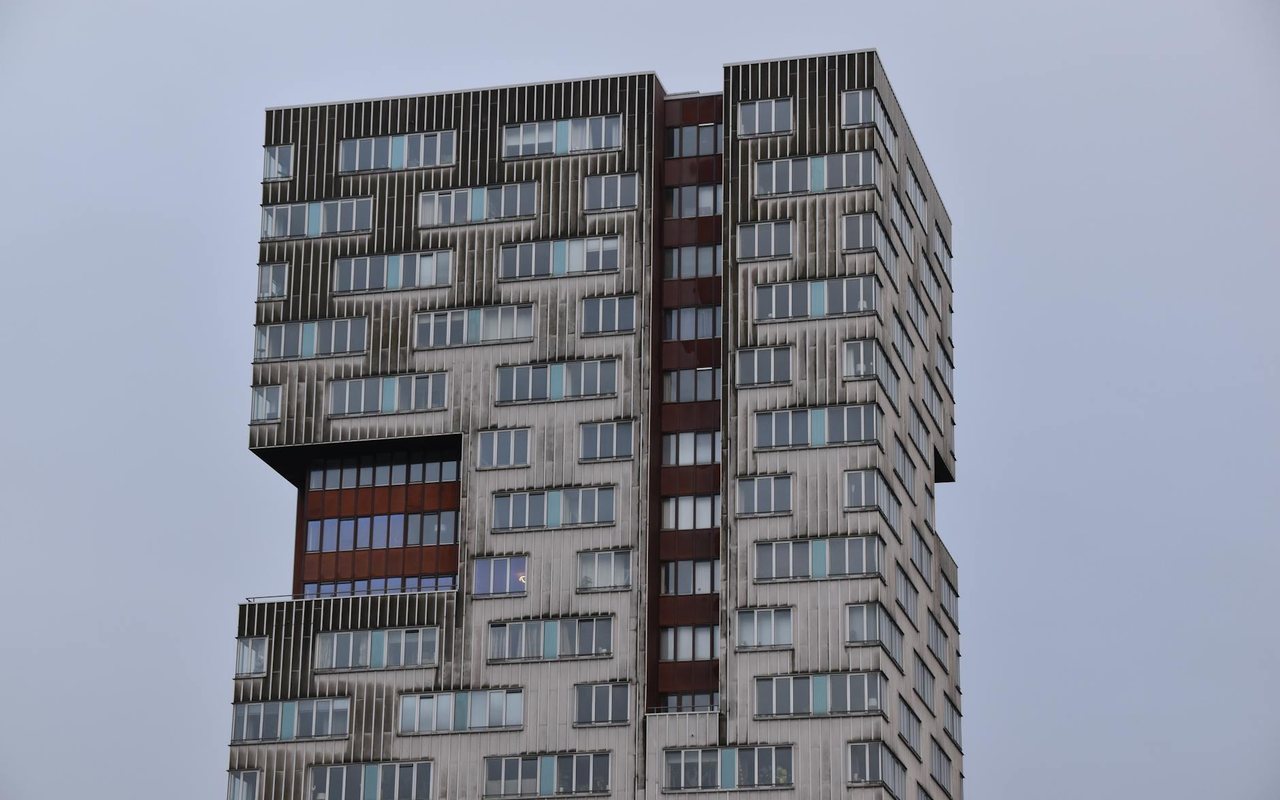
Legal approval for a collective renovation project requires a qualified majority at the owners' assembly. Depending on whether works affect common areas or the building's structure, different levels of consensus may be required—some changes need only a simple majority, while others (such as facade or structural works) may require a three-fifths majority or even unanimity depending on the bylaws and applicable law. Before calling the vote, ensure legal clarity exists; a lawyer specialising in property management communities can clarify what majority you need and how to present the proposal correctly in the minutes. It is also critical to establish how the works will be financed: through an extraordinary levy on all owners? Collective financing? Seeking public subsidies or credit? These financial decisions must be voted on before committing to contractors.
Financial barriers are the main reason many renovations do not progress. Although European funds and regional grants exist, direct access to finance remains limited and fragmented. Small and medium-sized construction enterprises (SMEs) typically work project by project without coordination, which drives up costs. A growing strategy is for communities to group with others to strengthen purchasing power, or seek integrated renovation companies that manage multiple buildings. The role of specialised financial and legal support is crucial: these professionals can help you identify what financing is available for your type of work, how to structure payment without overburdening owners with limited resources, and how to ensure everyone understands the personal financial impact.
Common barriers and how to overcome them
The BUILD UP research (March 2026) identifies three key obstacles in Spanish collective renovation: limited collective management capacity, fragmented availability of construction SMEs, and weak access to financing. Collective management capacity means many communities lack in-house skills to coordinate a large project: they have no one to draft technical specifications, oversee tenders or verify that work meets standards. The solution is to hire an experienced technical manager or project administrator who acts as an intermediary between the community and contractors, translating collective decisions into executable actions.
The fragmentation of construction SMEs compounds costs and quality. When a community needs, for example, facade refurbishment, window replacement and insulation improvement, these may require three different companies with no coordination, prolonging the project and creating inefficiencies. To overcome this, seek integrated renovation or general contracting firms that can subcontract specialties under a single management and responsibility framework. Finally, access to financing: while we cannot cite specific subsidy programmes without current official data, banking credit options exist for communities, and legal support can help you structure payments in phases as work progresses. Some banks offer preferential terms for energy-efficiency renovation, especially if there is a certified energy audit.
Practical solutions: facade, insulation, lifts and more
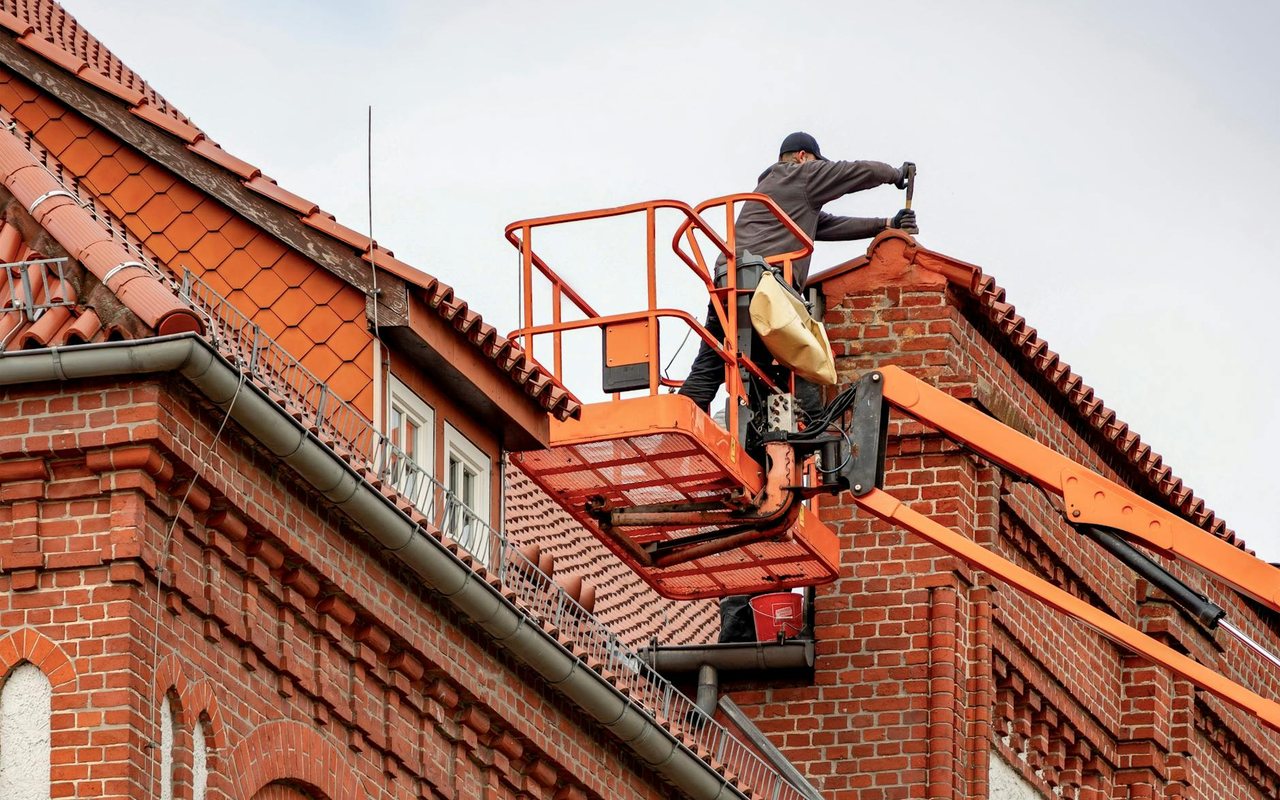
When a community decides to renovate collectively, it often begins with one of these four main interventions. **Facade works**: include crack repair, leak sealing, cladding replacement and aesthetic improvement. Cost varies widely depending on condition and building size, but complete facade rehabilitation in a medium-sized building may range from €80,000 to €250,000, spread among owners. **Insulation improvement**: window replacement, roof insulation and external enclosures significantly improve energy performance. Costs are similar but the return is more tangible: reductions of 20–40% in heating and cooling costs. **Lift installation or renovation**: common in older buildings with obsolete lifts. A complete modernisation may cost €40,000–€100,000 depending on the upgrade required, but dramatically improves accessibility and building value.
For each intervention, sequencing matters. Many communities start with energy improvement (windows, insulation, heating systems) because it generates operational savings that can help fund the next phase. They then tackle facade and structure. Lifts and accessibility are usually a legal priority if there are elderly or disabled residents. In all cases, hiring an independent technician to inspect and certify the work completes the process. Transparency—sharing budgets, timelines and decisions with all owners regularly—is key to maintaining support and avoiding conflict during execution. Many communities have discovered that organising guided building tours during the diagnosis phase helps create awareness and genuine consensus among neighbours about the need for renovation.
Technical, legal and financial support: where to find help
The success of collective renovation depends largely on surrounding yourself with the right experts. **Technical support**: you need an architect or engineer to carry out a certified energy audit, inspect the structure and provide clear technical specifications. These people should be independent of the contractor to ensure their recommendations serve the community's interest, not the builder's. Bodies such as professional colleges and property management associations can recommend trusted technicians in your area. **Legal support**: a lawyer specialising in property management law should review your bylaws, advise on majorities needed, draft correct assembly resolutions and ensure the contracting process is transparent and lawful. This protects the community from subsequent litigation.
**Financial support**: a bookkeeper or financial adviser can structure how the extraordinary levy is collected, whether bank credit is needed or how to access public or European funds. It is also useful to seek information on financing options specific to your autonomous community, as each region has different support programmes. Finally, consider whether your community needs a **project administrator or manager**: someone to coordinate the work of the technician, lawyer, builder and other suppliers, ensuring the project advances according to agreed timeline and budget. While this adds an initial cost, it usually saves money and problems in the long run. Many local administrations also offer free or low-cost advice on collective renovation through energy offices, urban sustainability programmes or consumer associations.
Checklist: key steps to start your collective renovation
Follow this sequence to progress in a structured way toward your collective renovation project.
- 1Commission a comprehensive technical diagnosisStep 1: Independent technical diagnosis
Hire an independent architect or engineer to conduct a certified energy audit, facade inspection, assessment of common installations and accessibility analysis. This document serves as the basis for all subsequent decisions.
- 2Seek legal advice on majorities and procedureStep 2: Specialised legal advice
A lawyer specialising in property management communities should clarify what majority is required to approve each type of work, review your community's bylaws and advise on how to call assemblies and record resolutions correctly.
- 3Organise an information and consensus assemblyStep 3: Communication and consensus building
Present the technical diagnosis to all owners, answer questions and build consensus on renovation priorities. This assembly should not vote yet, only inform and listen to objections. It helps create genuine support before requesting binding decisions.
- 4Define financing and cost structureStep 4: Clear financial structure
Working with a financial adviser or administrator, determine how the works will be financed (extraordinary levy, bank credit, public grants, etc.), calculate the cost per dwelling and explain the personal financial impact for each owner. Total transparency is essential.
- 5Call formal voting assembly with precise resolutionsStep 5: Formal voting and minutes
Once informed and advised, call an extraordinary assembly to vote on each intervention separately. Ensure resolutions are precisely drafted legally, include budgets, timelines and contracting procedure details. Draw up a notarised record if necessary.
- 6Hire supervised technicians, lawyers and contractorsStep 6: Supervised execution and continuous communication
With assembly approval, hire a project administrator or technical manager to coordinate tendering, select contractors and supervise work execution. Establish regular inspections, phased payments according to progress and quality guarantees. Maintain transparent communication with all owners during execution.
Frequently asked questions about collective renovation
How much does a typical collective renovation cost for a 20-dwelling building?
What majority do I need to approve a collective renovation?
Are there public grants for collective renovation?
What happens if an owner refuses to pay their share of the renovation?
How long will a typical collective renovation take?
Related guides and reading
To turn this article into a renovation plan, start with What Is the Price of an Energy Certificate and How to Request It and compare it with How Much Does It Cost to Insulate a House? and Prices for Installing Air Source Heat Pumps per m² in 2025. These internal guides help separate budget, permits, technical checks and optional upgrades before you speak with contractors.
For wider context, continue with Renovating buildings with old lifts: accessibility and grants. Reading related articles together makes the Reformia journal work as a planning path rather than isolated posts.

You may also like
Show All Articles
Energy-saving auctions and building renovation: MITECO's September 2026 proposal
MITECO has opened a proposed reform of Spain's energy-saving certificate system, including savings auctions. What communities and firms can prepare without treating it as approved funding.
Subscribe to our newsletter
And get a weekly digest of projects, bidding tips, and key platform updates straight to your inbox.

Energy audit for an Alicante apartment community: how to prioritise renovation
Before voting on windows, facade or heat pumps, turn bills, building condition and savings scenarios into a roadmap the community can compare.
Energy savings certificates and community facade insulation: what changed in the 2026 catalogue
The June 2026 update to standard measures affects how some envelope retrofits in residential buildings are documented.
Building logbook for an Alicante community: how to prepare it before rehabilitation
The Building Logbook stops being a forgotten document when a community needs to organise maintenance, design, efficiency, accessibility and funding.
Thermal imaging in a Costa Blanca home: studying damp and insulation before renovation
A thermal camera provides temperature patterns, not an automatic diagnosis. Learn when to use it, the conditions it needs and how to turn findings into measurable renovation work.
Energy-saving auctions and building renovation: MITECO's September 2026 proposal
MITECO has opened a proposed reform of Spain's energy-saving certificate system, including savings auctions. What communities and firms can prepare without treating it as approved funding.
Energy audit for an Alicante apartment community: how to prioritise renovation
Before voting on windows, facade or heat pumps, turn bills, building condition and savings scenarios into a roadmap the community can compare.
Energy savings certificates and community facade insulation: what changed in the 2026 catalogue
The June 2026 update to standard measures affects how some envelope retrofits in residential buildings are documented.
Subscribe to our newsletter
And get a weekly digest of projects, bidding tips, and key platform updates straight to your inbox.
Building logbook for an Alicante community: how to prepare it before rehabilitation
The Building Logbook stops being a forgotten document when a community needs to organise maintenance, design, efficiency, accessibility and funding.
Thermal imaging in a Costa Blanca home: studying damp and insulation before renovation
A thermal camera provides temperature patterns, not an automatic diagnosis. Learn when to use it, the conditions it needs and how to turn findings into measurable renovation work.
Energy-saving auctions and building renovation: MITECO's September 2026 proposal
MITECO has opened a proposed reform of Spain's energy-saving certificate system, including savings auctions. What communities and firms can prepare without treating it as approved funding.
Energy audit for an Alicante apartment community: how to prioritise renovation
Before voting on windows, facade or heat pumps, turn bills, building condition and savings scenarios into a roadmap the community can compare.
Subscribe to our newsletter
And get a weekly digest of projects, bidding tips, and key platform updates straight to your inbox.
Energy savings certificates and community facade insulation: what changed in the 2026 catalogue
The June 2026 update to standard measures affects how some envelope retrofits in residential buildings are documented.
Building logbook for an Alicante community: how to prepare it before rehabilitation
The Building Logbook stops being a forgotten document when a community needs to organise maintenance, design, efficiency, accessibility and funding.
Thermal imaging in a Costa Blanca home: studying damp and insulation before renovation
A thermal camera provides temperature patterns, not an automatic diagnosis. Learn when to use it, the conditions it needs and how to turn findings into measurable renovation work.