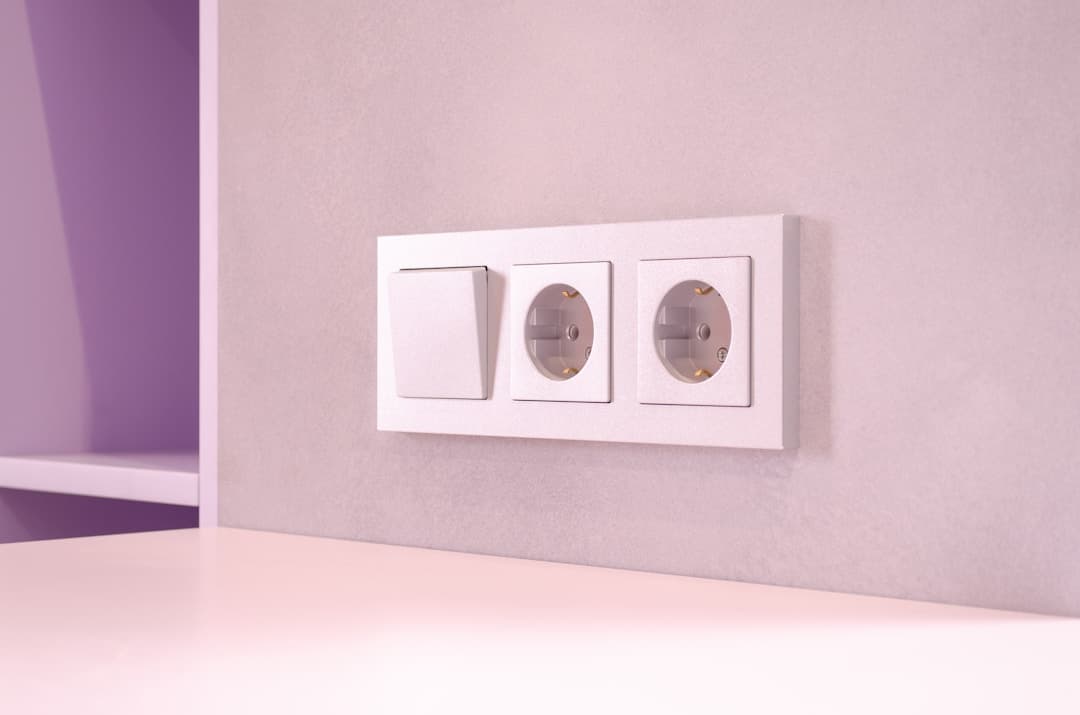
What Is the Cost of Electrical Installation in a Home?
The average cost of electrical installation in a residential property will vary depending on the size of the property and the number of lighting points and outlets. On average, a 90 m² apartment can be around 2,000 €, while a 120 m² home could reach around 3,000 €.
The amounts are indicative and come from the original imported guide. The final budget depends on the scope, materials, and previous condition of the space.
Last reviewed
August 2026
Edited by: Luis Rodenas
Pricing method
Indicative ranges are compared by scope, measurements, materials, labour, permits, VAT and contingency.
Alicante context
Confirm access, community rules, salt-air exposure and municipal requirements before accepting a quote.
Service Levels and Pricing
Compare the different options available based on your home size and electrical installation complexity.
Basic
Complete electrical installation in small homes up to 60 m². Includes basic circuits, distribution panel, and essential lighting and outlet points.
Standard
Standard electrical installation for apartments and homes of 80-120 m². The most popular option that includes differentiated circuits, good point distribution, and full regulatory compliance.
Premium
Complete and advanced electrical installation for large homes of 140+ m². Includes smart systems, specialized circuits, and basic home automation.
Share your project details and get free contact with professionals who work on similar projects.
Prices for electrical installation in a home
See what homeowners usually pay for the most common tasks. Use these ranges to fine-tune your scope and avoid missing key items in your budget.
Complete electrical installation in a single-family home
3,500 €
Complete electrical installation in an apartment
2,300 €
Electrical and plumbing installation in a home
5,200 €
Installation of light outlets and electrical outlets
2,800 €
Electrical installation expansion
1,500 €
Special requirements for electrical installations in kitchens and bathrooms with Reformia
The average cost of doing electrical installation in a home will vary depending on the size of the property and the number of light points and outlets. On average, in a 90 m² apartment it can be around 2,000 €, while in a 120 m² home it could approach 3,000 €.

1. In the case of bathrooms, the Low Voltage Electrical Regulations (REBT) establishes limitations depending on the bathroom area:
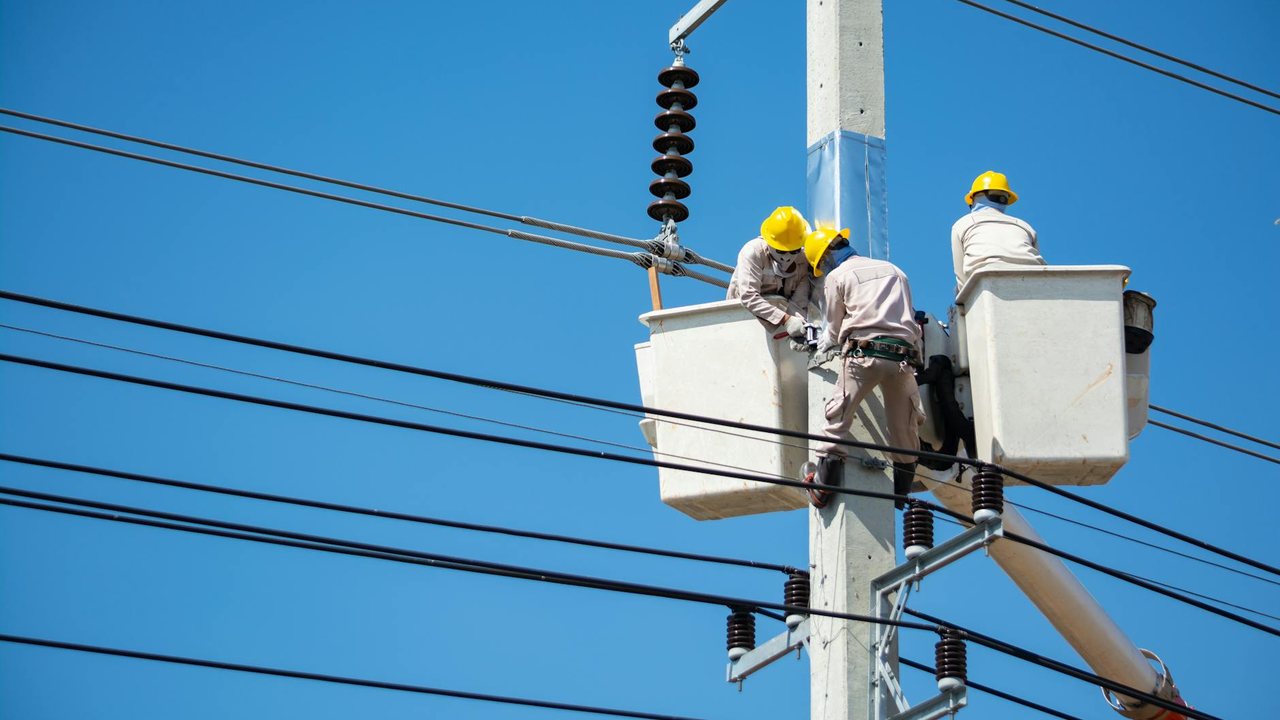
2. For its part, the electrical installation in kitchens must also comply with a series of basic requirements:
The average cost of doing electrical installation in a home will vary depending on the size of the property and the number of light points and outlets. On average, in a 90 m² apartment it can be around 2,000 €, while in a 120 m² home it could approach 3,000 €.
What is usually included in a quote
Each professional may structure quotes differently, but most project budgets follow this logic.
Typically included
Often not included
Steps to install electrical wiring in your home
The average cost of doing electrical installation in a home will vary depending on the size of the property and the number of light points and outlets. On average, in a 90 m² apartment it can be around 2,000 €, while in a 120 m² home it could approach 3,000 €.
1. Get quotes from several electricians
Contact at least three electricians specializing in residential electrical installations to get comparative quotes. Prices vary significantly based on complexity, ranging from 2,200 € to 9,000 €, with an average of 5,300 €. Request details about materials, timelines, and warranty to make an informed decision.
2. Assess the current state of the installation
The electrician must inspect the existing electrical installation to identify deficiencies, deteriorated wiring, or insufficient capacity. This evaluation determines whether you need a complete installation or just an expansion, directly affecting the final budget. A complete single-family home installation may cost between 2,000 € and 5,500 € depending on its condition.

3. Determine the necessary lighting points and outlets
Plan the quantity and location of light outlets and power sockets based on your comfort and safety needs in each room. Modern building codes require proper distribution to avoid overload. Your budget may increase significantly if you substantially expand the number of connection points.

4. Design the electrical plan with the professional
Work with the electrician to create a detailed plan specifying circuits, protections, wire gauges, and general distribution. This document is essential for obtaining municipal permits and ensuring a safe, code-compliant installation. A well-designed plan prevents additional costs and future repairs.
What can change your final price
Even similar projects can end with different budgets. These are the factors that most often push costs up or down.
Home size and square footage
The number of square meters determines the amount of wiring, piping, and connection points needed. A larger home requires more materials and labor time, significantly increasing the final budget.
Number of light fixtures and outlets
Each light fixture, outlet, and switch adds to the installation cost. Modern homes require more independent circuits than older ones, which directly impacts the total price.
Installation type: new or retrofit
A new installation during construction is cheaper than a retrofit in an occupied home, where walls must be broken, conduits installed, and repairs made afterward. Retrofits can cost 30-50% more than new construction installations.
Technical complexity and regulations
If the home requires a more powerful electrical panel, reinforced grounding, or compliance with special regulations (such as sustainable homes), the cost increases. Access to the main distribution box also plays a role.
Next step
Use "What Is the Cost of Electrical Installation in a Home?" to prepare a short brief before requesting quotes: current condition, must-have scope, optional upgrades, access constraints and timing. Then compare it with Electricians price guides so each contractor proposal covers the same work.
Factors that influence the cost of electrical installation in a house
The average cost of doing electrical installation in a home will vary depending on the size of the property and the number of light points and outlets. On average, in a 90 m² apartment it can be around 2,000 €, while in a 120 m² home it could approach 3,000 €.
The cost of electrical installation in a home will depend on several factors such as the size of the property and the elements that make up the installation.
Regulations for new electrical installations according to REBT
The average cost of doing electrical installation in a home will vary depending on the size of the property and the number of light points and outlets. On average, in a 90 m² apartment it can be around 2,000 €, while in a 120 m² home it could approach 3,000 €.
Factors that affect the price
In the case of weatherproof boxes, necessary to protect electrical connections outdoors, prices vary depending on the type and associated elements:
- The distribution panel with automatic general switch, differential switch, and surge limiter starts from 300 €.
- A two-unit multi-purpose outlet circuit costs from 130 € onwards.
- The kitchen circuit, including oven, cooktop, dishwasher, and washing machine adds at least another 150 € to the budget. The circuit for the refrigerator or water heater will add between 30 € and 60 € more.
- An air conditioning circuit for two units starts from 150 €.
It is the Low Voltage Electrotechnical Regulations (REBT) that establishes all the requirements that a new electrical installation must meet. This regulation does not only refer to residential properties, but regulates all types of electrical installations in shops, garages, swimming pools, outdoor lighting, and even operating rooms.
In general terms it establishes the following:
- Service connections: only personnel from electrical companies or authorized installers are qualified to handle them or perform work on them.
- Light panel: should be as close as possible to the entry of the main branch, near the house's access door and at a height between one and a half and two meters from the ground.
- Lines and branches: must have an automatic switch that can be operated manually. The so-called PIAs protect against short circuits and overloads.
- Conductors and conduits: The REBT leaves nothing to improvisation and specifies from the diameter of the conduits to the colors of the different cables according to their function. Conductors must be made of copper.
A platform built equally for homeowners and professionals
Whether you're planning a renovation or looking for your next project, Reformia gives both sides the tools to connect, compare, and collaborate with confidence.
For individuals
For professionals


You may also like

AI for construction documentation: photos, site notes and estimates with control
The most practical AI use in renovation is not autonomous construction: it is organising photos, changes, notes and traceable estimates.
Read article
Alicante home affordability is tighter: when renovating is the better option
Alicante's Chamber of Commerce warns of more pressure on housing access. How to decide between renovated, fixer-upper or improving your current home.
Read article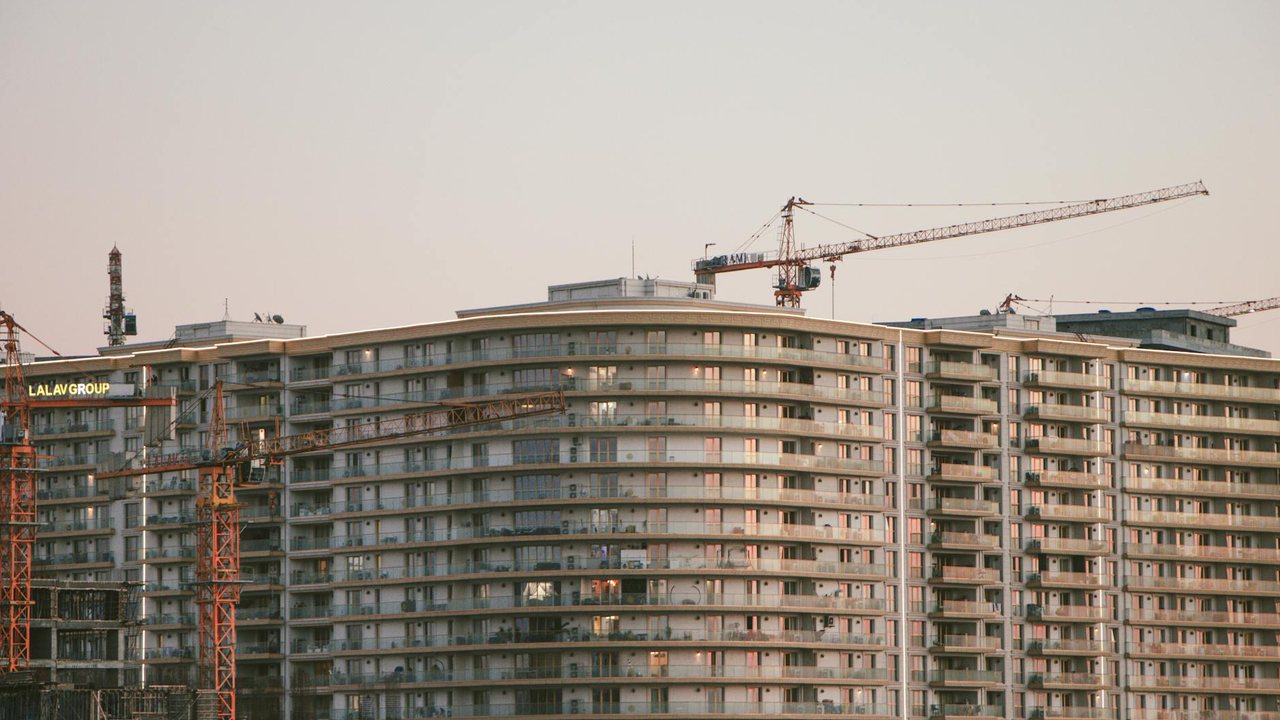
Alicante construction boom: what it means for home renovation
Alicante started 2026 with record new-housing figures. Here is how that affects prices, timelines, labour and renovation decisions.
Read articleFrequently Asked Questions

How much does a complete electrical installation cost in a new house?
The cost of a complete electrical installation in a new home depends mainly on its size and complexity. For a 90 m² apartment, the average price is around 2,000 €, while in a 120 m² house it can reach 3,000 €. In larger homes of 150 m² or more, the budget can exceed 4,000-5,000 € depending on the number of lighting points, outlets, and circuits needed.
What work is included in a new residential electrical installation?
A complete electrical installation includes the laying of conduits and wiring, installation of the main control panel, lighting and outlet circuits, specialized power outlets for kitchen and bathroom, as well as protection systems and grounding. It also covers all functional tests and the request for a compliance certificate from the competent authorities.
How long does a residential electrical installation take?
The execution time for a complete electrical installation varies depending on the size of the home, but generally ranges between 2 and 4 weeks. In a small 90 m² apartment, around 10-15 working days may be needed, while in a larger 120-150 m² house the timeline can extend to 3-4 weeks, including inspections and administrative procedures.
Do I need special permits for a new electrical installation in my house?
Yes, any new electrical installation in a home must be carried out by a licensed electrician and must comply with the Low Voltage Electrotechnical Regulations (REBT). It is mandatory to request a technical inspection from the competent authority in your region and obtain the corresponding compliance certificate before the installation can be used.
How do I choose a good electrician for my home's electrical installation?
It is essential that the electrician is registered with the professional association in your province and has proven experience in residential installations. Request detailed quotes from different professionals, verify that they include all necessary work and ensure regulatory compliance. It is also recommended to check references from previous projects and confirm that they have the required civil liability insurance.
Got more questions? Contact us!
Got more questions? Contact us!
Frequently Asked Questions
How much does a complete electrical installation cost in a new house?
The cost of a complete electrical installation in a new home depends mainly on its size and complexity. For a 90 m² apartment, the average price is around 2,000 €, while in a 120 m² house it can reach 3,000 €. In larger homes of 150 m² or more, the budget can exceed 4,000-5,000 € depending on the number of lighting points, outlets, and circuits needed.
What work is included in a new residential electrical installation?
A complete electrical installation includes the laying of conduits and wiring, installation of the main control panel, lighting and outlet circuits, specialized power outlets for kitchen and bathroom, as well as protection systems and grounding. It also covers all functional tests and the request for a compliance certificate from the competent authorities.
How long does a residential electrical installation take?
The execution time for a complete electrical installation varies depending on the size of the home, but generally ranges between 2 and 4 weeks. In a small 90 m² apartment, around 10-15 working days may be needed, while in a larger 120-150 m² house the timeline can extend to 3-4 weeks, including inspections and administrative procedures.
Do I need special permits for a new electrical installation in my house?
Yes, any new electrical installation in a home must be carried out by a licensed electrician and must comply with the Low Voltage Electrotechnical Regulations (REBT). It is mandatory to request a technical inspection from the competent authority in your region and obtain the corresponding compliance certificate before the installation can be used.
How do I choose a good electrician for my home's electrical installation?
It is essential that the electrician is registered with the professional association in your province and has proven experience in residential installations. Request detailed quotes from different professionals, verify that they include all necessary work and ensure regulatory compliance. It is also recommended to check references from previous projects and confirm that they have the required civil liability insurance.