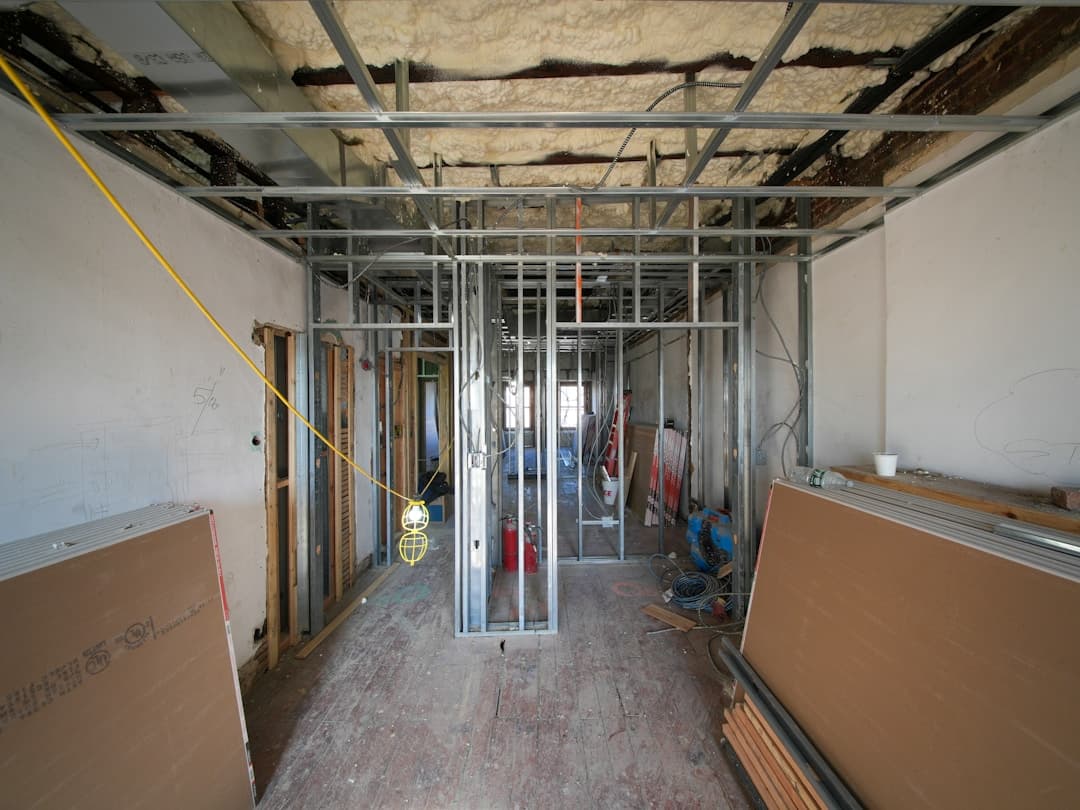
How Much Does It Cost to Insulate a House?
The investment needed for thermal insulation can vary depending on factors such as the element to be protected, the level of insulation required, and the technique employed.
These amounts are estimates and come from the original imported guide. The final budget depends on scope, materials, and the space's prior condition.
Last reviewed
August 2026
Edited by: Kike Álvarez
Pricing method
Indicative ranges are compared by scope, measurements, materials, labour, permits, VAT and contingency.
Alicante context
Confirm access, community rules, salt-air exposure and municipal requirements before accepting a quote.
Service Levels and Pricing
Compare the different options available based on your budget and thermal insulation needs.
Basic
Targeted insulation in specific areas using standard materials. Ideal for improving comfort in particular zones without major investment.
Standard
Complete insulation of facades, roofs, or large spaces with mid-to-high quality materials. The most popular option for significantly improving energy efficiency.
Premium
Complete home insulation with high-performance materials and advanced techniques. Maximum energy efficiency and guaranteed heating savings.
Share your project details and get free contact with professionals who work on similar projects.
Prices for thermal insulation
See what homeowners usually pay for the most common tasks. Use these ranges to fine-tune your scope and avoid missing key items in your budget.
Spray polyurethane foam
950 €
Cork board insulation
5,000 €
Thermal insulation with rock wool
1,500 €
Thermal insulation with cellulose
3,000 €
Thermal insulation with extruded polystyrene
1,250 €
What to consider when choosing a thermal insulator for a home or shop with Reformia
The investment needed to do thermal insulation can vary depending on factors such as the element to be protected, the level of insulation required, or the technique used.

1. Composition of the insulating material
The materials used to make thermal insulation can have very diverse composition. These distinctive characteristics will make both their use and the format in which they are applied or installed different.
2. Format of the insulation
Depending on the material and the way thermal insulation is to be done, different formats can be chosen:

3. Density of the material
Density refers to the weight per m³ of material, and is conditioned, in turn, by the air cavities or encapsulated gas inside it. In this sense, insulators are distinguished between light, medium and hard. However, although density can affect thermal conductivity, it does not mean that a denser material insulates better.
The investment needed to do thermal insulation can vary depending on factors such as the element to be protected, the level of insulation required, or the technique used.
What is usually included in a quote
Each professional may structure quotes differently, but most project budgets follow this logic.
Typically included
Often not included
Steps to Insulate a House
The investment needed to do thermal insulation can vary depending on factors such as the element to be protected, the level of insulation required, or the technique used.
1. Assess the current insulation condition
Thoroughly inspect your home to assess the current insulation quality in walls, ceilings, and floors. This initial diagnosis is essential to understand where thermal losses occur and establish an improvement strategy. A specialist can identify deficiencies that directly affect the final budget, ranging from 800 € to 20,000 € depending on scope.
2. Identify areas with heat loss
Locate critical areas where heat escapes or cold enters, such as window frames, wall junctions, and service penetrations. These zones are priorities for effective and economical home insulation. Prioritizing repairs can significantly reduce costs, avoiding unnecessary investments in areas that function properly.
3. Choose the type of insulation material
Choose from options like fiberglass, expanded polystyrene, polyurethane foam, or natural materials based on your needs and budget. Each material has specific thermal and acoustic insulation properties. Material cost varies significantly, from 12 € to 200 € per square meter, depending on selected quality and thickness.
4. Request quotes from professionals
Contact at least three specialized insulation companies to obtain detailed quotes reflecting your specific project. Require that each offer includes materials, labor, and warranties. Prices range from basic level (800 € - 2,500 €) to premium (9,000 € - 20,000 €), depending on scope and techniques applied.
What can change your final price
Even similar projects can end with different budgets. These are the factors that most often push costs up or down.
Type of element to insulate
The cost varies significantly depending on whether you insulate the roof, walls, basement, or pipes. Each element requires different materials and techniques, directly affecting the final budget.
Selected insulation material
Prices differ between rock wool, fiberglass, expanded polystyrene, cork, or polyurethane foam. The quality and properties of the chosen material determine thermal efficiency and total cost.
Surface area to insulate
The square meters of the area to be protected is decisive in calculating the budget. The larger the surface area, the more material and labor hours are required.
Accessibility and work complexity
The difficulty in accessing the area to be insulated, the need for scaffolding, or the presence of existing installations increase execution time and cost.
Next step
Use "How Much Does It Cost to Insulate a House?" to prepare a short brief before requesting quotes: current condition, must-have scope, optional upgrades, access constraints and timing. Then compare it with Insulation price guides so each contractor proposal covers the same work.
How much does it cost to thermally insulate a property?
The investment needed to do thermal insulation can vary depending on factors such as the element to be protected, the level of insulation required, or the technique used.
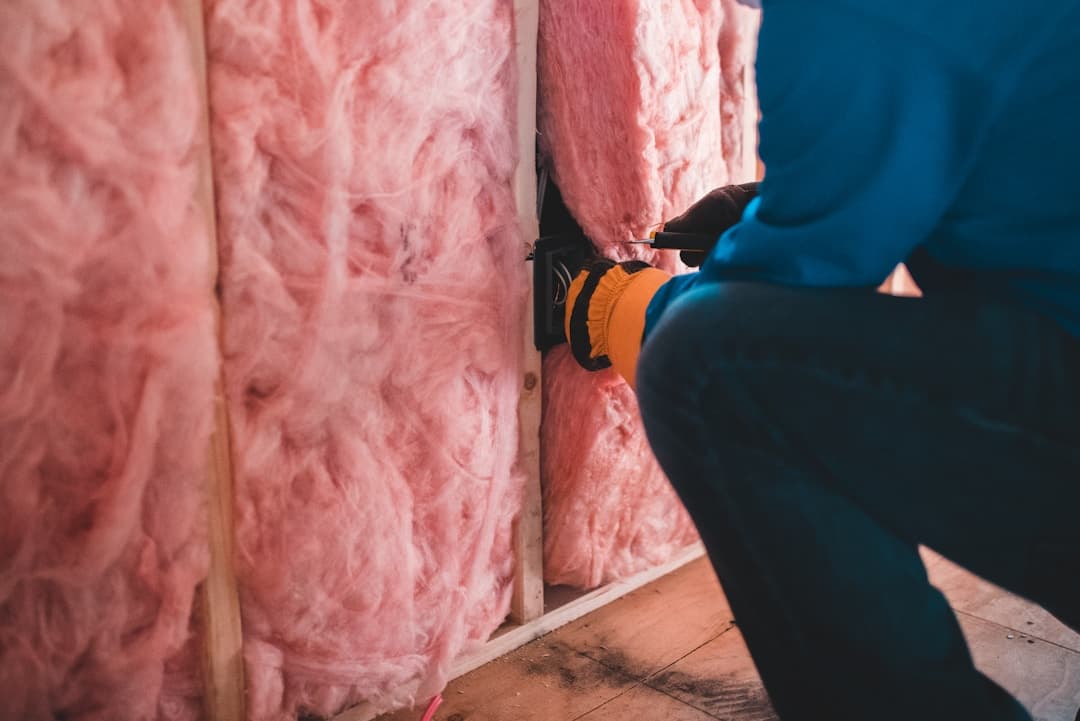
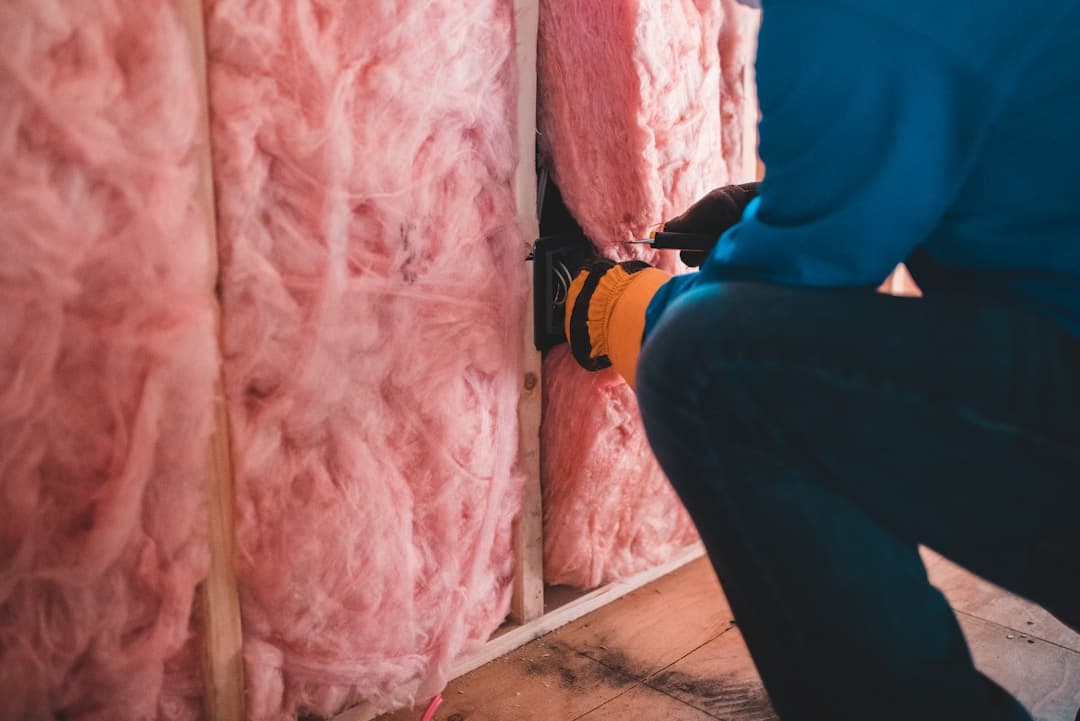
In properties of any kind, thermal insulation is the method used to prevent the exchange of temperatures between the exterior and interior. It basically consists of placing materials with low thermal conductivity in different building elements.
How much does it cost to thermally insulate a property?
The investment needed to do thermal insulation can vary depending on factors such as the element to be protected, the level of insulation required, or the technique used.
The systems used to achieve good thermal insulation of a house, building, shop or industry are different depending on the level of protection desired or where the insulating material is to be placed. Moreover, this insulation can be placed on the interior or exterior on floors, walls, facades or roofs and coverings.
Nowadays, due to energy efficiency criteria, regulations require that both in new construction and renovations, minimum levels of insulation are guaranteed. It is an important matter, as a good thermal insulation system in a home allows energy savings of over 30% and can reach 70%, as long as it is accompanied by other measures to avoid thermal bridges in other elements of the property.
- SATE system: it is an external thermal insulation system for facades, which consists of placing an insulating material adhered to the wall. Expanded or extruded polystyrene, rock wool or expanded polystyrene with graphite are used in it. The average SATE price per m² is around 70 - 80 €/m².
- False walls: it is a type of insulation carried out both on the internal side of an exterior wall and on either side of interior walls. It consists of the installation of insulating panels, adhered or attached with structure, made of materials such as rock wool, cellulose or polystyrene. Its price ranges from 20 € to 40 €/m² on average, depending on the system chosen.
- Thermal insulation injection: in this case the insulating material is injected to fill the air cavities of external walls or hollow surfaces under the roof. Polyurethane foam, rock wool or graphite beads are mainly used for this. This insulation can be injected both from inside the properties and from the exterior. Its cost ranges from 18 - 25 €/m².
- Sprayed thermal insulation: in this case, the insulation is applied directly to the wall using guns that spray it under pressure. It is a system mainly used on party walls exposed to the weather, although it can also be used on floors and on the interior side of walls and roofs. The price starts from about 7 € - 10 €/m², but can increase depending on the thickness of the layer applied.
This greater energy efficiency has a consequence: greater interior comfort, as it is possible to maintain optimal temperatures with much lower spending. And beyond that, it also increases the value of the property in case it is to be put on the real estate market.
Thermal insulation techniques
Factors affecting price
- Ventilated facades: it is the most effective system for thermal insulation of a home or building. It consists of fixing the insulating material (fiberglass, mineral wools or polystyrene) to the facade and then placing an exterior coating that can be wood, ceramic or stone. Between the facade and the coating there is an air chamber that creates a chimney effect, preventing both heat transmission and condensation. It is the most expensive system, its price ranges from 100 € to 200 €/m², depending on the materials.
- Air cavities: it is an empty space left between two walls, either two interior walls or between the facade and the interior wall. It is the most traditional insulation system, but can cause condensation problems. To improve the energy efficiency of the home or building, it is common to inject them.
- Labor: the labor cost of an insulation installer can be between 18 € – 20 €/hour. Within a budget, the labor cost item can vary depending on the difficulties of the work, but in any case it would not be less than 20%.
- Surface condition: if the surface shows deterioration, it is advisable to repair it before proceeding to insulate it, regardless of the procedure chosen. The most common is to cover cracks and fissures (from 10/m²), but it may also be necessary to address moisture issues or level the surface.
A platform built equally for homeowners and professionals
Whether you're planning a renovation or looking for your next project, Reformia gives both sides the tools to connect, compare, and collaborate with confidence.
For individuals
For professionals

You may also like
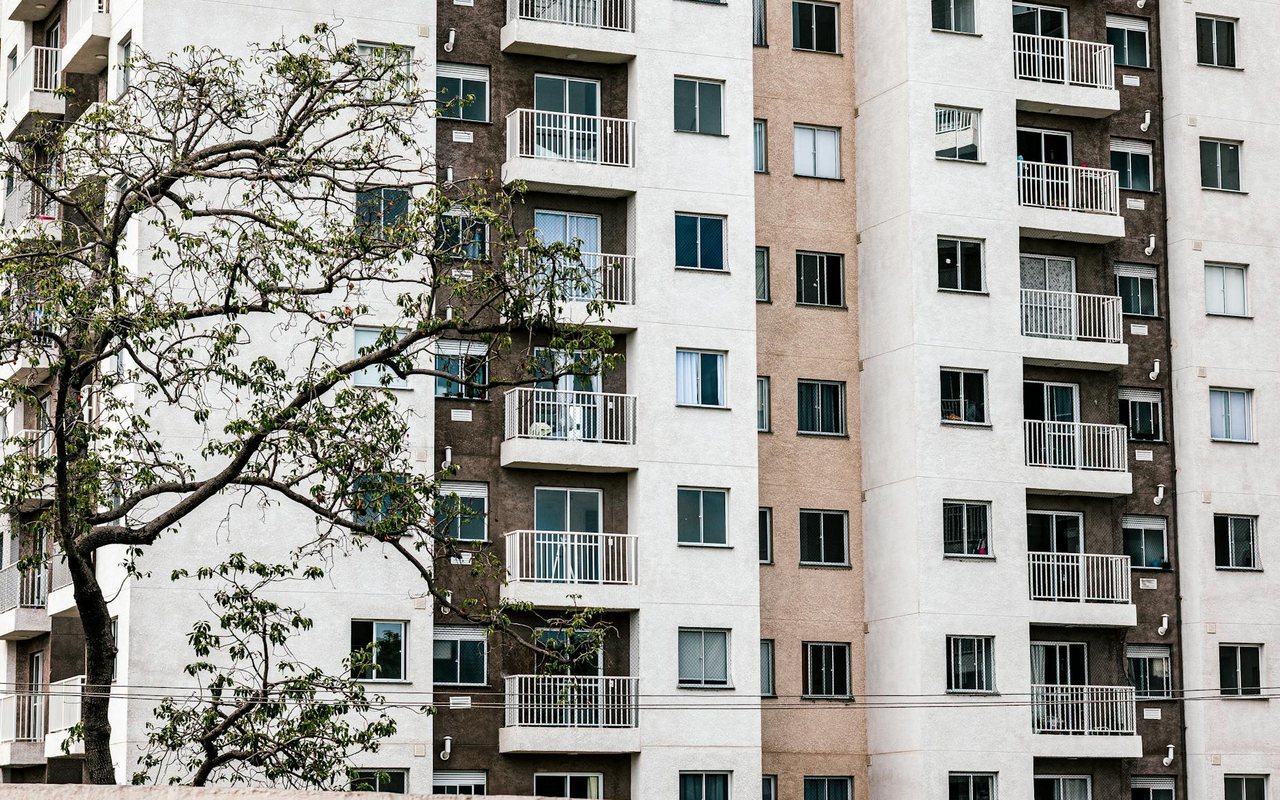
Collective renovation for apartment communities: how to unlock a whole-building retrofit
A practical guide for apartment communities that want to move from isolated repairs to a coordinated whole-building renovation with better timing, financing and outcomes.
Read article
Deep home renovation in Spain: what counts and when it pays off
What counts as deep renovation, when it makes sense to bundle insulation, windows, HVAC and accessibility work, and how to avoid an underpowered retrofit.
Read articleFrequently Asked Questions
How much does it cost to fully insulate a house?
The total cost to insulate a complete home ranges between 5,000 € and 25,000 €, depending on the size, climate zone, and elements to be insulated. If only walls and roof are insulated, the budget is typically 8,000-15,000 €, while adding windows, doors, and floors can significantly increase the investment. On average, the cost per square meter ranges from 25 € to 60 € depending on the type of material and technique used.
How long does thermal insulation of a home take?
The duration depends on the scope of the project, but generally ranges between 2 and 6 weeks. Partial insulation (roof or facade only) can be completed in 7-14 days, while comprehensive insulation may require 4-8 weeks. The timeframe also varies depending on weather conditions and the complexity of the home's structure.
What is included in a thermal insulation quote?
A complete quote should include the insulation material, labor, debris removal, and in many cases, carpentry and painting work. Some quotes do not include additional elements such as new window installation, crack repair, or moisture treatments, which should be requested separately. It is recommended to specify whether crack sealing and asbestos removal are included if the home is older.
How do I choose a thermal insulation specialist?
Look for companies with verifiable experience, energy efficiency certifications, and references from previous clients in Spain. Request at least 3 detailed quotes that specify materials, techniques, and guarantees offered. Verify that the professional has liability insurance and is up to date with construction regulations, such as the Building Technical Code.
Do I need a permit or authorization to insulate my home?
In most cases, interior insulation work does not require a municipal permit, but structural modifications or facade changes do. We recommend consulting with your local town hall, as regulations vary by autonomous community. Many regions offer subsidies for energy improvements, so it is important to gather information before starting the work.
Got more questions? Contact us!
Got more questions? Contact us!
Frequently Asked Questions
How much does it cost to fully insulate a house?
The total cost to insulate a complete home ranges between 5,000 € and 25,000 €, depending on the size, climate zone, and elements to be insulated. If only walls and roof are insulated, the budget is typically 8,000-15,000 €, while adding windows, doors, and floors can significantly increase the investment. On average, the cost per square meter ranges from 25 € to 60 € depending on the type of material and technique used.
How long does thermal insulation of a home take?
The duration depends on the scope of the project, but generally ranges between 2 and 6 weeks. Partial insulation (roof or facade only) can be completed in 7-14 days, while comprehensive insulation may require 4-8 weeks. The timeframe also varies depending on weather conditions and the complexity of the home's structure.
What is included in a thermal insulation quote?
A complete quote should include the insulation material, labor, debris removal, and in many cases, carpentry and painting work. Some quotes do not include additional elements such as new window installation, crack repair, or moisture treatments, which should be requested separately. It is recommended to specify whether crack sealing and asbestos removal are included if the home is older.
How do I choose a thermal insulation specialist?
Look for companies with verifiable experience, energy efficiency certifications, and references from previous clients in Spain. Request at least 3 detailed quotes that specify materials, techniques, and guarantees offered. Verify that the professional has liability insurance and is up to date with construction regulations, such as the Building Technical Code.
Do I need a permit or authorization to insulate my home?
In most cases, interior insulation work does not require a municipal permit, but structural modifications or facade changes do. We recommend consulting with your local town hall, as regulations vary by autonomous community. Many regions offer subsidies for energy improvements, so it is important to gather information before starting the work.