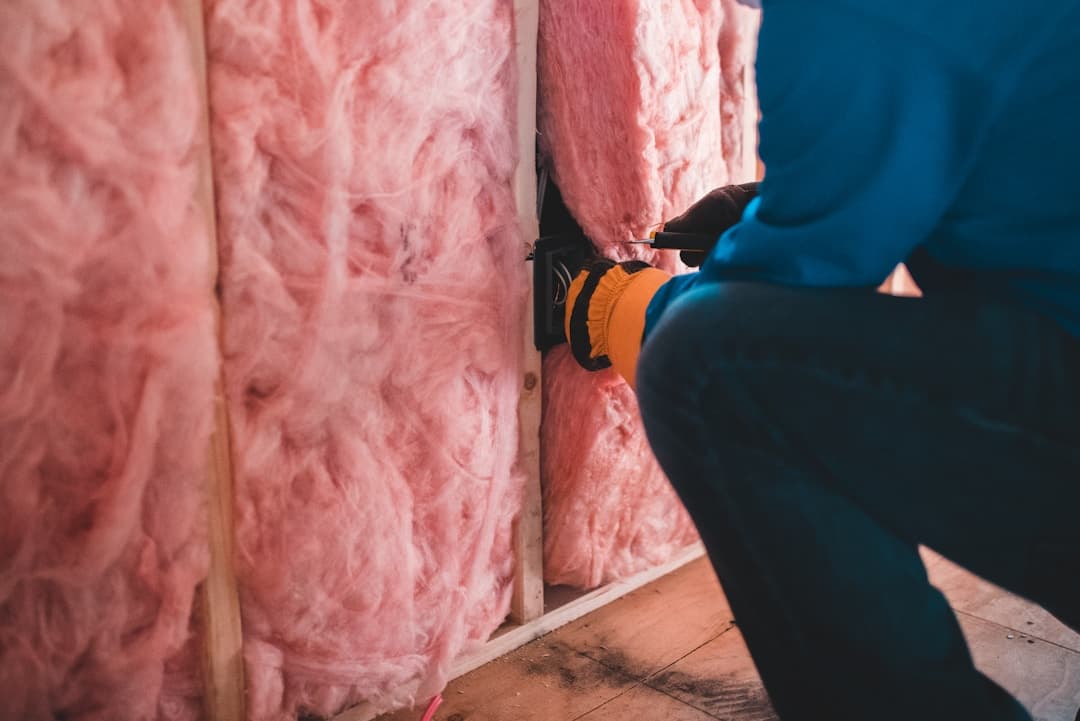
Prices and Quotes for Blown-In Thermal Insulation
Blown-in thermal insulation typically costs between 15 € - 25 €/m². The cost varies depending on the type of material blown in, quality, ease of access, and other factors.
These amounts are estimates and come from the original imported guide. The final budget depends on scope, materials, and the space's prior condition.
Last reviewed
August 2026
Edited by: Sonsoles Jiménez
Pricing method
Indicative ranges are compared by scope, measurements, materials, labour, permits, VAT and contingency.
Alicante context
Confirm access, community rules, salt-air exposure and municipal requirements before accepting a quote.
Service Levels and Pricing
Compare different options available based on your budget and needs for thermal insulation blowing in your home.
Basic
Thermal insulation blowing in small spaces or hard-to-reach areas with standard materials. Ideal for complementing existing insulation or minor renovations.
Standard
Complete thermal insulation solution for single-family homes with mid-range quality materials and moderate access. The most recommended option for value and quality.
Premium
High-efficiency thermal insulation with premium eco-friendly materials and complete service including finishes. Perfect for full renovations and maximum energy performance.
Share your project details and get free contact with professionals who work on similar projects.
Prices for blown-in thermal insulation
See what homeowners usually pay for the most common tasks. Use these ranges to fine-tune your scope and avoid missing key items in your budget.
Blow rock wool insulation
Blow cellulose insulation
Blow expanded polystyrene (EPS) beads
Blow granulated insulation
Blow mineral wool insulation
How is blown-in thermal insulation installed? Steps to follow with Reformia
Generally, sprayed thermal insulation costs between 15 € - 25 €/m². The cost varies depending on the type of material blown in, the quality, and the ease of access, among other factors.

1. Technical visit and endoscopic survey
To start the blowing-in process, the first step involves a visit from a specialized technician. This technician will carry out an endoscopic survey with which they can assess the condition of the air gap and determine which material is most appropriate based on the thickness level it has.
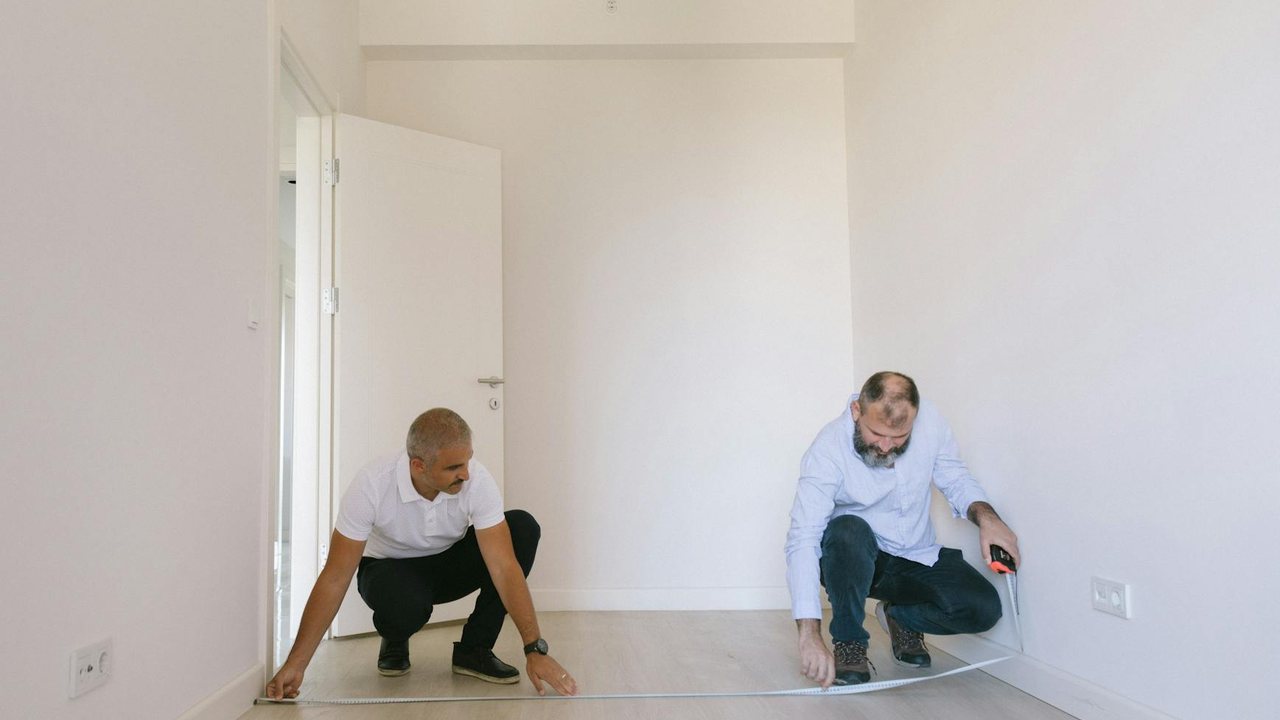
2. Making perforations in the facade
After verifying what type of insulation needs to be used, it is time to start the installation process. To do this, small perforations are made in the facade in strategic areas. They are made on the sides, above doors and windows, and also below them.

3. Blowing in the insulation into the air gap
Once the perforations are in place, the blowing-in work begins inside the air gap. Thanks to this system, an even distribution of the insulation throughout the gap is achieved. This way, the creation of thermal bridges is avoided.
Generally, sprayed thermal insulation costs between 15 € - 25 €/m². The cost varies depending on the type of material blown in, the quality, and the ease of access, among other factors.
What is usually included in a quote
Each professional may structure quotes differently, but most project budgets follow this logic.
Typically included
Often not included
How is blown-in thermal insulation installed? Steps to follow
Generally, sprayed thermal insulation costs between 15 € - 25 €/m². The cost varies depending on the type of material blown in, the quality, and the ease of access, among other factors.
1. Technical visit and endoscopic survey
To start the blowing-in process, the first step involves a visit from a specialized technician. This technician will carry out an endoscopic survey with which they can assess the condition of the air gap and determine which material is most appropriate based on the thickness level it has.
2. Making perforations in the facade
After verifying what type of insulation needs to be used, it is time to start the installation process. To do this, small perforations are made in the facade in strategic areas. They are made on the sides, above doors and windows, and also below them.
Through these perforations, the chosen material is distributed homogeneously to blow in the walls.
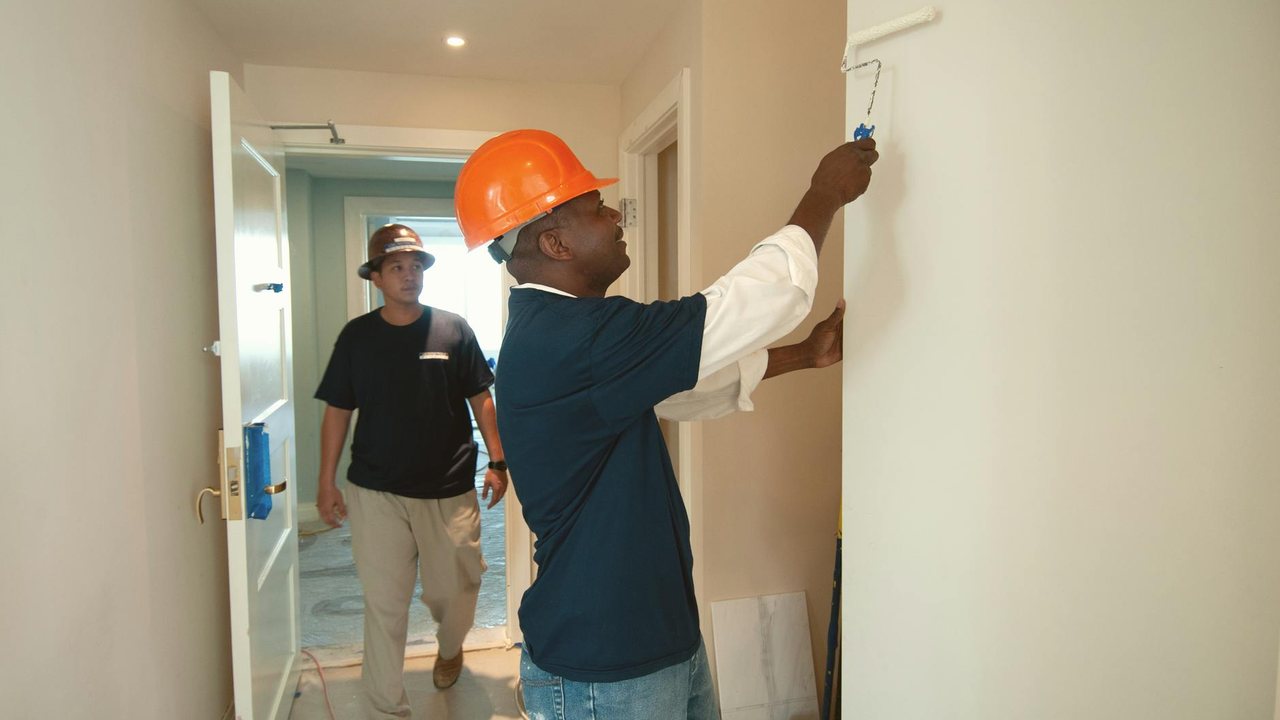
3. Blowing in the insulation into the air gap
Once the perforations are in place, the blowing-in work begins inside the air gap. Thanks to this system, an even distribution of the insulation throughout the gap is achieved. This way, the creation of thermal bridges is avoided.
It is a quick process that is completed in just a few hours. It is only necessary to take the precaution that the material completely fills the gap.
4. Sealing the perforations
Once the process of blowing in the selected material has been completed, the technician will proceed to seal the perforations that have been made in the wall. If they have been made in the joints of the bricks, no additional work will be necessary. If it is rendered walls, it will be necessary to paint with the same color as the facade.
What can change your final price
Even similar projects can end with different budgets. These are the factors that most often push costs up or down.
Type of insulation material
Price varies significantly depending on whether fiberglass, cellulose, polyurethane, or rock wool is used. Eco-friendly materials and higher-density options typically cost more than standard insulation.
Required thickness and density
Greater insulation thickness and higher material density result in increased product consumption and overall budget. Areas with higher thermal demand require thicker layers.
Accessibility and work complexity
Hard-to-reach areas, high ceilings, confined spaces, or areas with obstacles increase labor time and safety costs. Single-family homes are typically more economical than high-rise buildings.
Total surface area to insulate
Larger projects can benefit from economies of scale, reducing the price per square meter. Small or one-off jobs typically have higher unit costs.
Next step
Use "Prices and Quotes for Blown-In Thermal Insulation" to prepare a short brief before requesting quotes: current condition, must-have scope, optional upgrades, access constraints and timing. Then compare it with Insulation price guides so each contractor proposal covers the same work.
How much does blown-in thermal insulation cost?
Generally, sprayed thermal insulation costs between 15 € - 25 €/m². The cost varies depending on the type of material blown in, the quality, and the ease of access, among other factors.
Blown-in thermal insulation is one of the most effective methods for insulating a home in record time (less than 24 hours) and without the need for construction work. It is a technique in which thermal insulation is injected or blown between the air gaps of a building. This way, the appearance of thermal bridges is avoided and, therefore, the presence of cold or heat.
Advantages of installing blown-in thermal insulation
Generally, sprayed thermal insulation costs between 15 € - 25 €/m². The cost varies depending on the type of material blown in, the quality, and the ease of access, among other factors.
To perform this type of insulation, in addition to not needing to carry out costly construction work, you also don't need to request permits from the city council.
Within blown-in thermal insulation, there are different options depending on the material used. Each one offers different technical characteristics. The most common are:
- Blown-in cellulose thermal insulation, composed of newspaper paper and boron salts that give the component antifungal and fire-resistant properties. As thermal and acoustic insulation, it is ideal for maintaining the appropriate temperature, both in winter and summer. It is capable of regulating humidity and its fire resistance is class B. Its price is between 13 € - 15 €/m².
- Rock wool, made with volcanic rock and binders. It is resistant to moisture and fire (fire reaction class A1). The cost of its application is around 15 € - 20 €/m².
- Mineral wool, made from silica. It is ideal as thermal and acoustic insulation and is non-combustible (fire reaction class A1) and resistant to moisture. Its durability is high and its cost starts from 18 €/m².
- And finally, EPS thermal insulation beads or granules, made from graphite and polystyrene. It is perfect for injecting into irregular and very thin cavities. It is able to modify thermal radiation thanks to its components and is water-resistant. Its fire reaction class is type E and it is perfect for properties with very extreme temperatures. Especially in winter. The cost is around 25 €/m².
Undoubtedly, the main advantage of blown-in thermal insulation is that you achieve improved insulation of the property at all levels, both thermally and acoustically. It is particularly interesting in the first aspect, as it allows you to improve the energy efficiency of homes and obtain significant savings on electricity and gas bills, both in winter and summer.
However, it should not be forgotten that, for this insulation to be truly efficient, it is also advisable for windows and doors to provide good protection against external temperatures and noise.
Easy installation without the need for construction work
- Labor: each company or professional applies their own rates for the work, although on average it can be around 20 €/hour.
- Endoscopic test: this test is performed to detect the presence of air gaps and determine whether it is possible or not to blow in some type of thermal insulation and in what quantity. To do this, small perforations are made and a probe connected to a measuring device is introduced. Sometimes this test is billed separately. The price will depend on the number of perforations that need to be made, but will not raise the budget by more than 5%-10%.
- Perforations for insulation injection: the budget is influenced by both the number of perforations that need to be made to blow in the insulation and the hardness of the surface, which can make the work more difficult to carry out.
- Ease of access to the surface: this is another fundamental issue, since in the case of roofs or upper floors without access from the interior, it will be necessary to use means to work at height, scaffolding, or even cranes, which can increase the budget from 20% onwards, depending on the means necessary.
A platform built equally for homeowners and professionals
Whether you're planning a renovation or looking for your next project, Reformia gives both sides the tools to connect, compare, and collaborate with confidence.
For individuals
For professionals

You may also like
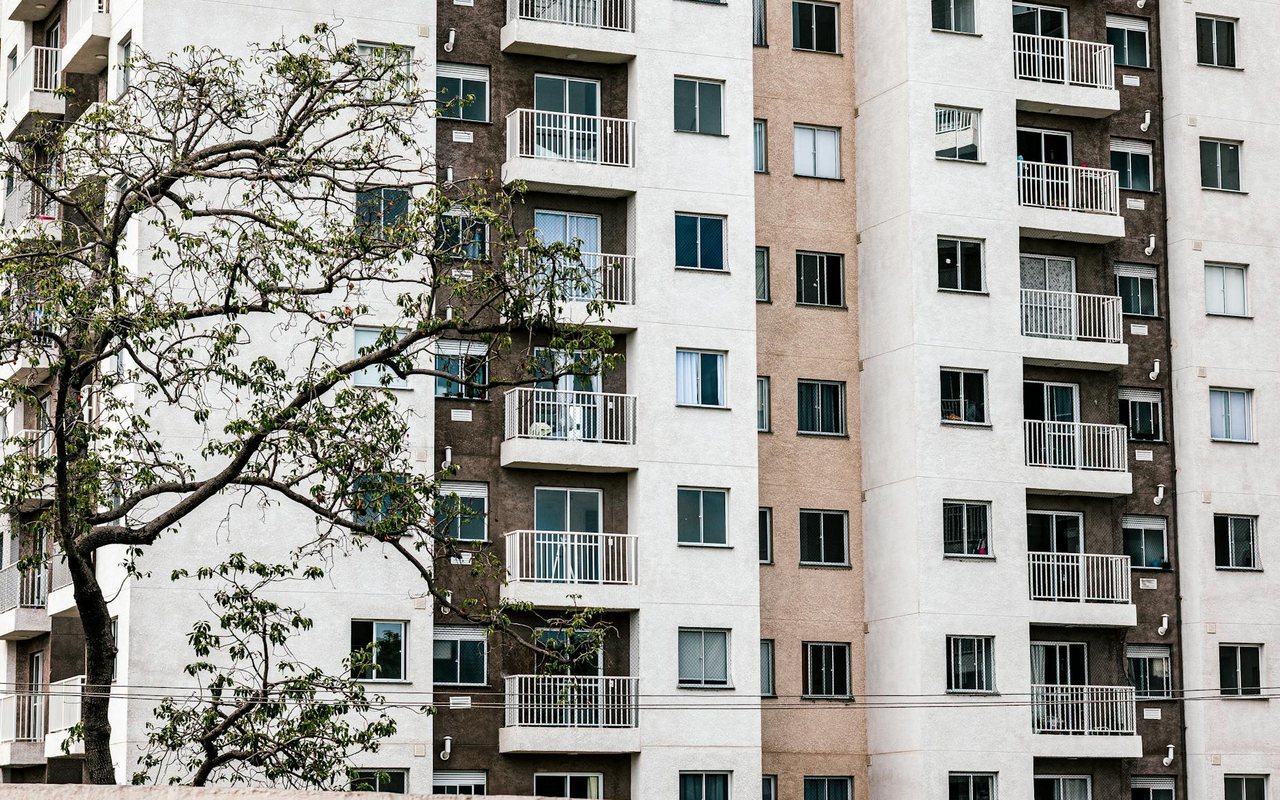
Collective renovation for apartment communities: how to unlock a whole-building retrofit
A practical guide for apartment communities that want to move from isolated repairs to a coordinated whole-building renovation with better timing, financing and outcomes.
Read article
Deep home renovation in Spain: what counts and when it pays off
What counts as deep renovation, when it makes sense to bundle insulation, windows, HVAC and accessibility work, and how to avoid an underpowered retrofit.
Read articleFrequently Asked Questions
How much does blown-in thermal insulation cost for a single-family home?
The total price depends on the surface area to be insulated, but generally ranges from 1,500 € to 3,500 € for a complete single-family home. At a cost of 15 € - 25 €/m², a 150 m² house would require an approximate investment of 2,250 € - 3,750 €. This budget includes both materials and specialized labor.
How long does blown-in thermal insulation installation take?
The duration depends on the scope and complexity of the work, but generally takes between 1 and 3 days to complete. For a medium-sized home, the process typically requires 2 days of work. Timeframes may vary depending on the accessibility of the areas to be insulated and the number of perforations needed.
What is included in a blown-in thermal insulation quote?
The quote should include the insulation material (polyurethane, cellulose, or mineral wool), specialized labor, and sealing of the perforations made. Some professionals also include a preliminary thermal assessment and warranty on the work performed. It's important to request a detailed quote that specifies the type of material and the coverage of the area to be treated.
How do I choose the right professional for blown-in thermal insulation?
Look for certified companies with experience in thermal insulation, verifying their references and feedback from previous clients. Request at least 3 detailed quotes to compare prices and services. Make sure the professional has liability insurance and can provide a written guarantee on the work performed.
Do I need permits or licenses for blown-in thermal insulation in my home?
In most cases, blown-in thermal insulation is considered a minor work that does not require a building permit, although this may vary depending on your autonomous community or municipality. It's advisable to check with your local council or homeowners' association before proceeding with the work. Authorized professionals typically know these requirements and can advise you correctly.
Got more questions? Contact us!
Got more questions? Contact us!
Frequently Asked Questions
How much does blown-in thermal insulation cost for a single-family home?
The total price depends on the surface area to be insulated, but generally ranges from 1,500 € to 3,500 € for a complete single-family home. At a cost of 15 € - 25 €/m², a 150 m² house would require an approximate investment of 2,250 € - 3,750 €. This budget includes both materials and specialized labor.
How long does blown-in thermal insulation installation take?
The duration depends on the scope and complexity of the work, but generally takes between 1 and 3 days to complete. For a medium-sized home, the process typically requires 2 days of work. Timeframes may vary depending on the accessibility of the areas to be insulated and the number of perforations needed.
What is included in a blown-in thermal insulation quote?
The quote should include the insulation material (polyurethane, cellulose, or mineral wool), specialized labor, and sealing of the perforations made. Some professionals also include a preliminary thermal assessment and warranty on the work performed. It's important to request a detailed quote that specifies the type of material and the coverage of the area to be treated.
How do I choose the right professional for blown-in thermal insulation?
Look for certified companies with experience in thermal insulation, verifying their references and feedback from previous clients. Request at least 3 detailed quotes to compare prices and services. Make sure the professional has liability insurance and can provide a written guarantee on the work performed.
Do I need permits or licenses for blown-in thermal insulation in my home?
In most cases, blown-in thermal insulation is considered a minor work that does not require a building permit, although this may vary depending on your autonomous community or municipality. It's advisable to check with your local council or homeowners' association before proceeding with the work. Authorized professionals typically know these requirements and can advise you correctly.