How Much Does Building a Concrete Pool Cost?
The average cost of building a pool ranges between 10,000 € and 19,000 €.
The amounts are indicative and come from the original imported guide. The final budget depends on the scope, materials, and prior condition of the space.
Last reviewed
July 2026
Edited by: Luis Rodenas
Pricing method
Indicative ranges are compared by scope, measurements, materials, labour, permits, VAT and contingency.
Alicante context
Confirm access, community rules, salt-air exposure and municipal requirements before accepting a quote.
Service Levels and Pricing
Compare the different options available based on your budget and needs to build your concrete pool.
Basic
Rectangular concrete pool without specialized coating, ideal for limited budgets. Includes concrete structure and basic filtration system.
Standard
Concrete pool with PVC coating, complete filtration system and quality finishes. The most popular option among Spanish homeowners.
Premium
Luxury pool with custom finishes, advanced comfort systems and premium decorative options. Includes all modern comfort features.
Share your project details and get free contact with professionals who work on similar projects.
Pool construction prices
See what homeowners usually pay for the most common tasks. Use these ranges to fine-tune your scope and avoid missing key items in your budget.
Building an elevated pool
10,000 €
Building an in-ground pool
16,000 €
Building a semi-in-ground pool
13,000 €
Building a natural pool
12,000 €
Building a heated pool
20,000 €
Example of a pool budget with Reformia
The average cost of building a pool ranges between 10,000 € and 19,000 €.
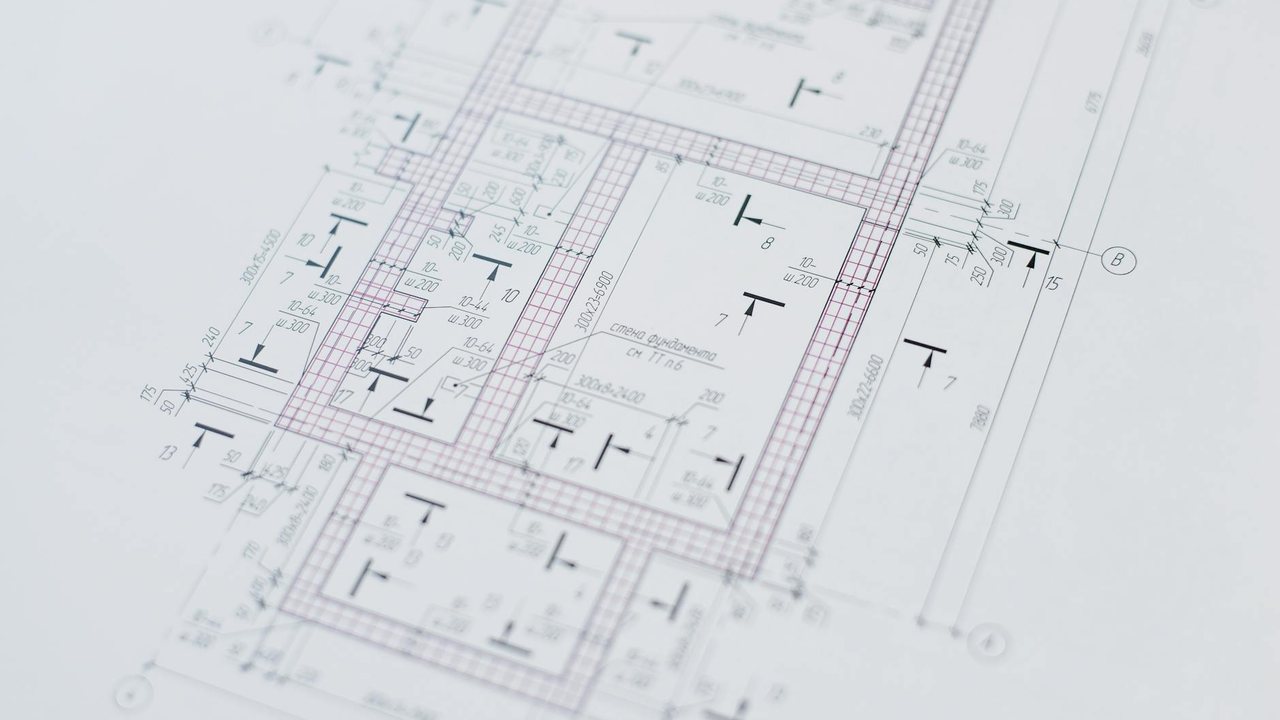
1. The approximate budget for a 6 x 3 m constructed pool with a maximum depth of 150 cm would be as follows:
The average cost of building a pool ranges between 10,000 € and 19,000 €.
What is usually included in a quote
Each professional may structure quotes differently, but most project budgets follow this logic.
Typically included
Often not included
Building a constructed pool step by step
The average cost of building a pool ranges between 10,000 € and 19,000 €.
1. Choosing the pool design and beginning the work
First, it will be necessary to decide the shape, dimensions, and lining of the constructed pool, as well as the materials that will be used in its construction. At this step, it is essential to have the advice of a professional in pool construction who can demonstrate experience and guarantees. The professional can provide information about the advantages of each type of pool, as well as some fundamental aspects when building a pool, such as its location and the equipment necessary to treat the water.
On the other hand, the construction company will be responsible for requesting the municipal building permit from the city hall to begin pool construction. The cost will vary depending on the size and characteristics of the pool, although the average price for the permit is around 1,000 €.
2. Ground preparation and excavation
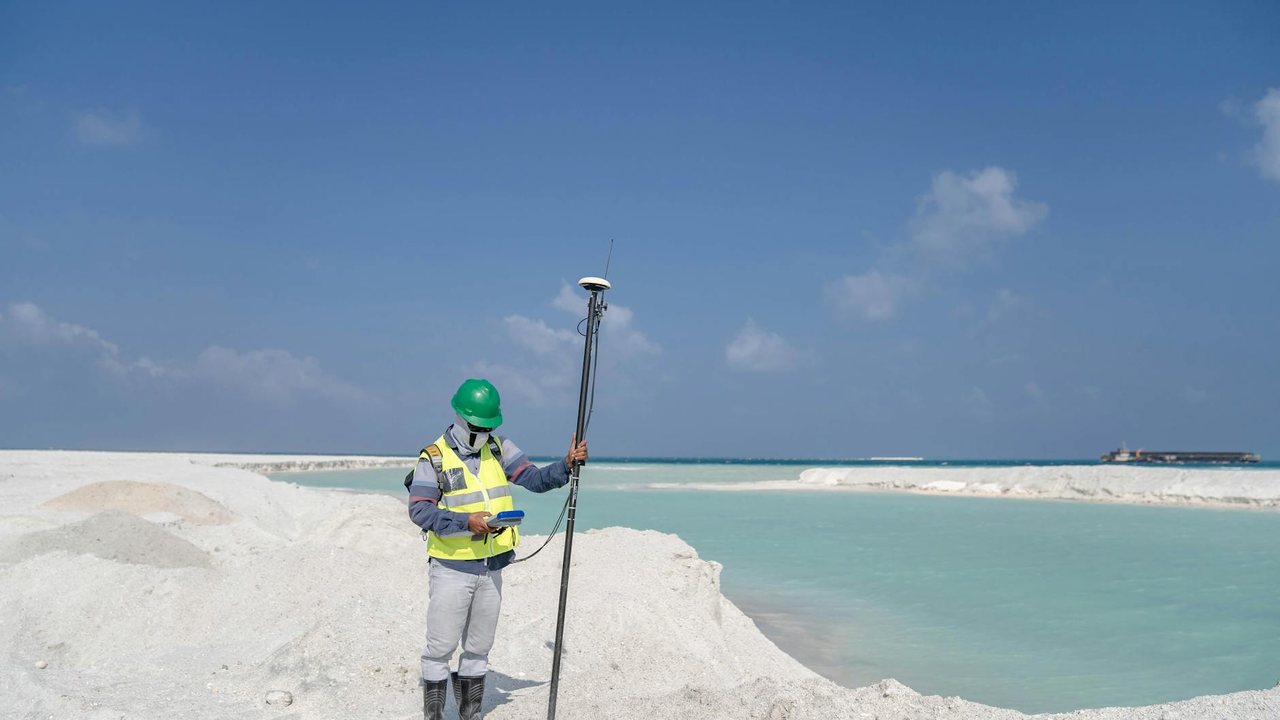
After choosing the exact location of the pool and marking the ground, the excavation of the pool cavity and leveling and grading of the rest of the ground proceeds. For excavation, mechanical equipment such as small-sized excavators are usually used.
An important aspect to consider is the depth of the pool: currently, the maximum depth of private pools usually does not exceed 1.50-2 m in the deepest area, as greater depth will require a larger volume of water to fill the pool and higher maintenance costs. However, if you want to install a diving board or reserve part of the pool for diving, it is advisable to increase the depth to 2.5-3 m.
3. Partition walls, spraying, and pool edging
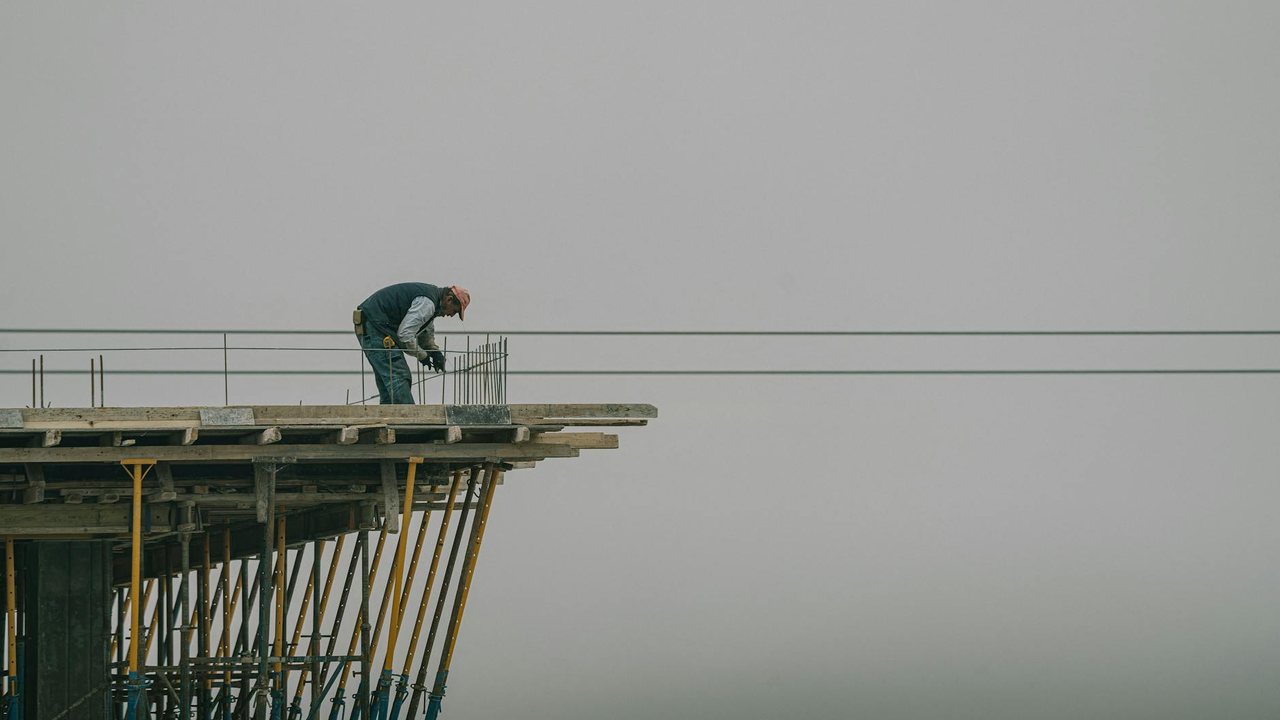
After excavation, the partition walls of brick or the material of choice must be placed in the desired shape, with the electrical and water installations and conduits that will connect the pool to the filtration equipment ready.
In the case of a sprayed concrete constructed pool, compressed concrete will be projected through a hose: this method allows reaching all corners of the pool regardless of the surface type. Then the pool shell is finished and made ready to apply the lining, and the pool edging is completed; for this, the surrounding edge of the pool will be placed, ensuring the finish of the rim. It is advisable to install a non-slip edge.

4. Waterproofing the floor and walls
To prevent possible water loss, a first coating, normally made of fiberglass mesh, is applied, and then the final finish of the shell is applied, which is usually a ceramic tile or mosaic lining, although there are other options such as fiberglass lining or the so-called liner.
There is a wide range of pool linings, with varied designs, colors, and shapes; pool construction companies usually provide a large number of sketches and designs so the customer can be inspired and choose the option that best suits their needs and tastes.
What can change your final price
Even similar projects can end with different budgets. These are the factors that most often push costs up or down.
Pool size and shape
The pool's dimensions and geometry are decisive in determining the final budget. A 4x8 meter pool will cost significantly less than a 6x12 meter one, ranging anywhere from 10,000 € to over 25,000 €.
Depth and basin type
Standard depth (1.5-2 meters) affects the amount of concrete needed. Pools with varying depth levels or irregular shapes require more excavation and formwork, increasing costs.
Finishes and linings
The chosen finish type varies considerably in price: polyester lining, fiberglass, tile, or epoxy paint all have different costs. Tile is more expensive but more durable and aesthetically appealing than other options.
Location and terrain accessibility
Terrain with good accessibility and minimal earthmoving needs is more economical. Difficult terrain with bedrock or in elevated areas require specialized excavators and additional labor, increasing project costs.
Next step
Use "How Much Does Building a Concrete Pool Cost?" to prepare a short brief before requesting quotes: current condition, must-have scope, optional upgrades, access constraints and timing. Then compare it with Pool Construction price guides so each contractor proposal covers the same work.
Main types of pools
The average cost of building a pool ranges between 10,000 € and 19,000 €.
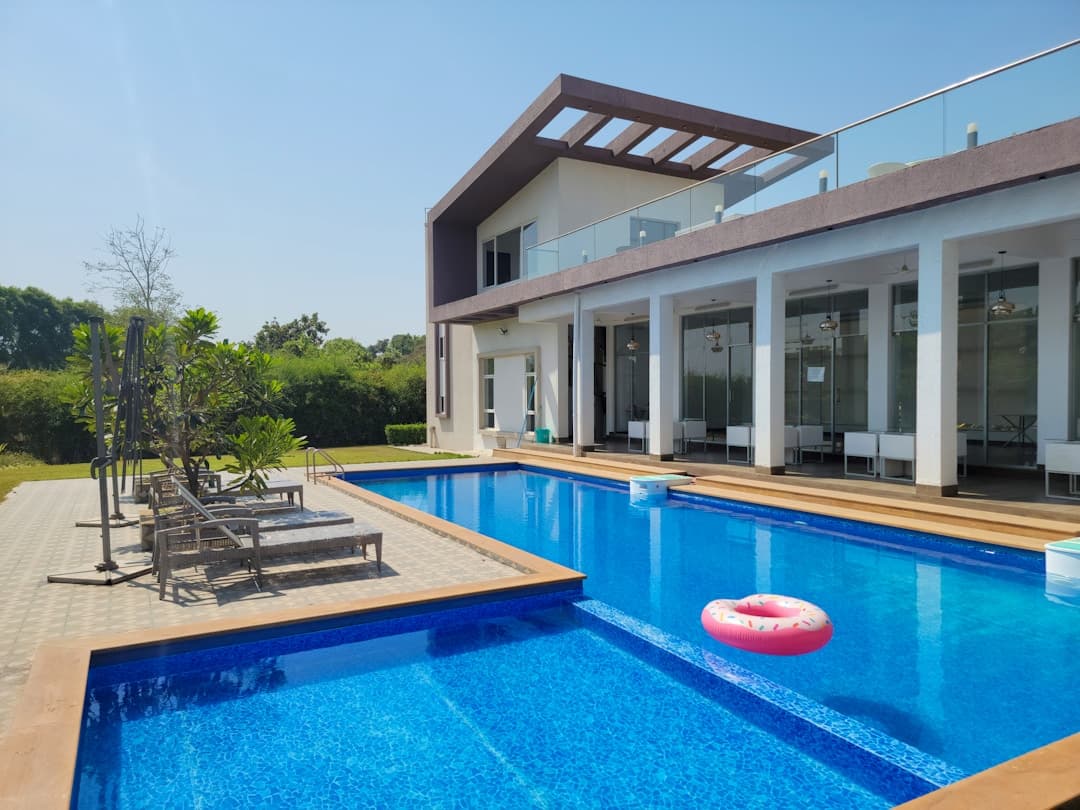
Constructed pools, as the name suggests, require construction work to delimit the cavity, place the pool shell, install the necessary connections and pipes, and complete the final finish. This creates a space with the desired dimensions and shape, and guarantees durability as long as proper maintenance is carried out.
Tips for building pools for easier maintenance
The average cost of building a pool ranges between 10,000 € and 19,000 €.
The price of constructed pools also depends on many factors: dimensions, materials to be used, accessories, filtration equipment, heating systems, etc. A small constructed pool of 6 x 3 m can cost 12,000 €. To the initial price you must add municipal fees (which can be around 1,000 €) and maintenance expenses, approximately 600 € annually.
The most common materials in constructed pools are the following:
- Sprayed, reinforced, or projected concrete pools with a tile finish. These are the most resistant and durable pools, although they have a longer construction time. Spraying consists of projecting concrete, making the pool shell monolithic, low-porosity, and highly resistant to erosion or differential settlement, which prevents cracks and leaks. Tiling the pool with ceramic tiles costs around 15-40 €/m².
- Constructed pools built with liner. They require half the construction time, as the shell is built with self-supporting concrete blocks. The surface is waterproofed with a liner or polyurethane coating, which costs on average 20-25 €/m².
- Polyester and fiberglass prefabricated pools: these come already built in a single piece. They are manufactured with resins and fiberglass and painted with waterproof gelcoat.
- Steel and semi-prefabricated liner pools: they are constructed by joining prefabricated panels of galvanized steel and applying reinforced concrete to the pool floor. For the pool lining, a reinforced PVC sheet is used, which provides complete waterproofing of the shell.
To ensure proper pool maintenance and avoid future problems, it is advisable to consider some aspects at the time of installation:
Installation of extractors: as a general rule, it is advisable to install one extractor for every 25 m² of water.
Drains and water intakes on the pool floor: They are installed at the bottom of the pool and flush with the upper edge of the floor. They usually have an integrated filter to prevent the drains from clogging.
- Installation of extractors: as a general rule, it is advisable to install one extractor for every 25 m² of water.
- Drains and water intakes on the pool floor: They are installed at the bottom of the pool and flush with the upper edge of the floor. They usually have an integrated filter to prevent the drains from clogging.
- Prevent water leaks: it is important to carry out correct pool construction to prevent possible water leaks in the installation through cracks or fissures in the pool lining, as well as leaks in the shell.
A platform built equally for homeowners and professionals
Whether you're planning a renovation or looking for your next project, Reformia gives both sides the tools to connect, compare, and collaborate with confidence.
For individuals
For professionals

You may also like

Circular water in Alicante 2026: renovations to save water at home, garden and pool
Alicante is promoting circular-water infrastructure. How to bring that logic into homes, gardens and pools.
Read article
Climate-Resilient Home Renovation: Protect Your Spanish Home Against Extreme Heat and Flooding
Heat waves, intense rainfall and flooding are now real priorities in Spanish home renovations. Discover which measures to implement now and which to bundle into a larger renovation, with realistic budgets.
Read article
Low-carbon materials and circular renovation: real options for your home in 2026
Sustainable renovation has moved beyond trend to become a practical choice. Discover which materials you can buy today, where real savings lie, and how to specify them without sacrificing durability.
Read articleFrequently asked questions about pool construction
Is it better to build a concrete pool rather than a prefabricated or removable pool?
If you have the space, a concrete pool shell with stone finishes and good filtration equipment and salt electrolysis system is what professionals most recommend. In the long run, it is a better investment compared to any other type of pool.
How much does it cost to build a pool?
A constructed concrete pool usually costs between 10,000 and 15,000 € for a size of 7 x 3 m. The lining and type of filtration system will make this price higher or lower. It will also increase if you choose a heated pool.
How much does it cost to light a pool?
Pool lighting not only enhances its aesthetics but also improves safety during nighttime use. There are various options, such as underwater lights, LED lights, and fiber optic systems, each with specific characteristics and prices. For example, installing underwater lights has an average cost of 140 € per unit.
Got more questions? Contact us!
Got more questions? Contact us!
Frequently asked questions about pool construction
Is it better to build a concrete pool rather than a prefabricated or removable pool?
If you have the space, a concrete pool shell with stone finishes and good filtration equipment and salt electrolysis system is what professionals most recommend. In the long run, it is a better investment compared to any other type of pool.
How much does it cost to build a pool?
A constructed concrete pool usually costs between 10,000 and 15,000 € for a size of 7 x 3 m. The lining and type of filtration system will make this price higher or lower. It will also increase if you choose a heated pool.
How much does it cost to light a pool?
Pool lighting not only enhances its aesthetics but also improves safety during nighttime use. There are various options, such as underwater lights, LED lights, and fiber optic systems, each with specific characteristics and prices. For example, installing underwater lights has an average cost of 140 € per unit.