Prices and Budgets for Applying Self-Leveling Mortars
The average cost of applying self-leveling mortars is around 8 €/m² in general and about 11 €/m² for self-leveling paste for radiant floor systems. Regarding material price, it typically costs around 0.5 €/kg.
The amounts are indicative and come from the original imported guide. The final budget depends on the scope, materials, and previous condition of the space.
Last reviewed
August 2026
Edited by: Gabriel Martín
Pricing method
Indicative ranges are compared by scope, measurements, materials, labour, permits, VAT and contingency.
Alicante context
Confirm access, community rules, salt-air exposure and municipal requirements before accepting a quote.
Service Levels and Pricing
Choose the service level that best fits your self-leveling mortar application project.
Basic
Standard self-leveling mortar application on small surfaces or targeted renovations. Ideal for localized repairs or compact spaces.
Standard
Complete solution for residential and small commercial spaces. Includes professional preparation and self-leveling mortar application with quality finishing.
Premium
High-end service with special self-leveling mortar for radiant heating systems and luxury finishes. Perfect for comprehensive renovation projects or large areas.
Share your project details and get free contact with professionals who work on similar projects.
Self-leveling mortar prices
See what homeowners usually pay for the most common tasks. Use these ranges to fine-tune your scope and avoid missing key items in your budget.
Applying self-leveling mortar to residential floors
1.200 €
Applying self-leveling mortar to apartment floors
750 €
Applying self-leveling mortar to exterior flooring
800 €
Applying self-leveling mortar in commercial space and installing flooring
6.600 €
Applying self-leveling mortar with anhydrite
1.100 €
Steps for Applying Self-Leveling Mortars with Reformia
The average cost of applying self-leveling mortar is around 8 €/m² in general and around 11 €/m² if it's self-leveling paste for radiant flooring. Regarding the material price, on average it can be around 0.5 €/kg.
1. Prepare and clean the base surface
Surface preparation is critical for successful self-leveling mortar application. This phase involves thorough cleaning of the pavement, removing dust, adhesive residue, and contaminants. Poor preparation work can compromise mortar adhesion and increase unnecessary repair costs later.
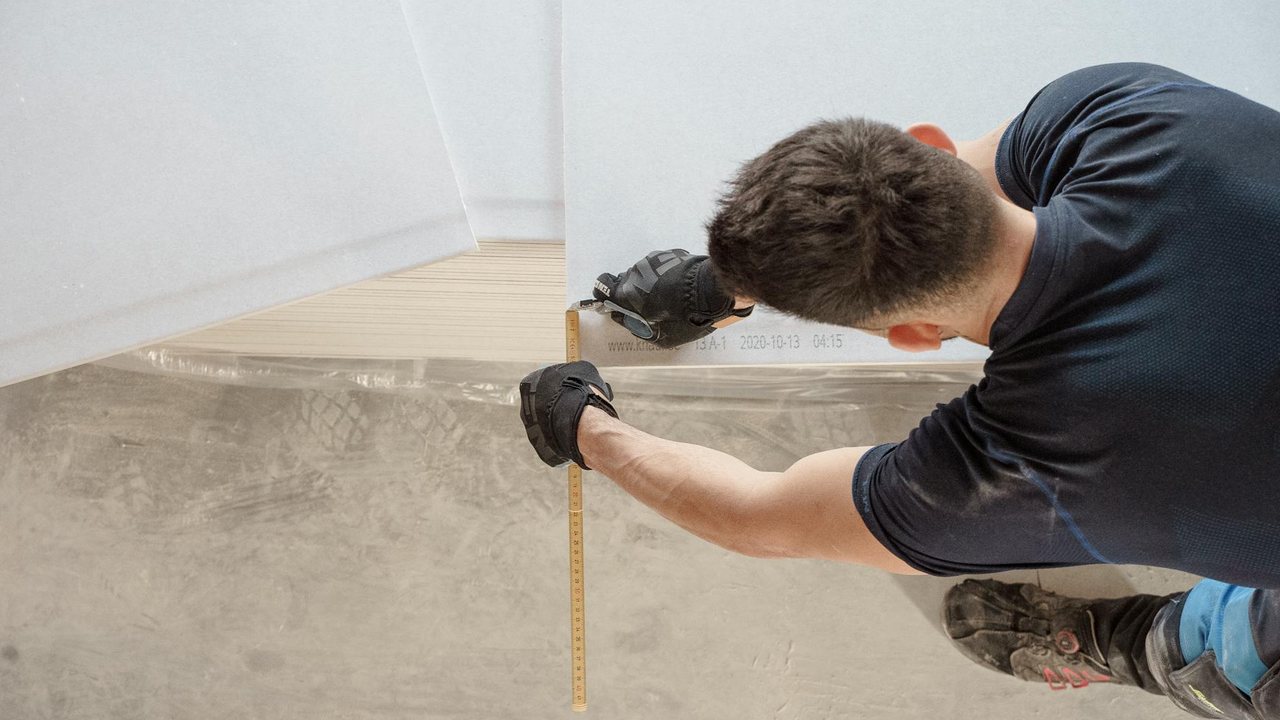
2. Repair existing cracks and defects
Before applying self-leveling mortar, it's essential to repair cracks, holes, and structural defects in the base. This repair stage can significantly impact your final budget, especially for projects requiring extensive restoration. Typical budgets start from 150 € for minor work.
3. Apply primer or base sealer
Applying primer or base sealant improves self-leveling mortar adhesion and reduces water absorption. This step is especially important on porous surfaces or those with moderate humidity. Quality sealant ensures better results and durability in standard range projects (400 € - 1,200 €).
The average cost of applying self-leveling mortar is around 8 €/m² in general and around 11 €/m² if it's self-leveling paste for radiant flooring. Regarding the material price, on average it can be around 0.5 €/kg.
What is usually included in a quote
Each professional may structure quotes differently, but most project budgets follow this logic.
Typically included
Often not included
Steps for Applying Self-Leveling Mortars
The average cost of applying self-leveling mortar is around 8 €/m² in general and around 11 €/m² if it's self-leveling paste for radiant flooring. Regarding the material price, on average it can be around 0.5 €/kg.
1. Prepare and clean the base surface
Surface preparation is critical for successful self-leveling mortar application. This phase involves thorough cleaning of the pavement, removing dust, adhesive residue, and contaminants. Poor preparation work can compromise mortar adhesion and increase unnecessary repair costs later.
2. Repair existing cracks and defects
Before applying self-leveling mortar, it's essential to repair cracks, holes, and structural defects in the base. This repair stage can significantly impact your final budget, especially for projects requiring extensive restoration. Typical budgets start from 150 € for minor work.
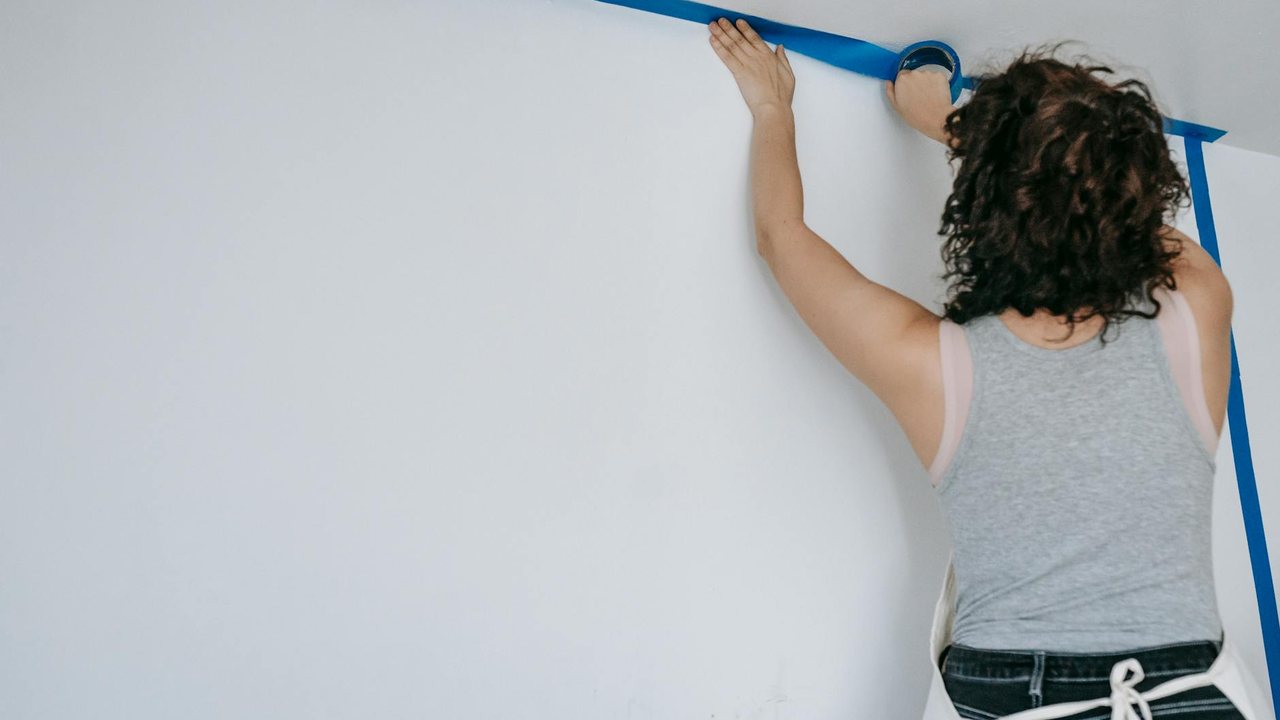
3. Apply primer or base sealer
Applying primer or base sealant improves self-leveling mortar adhesion and reduces water absorption. This step is especially important on porous surfaces or those with moderate humidity. Quality sealant ensures better results and durability in standard range projects (400 € - 1,200 €).
4. Mix the self-leveling mortar properly
Proper preparation of self-leveling mortar is essential for its fluidity and self-leveling properties. Mix according to manufacturer instructions regarding water ratios and mixing time. Incorrect mixing can result in poor applications affecting budgets, especially in premium projects (1,200 € - 3,500 €).
What can change your final price
Even similar projects can end with different budgets. These are the factors that most often push costs up or down.
Total surface area to cover
The cost per square meter varies depending on the scope of work; larger projects typically have more competitive unit prices due to economies of scale in materials and labor mobility.
Type of self-leveling mortar
Standard mortars range around 8 €/m² while specialized ones for radiant heating systems reach 11 €/m², and high-performance or specially-formulated mortars can be significantly more expensive.
Condition and preparation of the existing substrate
If the flooring requires prior demolition, crack repair, leveling, or special priming, labor and material costs for substrate preparation increase before applying the mortar.
Accessibility and complexity of the area
Work in confined spaces, with obstacles, multiple levels, or on upper floors requires longer application time and may involve additional costs for scaffolding or specialized equipment.
Next step
Use "Prices and Budgets for Applying Self-Leveling Mortars" to prepare a short brief before requesting quotes: current condition, must-have scope, optional upgrades, access constraints and timing. Then compare it with Continuous Flooring price guides so each contractor proposal covers the same work.
A platform built equally for homeowners and professionals
Whether you're planning a renovation or looking for your next project, Reformia gives both sides the tools to connect, compare, and collaborate with confidence.
For individuals
For professionals

You may also like
10 Most Common Renovation Mistakes (and How to Avoid Them)
Avoid the costly pitfalls that derail home renovation projects in Spain. From budget blowouts to permit problems, learn from others' mistakes.
Read article
How to Choose a Reliable Contractor in Spain
A practical guide to finding, vetting, and hiring trustworthy renovation contractors in Spain, based on real industry experience and Spanish regulations.
Read articleFrequently Asked Questions
How much does it cost to apply self-leveling mortar in my home?
The average cost of applying self-leveling mortar is around 8 €/m², though this can vary depending on surface complexity and your region. For self-leveling mortar used with radiant floor heating, the price increases to approximately 11 €/m² on average. The material itself costs roughly 0.5 €/kg, so your total budget will depend on the amount of material needed and the labor costs of the contractor you hire.
What does a self-leveling mortar quote include?
A typical quote includes surface preparation and cleaning, application of the self-leveling mortar, and the leveled finish. Some professionals may also include preparatory work such as crack repair or primer application. It's recommended to request detailed quotes from several professionals so you can compare exactly what services are included in each offer.
How long does it take to apply self-leveling mortar?
Applying self-leveling mortar typically takes between 1 and 3 days depending on the surface area to be covered and environmental conditions. After application, you need to wait between 24 and 48 hours before walking on the area, and between 7 and 14 days for the mortar to reach full strength. During this curing period, it's important to keep the area free of traffic and maintain appropriate temperature and humidity conditions.
How can I choose the best professional to apply self-leveling mortar?
It's recommended to request quotes from at least 3 companies specializing in continuous flooring, verifying they have certified experience and references from previous work. Check that the professional conducts a preliminary surface inspection and details exactly what preparatory work will be necessary. Avoid choosing based solely on the lowest price; instead, evaluate the quality of materials used, guarantees offered, and the company's reputation in your area.
Do I need permits or licenses to apply self-leveling mortar in my home?
In most cases, applying self-leveling mortar inside residential properties doesn't require prior permits, as it's considered a minor work. However, if you live in a homeowners' association, it's advisable to notify them beforehand and obtain approval from the board. If the work is part of a larger renovation or affects structural elements, consult with your local municipality to understand the specific requirements for your area.
Got more questions? Contact us!
Got more questions? Contact us!
Frequently Asked Questions
How much does it cost to apply self-leveling mortar in my home?
The average cost of applying self-leveling mortar is around 8 €/m², though this can vary depending on surface complexity and your region. For self-leveling mortar used with radiant floor heating, the price increases to approximately 11 €/m² on average. The material itself costs roughly 0.5 €/kg, so your total budget will depend on the amount of material needed and the labor costs of the contractor you hire.
What does a self-leveling mortar quote include?
A typical quote includes surface preparation and cleaning, application of the self-leveling mortar, and the leveled finish. Some professionals may also include preparatory work such as crack repair or primer application. It's recommended to request detailed quotes from several professionals so you can compare exactly what services are included in each offer.
How long does it take to apply self-leveling mortar?
Applying self-leveling mortar typically takes between 1 and 3 days depending on the surface area to be covered and environmental conditions. After application, you need to wait between 24 and 48 hours before walking on the area, and between 7 and 14 days for the mortar to reach full strength. During this curing period, it's important to keep the area free of traffic and maintain appropriate temperature and humidity conditions.
How can I choose the best professional to apply self-leveling mortar?
It's recommended to request quotes from at least 3 companies specializing in continuous flooring, verifying they have certified experience and references from previous work. Check that the professional conducts a preliminary surface inspection and details exactly what preparatory work will be necessary. Avoid choosing based solely on the lowest price; instead, evaluate the quality of materials used, guarantees offered, and the company's reputation in your area.
Do I need permits or licenses to apply self-leveling mortar in my home?
In most cases, applying self-leveling mortar inside residential properties doesn't require prior permits, as it's considered a minor work. However, if you live in a homeowners' association, it's advisable to notify them beforehand and obtain approval from the board. If the work is part of a larger renovation or affects structural elements, consult with your local municipality to understand the specific requirements for your area.