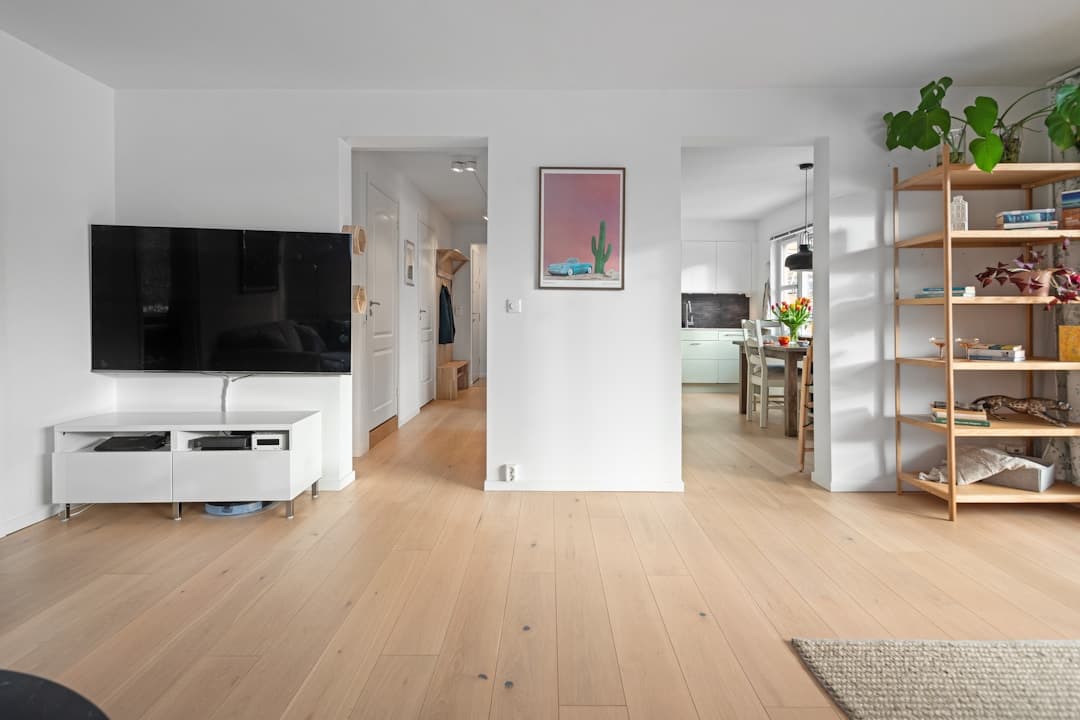
Plastic Flooring: Price and Budgets
Installing plastic flooring is an economical and versatile solution for continuous pavements, with prices ranging from 3 € to 39 € per square meter. The final cost depends on the material type you choose, such as homogeneous vinyl (from 12.5 €/m²) or floating click systems (22.5 €/m²), as well as base preparation and installation complexity. It's advisable to request quotes from specialized professionals to compare options, noting that complete projects typically range between 800 € and 2,500 € depending on quality and surface area.
The amounts are indicative and come from the original imported guide. The final budget depends on the scope, materials, and previous condition of the space.
Last reviewed
August 2026
Edited by: Equipo de Contenidos
Pricing method
Indicative ranges are compared by scope, measurements, materials, labour, permits, VAT and contingency.
Alicante context
Confirm access, community rules, salt-air exposure and municipal requirements before accepting a quote.
Service Levels and Prices
Compare the different available options according to your budget and needs.
Basic
Standard quality homogeneous plastic flooring with no special designs. Ideal for secondary spaces, garages, or budget renovations. Includes simple installation over a leveled base.
Standard
Decorative vinyl flooring that mimics wood or stone. The most popular option with excellent value for money. Includes base preparation and professional finish.
Premium
High-end vinyl flooring with advanced technology, exclusive designs, and maximum durability. Includes complete preparation, professional installation systems, and extended warranty.
Share your project details and get free contact with professionals who work on similar projects.
Plastic Flooring Prices
See what homeowners usually pay for the most common tasks. Use these ranges to fine-tune your scope and avoid missing key items in your budget.
Homogeneous vinyl plastic flooring, 2mm thickness
Heterogeneous vinyl plastic flooring, 3mm thickness
PVC plastic flooring in roll, adhesive-free installation
Plastic flooring with click system, floating installation
Base preparation and leveling
Installation with special adhesive and joint sealing
Steps to install plastic flooring and get quotes with Reformia
Learn about typical costs for installing plastic flooring.
1. Assess the current condition of the floor
Carefully inspect the existing floor for cracks, moisture, or irregularities that could affect plastic flooring installation. Poor conditions may require base preparation and leveling, costing around 8 € per square meter, which will impact your overall budget.
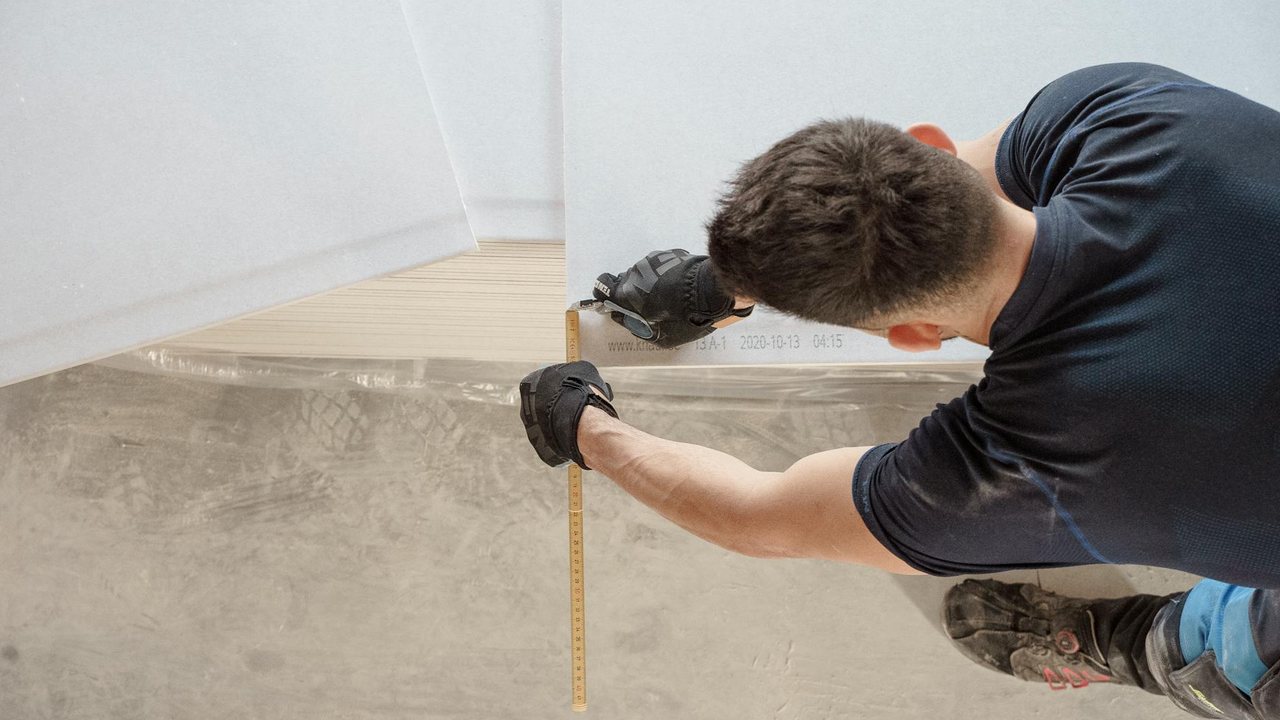
2. Measure the area to be covered
Measure the total surface area accurately in square meters, as this will determine the amount of material needed and final cost. Plastic floors range from 12.50 € to 25 € per square meter depending on type (homogeneous vinyl or special adhesive installation).
3. Choose the type and design of plastic flooring
Choose from options like homogeneous vinyl (12.50 €/m²), heterogeneous vinyl (18.75 €/m²), adhesive-free PVC rolls (15 €/m²), or floating click system (22.50 €/m²). Each offers different durability, aesthetics, and installation ease based on your needs.
Learn about typical costs for installing plastic flooring.
What is usually included in a quote
Each professional may structure quotes differently, but most project budgets follow this logic.
Typically included
Often not included
Steps to install plastic flooring and get quotes
Learn about typical costs for installing plastic flooring.
1. Assess the current condition of the floor
Carefully inspect the existing floor for cracks, moisture, or irregularities that could affect plastic flooring installation. Poor conditions may require base preparation and leveling, costing around 8 € per square meter, which will impact your overall budget.
2. Measure the area to be covered
Measure the total surface area accurately in square meters, as this will determine the amount of material needed and final cost. Plastic floors range from 12.50 € to 25 € per square meter depending on type (homogeneous vinyl or special adhesive installation).
3. Choose the type and design of plastic flooring
Choose from options like homogeneous vinyl (12.50 €/m²), heterogeneous vinyl (18.75 €/m²), adhesive-free PVC rolls (15 €/m²), or floating click system (22.50 €/m²). Each offers different durability, aesthetics, and installation ease based on your needs.
4. Request quotes from several installers
Contact at least three professional installers for detailed quotes. Total costs range from 300 € to 2,500 € depending on quality chosen (Basic, Standard, or Premium), so comparing multiple offers ensures the best value.
What can change your final price
Even similar projects can end with different budgets. These are the factors that most often push costs up or down.
Type of plastic flooring
The price varies significantly depending on whether it's vinyl, linoleum, PVC, or epoxy resin flooring. High-end imported materials can double the cost compared to standard options.
Area to be covered
The cost per square meter decreases as the total surface area increases. Small jobs (less than 20 m²) typically have a higher unit price than large surfaces.
Condition and preparation of the subfloor
If the existing floor requires repair, leveling, or prior removal, these additional works significantly increase the final budget.
Installation complexity
The presence of obstacles, irregular shapes, level changes, or multiple access points increases labor hours and installation costs.
Next step
Use "Plastic Flooring: Price and Budgets" to prepare a short brief before requesting quotes: current condition, must-have scope, optional upgrades, access constraints and timing. Then compare it with Continuous Flooring price guides so each contractor proposal covers the same work.
General Information
Learn about typical costs for installing plastic flooring.
Plastic flooring is an economical and versatile solution for renovating floors in homes, commercial spaces, and workplaces. Also known as vinyl or PVC flooring, they offer excellent value for money, combining durability, ease of maintenance, and a wide variety of designs that mimic wood, ceramic, or stone. They are especially popular in kitchens, bathrooms, and high-traffic areas due to their water resistance and easy cleaning.
General Information
Learn about typical costs for installing plastic flooring.
The budget for installing plastic flooring varies considerably depending on the type of material chosen, the surface area to cover, the condition of the existing flooring, and the complexity of the installation. In Spain, average prices range between 300 € and 2,500 € for a standard room, including materials and labor. It is important to request several detailed quotes to compare options and ensure that the installer has certified experience.
Before hiring the service, it is essential to assess the current condition of the floor, measure the surface area precisely, define the desired finish type, and establish a clear schedule. A good installer will conduct a preliminary inspection, properly prepare the base, and guarantee a professional finish with all profiles and joints correctly installed.
A platform built equally for homeowners and professionals
Whether you're planning a renovation or looking for your next project, Reformia gives both sides the tools to connect, compare, and collaborate with confidence.
For individuals
For professionals

You may also like
10 Most Common Renovation Mistakes (and How to Avoid Them)
Avoid the costly pitfalls that derail home renovation projects in Spain. From budget blowouts to permit problems, learn from others' mistakes.
Read article
How to Choose a Reliable Contractor in Spain
A practical guide to finding, vetting, and hiring trustworthy renovation contractors in Spain, based on real industry experience and Spanish regulations.
Read articleFrequently Asked Questions
What is the difference between PVC, vinyl, SPC, and WPC flooring?
Traditional PVC flooring is the most economical and flexible. Vinyl flooring includes higher-quality decorative layers. SPC (Stone Plastic Composite) has a mineral base and is more rigid, resistant, and durable, ideal for high-traffic areas. WPC (Wood Plastic Composite) includes wood fibers and offers greater comfort and acoustic insulation. The choice depends on your budget, intended use, and aesthetic preferences.
How long does correctly installed plastic flooring last?
Standard quality PVC flooring lasts between 10 and 15 years with proper maintenance. High-end SPC or WPC flooring can last 20 years or more. Durability depends on the material thickness, wear layer, installation quality, and maintenance level. Flooring in low-traffic spaces lasts longer than in high-use commercial areas.
Is it necessary to prepare the base before installing plastic flooring?
Yes, properly preparing the base is essential. The existing flooring must be clean, dry, smooth, and free of irregularities greater than 3 mm. If there are cracks, moisture, or significant unevenness, it must be repaired beforehand with self-leveling mortar or resin. A poorly prepared base will compromise the quality of the final work and the floor's durability. This preparation usually adds 200-400 € to the budget depending on complexity.
What maintenance does plastic flooring require?
Plastic flooring is very easy to maintain. Simply sweep regularly to remove dust and sand. To clean, use a damp cloth with warm water and mild neutral detergent. Avoid acidic, alkaline, or abrasive products that can damage the surface. Clean spills immediately. Use protectors on furniture legs to avoid marks. Do not use polishers or high-pressure steam machines. With these basic care steps, your floor will maintain its like-new appearance for years.
Can I install plastic flooring in humid areas like bathrooms or kitchens?
Yes, plastic flooring is excellent for bathrooms and kitchens due to its water resistance. However, it is important that the installation is correct and that joints and profiles are properly sealed to prevent water from seeping into the base. High-end SPC or WPC flooring offers greater protection against moisture than standard PVC. Avoid leaving standing water for prolonged periods. In very humid bathrooms, make sure you have good ventilation to prevent condensation problems.
Got more questions? Contact us!
Got more questions? Contact us!
Frequently Asked Questions
What is the difference between PVC, vinyl, SPC, and WPC flooring?
Traditional PVC flooring is the most economical and flexible. Vinyl flooring includes higher-quality decorative layers. SPC (Stone Plastic Composite) has a mineral base and is more rigid, resistant, and durable, ideal for high-traffic areas. WPC (Wood Plastic Composite) includes wood fibers and offers greater comfort and acoustic insulation. The choice depends on your budget, intended use, and aesthetic preferences.
How long does correctly installed plastic flooring last?
Standard quality PVC flooring lasts between 10 and 15 years with proper maintenance. High-end SPC or WPC flooring can last 20 years or more. Durability depends on the material thickness, wear layer, installation quality, and maintenance level. Flooring in low-traffic spaces lasts longer than in high-use commercial areas.
Is it necessary to prepare the base before installing plastic flooring?
Yes, properly preparing the base is essential. The existing flooring must be clean, dry, smooth, and free of irregularities greater than 3 mm. If there are cracks, moisture, or significant unevenness, it must be repaired beforehand with self-leveling mortar or resin. A poorly prepared base will compromise the quality of the final work and the floor's durability. This preparation usually adds 200-400 € to the budget depending on complexity.
What maintenance does plastic flooring require?
Plastic flooring is very easy to maintain. Simply sweep regularly to remove dust and sand. To clean, use a damp cloth with warm water and mild neutral detergent. Avoid acidic, alkaline, or abrasive products that can damage the surface. Clean spills immediately. Use protectors on furniture legs to avoid marks. Do not use polishers or high-pressure steam machines. With these basic care steps, your floor will maintain its like-new appearance for years.
Can I install plastic flooring in humid areas like bathrooms or kitchens?
Yes, plastic flooring is excellent for bathrooms and kitchens due to its water resistance. However, it is important that the installation is correct and that joints and profiles are properly sealed to prevent water from seeping into the base. High-end SPC or WPC flooring offers greater protection against moisture than standard PVC. Avoid leaving standing water for prolonged periods. In very humid bathrooms, make sure you have good ventilation to prevent condensation problems.