How to Choose a Reliable Contractor in Spain

Why Choosing the Right Contractor Matters
Hiring the wrong contractor is the single biggest risk in any Spanish renovation project. Horror stories abound: abandoned mid-project, poor workmanship hidden behind plasterboard, unlicensed electricians creating fire hazards, and contractors who vanish after receiving a large deposit. While the vast majority of Spanish builders are hardworking professionals, the industry's low barrier to entry means unqualified operators exist.
In Spain, there is no single mandatory licensing system for general renovation contractors, unlike countries such as the UK or Australia. While specific trades like electricians (electricistas autorizados) and gas installers (instaladores de gas autorizados) require official certifications, a general reformista can technically operate without any formal qualification. This makes your due diligence critically important.
The good news is that several reliable methods exist to vet contractors, protect your investment, and ensure a successful renovation. This guide, based on 15 years of experience in the Spanish construction industry, walks you through every step from finding candidates to signing a watertight contract.
Where to Find Quality Contractors
Personal recommendations from friends, family, and neighbours remain the most reliable source. If someone you trust had a good experience with a contractor, that is your strongest starting point. Ask to see the finished work in person if possible, and enquire about the contractor's communication, punctuality, and willingness to fix snags.
Online platforms such as Houzz and Google Business profiles provide contractor listings with reviews. Look for contractors with at least 20 reviews and an average rating above 4.2 stars. Pay particular attention to negative reviews: a single bad review among many positives is normal, but patterns of complaints about delays, hidden charges, or poor communication are red flags.
Professional associations such as the Confederacion Nacional de la Construccion (CNC) and regional builder associations (gremios) maintain member directories. While membership does not guarantee quality, it indicates a level of professionalism and commitment to industry standards. In Catalonia, the Gremi de Constructors d'Obres is a respected trade body.
Your local ferreteria (hardware shop) or building material supplier can also be an excellent source of recommendations. They work with contractors daily and know who pays their bills, maintains professional standards, and has steady clients, all indicators of reliability.
Essential Checks Before Hiring
Verify the contractor is legally registered as a business. Request their CIF (Certificado de Identificacion Fiscal) and check that they are registered with Hacienda (the tax authority) as an active business entity. An autonomo (self-employed individual) should be able to show their alta en el RETA (Social Security registration for self-employed workers).
Ask for proof of insurance. A reputable contractor should carry a seguro de responsabilidad civil (public liability insurance) with a minimum coverage of 300,000 euros, and ideally 600,000 euros or more for larger projects. This insurance covers damage to your property and injury to third parties during the renovation. Contractors should also have their workers covered by Social Security (Seguridad Social).
Request references from at least three recent projects of similar scope to yours. A professional contractor will be happy to provide contact details of previous clients and photos of completed work. Be cautious of contractors who claim they cannot provide references due to client privacy, as most satisfied clients are willing to recommend good work.
Check for any outstanding complaints or legal issues. Spain's consumer protection offices (OMIC, Oficina Municipal de Informacion al Consumidor) can tell you whether formal complaints have been filed against a specific business. While not all complaints indicate bad practice, multiple unresolved complaints are a serious warning sign.
The Contract: Your Most Important Protection
Never begin work without a written contract. Under Spanish law, a verbal agreement is technically binding, but proving its terms in a dispute is nearly impossible. A proper renovation contract should include a detailed description of the work to be performed, an itemised budget with material specifications, a projected timeline with start and completion dates, a payment schedule tied to milestones, and warranty terms.
The payment schedule is critical. Never pay more than 20 to 30 per cent upfront as a deposit. Structure payments around completed milestones: for example, 25 per cent at signing, 25 per cent after demolition and rough-in, 25 per cent after finishes, and 25 per cent upon final inspection and acceptance. Retain the final 10 to 15 per cent for 30 days after completion to cover any snag list items.
Include a clause specifying penalties for delays that are not caused by force majeure. A typical penalty clause might reduce the final payment by 0.5 per cent per week of delay beyond the agreed completion date. This encourages contractors to prioritise your project and provides compensation if timelines slip.
Contractor Vetting Checklist
Run through this checklist before signing a contract with any renovation contractor in Spain.
- 1Valid CIF or NIF and active Hacienda registrationCritical
Verify the contractor's tax identification and confirm they are registered as an active business with the Spanish tax authority. This ensures they are operating legally and can issue valid invoices.
- 2Public liability insurance (seguro de responsabilidad civil)Critical
Request a copy of their insurance policy and check the coverage amount and expiry date. Minimum recommended coverage is 300,000 euros for standard residential renovations.
- 3Workers registered with Social SecurityCritical
Ensure all workers on site are properly registered. As the property owner, you can be held partially liable if unregistered workers are injured on your property.
- 4At least three verifiable referencesImportant
Contact previous clients directly and ask about quality, timeline adherence, communication, and willingness to resolve issues. Visit completed projects if possible.
- 5Detailed written contract with milestone paymentsEssential
The contract should specify scope, materials, timeline, payment schedule, penalty clauses, and warranty terms. Have it reviewed by a lawyer if the project exceeds 20,000 euros.
Contractor Hiring FAQ
What should I do if my contractor abandons the project mid-way?
How many quotes should I get for a renovation?
Is it better to hire separate trades or a single general contractor?
Related guides and reading
To turn this article into a renovation plan, start with What Is the Cost of Electrical Installation in a Home? and compare it with How Much Does It Cost to Replace a Home's Electrical Installation? and What Is the Cost of Installing an Electric Car Charger in a Shared Garage?. These internal guides help separate budget, permits, technical checks and optional upgrades before you speak with contractors.
For wider context, continue with 10 Most Common Renovation Mistakes (and How to Avoid Them). Reading related articles together makes the Reformia journal work as a planning path rather than isolated posts.
You may also like
Show All Articles
AI for construction documentation: photos, site notes and estimates with control
The most practical AI use in renovation is not autonomous construction: it is organising photos, changes, notes and traceable estimates.
Subscribe to our newsletter
And get a weekly digest of projects, bidding tips, and key platform updates straight to your inbox.

Moving during an Alicante renovation: storage and returning home
Quote outward and return moves separately, prepare an inventory and agree how bookings can change if the renovation timetable moves.
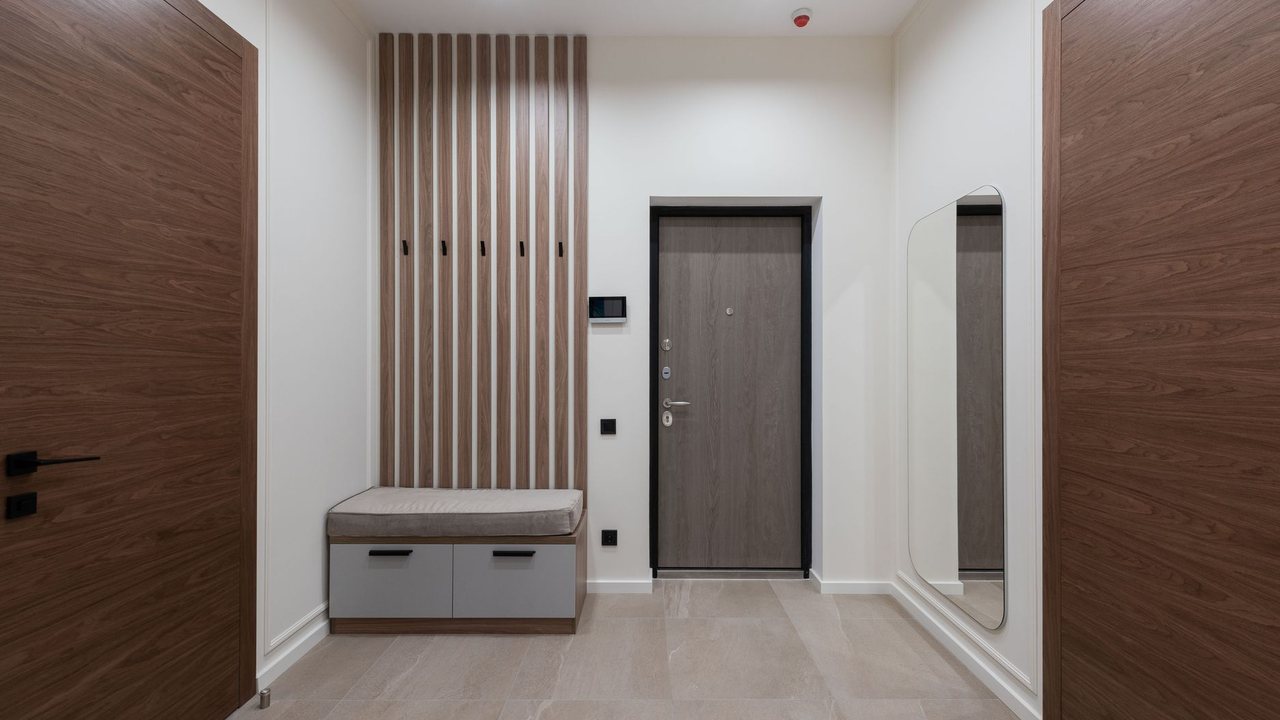
Security entrance doors in Alicante: frame, installation and everyday use
Compare Alicante entrance doors by assembly, frame and installation. Review documentation, everyday access and scope before replacing only the door lock.
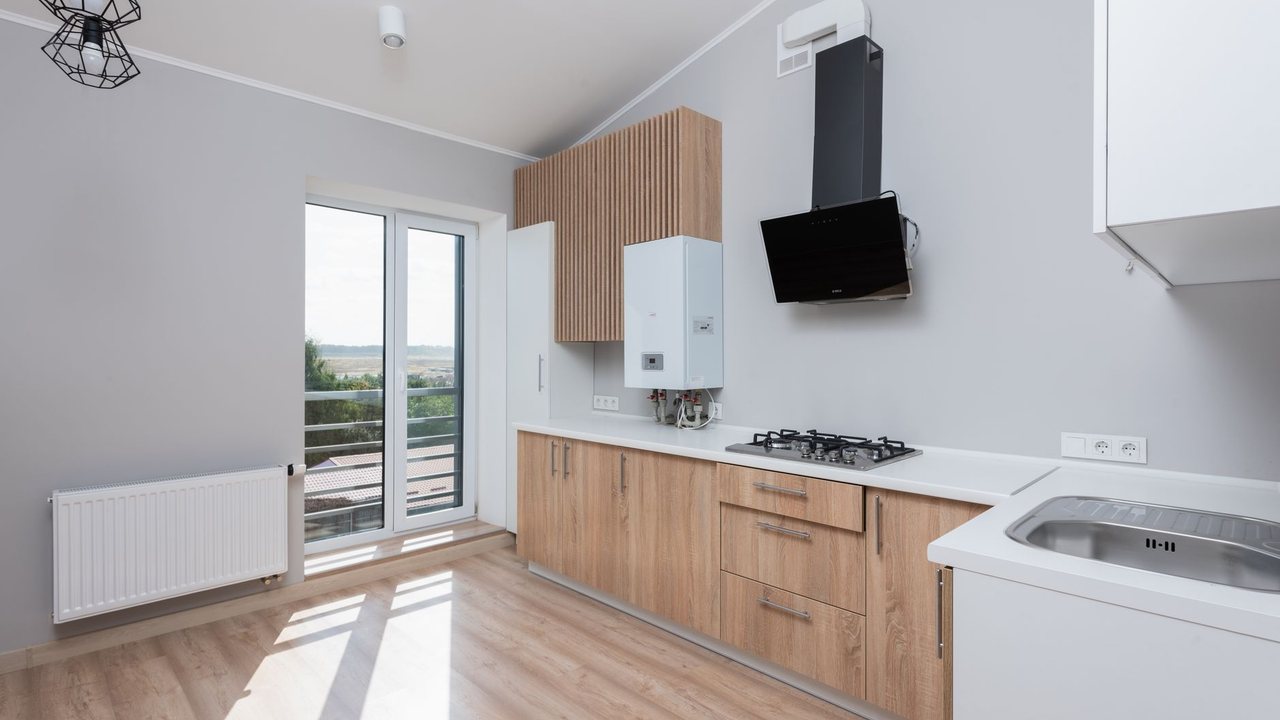
Vinyl flooring in an Alicante kitchen: tiles, cabinets and junctions
Planning vinyl flooring in an Alicante kitchen? Check tiles, moisture, floor heights and fixed cabinets before comparing preparation, fitting and trims.

Changing locks in Alicante after buying or renovating: key handover
Arrange a door and lock assessment, define authorised copies and document the key handover after buying a property or completing renovation work.
AI for construction documentation: photos, site notes and estimates with control
The most practical AI use in renovation is not autonomous construction: it is organising photos, changes, notes and traceable estimates.
Moving during an Alicante renovation: storage and returning home
Quote outward and return moves separately, prepare an inventory and agree how bookings can change if the renovation timetable moves.
Security entrance doors in Alicante: frame, installation and everyday use
Compare Alicante entrance doors by assembly, frame and installation. Review documentation, everyday access and scope before replacing only the door lock.
Subscribe to our newsletter
And get a weekly digest of projects, bidding tips, and key platform updates straight to your inbox.
Vinyl flooring in an Alicante kitchen: tiles, cabinets and junctions
Planning vinyl flooring in an Alicante kitchen? Check tiles, moisture, floor heights and fixed cabinets before comparing preparation, fitting and trims.
Changing locks in Alicante after buying or renovating: key handover
Arrange a door and lock assessment, define authorised copies and document the key handover after buying a property or completing renovation work.
AI for construction documentation: photos, site notes and estimates with control
The most practical AI use in renovation is not autonomous construction: it is organising photos, changes, notes and traceable estimates.
Moving during an Alicante renovation: storage and returning home
Quote outward and return moves separately, prepare an inventory and agree how bookings can change if the renovation timetable moves.
Subscribe to our newsletter
And get a weekly digest of projects, bidding tips, and key platform updates straight to your inbox.
Security entrance doors in Alicante: frame, installation and everyday use
Compare Alicante entrance doors by assembly, frame and installation. Review documentation, everyday access and scope before replacing only the door lock.
Vinyl flooring in an Alicante kitchen: tiles, cabinets and junctions
Planning vinyl flooring in an Alicante kitchen? Check tiles, moisture, floor heights and fixed cabinets before comparing preparation, fitting and trims.
Changing locks in Alicante after buying or renovating: key handover
Arrange a door and lock assessment, define authorised copies and document the key handover after buying a property or completing renovation work.