10 Most Common Renovation Mistakes (and How to Avoid Them)

Learning from Others' Renovation Mistakes
After overseeing hundreds of renovation projects across Spain, I have seen the same mistakes repeated time and again. The good news is that most of these errors are entirely preventable with proper planning, realistic budgeting, and basic due diligence. The bad news is that many homeowners only learn these lessons after experiencing them firsthand, often at significant financial and emotional cost.
The Spanish renovation market has its own unique challenges compared to other European countries. Regional building regulations, the comunidad de propietarios system, IVA complexities, and seasonal demand fluctuations all create traps for the unwary. This guide covers the ten most common mistakes I have encountered, with practical advice to help you navigate around each one.
Mistakes 1 Through 5: Planning and Budget Errors
Mistake 1: Underestimating the budget. The most common mistake by far is setting an unrealistic budget. Spanish homeowners consistently underestimate renovation costs by 25 to 40 per cent. The fix is simple but requires discipline: get detailed quotes, add a 15 to 20 per cent contingency for unforeseen issues, and resist the temptation to upgrade materials mid-project. A 10,000 euro kitchen renovation that creeps up to 14,000 euros through scope changes is painfully common.
Mistake 2: Not getting enough quotes. Many homeowners accept the first or second quote they receive, leaving money on the table and missing red flags. For any project over 3,000 euros, obtain at least three itemised quotes. Compare them line by line, not just by total price. A quote that is 30 per cent below the others is likely cutting corners, while one that is significantly above may include unnecessary work.
Mistake 3: Skipping permits. Attempting to avoid the cost and hassle of a building permit is a false economy. Municipal inspectors do check, especially when neighbours complain about noise or when dumpsters appear outside a building. Fines start at 600 euros and can reach 30,000 euros. Worse, unpermitted work can create serious problems when you try to sell the property, as the buyer's lawyer will check for proper licensing.
Mistake 4: Choosing the cheapest contractor. Price is important, but the cheapest quote often leads to the most expensive renovation. Contractors who underbid typically make up the difference through change orders, corner-cutting, or simply abandoning the project when they realise it is unprofitable. Focus on value: a mid-priced contractor with excellent references will almost always deliver a better outcome than the cheapest option.
Mistake 5: Making decisions during construction. Every change made after work begins costs more than if it had been planned upfront. Moving a plug socket that is already roughed in costs 80 to 150 euros instead of nothing. Changing tile selection after the original tiles have been ordered means paying for both sets. Make all design decisions before demolition day, and commit to them.
Mistakes 6 Through 10: Execution and Oversight Errors
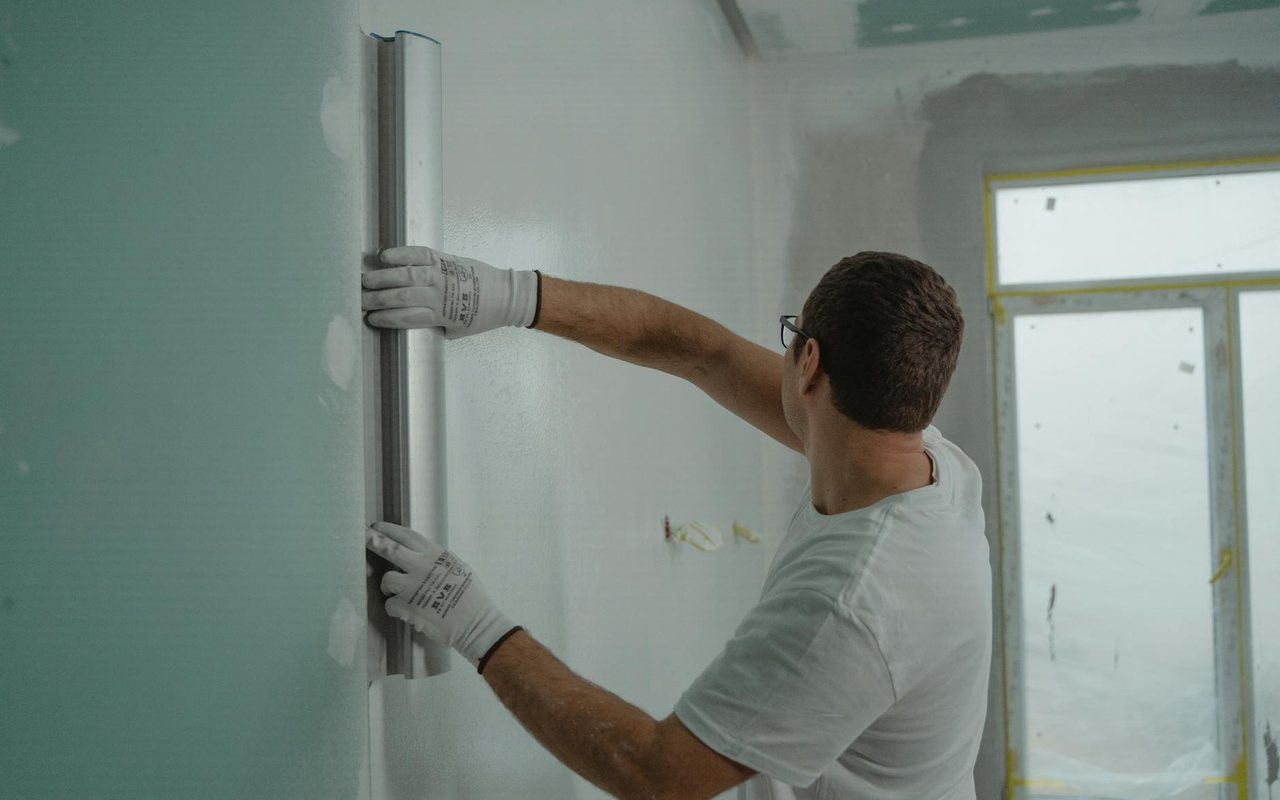
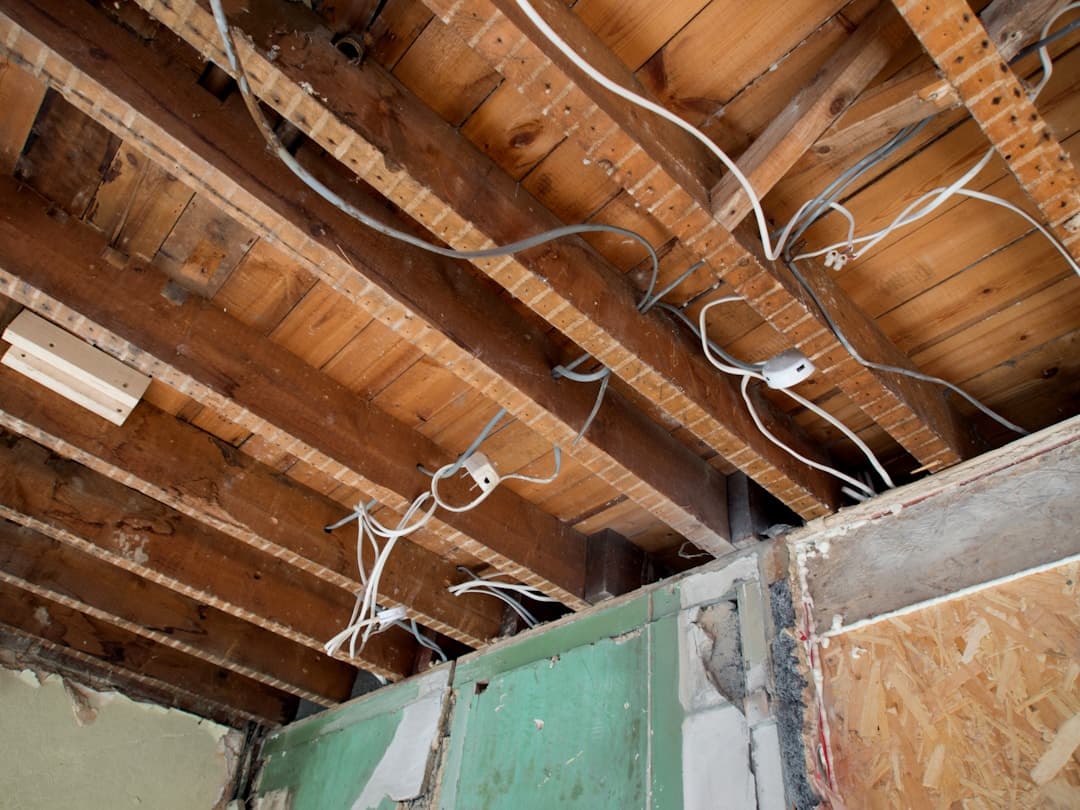
Mistake 6: Not being present during key phases. You do not need to be on site every day, but being present during demolition (to catch hidden problems early), during rough-in (to verify plumbing and electrical placement), and during final inspection (to create a snag list) can prevent costly corrections later. Many issues that are trivial to fix during construction become major problems once walls are closed up.
Mistake 7: Ignoring ventilation and waterproofing. Spanish homes, particularly in coastal areas, are prone to humidity problems. Bathrooms and kitchens need proper ventilation (extractors, not just windows) and waterproofing (membrane systems under tiles in wet areas). Skipping a 300 euro waterproofing membrane can lead to 3,000 euros in mould remediation two years later.
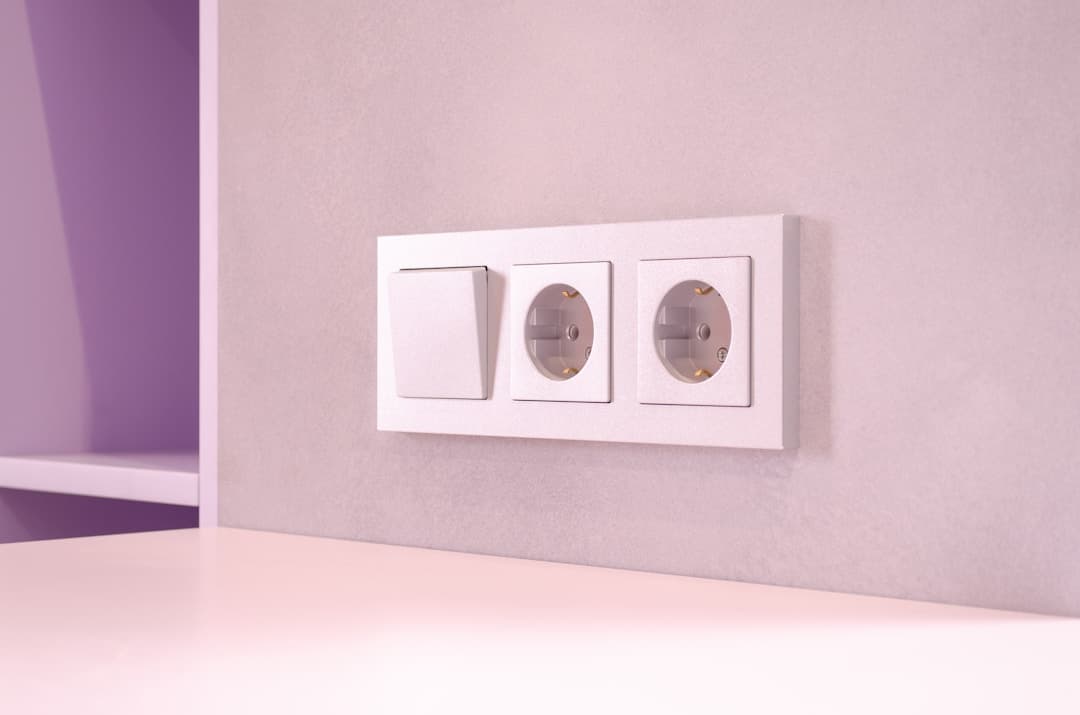
Mistake 8: Overlooking electrical capacity. Older Spanish buildings often have 3.3 kW or 4.4 kW electrical supplies that are insufficient for modern living. Adding an induction hob, air conditioning, and an electric water heater can exceed the available capacity. Upgrading to 5.75 kW or 7.36 kW through your electricity distributor costs 100 to 300 euros and should be planned before the renovation, not discovered after.
Mistake 9: Renovating in peak season without advance planning. June through September is the busiest period for Spanish contractors, and September is when many start new projects after summer holidays. Demand during these months pushes prices up by 10 to 20 per cent and makes scheduling unreliable. Planning your renovation for October through February typically offers better pricing, more attentive service, and faster completion.
Mistake 10: Not documenting everything. Take photos of all plumbing, electrical, and structural work before it is covered by walls or floors. These photos are invaluable for future repairs, insurance claims, and even when hanging shelves years later. Also photograph every invoice, receipt, and written communication with your contractor. In the event of a dispute, documentation is your strongest ally.
Pre-Renovation Checklist to Avoid Common Mistakes
Complete this checklist before any demolition begins to set your project up for success.
- 1Detailed budget with 15-20 per cent contingencyBudget
Create a line-item budget covering every aspect of the renovation. Add a contingency of 15 per cent for properties under 20 years old and 20 per cent for older buildings where hidden surprises are more likely.
- 2At least three comparable, itemised quotesQuotes
Ensure all quotes are based on the same scope of work, with materials and labour separated. Reject quotes that provide only a lump-sum total without breakdown.
- 3All design decisions finalised before work startsDesign
Select tiles, fixtures, paint colours, cabinet finishes, and hardware before demolition. Create a material board and confirm availability and delivery times for all items.
- 4Permits obtained and contractor verifiedLegal
Confirm the required permit has been granted and that your contractor has valid insurance, tax registration, and Social Security coverage for all workers.
- 5Written contract with milestone payment scheduleContract
Never start work without a signed contract specifying scope, timeline, payment milestones, penalty clauses, and warranty terms. Retain 10 to 15 per cent of the total until all snag items are resolved.
Renovation Mistakes FAQ
What is the biggest financial risk in a renovation?
How do I handle disputes with my contractor?
Is it worth hiring an architect for a non-structural renovation?
Related guides and reading
To turn this article into a renovation plan, start with What Is the Cost of Electrical Installation in a Home? and compare it with How Much Does It Cost to Replace a Home's Electrical Installation? and What Is the Cost of Installing an Electric Car Charger in a Shared Garage?. These internal guides help separate budget, permits, technical checks and optional upgrades before you speak with contractors.
For wider context, continue with How to Choose a Reliable Contractor in Spain. Reading related articles together makes the Reformia journal work as a planning path rather than isolated posts.
You may also like
Show All Articles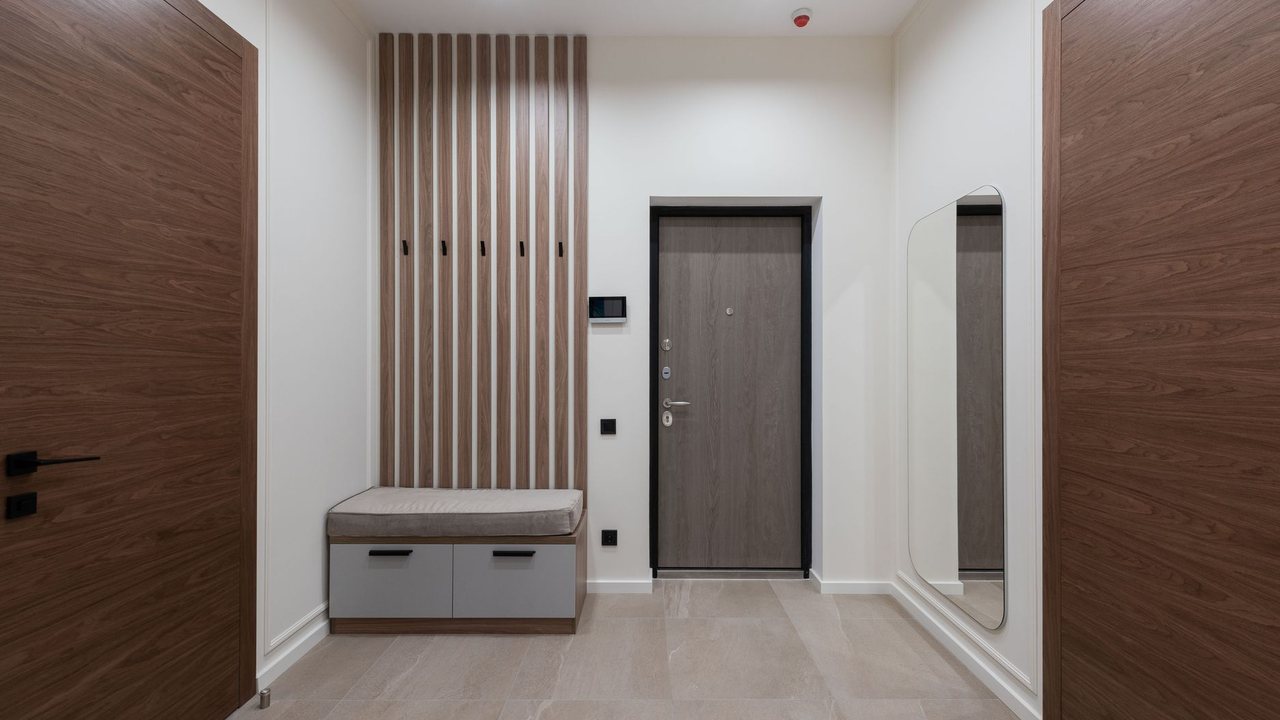
Security entrance doors in Alicante: frame, installation and everyday use
Compare Alicante entrance doors by assembly, frame and installation. Review documentation, everyday access and scope before replacing only the door lock.
Subscribe to our newsletter
And get a weekly digest of projects, bidding tips, and key platform updates straight to your inbox.
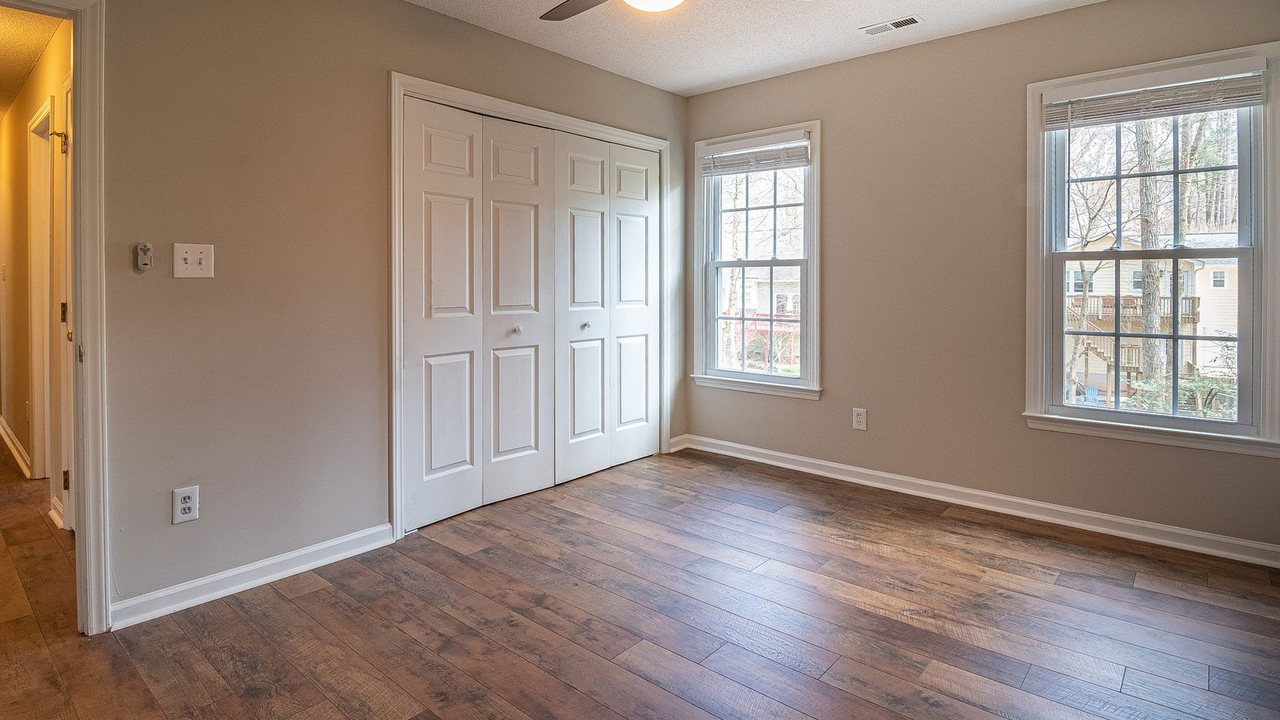
Restoring parquet in Alicante: repair, refinish or replace?
Not every wood-look floor accepts the same treatment. Identify the material and cause of damage before commissioning sanding or replacement.
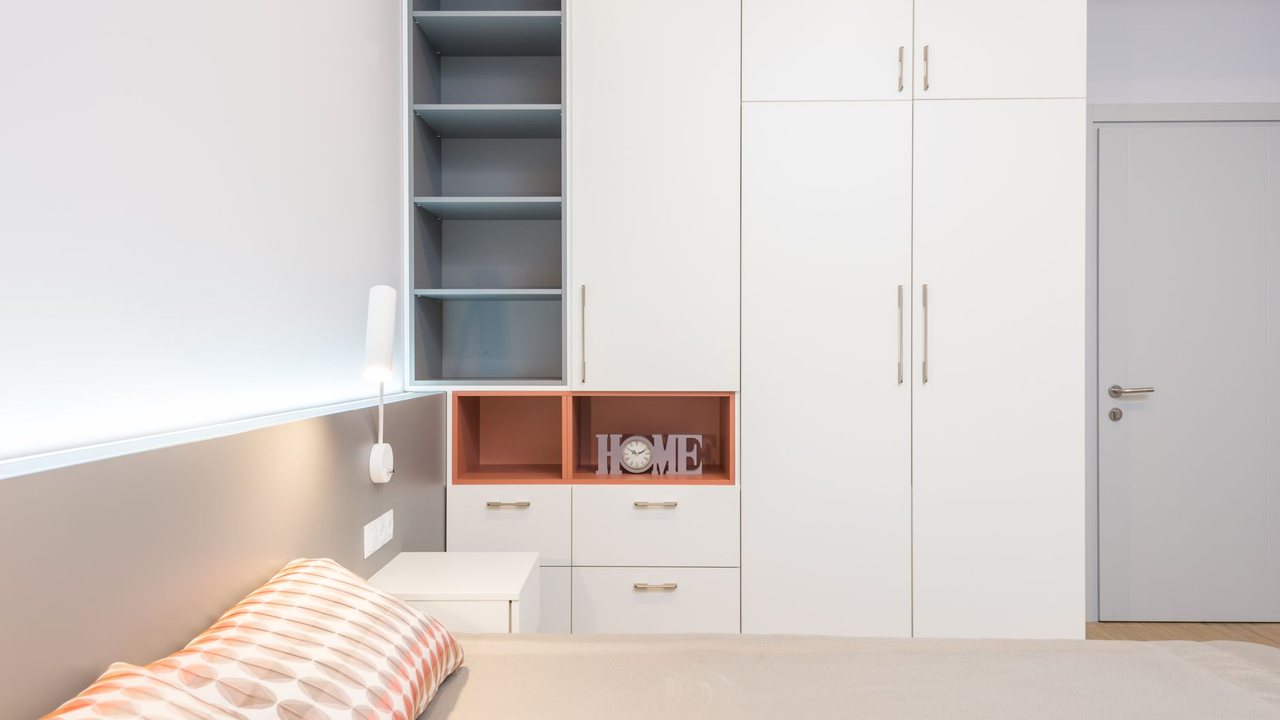
Fitted wardrobes in Alicante: measurements and layout before ordering
A useful wardrobe starts with what you need to store. Check dimensions, doors, drawers, floor junctions and assembly before comparing quotes.
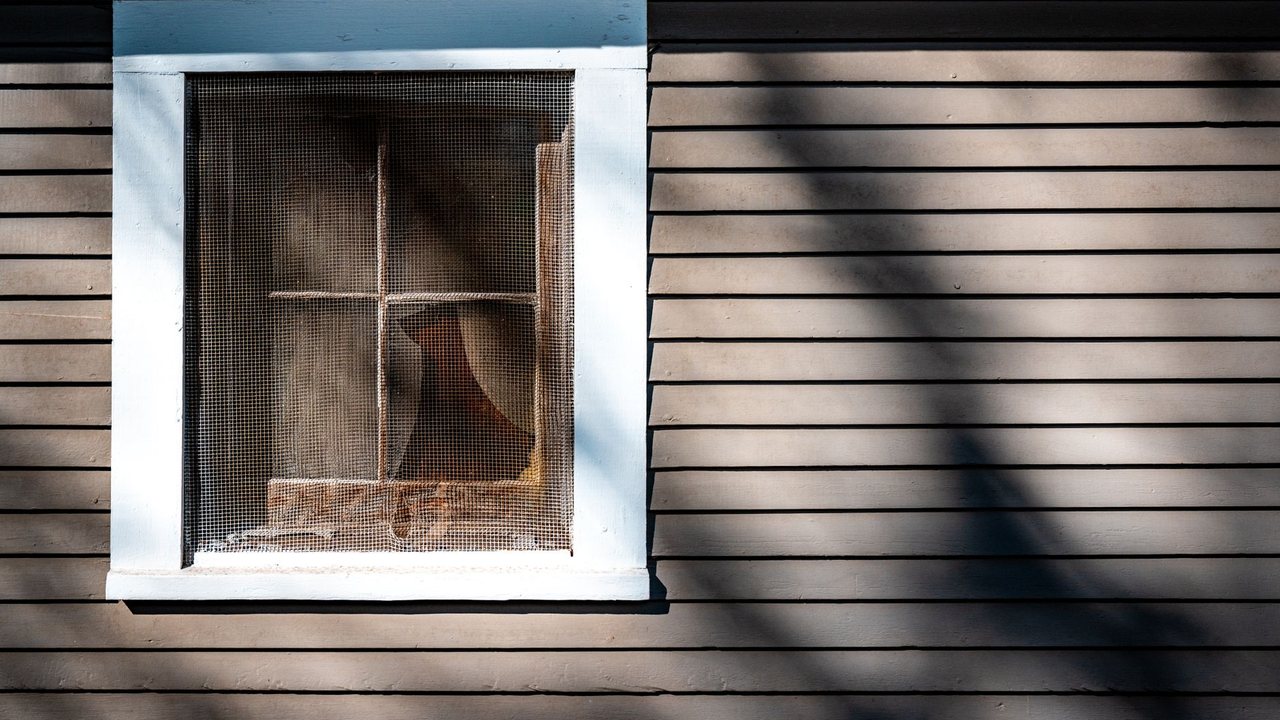
Insect screens on the Costa Blanca: choosing for airflow and easy access
Fixed, sliding or pleated screens: compare opening, cleaning and access, not just the cost of a made-to-measure mesh panel.
Replacing interior doors in Alicante: measurements, flooring and opening direction
Avoid ordering doors before the finished floor is defined. Compare the leaf, frame, hardware, clear opening and finishing work for a coordinated replacement.
Security entrance doors in Alicante: frame, installation and everyday use
Compare Alicante entrance doors by assembly, frame and installation. Review documentation, everyday access and scope before replacing only the door lock.
Restoring parquet in Alicante: repair, refinish or replace?
Not every wood-look floor accepts the same treatment. Identify the material and cause of damage before commissioning sanding or replacement.
Fitted wardrobes in Alicante: measurements and layout before ordering
A useful wardrobe starts with what you need to store. Check dimensions, doors, drawers, floor junctions and assembly before comparing quotes.
Subscribe to our newsletter
And get a weekly digest of projects, bidding tips, and key platform updates straight to your inbox.
Insect screens on the Costa Blanca: choosing for airflow and easy access
Fixed, sliding or pleated screens: compare opening, cleaning and access, not just the cost of a made-to-measure mesh panel.
Replacing interior doors in Alicante: measurements, flooring and opening direction
Avoid ordering doors before the finished floor is defined. Compare the leaf, frame, hardware, clear opening and finishing work for a coordinated replacement.
Security entrance doors in Alicante: frame, installation and everyday use
Compare Alicante entrance doors by assembly, frame and installation. Review documentation, everyday access and scope before replacing only the door lock.
Restoring parquet in Alicante: repair, refinish or replace?
Not every wood-look floor accepts the same treatment. Identify the material and cause of damage before commissioning sanding or replacement.
Subscribe to our newsletter
And get a weekly digest of projects, bidding tips, and key platform updates straight to your inbox.
Fitted wardrobes in Alicante: measurements and layout before ordering
A useful wardrobe starts with what you need to store. Check dimensions, doors, drawers, floor junctions and assembly before comparing quotes.
Insect screens on the Costa Blanca: choosing for airflow and easy access
Fixed, sliding or pleated screens: compare opening, cleaning and access, not just the cost of a made-to-measure mesh panel.
Replacing interior doors in Alicante: measurements, flooring and opening direction
Avoid ordering doors before the finished floor is defined. Compare the leaf, frame, hardware, clear opening and finishing work for a coordinated replacement.