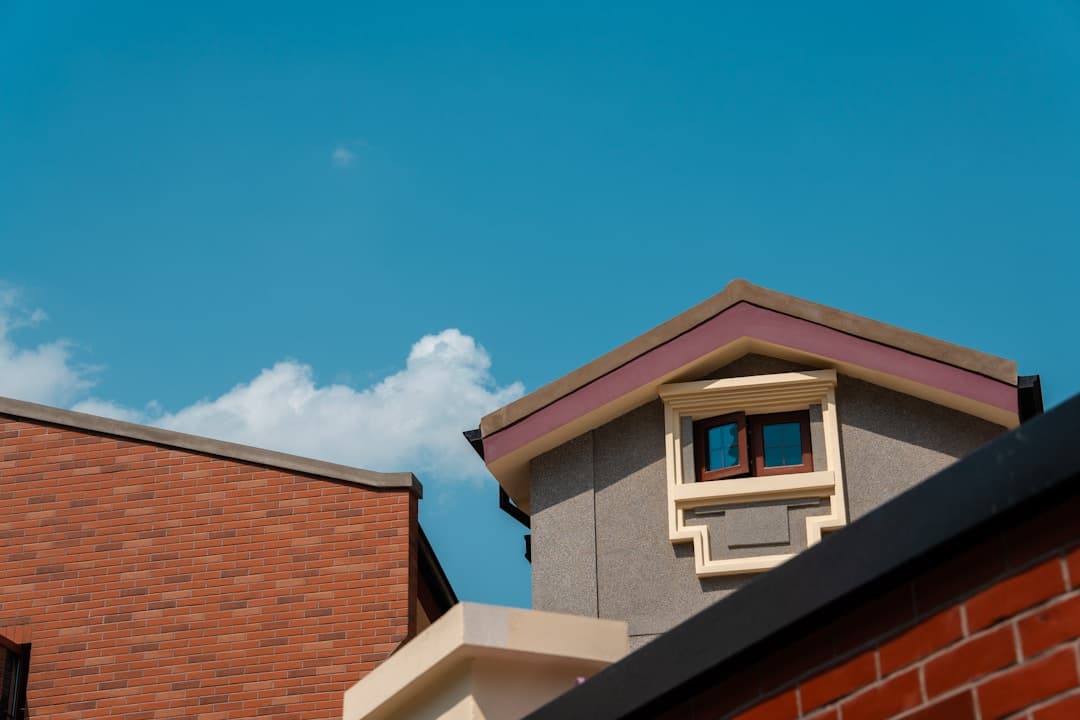
Build a House
Building a new home is a significant project with budgets ranging from 150,000 € to 800,000 €, averaging 475,000 €. The final cost depends on size, materials chosen, and finish level: from 1,200 € per square meter in basic construction to 2,500 € for premium finishes. It's advisable to compare detailed quotes from multiple qualified professionals to ensure the best value for your construction project.
Last reviewed
July 2026
Pricing method
Indicative ranges are compared by scope, measurements, materials, labour, permits, VAT and contingency.
Alicante context
Confirm access, community rules, salt-air exposure and municipal requirements before accepting a quote.
Service levels and prices
Compare the different options available according to your budget and needs.
Basic
Construction of a small single-family home with simple and functional finishes. Includes structure, enclosures, basic installations, and standard finishes.
Standard
Medium-sized single-family home with good quality finishes and personalized design. Includes all modern installations and moderate customization options.
Premium
Luxury single-family home with premium materials, exclusive architectural design, and high-level finishes. Includes smart home systems, maximum energy efficiency, and advanced customization.
Share your project details and get free contact with professionals who work on similar projects.
House Construction Prices
See what homeowners usually pay for the most common tasks. Use these ranges to fine-tune your scope and avoid missing key items in your budget.
Single-family home new construction (basic build)
Single-family home new construction (standard finishes)
Single-family home new construction (premium finishes)
Extension or full renovation of existing home
Sustainable home with energy certification (LEED/Passivhaus)
Townhouse in residential development
Process Steps with Reformia
Building a complete house includes design, permitting, construction, and finishing work.
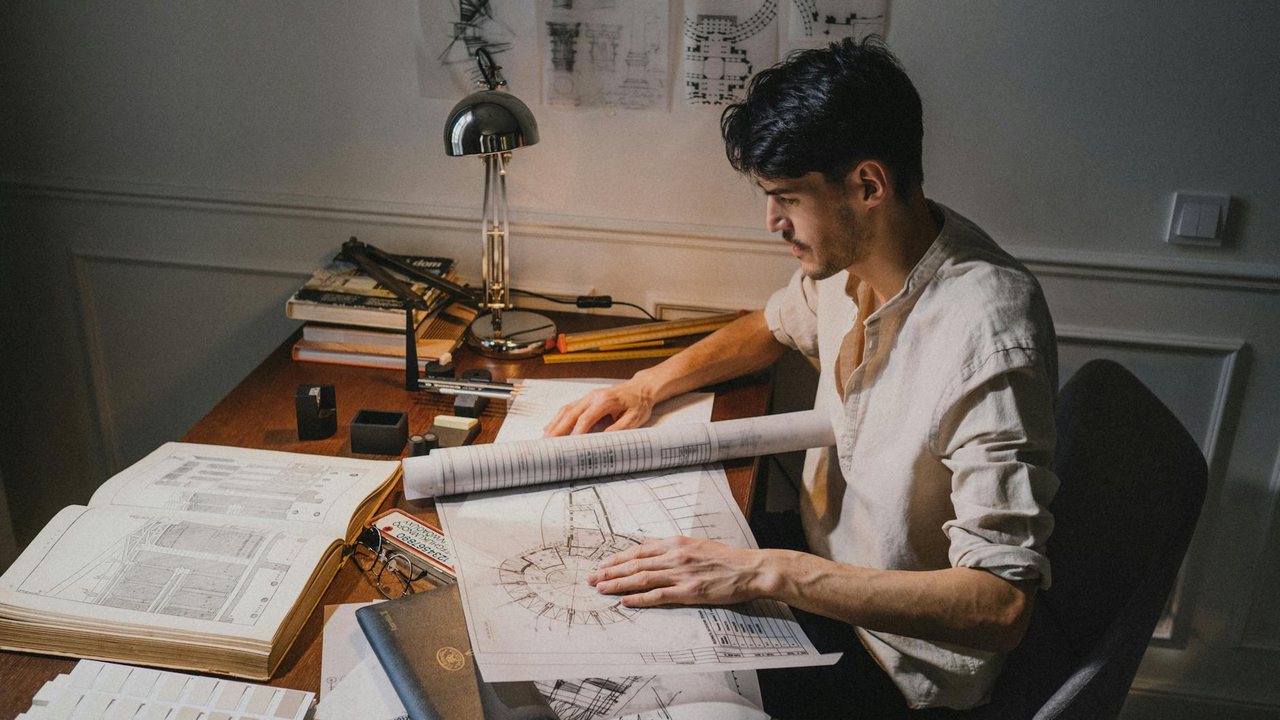
1. Initial Consultation and Site Assessment
Meet with the construction team to discuss your project vision, budget, and timeline. A professional inspector will evaluate the land, soil conditions, and any existing structures to determine feasibility and foundation requirements.
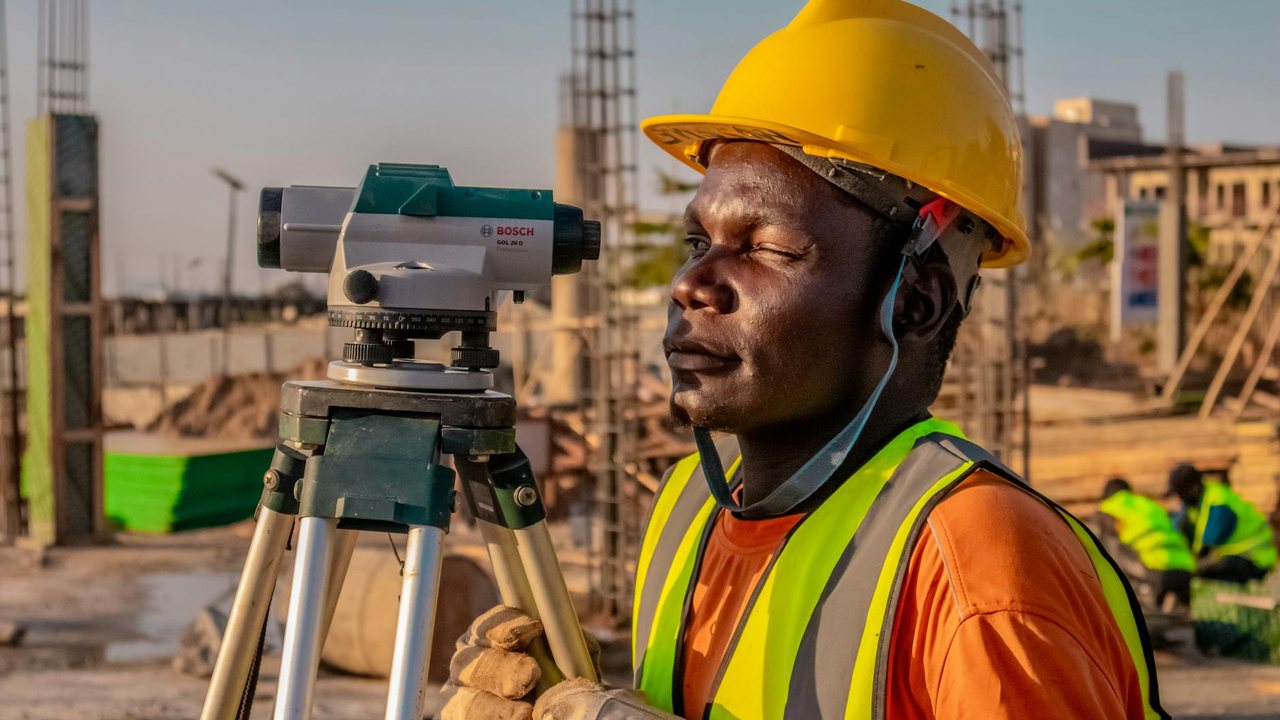
2. Design and Architectural Plans
Work with architects and engineers to create detailed blueprints and 3D renderings. Plans must comply with Spanish building codes (CTE - Código Técnico de la Edificación) and local municipal regulations before obtaining permits.

3. Permits and Licensing
Submit documentation to local authorities (ayuntamiento) for building permits and approvals. This process typically takes 2-4 weeks and includes inspections for urban planning compliance and environmental assessments.
Building a complete house includes design, permitting, construction, and finishing work.
What is usually included in a quote
Each professional may structure quotes differently, but most project budgets follow this logic.
What's Included
What's NOT Included
Process Steps
Building a complete house includes design, permitting, construction, and finishing work.
1. Initial Consultation and Site Assessment
Meet with the construction team to discuss your project vision, budget, and timeline. A professional inspector will evaluate the land, soil conditions, and any existing structures to determine feasibility and foundation requirements.
2. Design and Architectural Plans
Work with architects and engineers to create detailed blueprints and 3D renderings. Plans must comply with Spanish building codes (CTE - Código Técnico de la Edificación) and local municipal regulations before obtaining permits.
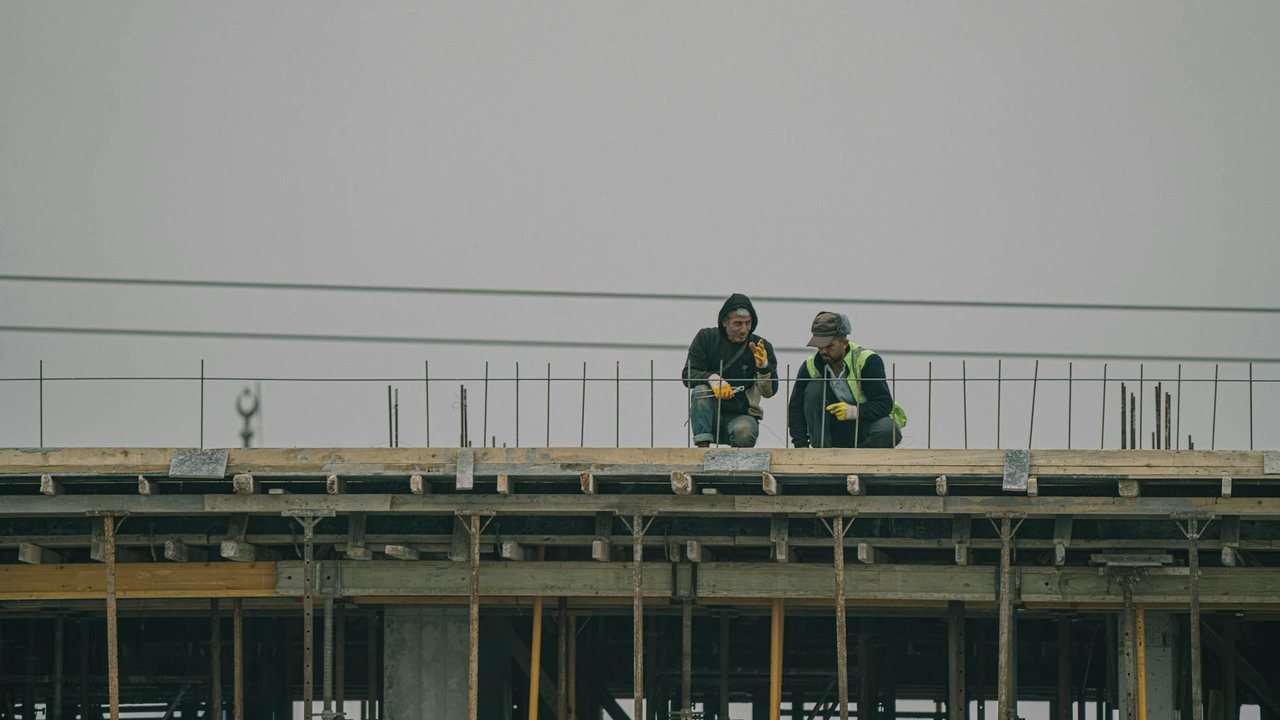
3. Permits and Licensing
Submit documentation to local authorities (ayuntamiento) for building permits and approvals. This process typically takes 2-4 weeks and includes inspections for urban planning compliance and environmental assessments.
4. Foundation and Structural Work
Excavation and foundation pouring begin after permits are approved. This phase includes soil preparation, concrete foundations, and structural framing according to engineering specifications and seismic requirements.
Price Factors
Even similar projects can end with different budgets. These are the factors that most often push costs up or down.
Location and Regional Costs
Prices vary significantly between regions in Spain. Construction in Madrid and Barcelona typically costs 15-25% more than rural areas due to higher labor costs, stricter building codes, and increased material transportation fees.
Land Size and Terrain
Larger plots and complex terrain (sloped land, rocky soil) increase foundation work and site preparation costs. Flat, accessible land with good soil conditions reduces excavation and structural expenses by 10-20%.
Building Materials Quality
Choice between standard construction materials and premium options significantly impacts costs. Energy-efficient windows, insulation, and sustainable materials cost 20-30% more but offer long-term savings and higher property value.
Design Complexity and Permits
Custom architectural designs, special permits, and urban planning requirements add 5-15% to project costs. Simple, rectangular layouts with standard features are more economical than irregular shapes or multiple stories.
Labor Availability
Seasonal demand and local contractor availability affect labor rates. Construction during off-peak months (November-February) can reduce labor costs by 10-15% compared to summer peak season.
Building Codes and Infrastructure
Connection to existing utilities, seismic requirements, and regional building codes impact expenses. Areas requiring reinforced construction or expensive utility connections may add 10-20% to total project costs.
Next step
Use "Build a House" to prepare a short brief before requesting quotes: current condition, must-have scope, optional upgrades, access constraints and timing. Then compare it with House Building price guides so each contractor proposal covers the same work.
General information
Building a complete house includes design, permitting, construction, and finishing work.
Building a house is one of the most important and significant projects a family can undertake. This process involves planning, design, obtaining permits, and executing all construction phases, from foundation to final finishes. The total cost of building a home in Spain varies considerably depending on location, size, quality of materials, and project specifications.
House Construction Cost and Price Guide for Spain
Building a complete house includes design, permitting, construction, and finishing work.
The budget for building a house depends on multiple factors: the constructed area (square meters), type of land, project complexity, architectural features, plot accessibility, and desired finishes. In Spain, the average cost ranges between 1,200 € and 2,500 € per square meter, although this range can vary significantly depending on the region and construction quality.
It is essential to work with specialized professionals such as architects, engineers, technical supervisors, and construction companies with experience. Additionally, you should consider the total project duration, which typically ranges between 12 and 24 months depending on the complexity and size of the construction. Obtaining detailed quotes and comparing options is essential for making the best decision.
Building a new house in Spain involves significant investment, with construction costs typically ranging from €1,200 to €2,500 per square meter, depending on location, materials, and design complexity. For a standard 150-square-meter home, you can expect total construction expenses between €180,000 and €375,000. These price ranges reflect current market conditions across Spain, though regional variations exist—coastal areas and major cities like Madrid and Barcelona generally command higher rates than rural regions. Understanding the realistic cost structure helps homeowners budget appropriately and avoid unexpected expenses during the building process.
The final price of your house construction project depends on multiple factors including architectural design, foundation type, building materials selected, labor availability, and site preparation requirements. When requesting quotes from professional builders, ensure they provide detailed breakdowns covering structural work, electrical systems, plumbing, insulation, and finishing materials. Comparing quotes from multiple construction professionals is essential—not just for finding competitive pricing, but for evaluating different approaches to your project. A comprehensive quote should outline timeline expectations, material specifications, and payment schedules to give you a complete picture of the investment required.
Professional construction companies in Spain typically offer fixed-price contracts or cost-plus arrangements, each with distinct advantages. Fixed-price quotes provide budget certainty but may limit flexibility if design changes arise. Requesting quotes from at least three qualified professionals allows you to identify market rates and service quality differences. Don't solely choose based on the lowest price; consider the professional's experience with similar projects, their reputation, and the comprehensiveness of their quote. Many reputable builders offer warranty guarantees on their work, providing peace of mind that your investment is protected long-term.
A platform built equally for homeowners and professionals
Whether you're planning a renovation or looking for your next project, Reformia gives both sides the tools to connect, compare, and collaborate with confidence.
For individuals
For professionals

You may also like
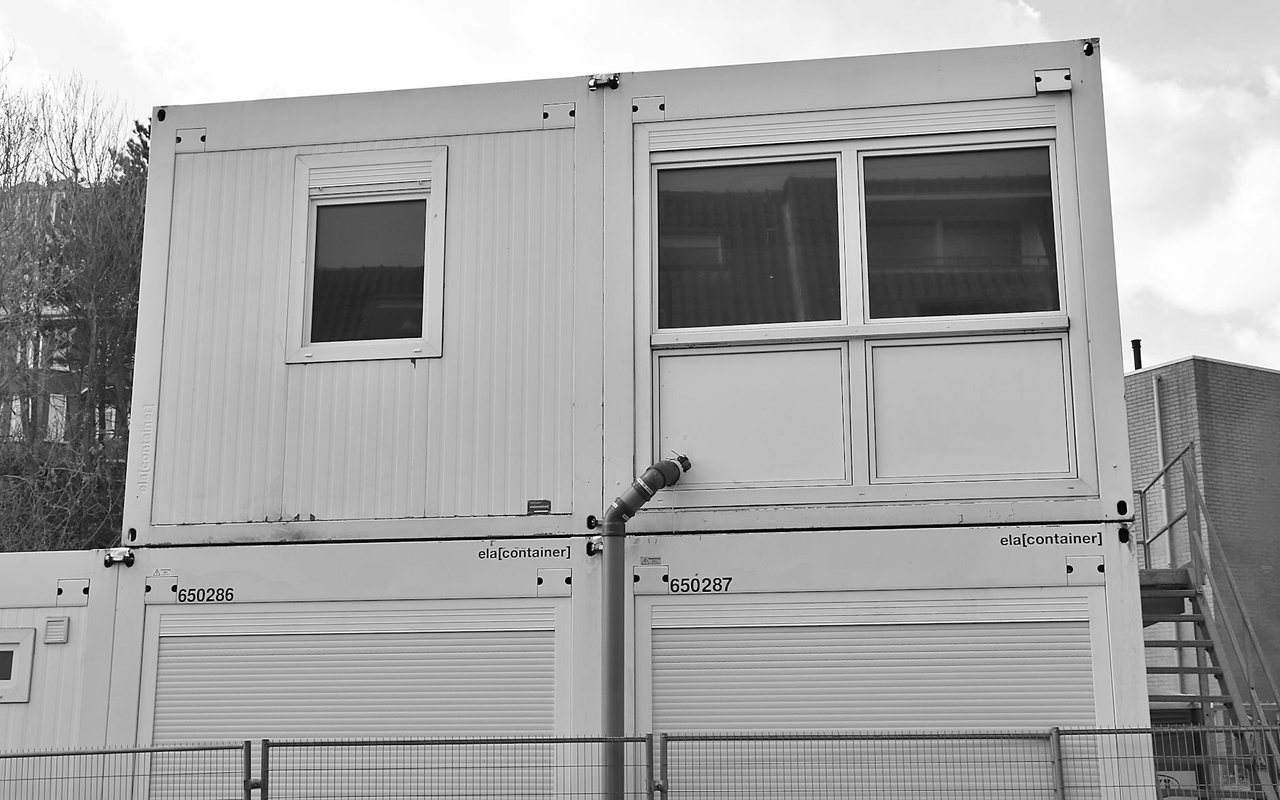
Industrialized Housing in Spain: What It Means for Your Home in 2026
Spain's PERTE initiative is reshaping how homes are built. Learn what modular construction really means, realistic costs, and where it works best for your renovation project.
Read article
Deep home renovation in Spain: what counts and when it pays off
What counts as deep renovation, when it makes sense to bundle insulation, windows, HVAC and accessibility work, and how to avoid an underpowered retrofit.
Read article
10 Most Common Renovation Mistakes (and How to Avoid Them)
Avoid the costly pitfalls that derail home renovation projects in Spain. From budget blowouts to permit problems, learn from others' mistakes.
Read articleFrequently asked questions
What is the average cost per square meter for building a house in Spain?
The average cost in Spain ranges between 1,200 € and 2,500 € per square meter of construction. This range varies significantly depending on several factors: geographic location (building in Madrid is different from a rural region), quality of materials chosen, architectural complexity of the project, land conditions, and level of finishes. In high-demand areas such as Madrid, Barcelona, or coastal zones, prices tend to be higher. For a more precise calculation, it is recommended to request quotes from local construction companies.
How long does it take to build a house from scratch?
The total construction time typically ranges between 12 and 24 months, depending on several factors. A medium-sized single-family home (150-250 m²) generally requires between 14 and 18 months. This time includes: 1-3 months for administrative management and obtaining permits, 2-3 months for foundation and structure, 2-3 months for enclosures and installations, and 2-4 months for final finishes. Factors such as adverse weather conditions, project changes, or supply delays can extend this timeline.
What is the difference between turnkey budget and phased budget?
A 'turnkey' budget is a single global figure that includes all construction concepts, from foundation to final delivery. The builder assumes full project responsibility. This system offers more budget security but less flexibility. In contrast, a phased budget breaks down each construction stage, allowing greater control and possible modifications during the process. This option requires closer monitoring but offers more transparency and control over specific costs.
What warranties are normally included in new construction?
By law in Spain, all new construction includes mandatory liability insurance coverage for 10 years from the completion date. This warranty covers serious structural construction defects. Additionally, builders usually offer finishes warranty between 1 and 2 years, which covers minor defects. It is recommended that the warranty be documented in writing in the contract. Some builders offer extended warranties of up to 15 years. Make sure the builder has current liability insurance.
What are the hidden or additional costs to consider?
In addition to the main construction budget, there are additional costs to consider: municipal fees and licenses (generally 2-5% of budget), connection to services (water, electricity, sanitation) if not available on the plot, construction taxes, contributions to property associations if applicable, and notarial fees upon completion. It is recommended to add a contingency margin of 5-10% to the total budget for unforeseen expenses. Other indirect costs include construction insurance, quality control, surveying, geotechnical studies, and possible project modifications during execution.
Got more questions? Contact us!
Got more questions? Contact us!
Frequently asked questions
What is the average cost per square meter for building a house in Spain?
The average cost in Spain ranges between 1,200 € and 2,500 € per square meter of construction. This range varies significantly depending on several factors: geographic location (building in Madrid is different from a rural region), quality of materials chosen, architectural complexity of the project, land conditions, and level of finishes. In high-demand areas such as Madrid, Barcelona, or coastal zones, prices tend to be higher. For a more precise calculation, it is recommended to request quotes from local construction companies.
How long does it take to build a house from scratch?
The total construction time typically ranges between 12 and 24 months, depending on several factors. A medium-sized single-family home (150-250 m²) generally requires between 14 and 18 months. This time includes: 1-3 months for administrative management and obtaining permits, 2-3 months for foundation and structure, 2-3 months for enclosures and installations, and 2-4 months for final finishes. Factors such as adverse weather conditions, project changes, or supply delays can extend this timeline.
What is the difference between turnkey budget and phased budget?
A 'turnkey' budget is a single global figure that includes all construction concepts, from foundation to final delivery. The builder assumes full project responsibility. This system offers more budget security but less flexibility. In contrast, a phased budget breaks down each construction stage, allowing greater control and possible modifications during the process. This option requires closer monitoring but offers more transparency and control over specific costs.
What warranties are normally included in new construction?
By law in Spain, all new construction includes mandatory liability insurance coverage for 10 years from the completion date. This warranty covers serious structural construction defects. Additionally, builders usually offer finishes warranty between 1 and 2 years, which covers minor defects. It is recommended that the warranty be documented in writing in the contract. Some builders offer extended warranties of up to 15 years. Make sure the builder has current liability insurance.
What are the hidden or additional costs to consider?
In addition to the main construction budget, there are additional costs to consider: municipal fees and licenses (generally 2-5% of budget), connection to services (water, electricity, sanitation) if not available on the plot, construction taxes, contributions to property associations if applicable, and notarial fees upon completion. It is recommended to add a contingency margin of 5-10% to the total budget for unforeseen expenses. Other indirect costs include construction insurance, quality control, surveying, geotechnical studies, and possible project modifications during execution.