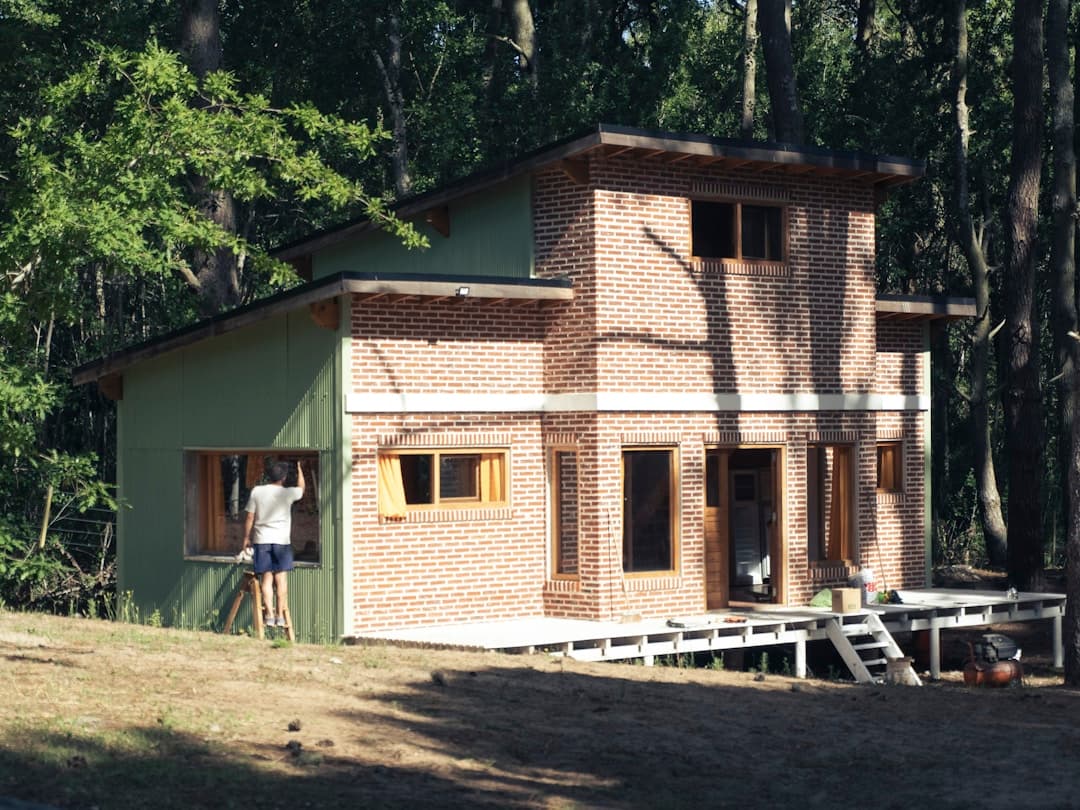
Build a House with Structure Already in Place: Price and Quotes
Building a house with an already-raised structure has an average budget of 1,800 €, with a general range between 800 € and 2,800 € depending on the project scope. The final price varies according to factors such as house size, chosen materials, and work complexity: from basic plumbing and electrical installations (650 €) to brick facing (450 €) or roof installation (520 €). It is recommended to request detailed quotes from several professionals to compare options and ensure the best value for your project.
The amounts are indicative and come from the imported original guide. The final budget depends on scope, materials, and the previous state of the space.
Last reviewed
July 2026
Edited by: Luis Rodenas
Pricing method
Indicative ranges are compared by scope, measurements, materials, labour, permits, VAT and contingency.
Alicante context
Confirm access, community rules, salt-air exposure and municipal requirements before accepting a quote.
Service Levels and Prices
Compare the different available options according to your budget and needs.
Basic
Completion of structure with basic enclosures, simple sanitary and electrical installations, and functional finishes.
Standard
Complete finishing with improved enclosures, thermal insulation, professional installations, and medium-to-high quality finishes.
Premium
Luxury finish with high-efficiency energy systems, premium materials, smart home automation, and personalized finishes.
Share your project details and get free contact with professionals who work on similar projects.
House Construction Prices with Structure Already Erected
See what homeowners usually pay for the most common tasks. Use these ranges to fine-tune your scope and avoid missing key items in your budget.
Closures and facade with exposed brick
Installation of floor slabs and vault blocks
Roof installation (ceramic tiles)
Interior partitioning and backing systems
Basic installations (plumbing, electrical, gas)
Complete interior finishes (tiling, painting, flooring)
Process Steps with Reformia
Building out a house when the structural frame is already complete focuses on interior finishing and systems installation.
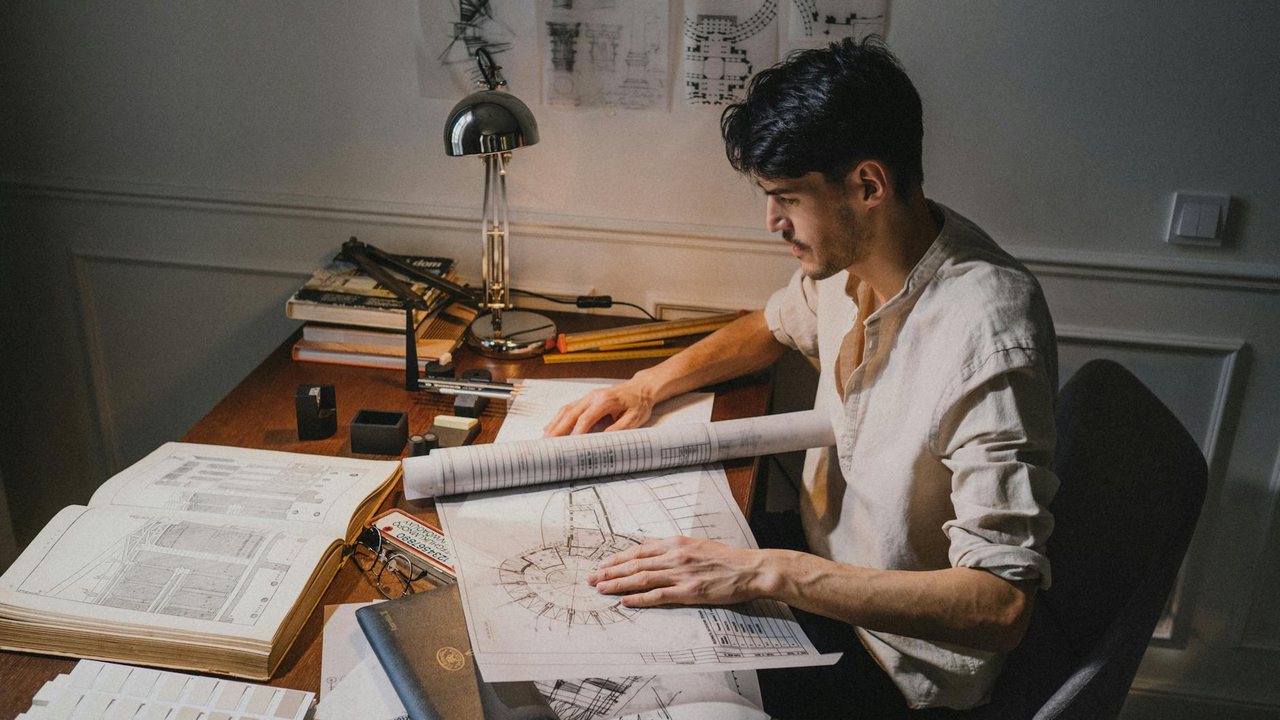
1. Initial Assessment and Site Inspection
A professional contractor visits the property to evaluate the existing structure, foundation condition, and structural integrity. They inspect for any damage, assess building codes compliance, and determine what preparatory work is needed before construction can proceed.
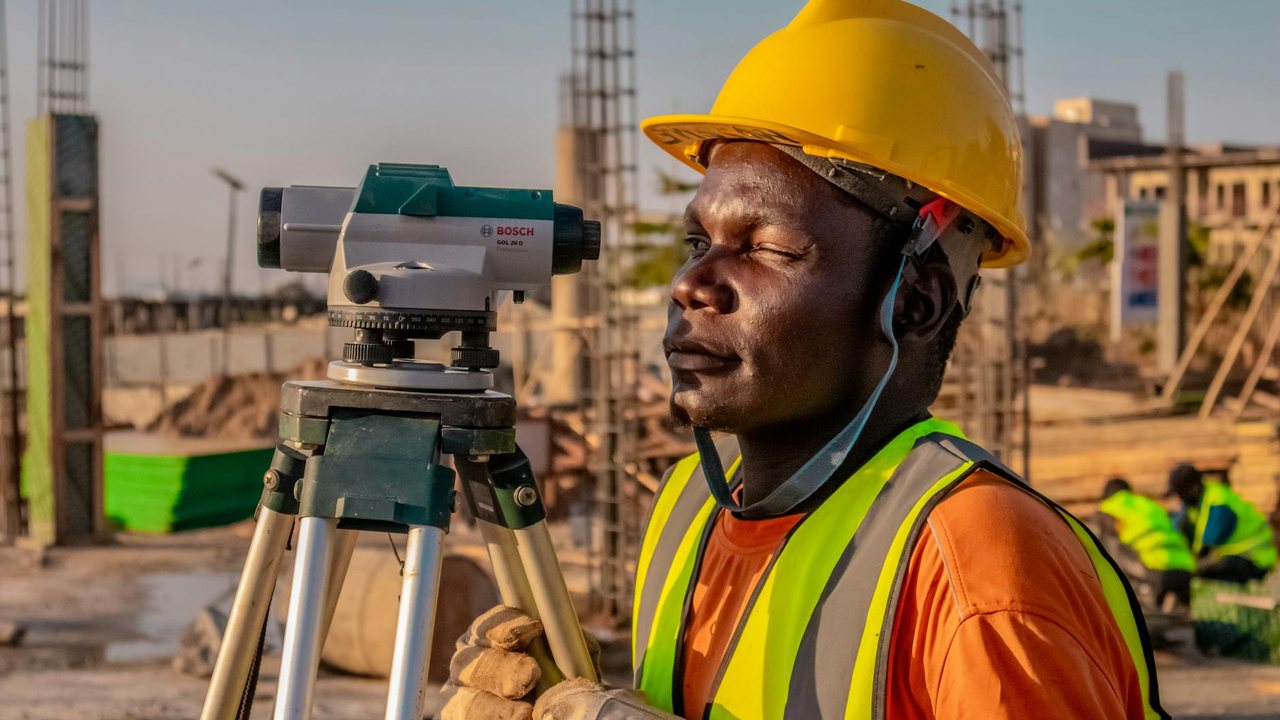
2. Detailed Project Planning and Budget Estimation
Based on the inspection, the contractor creates a comprehensive project plan including architectural drawings, material specifications, and a detailed budget breakdown. This phase typically takes 5-10 business days and includes estimates for labor, materials, permits, and timeline.

3. Obtain Building Permits and Licenses
All necessary municipal permits and construction licenses are obtained from local authorities (ayuntamiento). This process can take 2-6 weeks depending on your region in Spain and project complexity. Without proper permits, construction cannot legally proceed.
Building out a house when the structural frame is already complete focuses on interior finishing and systems installation.
What is usually included in a quote
Each professional may structure quotes differently, but most project budgets follow this logic.
What's Included
What's NOT Included
Process Steps
Building out a house when the structural frame is already complete focuses on interior finishing and systems installation.
1. Initial Assessment and Site Inspection
A professional contractor visits the property to evaluate the existing structure, foundation condition, and structural integrity. They inspect for any damage, assess building codes compliance, and determine what preparatory work is needed before construction can proceed.
2. Detailed Project Planning and Budget Estimation
Based on the inspection, the contractor creates a comprehensive project plan including architectural drawings, material specifications, and a detailed budget breakdown. This phase typically takes 5-10 business days and includes estimates for labor, materials, permits, and timeline.
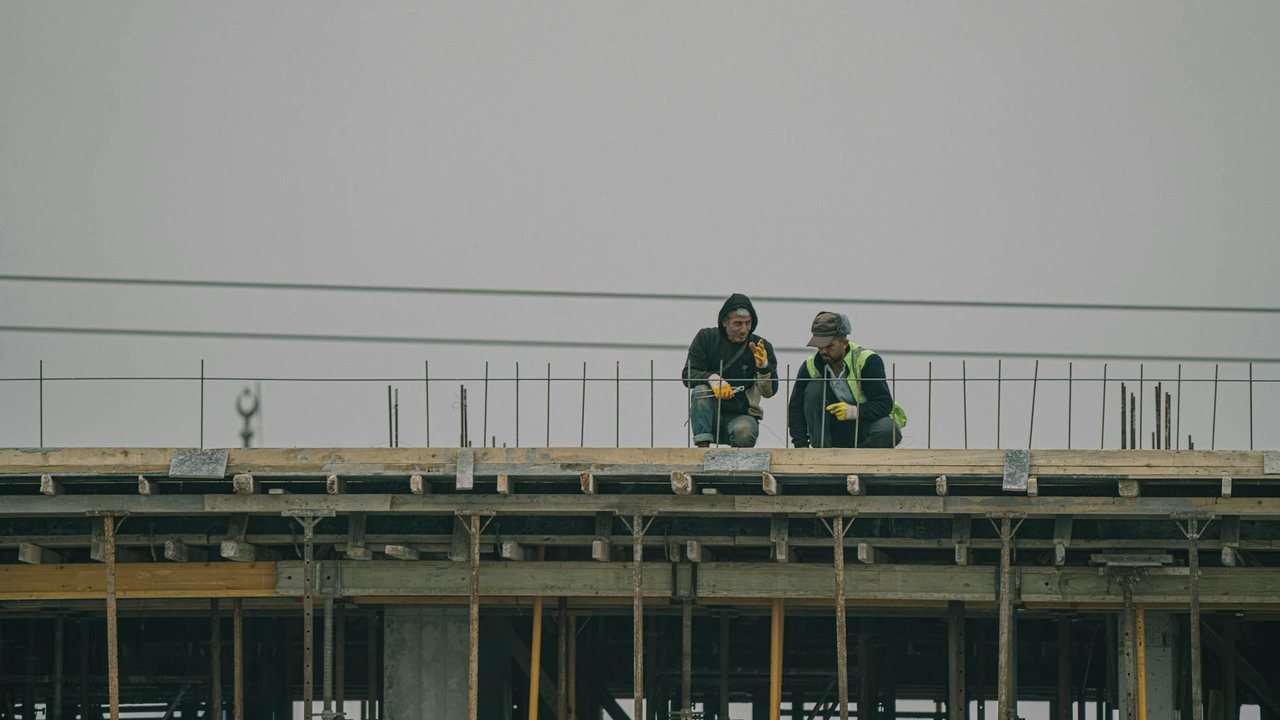
3. Obtain Building Permits and Licenses
All necessary municipal permits and construction licenses are obtained from local authorities (ayuntamiento). This process can take 2-6 weeks depending on your region in Spain and project complexity. Without proper permits, construction cannot legally proceed.
4. Structural Reinforcement and Preparation
The existing structure is reinforced if needed, including repairs to foundations, columns, or beams. Utilities (water, electricity, gas) are planned and rough-in installations begin. This phase typically lasts 1-2 weeks depending on structural requirements.
Price Factors
Even similar projects can end with different budgets. These are the factors that most often push costs up or down.
Structural Condition and Materials
The quality and integrity of the existing structure significantly affects costs. Reinforced concrete frames cost less to work with than older brick or stone structures that may require additional reinforcement or repairs before proceeding with construction.
Interior Finishing Standards
Costs vary greatly depending on desired finishes. Basic construction (rough plastering, standard flooring) is considerably cheaper than premium finishes including designer tiles, wooden floors, or high-end bathroom and kitchen installations.
Building Size and Complexity
Larger properties and complex floor plans with multiple levels, curved walls, or unusual layouts require more labor and materials. A simple rectangular home shell is more economical to complete than intricate architectural designs.
Location and Accessibility
Urban locations in major Spanish cities (Madrid, Barcelona, Valencia) command higher labor rates than rural areas. Additionally, difficult site access requiring special equipment or scaffolding increases construction expenses.
Building Code Compliance and Permits
Regional variations in Spanish building codes (CTE - Código Técnico de la Edificación) and local regulations affect material specifications and labor requirements. Some autonomous communities have stricter energy efficiency standards, impacting insulation and HVAC costs.
Timeline and Seasonal Factors
Rush projects requiring accelerated schedules incur premium labor costs. Weather conditions also play a role—winter construction in northern Spain may involve additional heating and weather protection expenses not needed during summer months.
Next step
Use "Build a House with Structure Already in Place: Price and Quotes" to prepare a short brief before requesting quotes: current condition, must-have scope, optional upgrades, access constraints and timing. Then compare it with House Building price guides so each contractor proposal covers the same work.
General Information
Building out a house when the structural frame is already complete focuses on interior finishing and systems installation.
Building a house by taking advantage of an already-standing structure is an economical and practical solution for many Spanish families. This type of project involves working on existing foundations, walls, and floors, eliminating a large portion of the time and cost of building from scratch. The final budget will depend on the condition of the structure, the size of the dwelling, and the finishes you wish to incorporate.
Building a House with an Existing Structure: Cost and Budget Guide
Building out a house when the structural frame is already complete focuses on interior finishing and systems installation.
The price of this service varies considerably depending on the region of Spain, the quality of materials, and the desired level of finish. In general, the cost per square meter ranges between 800 € and 2,500 € for thermal envelope work, installations, and finishes. It is essential to conduct a prior technical inspection to assess the soundness of the existing structure before budgeting any work.
Working with an already-standing structure allows you to significantly reduce execution times and labor costs in initial phases. However, it is imperative to work with qualified professionals who verify the stability of the existing construction and prepare a detailed technical project to ensure that the dwelling complies with current safety regulations.
Building a house with a structure already in place is a popular construction approach in Spain, offering both cost savings and time efficiency compared to starting from scratch. The price for completing construction on an existing structure typically ranges from €800 to €1,500 per square meter, depending on the scope of work, location, and quality of finishes. This pricing covers the essential stages needed to transform a standing structure into a finished home, including interior walls, roofing completion, electrical and plumbing systems, insulation, and final aesthetic touches. Understanding the breakdown of these costs is crucial for homeowners planning their budgets and seeking accurate quotes from construction professionals.
The final quote for your project will depend on several variables that significantly impact the overall price. Factors such as the current condition of the existing structure, architectural complexity, material selections, local labor costs, and whether you're working in urban or rural areas of Spain will all influence the final budget. A professional assessment of the standing structure is essential, as hidden structural issues can substantially alter costs. It's recommended to obtain detailed quotes from multiple professionals in your area, as prices can vary considerably between contractors. Each quote should itemize labor, materials, permits, and timelines to provide a comprehensive understanding of the investment required.
Working with experienced professionals who specialize in completing existing structures ensures your project stays within budget and meets local building codes. When requesting quotes, provide professionals with clear specifications about your desired finish level and timeline expectations. Professional builders can often identify cost-saving opportunities without compromising quality, and they'll have established relationships with suppliers for better material pricing. Comparing quotes from at least three qualified contractors gives you a realistic market price range and helps you identify the best value for your specific project needs in Spain.
A platform built equally for homeowners and professionals
Whether you're planning a renovation or looking for your next project, Reformia gives both sides the tools to connect, compare, and collaborate with confidence.
For individuals
For professionals

You may also like
Buying a house to renovate in Alicante: pre-deposit checklist
Before signing a deposit contract, check visible structure, damp, permits, community rules and real renovation budget so you do not buy blind.
Read article
Deep home renovation in Spain: what counts and when it pays off
What counts as deep renovation, when it makes sense to bundle insulation, windows, HVAC and accessibility work, and how to avoid an underpowered retrofit.
Read article
10 Most Common Renovation Mistakes (and How to Avoid Them)
Avoid the costly pitfalls that derail home renovation projects in Spain. From budget blowouts to permit problems, learn from others' mistakes.
Read articleFrequently Asked Questions
How much does it cost per square meter to build a house with an already-standing structure?
The average price in Spain ranges between 800 € and 2,800 € per square meter, depending on the level of finish and the region. In major cities like Madrid or Barcelona, prices tend to be 20-30% higher. Basic cost with functional finishes is around 1,000 € per m², while a premium finish can exceed 2,500 € per m².
Is it cheaper than building from scratch?
Yes, you save approximately 30-40% compared to complete construction from the foundation up. The savings come from avoiding the costs of excavation, foundation work, floor concrete pouring, and structure. However, if the existing structure requires major reinforcements or repairs, that savings can be considerably reduced.
How long does it take to complete a house with an already-standing structure?
The typical timeframe is between 4 and 10 months depending on size and complexity. A basic 150 m² project can be completed in 5-6 months, while a premium one with extras like smart home automation or underground garage can take 8-12 months. The critical factor is the availability of labor and weather conditions.
What documentation do I need before starting the work?
You need: municipal building permit, complete technical project (architectural and specialty designs), structural inspection report, detailed budget with materials list, contractor's liability insurance, and ten-year warranty document. Without these documents, you will not be able to obtain the habitability certificate at the end.
What problems are most common in existing structures?
The most frequent are: cracks from differential settlement, moisture from capillarity, rebar corrosion in old concrete, insufficient load-bearing capacity, and lack of thermal insulation. A good technical report will identify these problems, allowing you to budget for repairs. Structural repairs can add 100-400 € per m² to the total budget.
Got more questions? Contact us!
Got more questions? Contact us!
Frequently Asked Questions
How much does it cost per square meter to build a house with an already-standing structure?
The average price in Spain ranges between 800 € and 2,800 € per square meter, depending on the level of finish and the region. In major cities like Madrid or Barcelona, prices tend to be 20-30% higher. Basic cost with functional finishes is around 1,000 € per m², while a premium finish can exceed 2,500 € per m².
Is it cheaper than building from scratch?
Yes, you save approximately 30-40% compared to complete construction from the foundation up. The savings come from avoiding the costs of excavation, foundation work, floor concrete pouring, and structure. However, if the existing structure requires major reinforcements or repairs, that savings can be considerably reduced.
How long does it take to complete a house with an already-standing structure?
The typical timeframe is between 4 and 10 months depending on size and complexity. A basic 150 m² project can be completed in 5-6 months, while a premium one with extras like smart home automation or underground garage can take 8-12 months. The critical factor is the availability of labor and weather conditions.
What documentation do I need before starting the work?
You need: municipal building permit, complete technical project (architectural and specialty designs), structural inspection report, detailed budget with materials list, contractor's liability insurance, and ten-year warranty document. Without these documents, you will not be able to obtain the habitability certificate at the end.
What problems are most common in existing structures?
The most frequent are: cracks from differential settlement, moisture from capillarity, rebar corrosion in old concrete, insufficient load-bearing capacity, and lack of thermal insulation. A good technical report will identify these problems, allowing you to budget for repairs. Structural repairs can add 100-400 € per m² to the total budget.