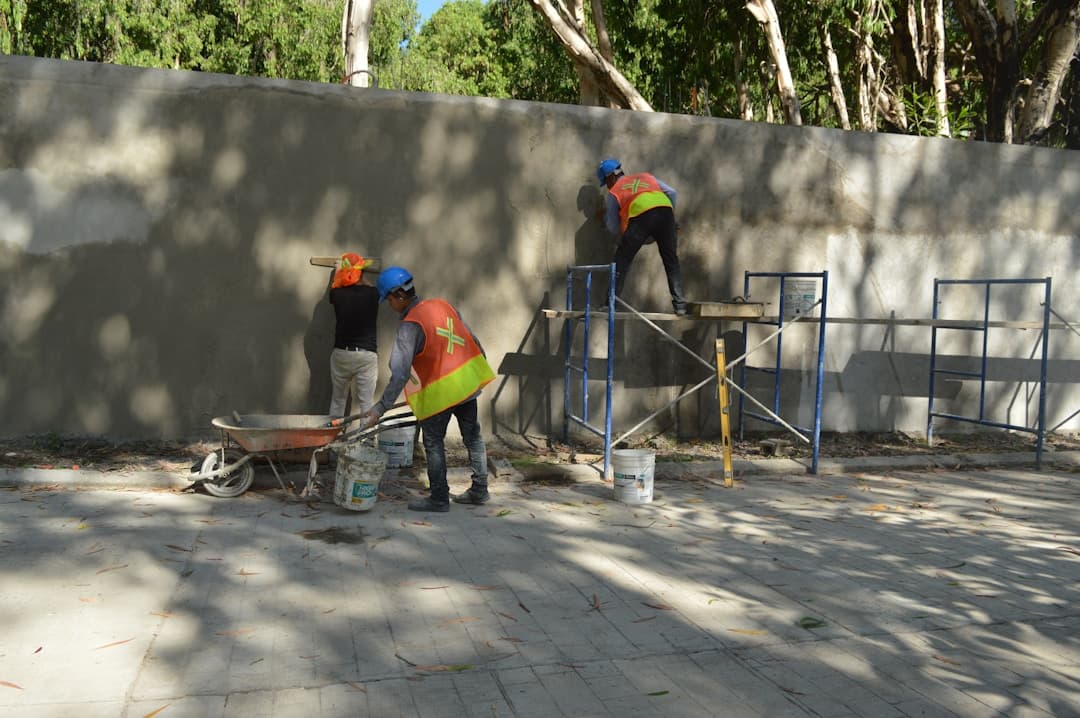
Installing Stamped Concrete
Stamped concrete is a decorative finish that transforms concrete surfaces with patterns and textures, with prices ranging from 800 € to 15,000 €. The final cost depends on the surface area, pattern complexity, and additional treatments such as UV sealing, from basic options at 45 € per m² to premium designs with relief at 85 € per m². We recommend requesting quotes from several professionals to compare options and ensure the best value for your project.
Last reviewed
August 2026
Pricing method
Indicative ranges are compared by scope, measurements, materials, labour, permits, VAT and contingency.
Alicante context
Confirm access, community rules, salt-air exposure and municipal requirements before accepting a quote.
Service Levels and Prices
Compare the different options available based on your budget and needs.
Basic
Installation of printed concrete with standard design, predefined colors, and basic finish. Ideal for small surfaces or projects with limited budgets.
Standard
Professional installation with more elaborate designs, multiple colors, and medium-to-high quality finishes. The most popular option in the Spanish market.
Premium
High-end solution with complex custom designs, artisanal finishes, and advanced protection treatments. Perfect for spaces requiring maximum visual impact.
Share your project details and get free contact with professionals who work on similar projects.
Stamped Concrete Prices
See what homeowners usually pay for the most common tasks. Use these ranges to fine-tune your scope and avoid missing key items in your budget.
Basic stamped concrete - simple pattern
Standard stamped concrete - medium pattern
Premium stamped concrete - complex pattern with relief
Stamped concrete with sealing and UV protection
Base preparation and ground leveling
Repair and re-stamping of damaged areas
Steps for Installing Stamped Concrete with Reformia
Learn about typical costs for stamped concrete installation.
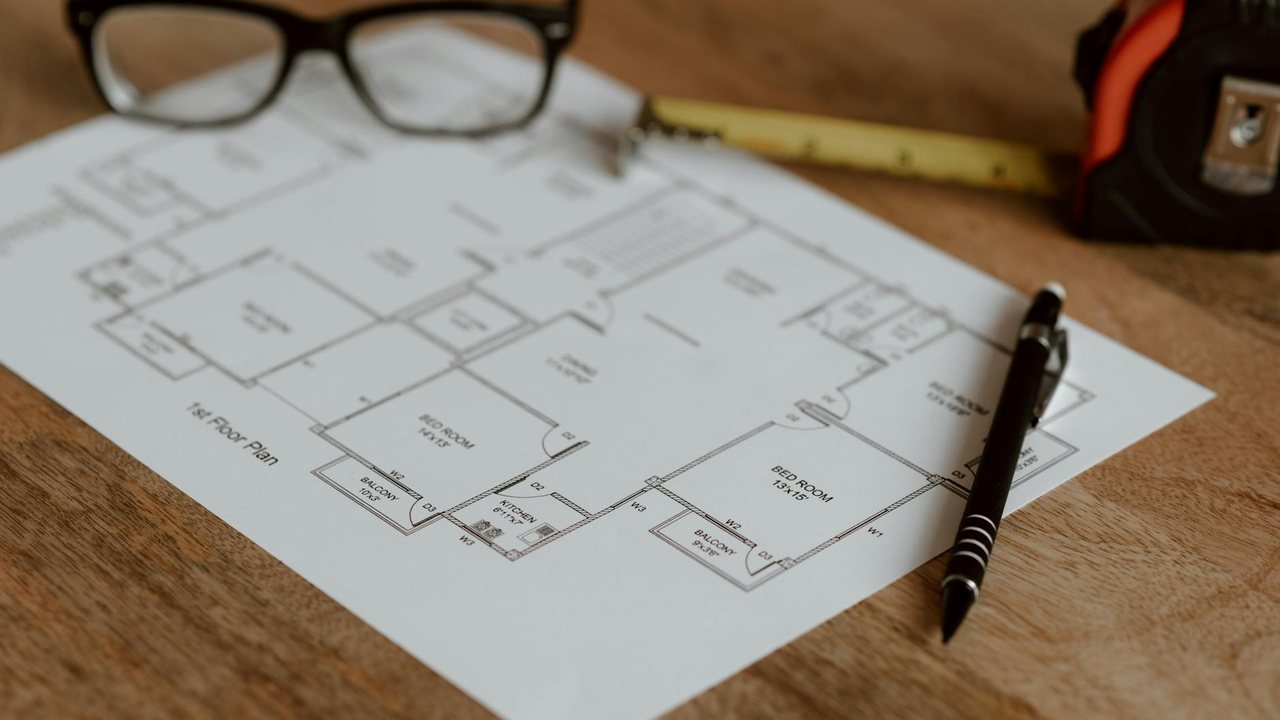
1. Site preparation and cleaning
The first step in stamped concrete installation is thoroughly cleaning and preparing the area. Debris, vegetation, and loose materials are removed to ensure a perfect foundation. This preparation is essential for the printed concrete to have optimal adhesion and superior durability.
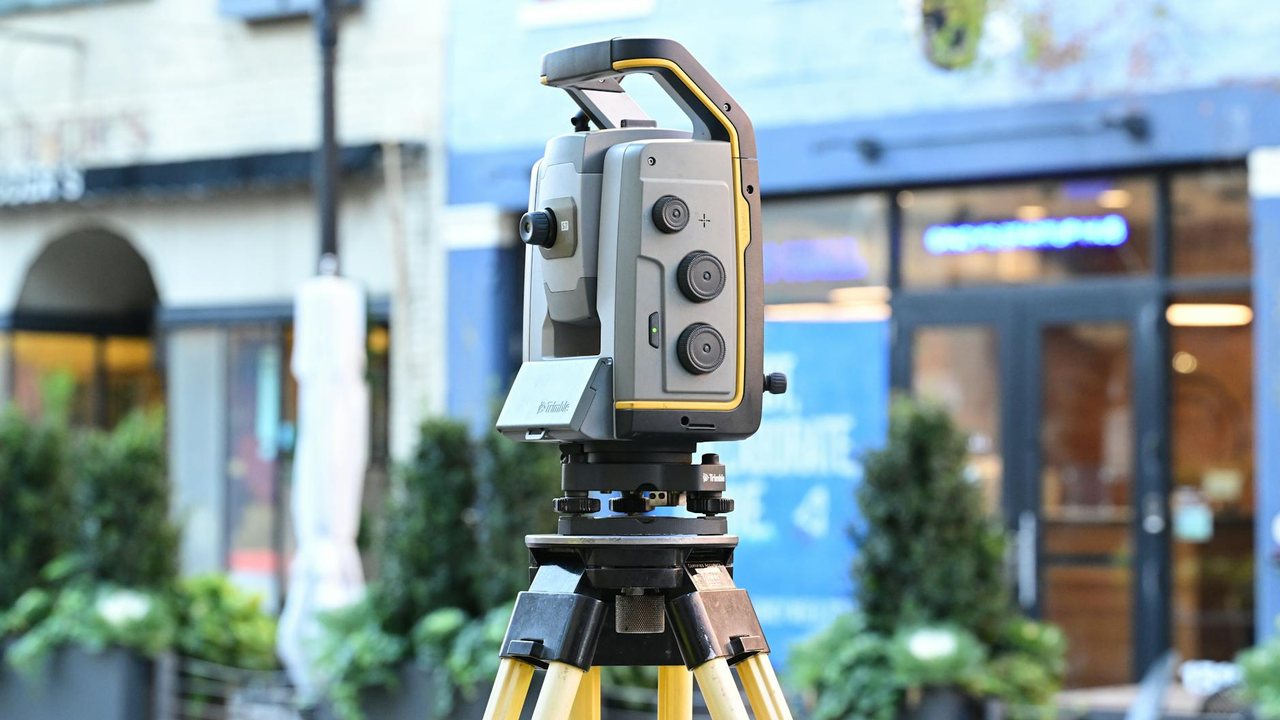
2. Base leveling and compaction
The ground is carefully leveled and the base is compacted with specialized machinery. This process, including preparation and leveling from 15 €, is crucial to prevent future cracks and settling. A well-prepared base ensures that the stamped concrete maintains its pattern and finish for years.

3. Formwork and edge installation
Steel or wooden formwork is installed around the area to contain the concrete and create precise edges. These frames must be perfectly level so the stamped concrete has uniform thickness. The formwork also facilitates the subsequent stamping with design molds.
Learn about typical costs for stamped concrete installation.
What is usually included in a quote
Each professional may structure quotes differently, but most project budgets follow this logic.
Typically included
Often not included
Steps for Installing Stamped Concrete
Learn about typical costs for stamped concrete installation.
1. Site preparation and cleaning
The first step in stamped concrete installation is thoroughly cleaning and preparing the area. Debris, vegetation, and loose materials are removed to ensure a perfect foundation. This preparation is essential for the printed concrete to have optimal adhesion and superior durability.
2. Base leveling and compaction
The ground is carefully leveled and the base is compacted with specialized machinery. This process, including preparation and leveling from 15 €, is crucial to prevent future cracks and settling. A well-prepared base ensures that the stamped concrete maintains its pattern and finish for years.
3. Formwork and edge installation
Steel or wooden formwork is installed around the area to contain the concrete and create precise edges. These frames must be perfectly level so the stamped concrete has uniform thickness. The formwork also facilitates the subsequent stamping with design molds.
4. Concrete pouring and spreading
Fresh concrete is poured into the delimited area and spread evenly with specialized tools. The type of concrete is chosen based on the desired pattern: basic from 45 €, standard from 65 €, or premium from 85 € per square meter. Timing is crucial, as the concrete must remain workable for stamping.
What can change your final price
Even similar projects can end with different budgets. These are the factors that most often push costs up or down.
Total area to be concreted
The price per square meter is the main factor. As the area increases, the unit cost generally decreases, but the total budget increases significantly.
Stamped concrete pattern and design type
Complex designs, custom patterns, and special finishes require more labor time and additional materials, increasing the final project cost.
Ground preparation and site conditions
The ground must be leveled, compacted, and properly prepared. Uneven terrain, poor drainage, or sites requiring prior demolition significantly increase project costs.
Concrete thickness and base layers
Standard thickness is typically 10-15 cm, but high-traffic areas or intensive use require thicker bases and reinforcement, increasing materials and labor.
Next step
Use "Installing Stamped Concrete" to prepare a short brief before requesting quotes: current condition, must-have scope, optional upgrades, access constraints and timing. Then compare it with Stamped Concrete price guides so each contractor proposal covers the same work.
General Information
Learn about typical costs for stamped concrete installation.
Printed concrete is a modern and decorative technique that allows you to create concrete surfaces with textures, patterns, and finishes that imitate natural stone, pavers, brick, or custom designs. This solution is ideal for patios, terraces, driveways, garages, and other outdoor areas that require durability and visual appeal.
Stamped Concrete Installation Cost and Price Guide
Learn about typical costs for stamped concrete installation.
The process involves pouring conventional concrete over a prepared base and, before it completely dries, applying molds or patterns to the surface along with specialized colorants and sealers. The result is a durable pavement that combines functionality with aesthetics, offering a more economical alternative to natural paving and greater design versatility.
The cost of installing printed concrete in Spain varies significantly depending on design complexity, the area to be covered, ground preparation, and desired finishes. Budget estimates range from 40 € to 120 € per square meter, depending on whether you opt for basic or custom designs with advanced effects.
Stamped concrete installation, known as 'poner hormigón impreso' in Spain, is an increasingly popular choice for homeowners looking to enhance their outdoor spaces with decorative flooring solutions. In Spain, the average price for stamped concrete installation typically ranges from €40 to €80 per square meter, depending on several factors including design complexity, site accessibility, and the specific patterns or textures chosen. This cost range makes it a competitive alternative to traditional paving stones or natural stone while offering superior durability and customization options.
When planning your stamped concrete project, it's essential to obtain a detailed quote from multiple professional installers to ensure you're receiving fair pricing for your specific requirements. The final price can vary significantly based on surface preparation, base layer requirements, color choices, and any additional sealing or finishing treatments. Professional contractors will typically conduct an on-site assessment to provide accurate estimates, as factors like existing surface condition and drainage considerations directly impact labor costs and material expenses.
Beyond the base installation price, factor in long-term maintenance costs when comparing quotes from different professionals. Quality stamped concrete installations include proper sealing treatments that protect against weathering and staining, which may be included in the initial quote or offered as an optional service. Requesting written quotes that clearly outline materials, labor, timeline, and warranty coverage will help you make an informed decision and avoid unexpected expenses throughout your project.
A platform built equally for homeowners and professionals
Whether you're planning a renovation or looking for your next project, Reformia gives both sides the tools to connect, compare, and collaborate with confidence.
For individuals
For professionals

Related price guides
You may also like
10 Most Common Renovation Mistakes (and How to Avoid Them)
Avoid the costly pitfalls that derail home renovation projects in Spain. From budget blowouts to permit problems, learn from others' mistakes.
Read article
How to Choose a Reliable Contractor in Spain
A practical guide to finding, vetting, and hiring trustworthy renovation contractors in Spain, based on real industry experience and Spanish regulations.
Read articleFrequently Asked Questions
How long does printed concrete last?
With proper maintenance, printed concrete has a lifespan of 15 to 25 years. Durability depends on installation quality, intensity of use, climate conditions, and especially regular re-sealing. It is recommended to re-seal every 2-3 years to maintain protection against stains and fading. In very humid climates or with intense sun exposure, more frequent maintenance may be required.
What is the difference between printed concrete and conventional concrete pavement?
Printed concrete is conventional concrete that has molds, colorants, and special sealers applied while still wet, creating decorative textures and patterns. Conventional concrete is flat and gray. Printed concrete offers superior aesthetics and greater design versatility, though both have similar resistance and durability. Printed concrete costs 50% to 100% more than conventional concrete, but the visual difference and property value increase justify it for many homeowners.
Can I install printed concrete in a very rainy climate?
Yes, it's possible, but it requires special precautions. Regions with high humidity need excellent drainage systems to prevent infiltration problems and efflorescence (white stains). It's recommended to use maximum protection sealers, choose patterns with slopes that favor drainage, and perform more frequent maintenance. In Spain, regions like Galicia or Asturias require greater investments in sealers and drainage, which increases the budget by 20% to 30%.
What is the cost per square meter in Spain?
The typical range in Spain is between 40 € and 120 € per installed square meter. For basic projects with simple designs, cost is 40-60 €/m². For standard work with decorative patterns and good finishes, it ranges between 60-90 €/m². Premium projects with complex custom designs reach 90-120 €/m². These prices include ground preparation, concrete, molds, colorants, sealing, and labor. Quotes below 40 €/m² suggest compromised quality.
Can I repair cracks or damage in printed concrete?
Small cracks (less than 3mm) can be repaired with specialized epoxy or polyurethane mortar applied to the fissures. For larger damage or spalling, repairs are more complex and may require demolition and partial reinstallation of the affected area. Cracks are relatively rare if installation was correct and the base ground is stable. Regular sealing prevents moisture from penetrating existing cracks. If extensive cracks appear after 2-3 years, it may indicate base or drainage problems that need to be corrected.
Got more questions? Contact us!
Got more questions? Contact us!
Frequently Asked Questions
How long does printed concrete last?
With proper maintenance, printed concrete has a lifespan of 15 to 25 years. Durability depends on installation quality, intensity of use, climate conditions, and especially regular re-sealing. It is recommended to re-seal every 2-3 years to maintain protection against stains and fading. In very humid climates or with intense sun exposure, more frequent maintenance may be required.
What is the difference between printed concrete and conventional concrete pavement?
Printed concrete is conventional concrete that has molds, colorants, and special sealers applied while still wet, creating decorative textures and patterns. Conventional concrete is flat and gray. Printed concrete offers superior aesthetics and greater design versatility, though both have similar resistance and durability. Printed concrete costs 50% to 100% more than conventional concrete, but the visual difference and property value increase justify it for many homeowners.
Can I install printed concrete in a very rainy climate?
Yes, it's possible, but it requires special precautions. Regions with high humidity need excellent drainage systems to prevent infiltration problems and efflorescence (white stains). It's recommended to use maximum protection sealers, choose patterns with slopes that favor drainage, and perform more frequent maintenance. In Spain, regions like Galicia or Asturias require greater investments in sealers and drainage, which increases the budget by 20% to 30%.
What is the cost per square meter in Spain?
The typical range in Spain is between 40 € and 120 € per installed square meter. For basic projects with simple designs, cost is 40-60 €/m². For standard work with decorative patterns and good finishes, it ranges between 60-90 €/m². Premium projects with complex custom designs reach 90-120 €/m². These prices include ground preparation, concrete, molds, colorants, sealing, and labor. Quotes below 40 €/m² suggest compromised quality.
Can I repair cracks or damage in printed concrete?
Small cracks (less than 3mm) can be repaired with specialized epoxy or polyurethane mortar applied to the fissures. For larger damage or spalling, repairs are more complex and may require demolition and partial reinstallation of the affected area. Cracks are relatively rare if installation was correct and the base ground is stable. Regular sealing prevents moisture from penetrating existing cracks. If extensive cracks appear after 2-3 years, it may indicate base or drainage problems that need to be corrected.