Gas: Price and Quotes
Residential gas installations are usually more efficient than electric ones. On one hand, gas has high performance, and on the other, its price is lower.
The amounts are indicative and come from the original imported guide. The final budget depends on the scope, materials, and previous condition of the space.
Last reviewed
August 2026
Edited by: Luis Rodenas
Pricing method
Indicative ranges are compared by scope, measurements, materials, labour, permits, VAT and contingency.
Alicante context
Confirm access, community rules, salt-air exposure and municipal requirements before accepting a quote.
Service Levels and Pricing
Compare the different options available based on your budget and needs for your home gas installation.
Basic
Natural gas or butane installation in small homes with a single consumption zone. Includes basic piping and simple connection without additional complexity.
Standard
Gas installation with multiple consumption points (kitchen, heating, hot water) in medium-sized homes. The most popular solution with excellent value for money.
Premium
High-end gas installation for large homes, comprehensive renovations, or complex systems with multiple zones. Includes custom design and professional finishes.
Share your project details and get free contact with professionals who work on similar projects.
Gas prices
See what homeowners usually pay for the most common tasks. Use these ranges to fine-tune your scope and avoid missing key items in your budget.
Gas installation certificate
Gas connection installation
1.200 €
Install natural gas
Install butane gas
Install propane gas
800 €
Steps to install and get quotes for home gas with Reformia
Gas installations at the domestic level are usually more efficient than electric ones. On one hand, gas has great performance and on the other, its price is lower.

1. Assess your household gas consumption needs
Before requesting quotes, analyze your home's expected gas consumption for heating, hot water, and cooking. This assessment is essential to determine the type of installation needed and your budget range, which typically falls between 500 € and 3,000 € depending on your specific requirements.
2. Choose between natural gas or propane
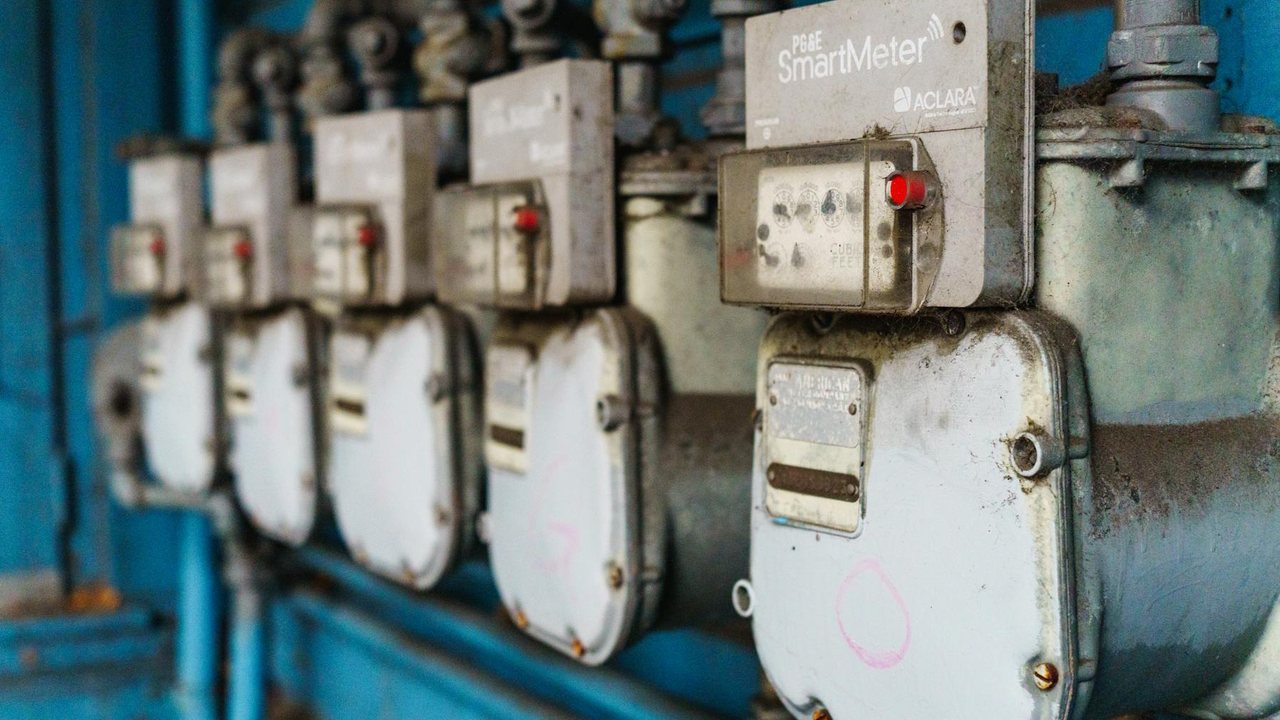
Choose between natural gas (more economical and available in urban areas) or propane (ideal for areas without distribution networks). This decision directly impacts installation costs and your final budget, affecting prices ranging from 800 € to 3,500 € depending on your choice.

3. Request quotes from certified installers
Contact at least three certified and authorized installers to obtain detailed quotes. Prices vary significantly based on project complexity; ensure quotes include gas connection installation and the installation certificate (from 135 €) in their estimates.
Gas installations at the domestic level are usually more efficient than electric ones. On one hand, gas has great performance and on the other, its price is lower.
What is usually included in a quote
Each professional may structure quotes differently, but most project budgets follow this logic.
Typically included
Often not included
Steps to install and get quotes for home gas
Gas installations at the domestic level are usually more efficient than electric ones. On one hand, gas has great performance and on the other, its price is lower.
1. Assess your household gas consumption needs
Before requesting quotes, analyze your home's expected gas consumption for heating, hot water, and cooking. This assessment is essential to determine the type of installation needed and your budget range, which typically falls between 500 € and 3,000 € depending on your specific requirements.
2. Choose between natural gas or propane
Choose between natural gas (more economical and available in urban areas) or propane (ideal for areas without distribution networks). This decision directly impacts installation costs and your final budget, affecting prices ranging from 800 € to 3,500 € depending on your choice.
3. Request quotes from certified installers
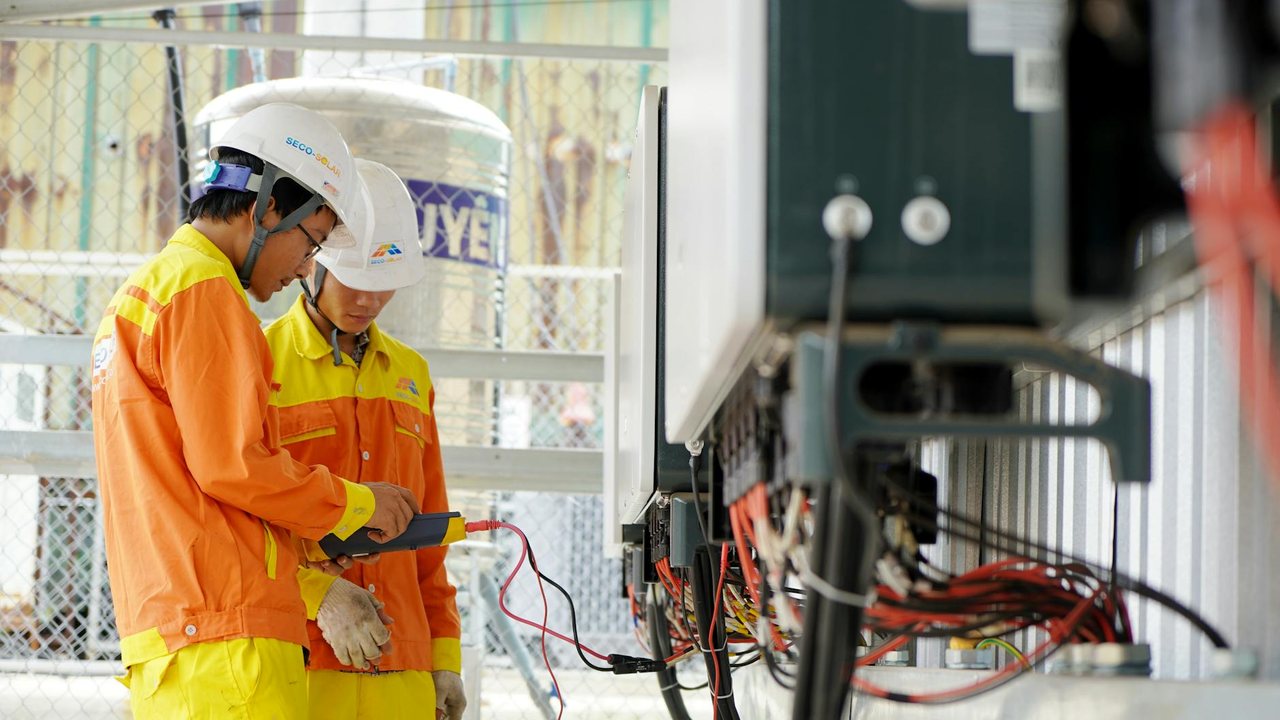
Contact at least three certified and authorized installers to obtain detailed quotes. Prices vary significantly based on project complexity; ensure quotes include gas connection installation and the installation certificate (from 135 €) in their estimates.
4. Review compliance with safety regulations
Verify that quotes include all required safety certifications and regulations, particularly the gas installation certificate (135 €). A professional installer must guarantee that the installation meets current safety standards to protect your home's security.
What can change your final price
Even similar projects can end with different budgets. These are the factors that most often push costs up or down.
Type of gas installation
Costs vary significantly between natural gas, propane, or butane installations. Connection to the natural gas network is typically more economical in the long run, while propane bottles require periodic maintenance and refilling.
Complexity of work and accessibility
Difficulty accessing existing pipes, the need for wall channels, or installation in older homes with complex structures significantly increases the final budget for the project.
Distance from the meter to consumption points
The greater the distance between the gas meter and appliances (stove, heating, hot water), the more piping is needed and the longer the installation takes, which directly impacts the price.
Certifications and administrative permits
Gas installations require technical inspections, compliance certificates, and municipal permits. Administrative and processing costs vary by region and can add a significant amount to the budget.
Next step
Use "Gas: Price and Quotes" to prepare a short brief before requesting quotes: current condition, must-have scope, optional upgrades, access constraints and timing. Then compare it with Gas Installation price guides so each contractor proposal covers the same work.
Types of gas used in the home
Gas installations at the domestic level are usually more efficient than electric ones. On one hand, gas has great performance and on the other, its price is lower.
There are three types of gas used at the domestic level, and in some cases, they present notable differences between them:
Advantages of gas compared to other energy sources
Gas installations at the domestic level are usually more efficient than electric ones. On one hand, gas has great performance and on the other, its price is lower.
- Butane gas: it is a liquefied gas obtained from petroleum that is supplied to homes in cylinders. It is efficient, but has the drawback of requiring space to store the bottles and you need to monitor its fuel level. It is a type of gas used mainly in kitchens and water heaters or for stoves in homes that are not occupied year-round or when gas needs are not very high.
- Propane gas: it can be used in cylinder form or piped from a storage tank. It is also a liquefied gas and has the advantage of functioning without problems even in very cold climates. Another advantage is that it can be used in any area, since it is not piped and supply reaches everywhere. However, it is the most expensive gas and also requires space for storage.
- Natural gas: it has the great advantage of being an energy that arrives via piping and is therefore very convenient. Moreover, it is one of the cleanest fuels and most respectful of the environment. It has more advantages, including being an economical and highly efficient gas, especially if you have installations with, for example, condensing boilers. On the other hand, piping networks are constantly expanding and reaching more locations.
Gas, in any of its forms, is a very efficient energy source. Moreover, today's modern appliances guarantee great performance, notably reducing consumption, as is the case with condensing boilers. Add to this the convenience and the fact that equipment is also much safer than it was a few years ago, and the price of these fuels is lower than, for example, electricity.
Use in different areas of the home
Gas has the great advantage of adapting to many different needs. You can use it only in the kitchen, only for domestic hot water, or for heating. Or you can combine any of these supplies. The wide variety of equipment models allows your needs to be met with gas. Specifically, it is worth highlighting the usefulness of condensing boilers.
A platform built equally for homeowners and professionals
Whether you're planning a renovation or looking for your next project, Reformia gives both sides the tools to connect, compare, and collaborate with confidence.
For individuals
For professionals



You may also like
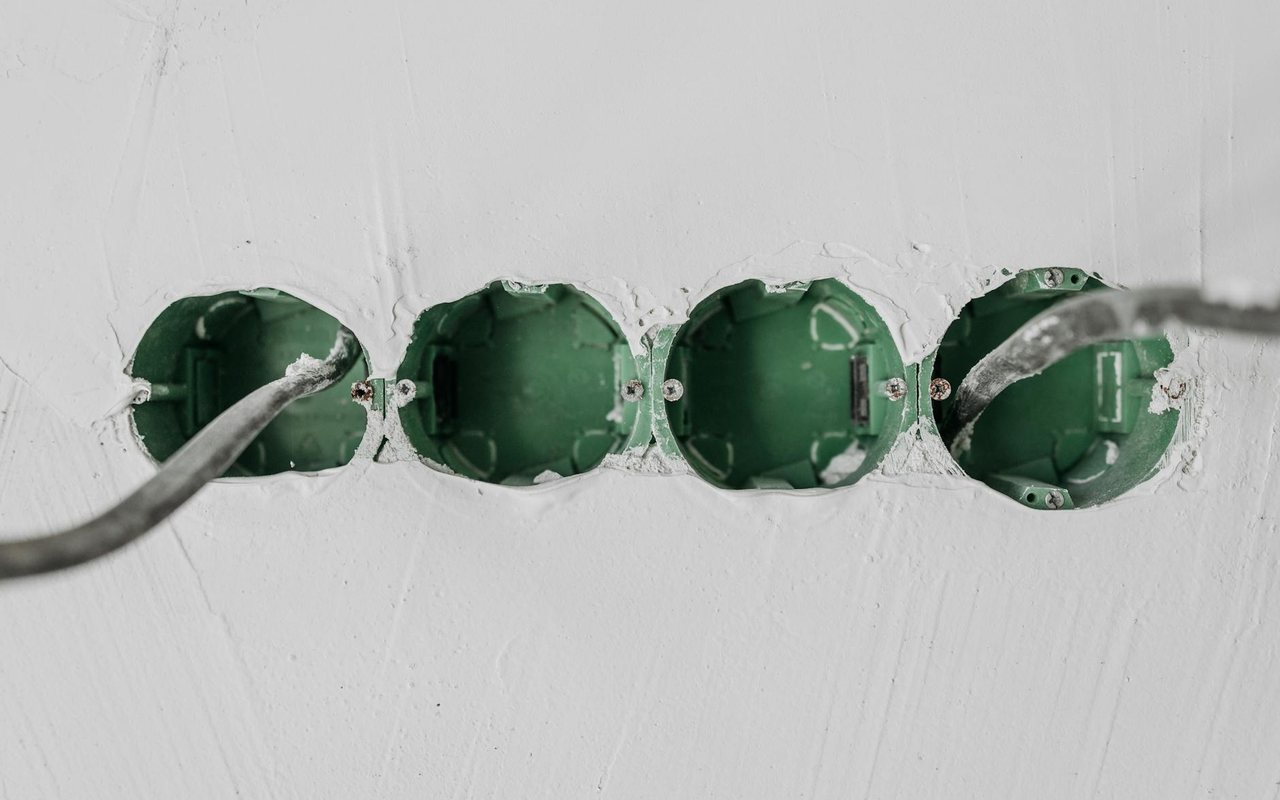
Electrical upgrade for heat pump, EV charger and solar panels
What to check in the panel, contracted power and wiring before adding a heat pump, EV charger or solar panels to a home in Spain.
Read article
Energy Efficiency Subsidies for Home Renovations in 2026
Discover the latest government subsidies and incentives for energy-efficient home renovations in Spain for 2026, including insulation, solar panels, and heat pump grants.
Read articleFrequently Asked Questions

How much does it cost to install natural gas in a home?
The cost of a residential natural gas installation in Spain typically ranges from 800 € to 2,500 € depending on the complexity and distance from the main connection point. If the property already has piping in place, the budget will be lower, generally between 600-1,200 €. It is recommended to request quotes from several authorized installers to compare prices and included services.
What should be included in a gas installation quote?
A complete quote should include the supply and installation of copper or steel pipes, placement of the pressure regulator, safety valves, tightness tests, and technical inspection. It should also specify whether it covers administrative procedures with the gas distributor and the installation certificate, which is mandatory according to Spanish regulations.
How long does a gas installation take?
A standard gas installation in a single-family home typically takes between 2 and 5 working days to complete. In cases of more complex renovations or when additional work is needed, the timeline can extend to 2-3 weeks. The final technical inspection is usually carried out 7-10 days after the work is completed.
Do I need a permit or certificate to install gas at home?
Yes, all residential gas installations must be performed by an authorized installer and must include an installation certificate in compliance with current Spanish regulations. Additionally, you are required to notify the gas distributor and pass an official technical inspection before the supply can be connected. Without this documentation, the gas company will not be able to activate the service.
How do I choose the best gas installer in my area?
Select an installer with official authorization, proven experience, and good customer reviews. Verify that they have liability insurance and provide a detailed written quote. It is also advisable that they offer ongoing maintenance and warranty for the work performed, and that they can handle all administrative procedures with the distributor.
Got more questions? Contact us!
Got more questions? Contact us!
Frequently Asked Questions
How much does it cost to install natural gas in a home?
The cost of a residential natural gas installation in Spain typically ranges from 800 € to 2,500 € depending on the complexity and distance from the main connection point. If the property already has piping in place, the budget will be lower, generally between 600-1,200 €. It is recommended to request quotes from several authorized installers to compare prices and included services.
What should be included in a gas installation quote?
A complete quote should include the supply and installation of copper or steel pipes, placement of the pressure regulator, safety valves, tightness tests, and technical inspection. It should also specify whether it covers administrative procedures with the gas distributor and the installation certificate, which is mandatory according to Spanish regulations.
How long does a gas installation take?
A standard gas installation in a single-family home typically takes between 2 and 5 working days to complete. In cases of more complex renovations or when additional work is needed, the timeline can extend to 2-3 weeks. The final technical inspection is usually carried out 7-10 days after the work is completed.
Do I need a permit or certificate to install gas at home?
Yes, all residential gas installations must be performed by an authorized installer and must include an installation certificate in compliance with current Spanish regulations. Additionally, you are required to notify the gas distributor and pass an official technical inspection before the supply can be connected. Without this documentation, the gas company will not be able to activate the service.
How do I choose the best gas installer in my area?
Select an installer with official authorization, proven experience, and good customer reviews. Verify that they have liability insurance and provide a detailed written quote. It is also advisable that they offer ongoing maintenance and warranty for the work performed, and that they can handle all administrative procedures with the distributor.