Install Residential or Community Antenna
The installation of residential or community antennas has an average price of 2,700 €, with options ranging from 120 € for an individual TDT antenna to 5,000 € for complex installations in large communities. The cost varies depending on the antenna type (TDT, satellite, or collective), the number of homes involved, and installation complexity. For example, a collective antenna for communities of 11 to 30 homes typically costs around 750 €. It's recommended to request quotes from several authorized installers to compare prices and ensure good value for money.
Last reviewed
August 2026
Pricing method
Indicative ranges are compared by scope, measurements, materials, labour, permits, VAT and contingency.
Alicante context
Confirm access, community rules, salt-air exposure and municipal requirements before accepting a quote.
Service levels and prices
Compare the different options available based on your budget and needs.
Basic
Installation of individual external antenna for single-family home with good signal coverage in the area. Includes standard-price antenna, metal brackets and basic wiring.
Standard
Installation of higher-performance antenna for single-family home or small communities. Includes coverage study, higher-gain antenna, signal amplifier and improvements to internal distribution.
Premium
Complete installation for residential communities, multi-family buildings, or areas with difficult signal reception. Includes professional collective antenna, advanced amplification system, multi-connectors and extended warranty.
Share your project details and get free contact with professionals who work on similar projects.
Residential or Community Antenna Installation Prices
See what homeowners usually pay for the most common tasks. Use these ranges to fine-tune your scope and avoid missing key items in your budget.
Individual DTT antenna installation in single-family home
DTT antenna installation in apartment or flat with community approval
Individual satellite dish installation
Collective antenna installation for residential community (up to 10 units)
Collective antenna installation for residential community (11-30 units)
Repair or replacement of existing antenna with labor
Steps to install a residential or community antenna with Reformia
Installation of a residential or community antenna.
1. Evaluate optimal location and orientation
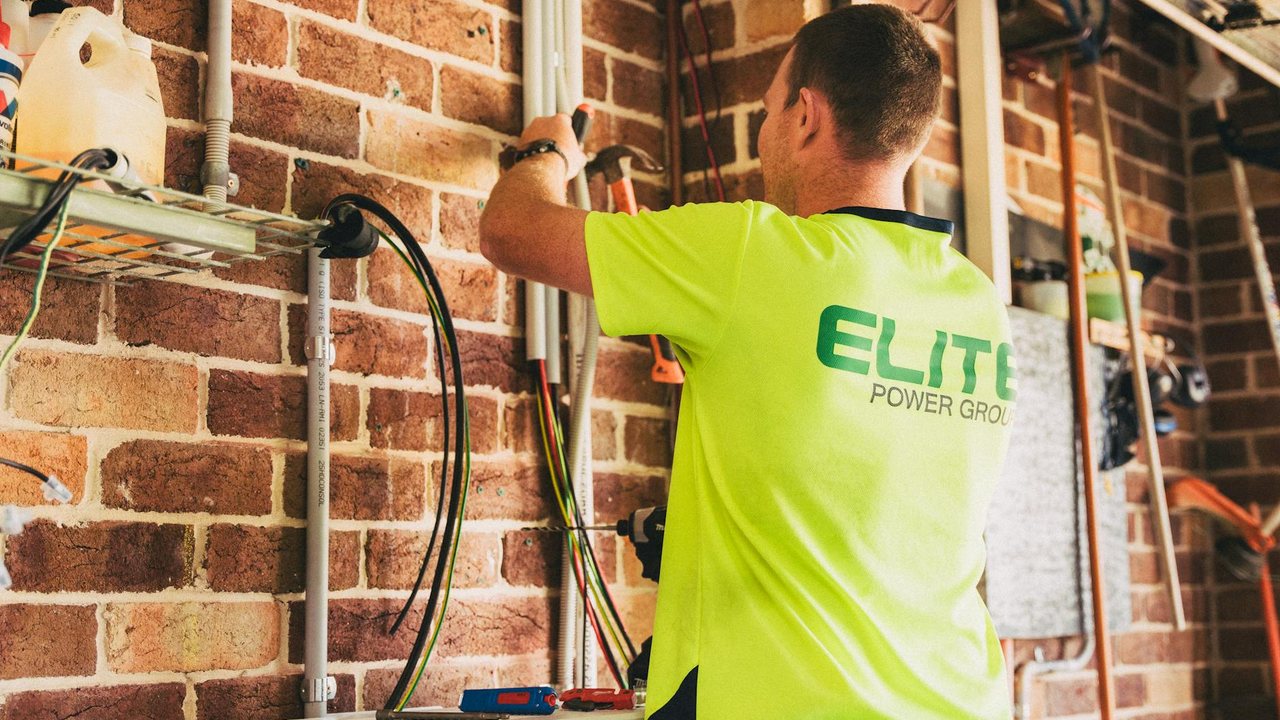
The technician analyzes the best position for installing the residential or community antenna, considering obstacles, transmitter orientation, and sun exposure. Correct placement from the start prevents unnecessary relocation costs and ensures maximum signal quality in your home or neighborhood community.
2. Verify permits and local regulations
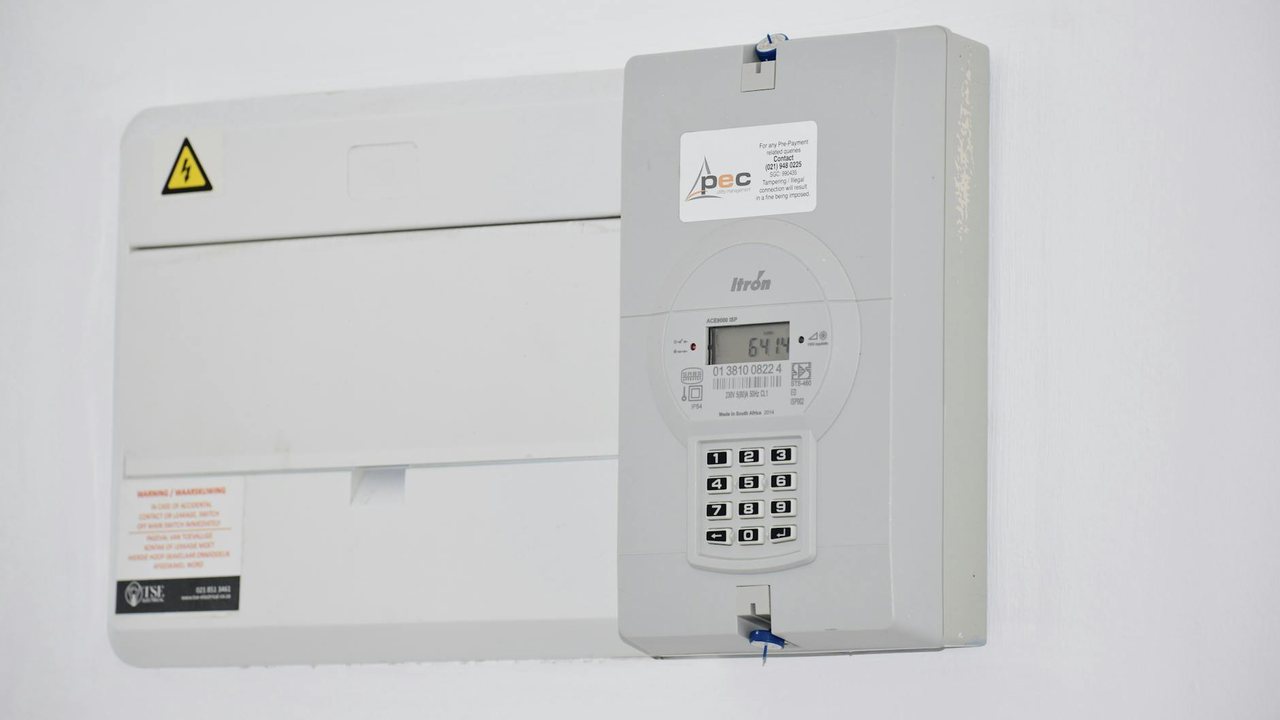
Before starting antenna installation in your home or community, local regulations are verified and necessary permits are obtained from the neighborhood association. This step is essential for collective installations (from 450 € in small communities) and prevents future legal conflicts.

3. Select the appropriate antenna type
Choose between individual TDT antenna (120 €), satellite parabolic antenna (180 €), or collective solution based on your reception needs. Selection depends on your geographic location, dwelling type, and desired television services, with options ranging from basic to premium tiers.
Installation of a residential or community antenna.
What is usually included in a quote
Each professional may structure quotes differently, but most project budgets follow this logic.
Typically included
Often not included
Steps to install a residential or community antenna
Installation of a residential or community antenna.
1. Evaluate optimal location and orientation
The technician analyzes the best position for installing the residential or community antenna, considering obstacles, transmitter orientation, and sun exposure. Correct placement from the start prevents unnecessary relocation costs and ensures maximum signal quality in your home or neighborhood community.
2. Verify permits and local regulations
Before starting antenna installation in your home or community, local regulations are verified and necessary permits are obtained from the neighborhood association. This step is essential for collective installations (from 450 € in small communities) and prevents future legal conflicts.
3. Select the appropriate antenna type
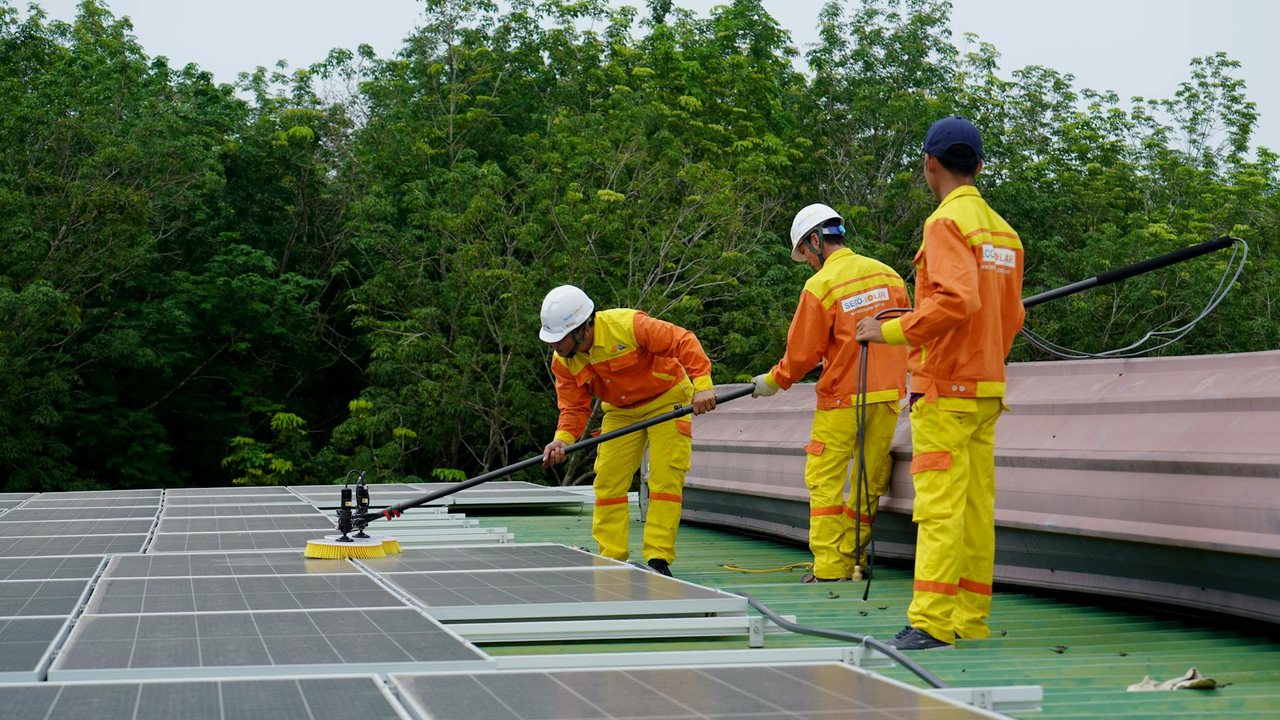
Choose between individual TDT antenna (120 €), satellite parabolic antenna (180 €), or collective solution based on your reception needs. Selection depends on your geographic location, dwelling type, and desired television services, with options ranging from basic to premium tiers.
4. Prepare necessary materials and tools
All necessary components are gathered: selected antenna, quality coaxial cables, connectors, mounting brackets, and installation tools. Prior preparation ensures an efficient process and prevents interruptions during antenna installation in your home or community.
What can change your final price
Even similar projects can end with different budgets. These are the factors that most often push costs up or down.
Antenna type and brand
The cost varies significantly depending on whether a basic DTT antenna, satellite dish, or higher quality antenna with extended range is installed. Recognized brands have higher prices than generic alternatives.
Height and installation complexity
Antennas located on roofs or terraces at greater heights require safety equipment, scaffolding, or work at heights that considerably increase the final budget.
Wiring and additional materials
The length of coaxial cable needed, connectors, signal amplifiers, and additional conduits directly influence the total installation price.
Orientation and number of outlets
If the antenna needs to be reoriented, if it requires installation at multiple points in the home or building, or if it needs a signal distributor, the work increases in complexity and cost.
Next step
Use "Install Residential or Community Antenna" to prepare a short brief before requesting quotes: current condition, must-have scope, optional upgrades, access constraints and timing. Then compare it with Antennas & Satellite price guides so each contractor proposal covers the same work.
General information
Installation of a residential or community antenna.
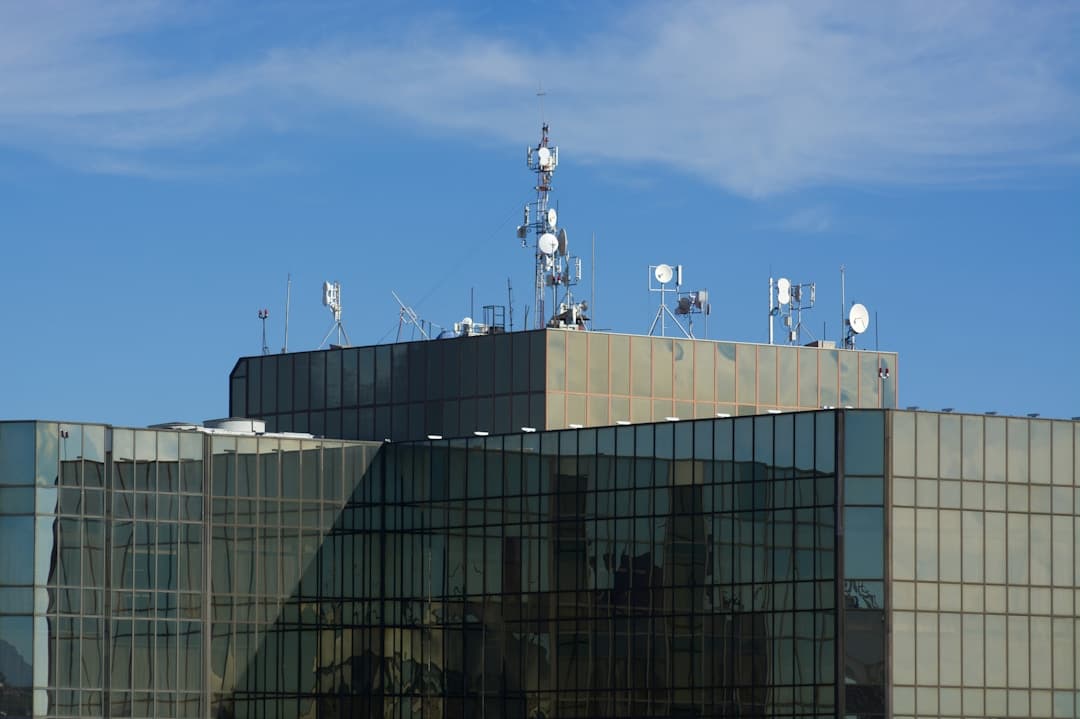
Installing a residential or community antenna is an essential service to ensure optimal reception of digital terrestrial television (DTT) signals and other radio frequency services. This service includes a preliminary area survey, selection of the most suitable antenna type, its installation in the optimal location (normally on the roof or terrace), and proper connection to the internal distribution system of the residence or community.
Residential and Community Antenna Installation Cost
Installation of a residential or community antenna.
The cost of installing an antenna varies significantly depending on several factors: the type of antenna required (simple interior, exterior wall-mounted, ceiling-mounted, or collective), installation complexity, the previous condition of the roof or façade, the need for structural reinforcements, and the distance to connection points. In urban areas with good coverage, prices tend to be more affordable, while in rural areas or with weak signals more sophisticated equipment may be required.
It is recommended to request quotes from several qualified installers who can perform a professional diagnostic of coverage in your area. Professional installation not only guarantees the best possible reception, but also compliance with safety regulations, proper waterproofing of roof penetration points, and warranty coverage for the work performed.
Installing a residential or community antenna in Spain typically ranges from €150 to €500 for a standard single-unit installation, with community antenna systems costing significantly more depending on the building's size and complexity. The final antenna installation price depends on several factors, including the type of antenna needed, roof accessibility, existing infrastructure, and whether additional cabling or signal amplification equipment is required. For homeowners seeking a competitive quote, it's essential to understand that prices can vary considerably between different professional installers based on their experience level and the specific requirements of your property.
When comparing quotes from multiple professionals, you'll notice variations in antenna installation pricing that reflect different service approaches and expertise levels. A professional installer will assess your location's signal strength, existing reception issues, and structural considerations before providing an accurate price estimate. Many experienced technicians include initial site evaluations as part of their quote process, allowing you to make an informed decision about which professional best suits your needs and budget.
Beyond the basic antenna installation price, consider additional costs such as cable routing, connection to multiple televisions, signal splitters, or upgrades to digital reception equipment. Professional antenna installers typically include proper securing, weatherproofing, and initial testing in their quoted price. To ensure you're getting fair value, obtain written quotes from at least two or three qualified professionals in your area, comparing not just the total cost but also what services and guarantees are included in each estimate.
A platform built equally for homeowners and professionals
Whether you're planning a renovation or looking for your next project, Reformia gives both sides the tools to connect, compare, and collaborate with confidence.
For individuals
For professionals

Related price guides

You may also like
Collective renovation for apartment communities: how to unlock a whole-building retrofit
A practical guide for apartment communities that want to move from isolated repairs to a coordinated whole-building renovation with better timing, financing and outcomes.
Read article
Deep home renovation in Spain: what counts and when it pays off
What counts as deep renovation, when it makes sense to bundle insulation, windows, HVAC and accessibility work, and how to avoid an underpowered retrofit.
Read articleFrequently asked questions

What is the difference between an interior and exterior antenna?
An interior antenna (wall-mounted or ceiling-mounted) is more discreet and economical, but has lower signal gain and works well only in areas with good DTT coverage. An exterior antenna (on roof or terrace) offers better reception, higher gain, and is more stable. In rural areas or with weak coverage, an exterior antenna is practically mandatory. The installer should recommend the appropriate type after evaluating coverage in your specific area.
Is a signal amplifier necessary?
An amplifier is recommended if: you live more than 30-40 km from the nearest repeater, you have multiple devices distributed throughout the home, the signal is weak (less than 50 dB), or in residential communities with distribution to many points. In urban areas with good coverage, it is normally not necessary. The installer can perform measurements to determine this precisely.
How long does a typical installation take?
A basic installation in a single-family home with good conditions normally requires 1-2 days. More complex installations in communities, with roof work or in difficult areas can take 3-5 days. The time also depends on factors such as weather conditions, roof accessibility, need for prior repairs, and complexity of the internal distribution system.
Do I need community permission to install an antenna?
Yes, in multi-family buildings it is mandatory to request approval at the Owners' Meeting before installing an individual antenna. In communities, normally a single collective antenna is installed that benefits all residents, with costs shared. If you wish an individual antenna despite an existing collective one, you must obtain written approval from the Owners' Meeting. Some municipalities may also require municipal permits for work on façades or roofs.
Got more questions? Contact us!
Got more questions? Contact us!
Frequently asked questions
What is the difference between an interior and exterior antenna?
An interior antenna (wall-mounted or ceiling-mounted) is more discreet and economical, but has lower signal gain and works well only in areas with good DTT coverage. An exterior antenna (on roof or terrace) offers better reception, higher gain, and is more stable. In rural areas or with weak coverage, an exterior antenna is practically mandatory. The installer should recommend the appropriate type after evaluating coverage in your specific area.
Is a signal amplifier necessary?
An amplifier is recommended if: you live more than 30-40 km from the nearest repeater, you have multiple devices distributed throughout the home, the signal is weak (less than 50 dB), or in residential communities with distribution to many points. In urban areas with good coverage, it is normally not necessary. The installer can perform measurements to determine this precisely.
How long does a typical installation take?
A basic installation in a single-family home with good conditions normally requires 1-2 days. More complex installations in communities, with roof work or in difficult areas can take 3-5 days. The time also depends on factors such as weather conditions, roof accessibility, need for prior repairs, and complexity of the internal distribution system.
Do I need community permission to install an antenna?
Yes, in multi-family buildings it is mandatory to request approval at the Owners' Meeting before installing an individual antenna. In communities, normally a single collective antenna is installed that benefits all residents, with costs shared. If you wish an individual antenna despite an existing collective one, you must obtain written approval from the Owners' Meeting. Some municipalities may also require municipal permits for work on façades or roofs.