Building Technical Inspection: Price and Quotes
A technical building inspection (ITE) is a mandatory service that evaluates the structure and systems, with prices ranging from 300 € to 3,500 € depending on scope. The cost varies significantly based on building size: from 800 € for small residential buildings up to 2,500 € for high-rise buildings. It's advisable to request quotes from several qualified inspectors to compare services and ensure the best value for this crucial inspection.
The amounts are indicative and come from the original imported guide. The final budget depends on the scope, materials, and previous condition of the space.
Last reviewed
July 2026
Edited by: Luis Rodenas
Pricing method
Indicative ranges are compared by scope, measurements, materials, labour, permits, VAT and contingency.
Alicante context
Confirm access, community rules, salt-air exposure and municipal requirements before accepting a quote.
Service levels and prices
Compare the different available options according to your budget and needs.
Basic
Technical inspection for single-family homes, small chalets, or buildings of up to 4 floors with few owners. Includes general evaluation of structure, roofs, and basic installations.
Standard
Complete inspection for multi-family buildings of 5 to 12 floors with multiple owners. Includes detailed analysis of structure, heating systems, and evaluation of common areas.
Premium
Comprehensive inspection for large buildings of more than 12 floors, residential complexes, or buildings with special characteristics. Includes advanced analysis with specialized equipment.
Share your project details and get free contact with professionals who work on similar projects.
Building Technical Inspection Prices (ITE)
See what homeowners usually pay for the most common tasks. Use these ranges to fine-tune your scope and avoid missing key items in your budget.
Basic ITE - Residential building up to 5 floors
Complete ITE - Residential building 6-15 floors
ITE for high-rise buildings (over 15 floors)
ITE for commercial or office buildings
Additional inspection of critical structural elements
ITE certificate with comprehensive technical report and recommendations
Steps to Get a Building Technical Inspection Quote with Reformia
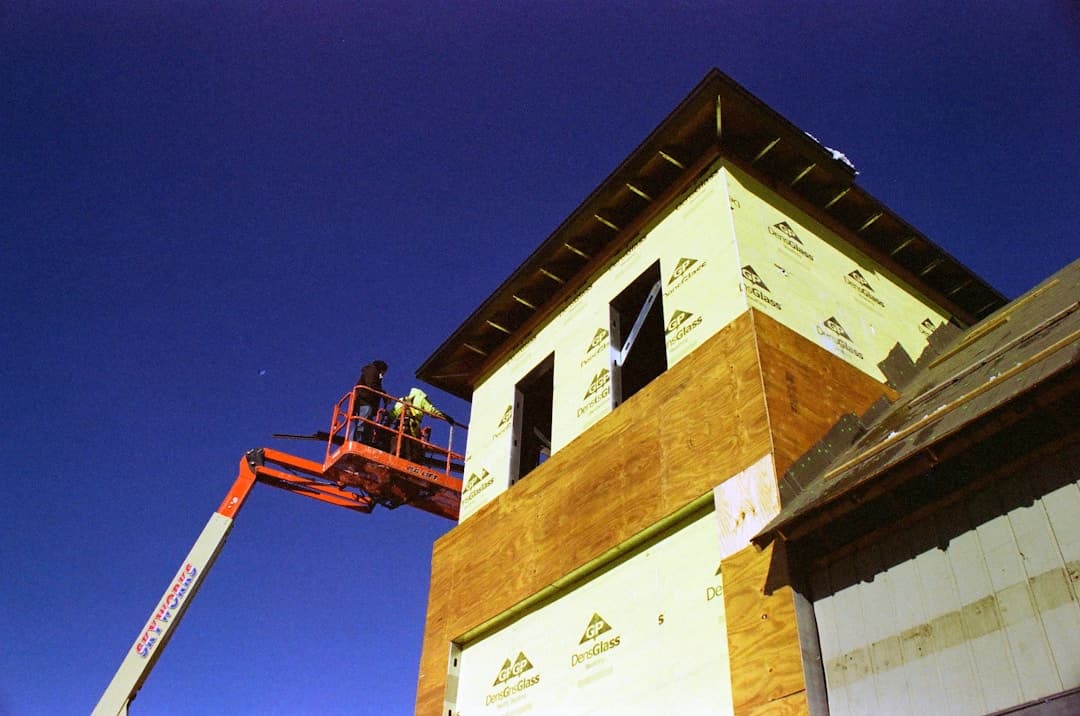
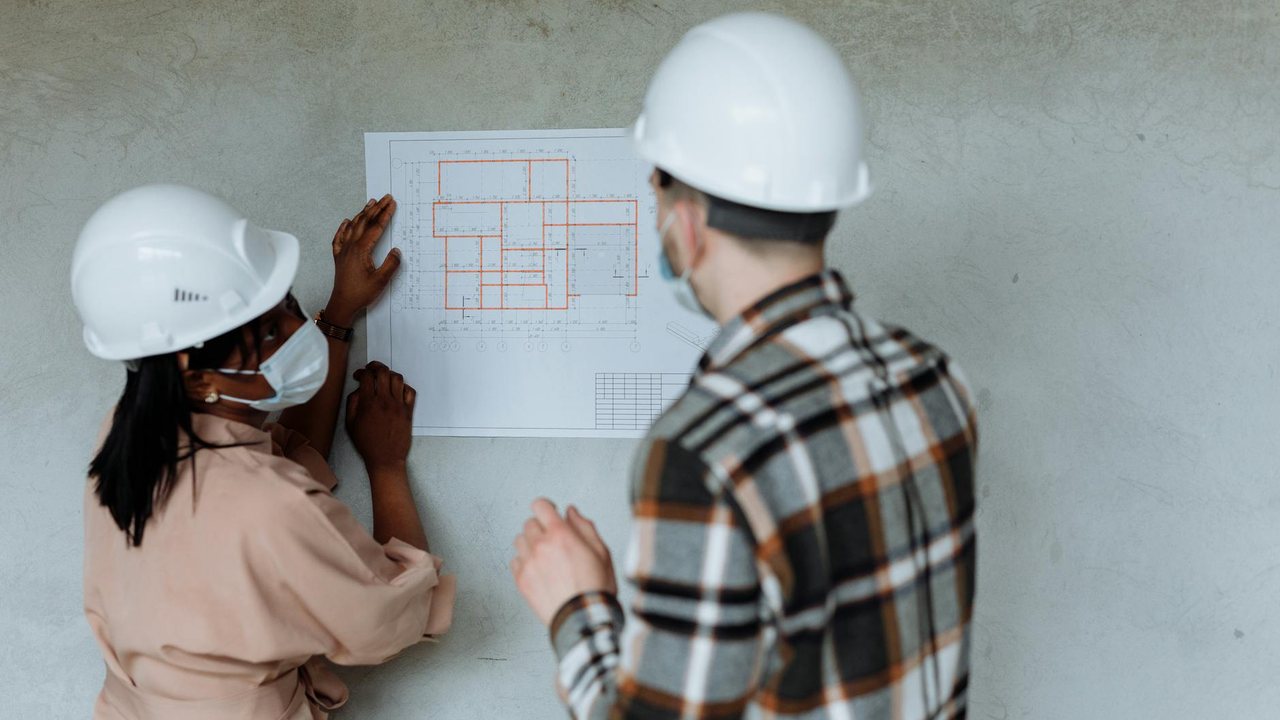
Technical inspection for buildings with pricing and budget information.
1. Gather building information
Before requesting quotes for your building technical inspection, gather essential data such as the number of floors, age, construction materials, and any known issues. This information helps certified technicians provide accurate budgets, which vary significantly from 300 € for basic inspections to 3,500 € for comprehensive inspections with technical certificates.

2. Request quotes from certified inspectors
Contact at least three certified technical inspectors to obtain detailed quotes for the ITE (Technical Building Inspection). Prices range from 800 € for small residential buildings to 3,200 € for complete certificates with comprehensive technical reports. Request that they specify which elements are included in each budget.
3. Compare prices and scope of services
Carefully analyze the quotes received, considering not only the price but the scope of inspection. A basic ITE costs from 800 €, while additional inspections of critical structural elements can add 600 € more. Verify what each proposal includes: electrical systems, plumbing, roofing, façade, and elevators.
Technical inspection for buildings with pricing and budget information.
What is usually included in a quote
Each professional may structure quotes differently, but most project budgets follow this logic.
Typically included
Often not included
Steps to Get a Building Technical Inspection Quote
Technical inspection for buildings with pricing and budget information.
1. Gather building information
Before requesting quotes for your building technical inspection, gather essential data such as the number of floors, age, construction materials, and any known issues. This information helps certified technicians provide accurate budgets, which vary significantly from 300 € for basic inspections to 3,500 € for comprehensive inspections with technical certificates.
2. Request quotes from certified inspectors
Contact at least three certified technical inspectors to obtain detailed quotes for the ITE (Technical Building Inspection). Prices range from 800 € for small residential buildings to 3,200 € for complete certificates with comprehensive technical reports. Request that they specify which elements are included in each budget.

3. Compare prices and scope of services
Carefully analyze the quotes received, considering not only the price but the scope of inspection. A basic ITE costs from 800 €, while additional inspections of critical structural elements can add 600 € more. Verify what each proposal includes: electrical systems, plumbing, roofing, façade, and elevators.
4. Verify the inspector's credentials and experience
Confirm that the technical inspector holds the required certifications and proven experience in technical inspections of buildings similar to yours. Don't choose based solely on the lowest price; a qualified inspector guarantees a quality report, especially important for complex inspections of buildings over 15 floors, which reach 2,500 €.
What can change your final price
Even similar projects can end with different budgets. These are the factors that most often push costs up or down.
Building age and construction type
Older buildings (pre-1980) require more thorough inspections due to potential structural deficiencies, outdated systems, and risk of hazardous materials such as asbestos. The construction typology (concrete, brick, masonry) also influences the complexity of the analysis.
Number of floors and total square meters
The time and resources needed increase proportionally with the building's size. A 10-story building requires more inspections of facades, roofs, and common systems than a 4-story one, directly affecting the final budget.
Apparent condition and installation complexity
Buildings showing obvious signs of deterioration, moisture damage, cracks, or complex systems (multiple elevators, centralized HVAC systems) require more detailed analysis and may need specialized equipment, increasing costs.
Regulatory requirements and inspection scope
The mandatory ITE has a defined scope, but expanded inspections including energy efficiency, accessibility, or seismic assessment involve additional fees and more expensive supplementary studies.
Next step
Use "Building Technical Inspection: Price and Quotes" to prepare a short brief before requesting quotes: current condition, must-have scope, optional upgrades, access constraints and timing. Then compare it with Building Technical Inspection (ITE) price guides so each contractor proposal covers the same work.
General information
Technical inspection for buildings with pricing and budget information.
Building Technical Inspection (ITE) is a mandatory professional service in many Spanish autonomous communities that consists of conducting a comprehensive analysis of the technical condition of the construction. This report evaluates the structure, installations, facade, roof, and other structural elements to identify possible deficiencies or risks. The cost of this inspection varies significantly depending on the size of the building, its age, and the complexity of the installations to be reviewed.
General information
Technical inspection for buildings with pricing and budget information.
Specialized building inspection technicians use modern equipment such as thermal imaging cameras, humidity meters, and crack detectors to perform an accurate diagnosis. This process includes both external visual assessment and detailed analysis of common areas, electrical, plumbing, heating installations, and other technical systems. The final report provides a classification of the building's condition and improvement recommendations.
In the Spanish market, budgets for a building technical inspection range from 300 € for small homes to 3,500 € or more for large multi-family buildings. The time to completion depends on the scope of the project, although it is generally completed within 1 to 4 weeks. It is important to request multiple quotes and verify that the technician has the professional credentials required in their autonomous community.
A platform built equally for homeowners and professionals
Whether you're planning a renovation or looking for your next project, Reformia gives both sides the tools to connect, compare, and collaborate with confidence.
For individuals
For professionals


You may also like

Complete Guide to Renovation Permits in Spain
Everything you need to know about building permits for home renovations in Spain: when you need one, how to apply, costs, timelines, and consequences of unpermitted work.
Read article
IVA on Renovations: Tax Guide for Spanish Homeowners
Navigate the complexities of IVA (VAT) on home renovations in Spain. Learn when you qualify for the reduced 10% rate and how to avoid overpaying on your next project.
Read articleFrequently asked questions
When is building technical inspection mandatory in Spain?
The mandatory nature of ITE varies depending on the autonomous community and the age of the building. It is generally mandatory for buildings over 50 years old in many regions, although some communities require it even earlier. In Catalonia, for example, it is mandatory every 10 years for residential buildings over 25 years old. We recommend consulting the specific regulations of your autonomous community or contacting the Town Hall of your municipality.
What is the difference between a simple and a complete technical inspection?
A simple inspection evaluates the basic elements of the building (structure, facade, roof, and main installations) with visual analysis. A complete inspection includes advanced techniques such as infrared thermography, material sampling, energy analysis, and deeper evaluation of systems. The complete inspection is more costly but provides more detailed information for making renovation decisions.
How long does a building technical inspection take?
The time to complete varies depending on the size and complexity of the building. A single-family home can be inspected in 1-2 days, while a 10-story building may require 3-5 days of field work. Afterwards, the technician needs 1-2 additional weeks to process data, analysis, and draft the detailed report. The total time from hiring to receiving the report is usually 2-4 weeks.
What exactly does the technical inspection report include?
The standard technical report includes: general description of the building, analysis of structure and foundation, evaluation of facade and roof, review of installations (electricity, plumbing, gas, heating), photographs and visual documentation, building condition classification on a scale of A to D, list of deficiencies found with severity level, repair recommendations with indicative budgeting, and regulatory references. More comprehensive reports may also include thermography, updated plans, and advice on energy efficiency.
Is it necessary for all neighbors to approve the hiring of the inspection?
Yes, in most cases the technical inspection requires approval at the homeowners' assembly of the community, since it is a work or service that affects the entire building and must be funded from community funds. The decision is generally made by simple majority at the owners' meeting. For single-family buildings, the sole owner can hire it without needing approval from third parties.
Got more questions? Contact us!
Got more questions? Contact us!
Frequently asked questions
When is building technical inspection mandatory in Spain?
The mandatory nature of ITE varies depending on the autonomous community and the age of the building. It is generally mandatory for buildings over 50 years old in many regions, although some communities require it even earlier. In Catalonia, for example, it is mandatory every 10 years for residential buildings over 25 years old. We recommend consulting the specific regulations of your autonomous community or contacting the Town Hall of your municipality.
What is the difference between a simple and a complete technical inspection?
A simple inspection evaluates the basic elements of the building (structure, facade, roof, and main installations) with visual analysis. A complete inspection includes advanced techniques such as infrared thermography, material sampling, energy analysis, and deeper evaluation of systems. The complete inspection is more costly but provides more detailed information for making renovation decisions.
How long does a building technical inspection take?
The time to complete varies depending on the size and complexity of the building. A single-family home can be inspected in 1-2 days, while a 10-story building may require 3-5 days of field work. Afterwards, the technician needs 1-2 additional weeks to process data, analysis, and draft the detailed report. The total time from hiring to receiving the report is usually 2-4 weeks.
What exactly does the technical inspection report include?
The standard technical report includes: general description of the building, analysis of structure and foundation, evaluation of facade and roof, review of installations (electricity, plumbing, gas, heating), photographs and visual documentation, building condition classification on a scale of A to D, list of deficiencies found with severity level, repair recommendations with indicative budgeting, and regulatory references. More comprehensive reports may also include thermography, updated plans, and advice on energy efficiency.
Is it necessary for all neighbors to approve the hiring of the inspection?
Yes, in most cases the technical inspection requires approval at the homeowners' assembly of the community, since it is a work or service that affects the entire building and must be funded from community funds. The decision is generally made by simple majority at the owners' meeting. For single-family buildings, the sole owner can hire it without needing approval from third parties.