IVA on Renovations: Tax Guide for Spanish Homeowners

Understanding IVA Rates on Home Renovations
One of the most confusing aspects of home renovation in Spain is the IVA (Impuesto sobre el Valor Anadido), Spain's equivalent of VAT. The standard IVA rate is 21 per cent, but renovations on residential properties can qualify for a reduced rate of 10 per cent under specific conditions defined by Spain's tax authority, the Agencia Tributaria.
The difference is substantial. On a 10,000 euro renovation, you would pay 1,000 euros in IVA at 10 per cent versus 2,100 euros at 21 per cent, a saving of 1,100 euros. Understanding which rate applies to your project is essential for accurate budgeting and can legitimately reduce your total cost by 8 to 10 per cent.
This guide explains the current rules as of 2026, including recent clarifications issued by the Direccion General de Tributos that affect how the material cost threshold is calculated. Note that tax rules can change, and we recommend consulting a qualified asesor fiscal for your specific situation.
When Does the 10 Per Cent Reduced Rate Apply?
To qualify for the reduced 10 per cent IVA rate on renovation work, all of the following conditions must be met simultaneously. First, the property must be a dwelling (vivienda) used for residential purposes, not a commercial premises. Second, the building must be at least 2 years old at the time the work begins.
Third, the person commissioning the work must be the end user of the dwelling, meaning you must live there or intend to live there. This means landlords renovating a buy-to-let property may not qualify in all circumstances, though there are exceptions when the tenant commissions the work.
Fourth, and this is the requirement that most commonly causes confusion, the cost of materials supplied by the contractor must not exceed 40 per cent of the total cost of the renovation. If materials exceed this threshold, the entire invoice reverts to the 21 per cent rate. The contractor must be the one who both supplies the materials and carries out the work; if you purchase materials separately and hire someone just for labour, the rules differ.
Fifth, the work must constitute a renovation (rehabilitacion o renovacion), not new construction. Extensions that increase the floor area of the building may be subject to the standard 21 per cent rate unless they qualify as structural rehabilitation under specific CTE criteria.
Practical Examples: 10 Per Cent vs 21 Per Cent
Example 1: You hire a contractor to renovate your bathroom in your 15-year-old flat in Valencia where you live. The contractor quotes 8,000 euros, of which 3,000 euros is materials (37.5 per cent) and 5,000 euros is labour. All conditions are met, so the IVA is 10 per cent, making the total 8,800 euros.
Example 2: Same scenario, but the materials cost 4,500 euros (56 per cent of total). The materials exceed 40 per cent, so the full 21 per cent rate applies. The total becomes 9,680 euros instead of 8,800 euros. In this case, it may be worth discussing with your contractor whether you could purchase some materials directly to bring their material supply below the threshold.
Example 3: You renovate a flat you own but rent out to tenants. Since you are not the end user, the standard 21 per cent rate applies unless the tenants themselves contract the work. However, if the property has been empty and you are renovating it to move in, the reduced rate can apply.
Example 4: You buy materials from a tile shop and hire a separate contractor for installation only. The installation labour is subject to 21 per cent IVA because the contractor is not supplying the materials. This is a common mistake that costs homeowners money, as using a single contractor who supplies everything would qualify for 10 per cent.
How to Ensure You Pay the Correct IVA Rate
Always request an itemised quote (presupuesto desglosado) that clearly separates material costs from labour. This transparency allows both you and the contractor to verify compliance with the 40 per cent material threshold. If the quote shows materials at 42 or 43 per cent, discuss whether some items can be reclassified or whether you should source certain materials independently.
Keep documentation proving the property is your primary residence, its age, and that the contractor is the one supplying materials. The Agencia Tributaria can audit renovation invoices, and having clear records protects both you and the contractor. A simple declaracion jurada (sworn statement) confirming the property meets the conditions is good practice.
Be aware that different trades may have different IVA obligations on the same project. A plumber who supplies and installs a new boiler may charge 10 per cent, while an architect providing design services charges 21 per cent. Your overall project may have invoices at mixed rates, and this is perfectly normal and legal.
IVA Compliance Checklist for Homeowners
Use this checklist to verify whether your renovation qualifies for the reduced 10 per cent IVA rate.
- 1Property is a residential dwelling (vivienda)Required
The property must be classified as a vivienda in the catastro. Commercial, industrial, or mixed-use properties do not qualify for the reduced rate on renovation work.
- 2Building is more than 2 years oldRequired
The age is calculated from the date of the first occupancy licence (licencia de primera ocupacion), not from the date of construction. Verify this with your property deed or the catastro.
- 3You are the end user of the propertyRequired
You must be the person who lives in or will live in the property. Investors renovating for resale or rental generally do not qualify, though specific exceptions exist.
- 4Materials do not exceed 40 per cent of total costRequired
Ask your contractor for a breakdown. If materials are close to 40 per cent, consider purchasing some items directly. Remember that the contractor must supply both labour and materials for the reduced rate to apply.
- 5Contractor issues a compliant invoiceRequired
The invoice must clearly state the applicable IVA rate, the contractor's NIF or CIF, and include a reference to the legal basis for the reduced rate (Article 91.Uno.2.10 of the Spanish IVA law).
Common Questions About IVA on Renovations
Does the reduced IVA rate apply to second homes?
What happens if my contractor charges me 21 per cent incorrectly?
Does the 10 per cent rate apply to architect or designer fees?
Can I reclaim IVA on renovation if I am a non-resident?
Related guides and reading
To turn this article into a renovation plan, start with What Is the Cost of Electrical Installation in a Home? and compare it with How Much Does It Cost to Replace a Home's Electrical Installation? and What Is the Cost of Installing an Electric Car Charger in a Shared Garage?. These internal guides help separate budget, permits, technical checks and optional upgrades before you speak with contractors.
For wider context, continue with Alicante construction boom: what it means for home renovation. Reading related articles together makes the Reformia journal work as a planning path rather than isolated posts.
You may also like
Show All Articles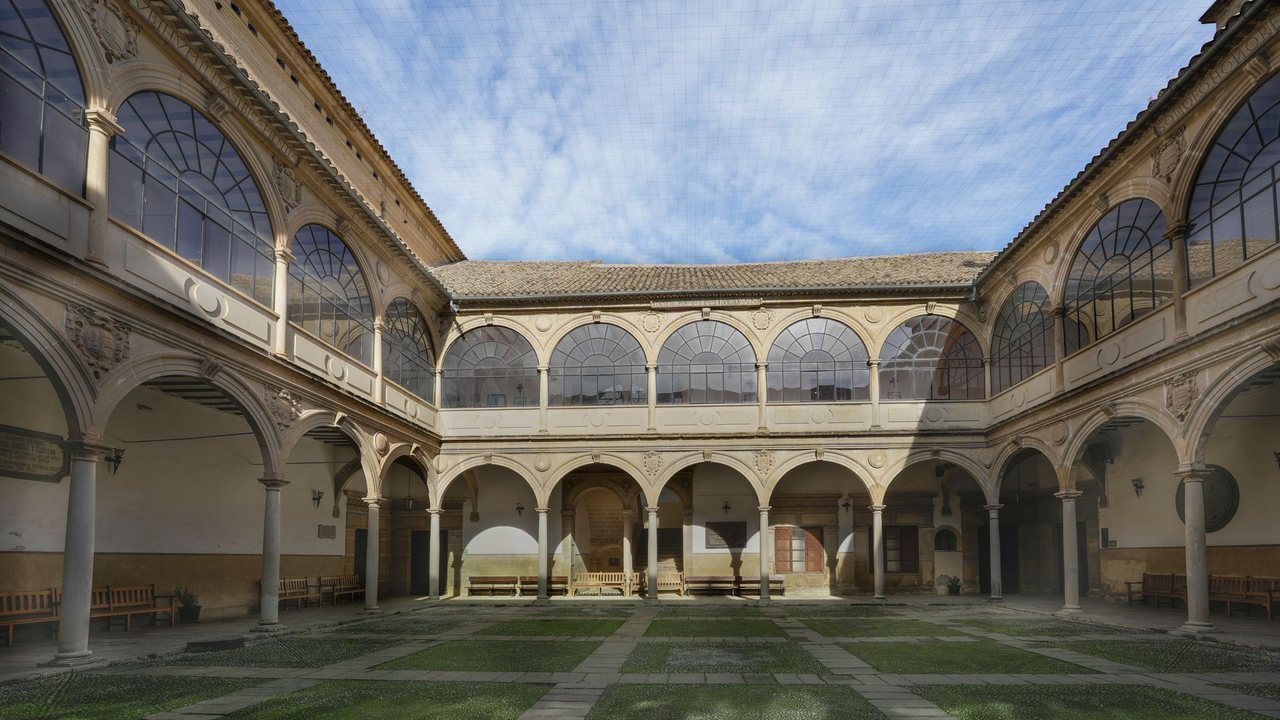
3D scanning at Alicante's Teatro Principal: lessons for renovation companies
The laser-scanner survey of the Teatro Principal shows how to document geometry, defects and phases before working on complex buildings.
Subscribe to our newsletter
And get a weekly digest of projects, bidding tips, and key platform updates straight to your inbox.
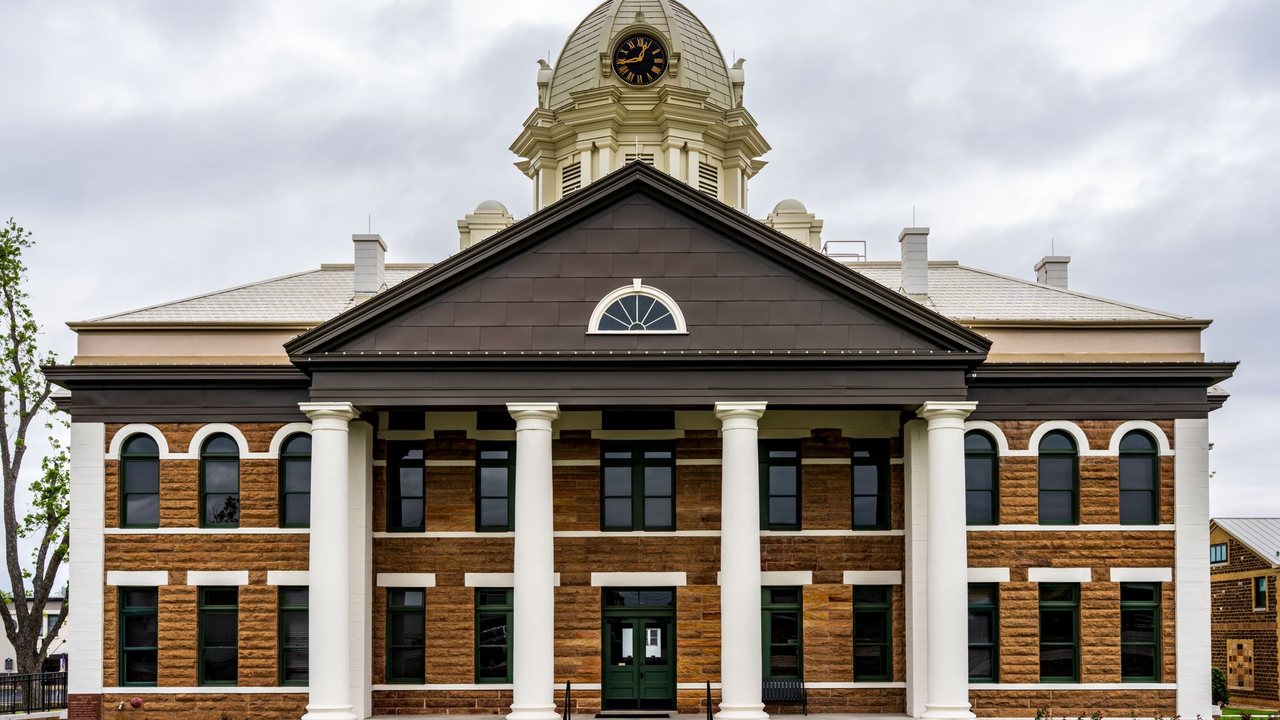
Renovating a protected facade in Elche and Alicante: catalogue before dismantling
The Riegos El Progreso project shows why a protected facade needs an inventory, planned dismantling, storage, investigations and coordinated design.
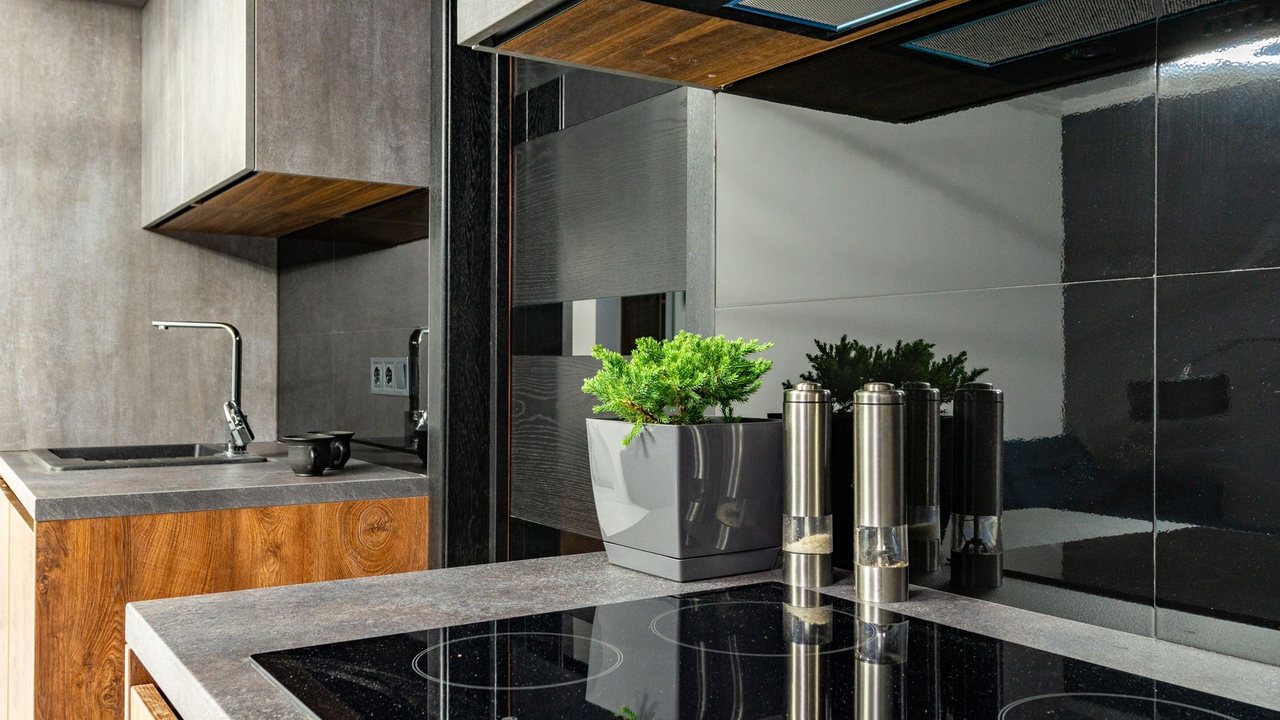
Replacing an induction hob in Alicante without a full kitchen renovation
Before ordering a replacement hob, have the worktop cut-out, cabinet ventilation and electrical installation checked by the relevant professionals.
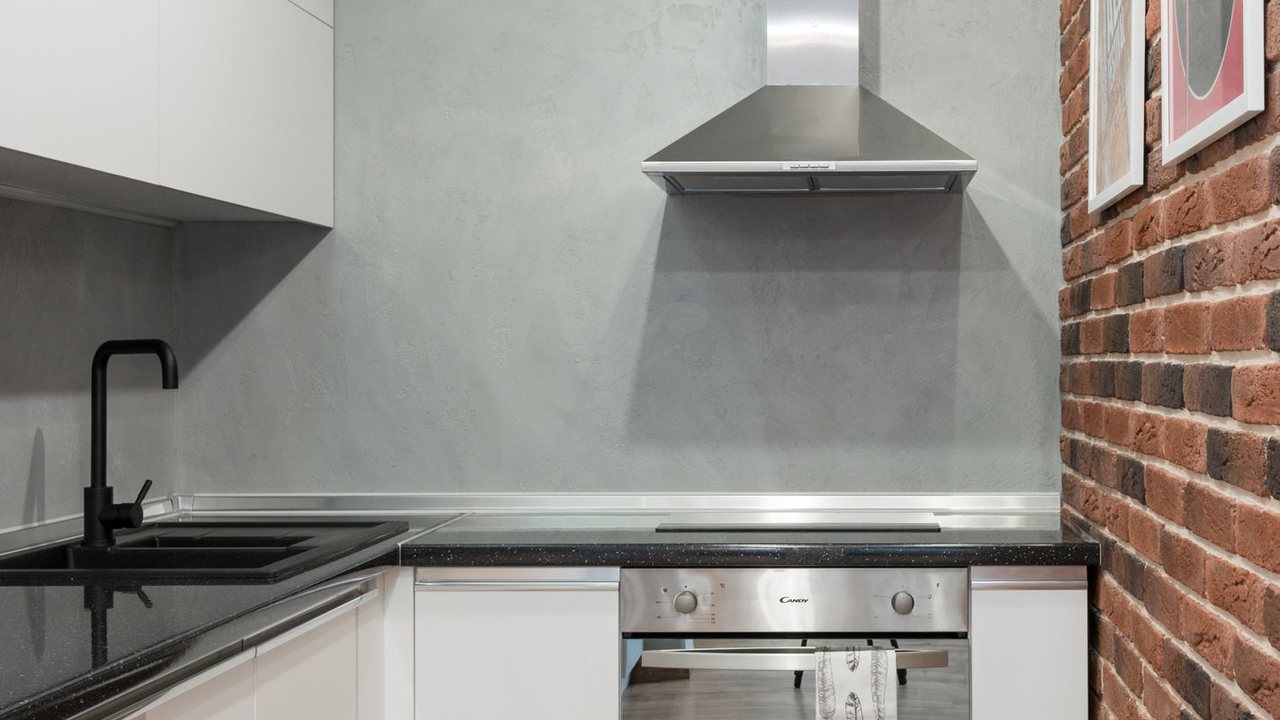
Cooker hoods in Alicante: ducted extraction or recirculation?
Before buying a cooker hood, check the existing installation, noise and filter access. Cabinet design alone does not determine how extraction will work.
Major-works permits for Alicante premises: lessons from the Panoramis case
Execution design, occupancy, common areas, waste and services must match the permit; non-compliant work can ultimately require removal.
3D scanning at Alicante's Teatro Principal: lessons for renovation companies
The laser-scanner survey of the Teatro Principal shows how to document geometry, defects and phases before working on complex buildings.
Renovating a protected facade in Elche and Alicante: catalogue before dismantling
The Riegos El Progreso project shows why a protected facade needs an inventory, planned dismantling, storage, investigations and coordinated design.
Replacing an induction hob in Alicante without a full kitchen renovation
Before ordering a replacement hob, have the worktop cut-out, cabinet ventilation and electrical installation checked by the relevant professionals.
Subscribe to our newsletter
And get a weekly digest of projects, bidding tips, and key platform updates straight to your inbox.
Cooker hoods in Alicante: ducted extraction or recirculation?
Before buying a cooker hood, check the existing installation, noise and filter access. Cabinet design alone does not determine how extraction will work.
Major-works permits for Alicante premises: lessons from the Panoramis case
Execution design, occupancy, common areas, waste and services must match the permit; non-compliant work can ultimately require removal.
3D scanning at Alicante's Teatro Principal: lessons for renovation companies
The laser-scanner survey of the Teatro Principal shows how to document geometry, defects and phases before working on complex buildings.
Renovating a protected facade in Elche and Alicante: catalogue before dismantling
The Riegos El Progreso project shows why a protected facade needs an inventory, planned dismantling, storage, investigations and coordinated design.
Subscribe to our newsletter
And get a weekly digest of projects, bidding tips, and key platform updates straight to your inbox.
Replacing an induction hob in Alicante without a full kitchen renovation
Before ordering a replacement hob, have the worktop cut-out, cabinet ventilation and electrical installation checked by the relevant professionals.
Cooker hoods in Alicante: ducted extraction or recirculation?
Before buying a cooker hood, check the existing installation, noise and filter access. Cabinet design alone does not determine how extraction will work.
Major-works permits for Alicante premises: lessons from the Panoramis case
Execution design, occupancy, common areas, waste and services must match the permit; non-compliant work can ultimately require removal.