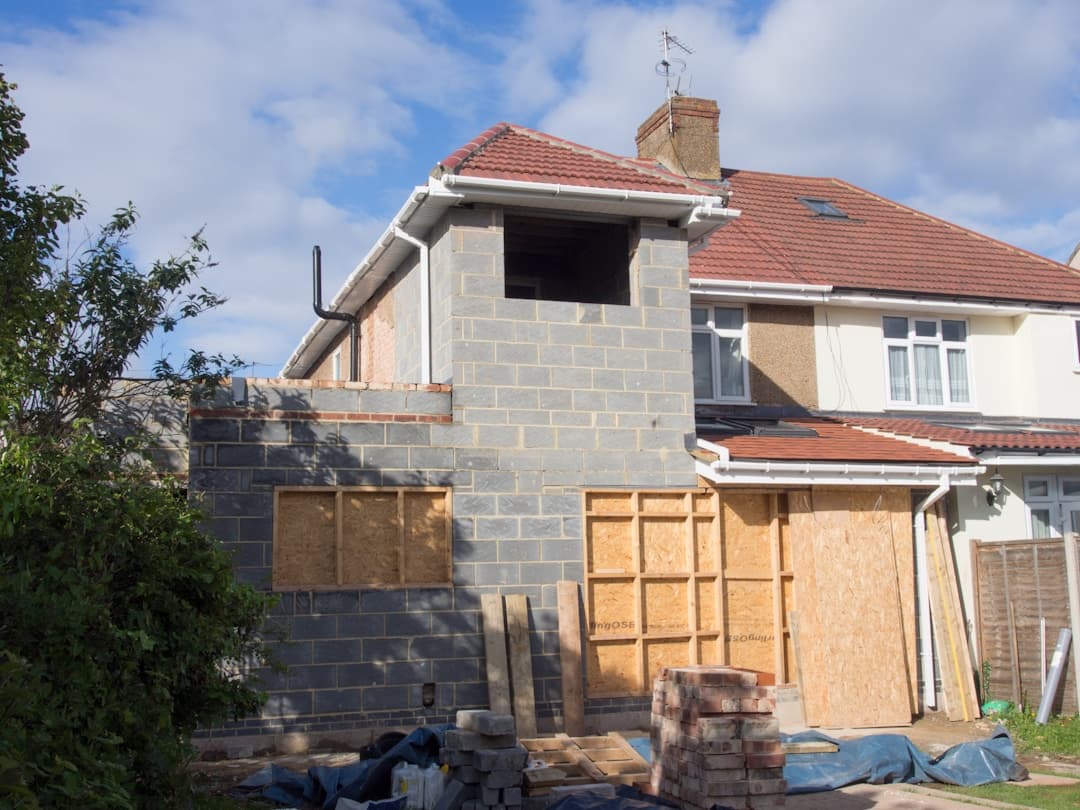
Drafting a Building Assessment Report (IEE): Price and Quotes
The average cost for drafting a Building Assessment Report for a small property (around 3,000 m²) is approximately 1,000 €. However, the architectural complexity of the building or the rates applied by each professional can affect this price.
The amounts are indicative and come from the original imported guide. The final budget depends on the scope, materials, and previous condition of the space.
Last reviewed
July 2026
Edited by: Luis Rodenas
Pricing method
Indicative ranges are compared by scope, measurements, materials, labour, permits, VAT and contingency.
Alicante context
Confirm access, community rules, salt-air exposure and municipal requirements before accepting a quote.
Service Levels and Pricing
Compare the different options available for your Building Assessment Report based on your budget and specific needs.
Basic
Simplified report for small buildings (up to 3,000 m²) without significant architectural complexities. Includes general condition assessment and main deficiencies.
Standard
Most popular option for medium-sized residential buildings (3,000 - 5,000 m²). Includes comprehensive assessment with detailed analysis of structures and main systems.
Premium
Complete report for complex buildings (over 5,000 m²) or with architectural particularities. Includes exhaustive analysis with technical testing and detailed construction budgets.
Share your project details and get free contact with professionals who work on similar projects.
Prices for drafting a building evaluation report (IEE)
See what homeowners usually pay for the most common tasks. Use these ranges to fine-tune your scope and avoid missing key items in your budget.
Single-family home evaluation report
800 €
Evaluation report for a home with attached garage
900 €
Evaluation report for a building with 20 units
1.200 €
Evaluation report for a building with 40 units
1.500 €
Evaluation report for a building with 60 units
1.800 €
Steps to Prepare a Building Evaluation Report (IEE) with Reformia
The average cost of drafting the Building Evaluation Report for a small property (around 3.000 m²) would be approximately 1.000 €. However, the architectural complexity of the building or even the rates that each professional applies can vary this price.
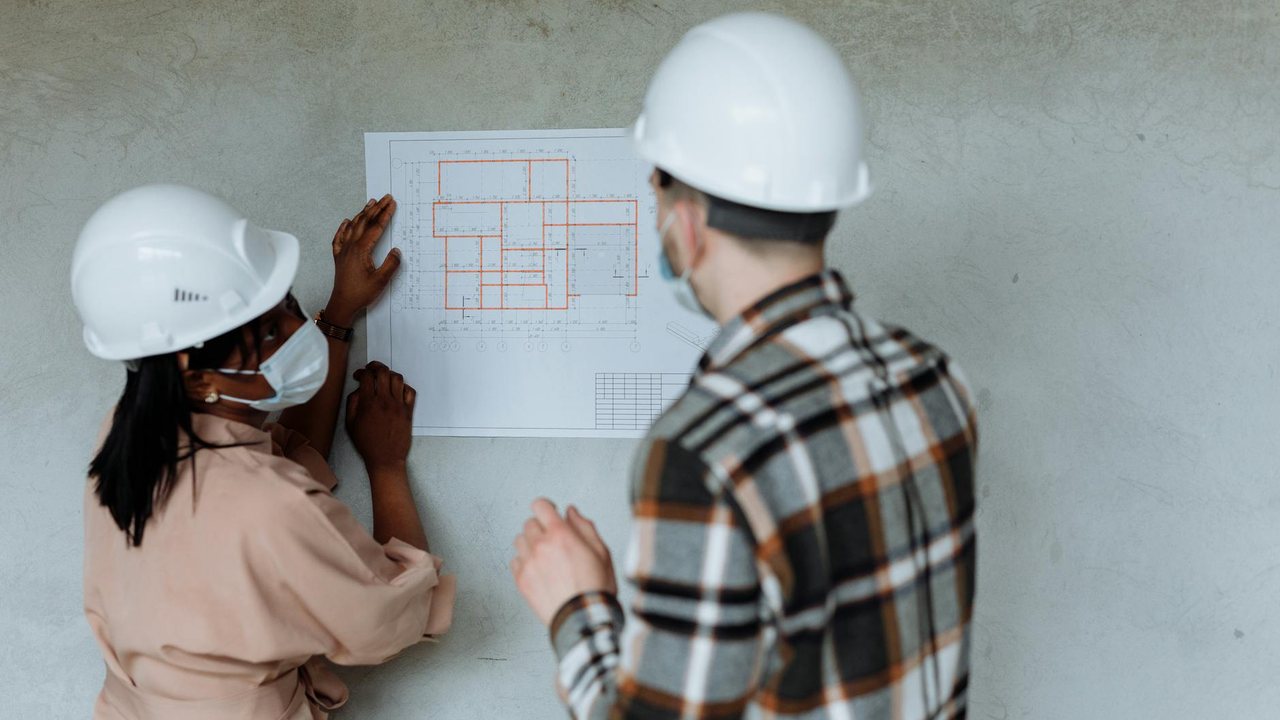
1. Contact a qualified specialized technician
The first step is to find a qualified technical specialist in building inspections (ITE) with the necessary certifications. This professional will prepare the evaluation report with an average cost of 2,050 €. Verify their previous experience with similar buildings to ensure quality work.
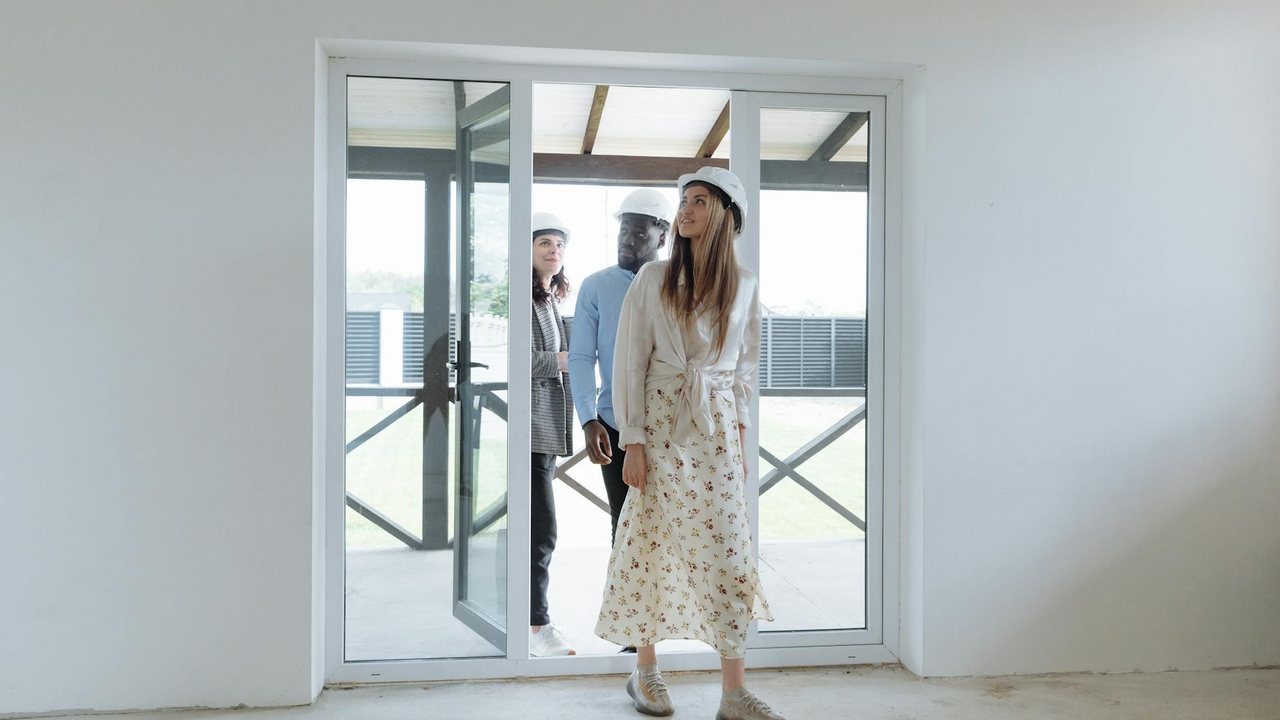
2. Gather documentation on the building and property
Before the inspection, gather all available documentation: building permits, previous renovations, technical system certificates, and maintenance records. This information speeds up the evaluation process and allows the technician to prepare a more accurate assessment report.
3. Conduct a thorough visual inspection of the building
The technician conducts a comprehensive visual inspection of structures, facades, roofs, common areas, and technical systems. For a single-family home, the base cost is 150 €, while for multi-unit buildings it increases by size. This stage is essential for detecting potential problems.
The average cost of drafting the Building Evaluation Report for a small property (around 3.000 m²) would be approximately 1.000 €. However, the architectural complexity of the building or even the rates that each professional applies can vary this price.
What is usually included in a quote
Each professional may structure quotes differently, but most project budgets follow this logic.
Typically included
Often not included
Steps to Prepare a Building Evaluation Report (IEE)
The average cost of drafting the Building Evaluation Report for a small property (around 3.000 m²) would be approximately 1.000 €. However, the architectural complexity of the building or even the rates that each professional applies can vary this price.
1. Contact a qualified specialized technician
The first step is to find a qualified technical specialist in building inspections (ITE) with the necessary certifications. This professional will prepare the evaluation report with an average cost of 2,050 €. Verify their previous experience with similar buildings to ensure quality work.
2. Gather documentation on the building and property
Before the inspection, gather all available documentation: building permits, previous renovations, technical system certificates, and maintenance records. This information speeds up the evaluation process and allows the technician to prepare a more accurate assessment report.
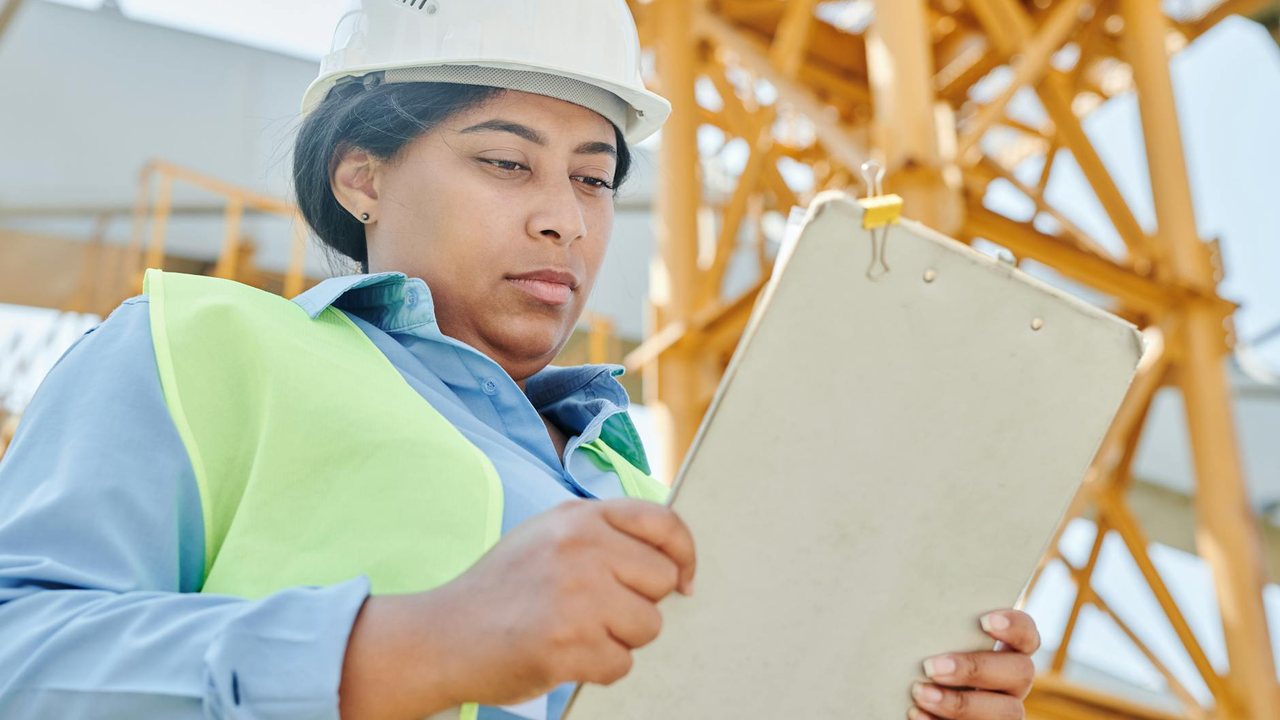
3. Conduct a thorough visual inspection of the building
The technician conducts a comprehensive visual inspection of structures, facades, roofs, common areas, and technical systems. For a single-family home, the base cost is 150 €, while for multi-unit buildings it increases by size. This stage is essential for detecting potential problems.
4. Assess structural condition and technical systems
During this phase, the structural integrity, electrical systems, plumbing, heating, and other building technical systems are analyzed. The technician uses specialized tools to assess potential deficiencies requiring repair or preventive maintenance.
What can change your final price
Even similar projects can end with different budgets. These are the factors that most often push costs up or down.
Building size and surface area
The total property area is the main factor determining the price. A 3,000 m² building has a vastly different cost than an 8,000 m² or 15,000 m² one, as it requires more inspection time and documentation work.
Age and condition of the property
Older buildings or those in poor condition require more thorough and detailed assessments, increasing the specialist technician's working hours and, therefore, the final budget.
Architectural complexity and installed systems
The presence of complex climate control systems, outdated electrical installations, special structures, or multiple floors significantly increases the report's complexity and cost.
Professional credentials and technician experience
Registered technicians with extensive IEE experience typically charge higher rates than less specialized professionals, though they guarantee greater quality and accuracy in the document.
Next step
Use "Drafting a Building Assessment Report (IEE): Price and Quotes" to prepare a short brief before requesting quotes: current condition, must-have scope, optional upgrades, access constraints and timing. Then compare it with Building Technical Inspection (ITE) price guides so each contractor proposal covers the same work.
How much does the Building Evaluation Report cost?
The average cost of drafting the Building Evaluation Report for a small property (around 3.000 m²) would be approximately 1.000 €. However, the architectural complexity of the building or even the rates that each professional applies can vary this price.
The Building Evaluation Report (IEE) is a document that details the condition of a property, certifies compliance with accessibility regulations, and sets its energy efficiency level. It therefore consists of three sections:
What regulations govern the Building Evaluation Report?
The average cost of drafting the Building Evaluation Report for a small property (around 3.000 m²) would be approximately 1.000 €. However, the architectural complexity of the building or even the rates that each professional applies can vary this price.
The report will rate the conservation condition as satisfactory if no deficiencies are found. If there are any, they must be corrected within a deadline specified in the report itself in order to close the case.
Finally, it should be noted that the IEE must be submitted to the corresponding city council, which will be valid for 10 years unless the corresponding community legislates otherwise, and failure to complete it on time results in penalties.
- Building Technical Inspection (ITE): its objective is to verify the condition of the building, therefore, elements such as structure, foundation, facade, party walls, roofs and terraces or plumbing, sanitation and electrical networks, among other aspects are inspected.
- Accessibility conditions: in this case, it is inspected that legal regulations in this area are met, focusing on interior and exterior routes, accesses, stairs and elevators.
- Energy Efficiency Certificate: measures the efficiency of the entire building and common areas. It is independent of what each owner must do to be able to sell or rent a property.
- Professional fees: there is no regulation governing this aspect, fees are not regulated, so each professional or company applies what they deem appropriate and the difference between one and another can be significant.
The path to the IEE has involved an extensive legislative process that began in 2011, when the law regulating the application of the Building Technical Inspection was approved. However, the additional provision in which it was mentioned was repealed with the publication of Law 8/2013 on Rehabilitation, Regeneration and Urban Renewal, which already expressly mentions the IEE.
Finally, in 2015 there is a new legislative change with the approval of Royal Legislative Decree 7/2015, of October 30, which approves the consolidated text of the Soil and Urban Rehabilitation Law. In Article 29, it expressly mentions the Building Evaluation Report.
Independently of this, each autonomous community can legislate on this matter and establish its own rules for the application of this law.
- Travel: normally, a single visit to the building is sufficient to draft the IEE and many professionals include travel in their rates. However, this is not always the case, so it is advisable to check.
- Cadastral area of the building: it is common for the cost of the IEE to be determined based on the size of the building. For buildings between 2.500 and 5.000 m² the price would be between 0,30 €/m² and 0,40 €/m² and above that area it would cost between 0,25 €/m² and 0,35 €/m². Below 2.500 m² the price can range between 700 € and 900 €.
- For a building with 15 units (3 per floor), without shops on the ground floor or basements, with two street-facing facades and two roofs, two party walls and a light well, the approximate price would be around 1.200 €.
- In the case of a building with 40 units (4 per floor) with basement, one street-facing facade, one roof, two party walls and a light well, the price would amount to around 1.600 €.
A platform built equally for homeowners and professionals
Whether you're planning a renovation or looking for your next project, Reformia gives both sides the tools to connect, compare, and collaborate with confidence.
For individuals
For professionals


You may also like
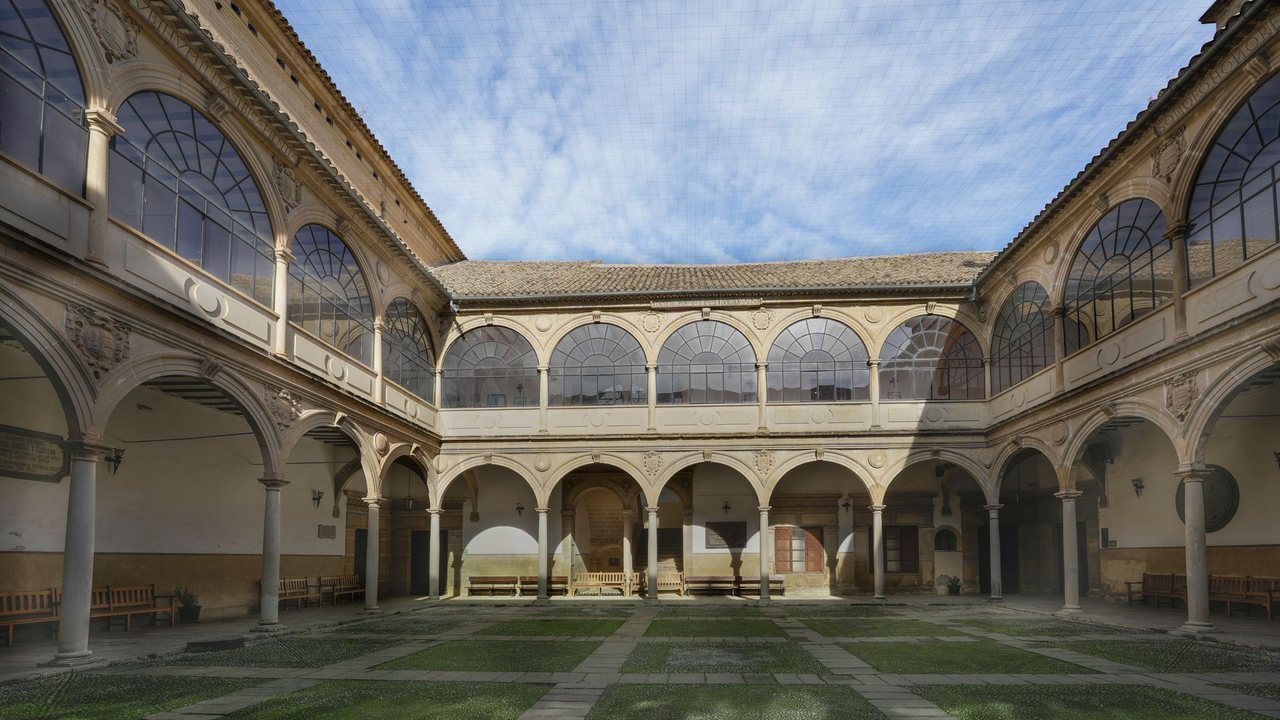
3D scanning at Alicante's Teatro Principal: lessons for renovation companies
The laser-scanner survey of the Teatro Principal shows how to document geometry, defects and phases before working on complex buildings.
Read article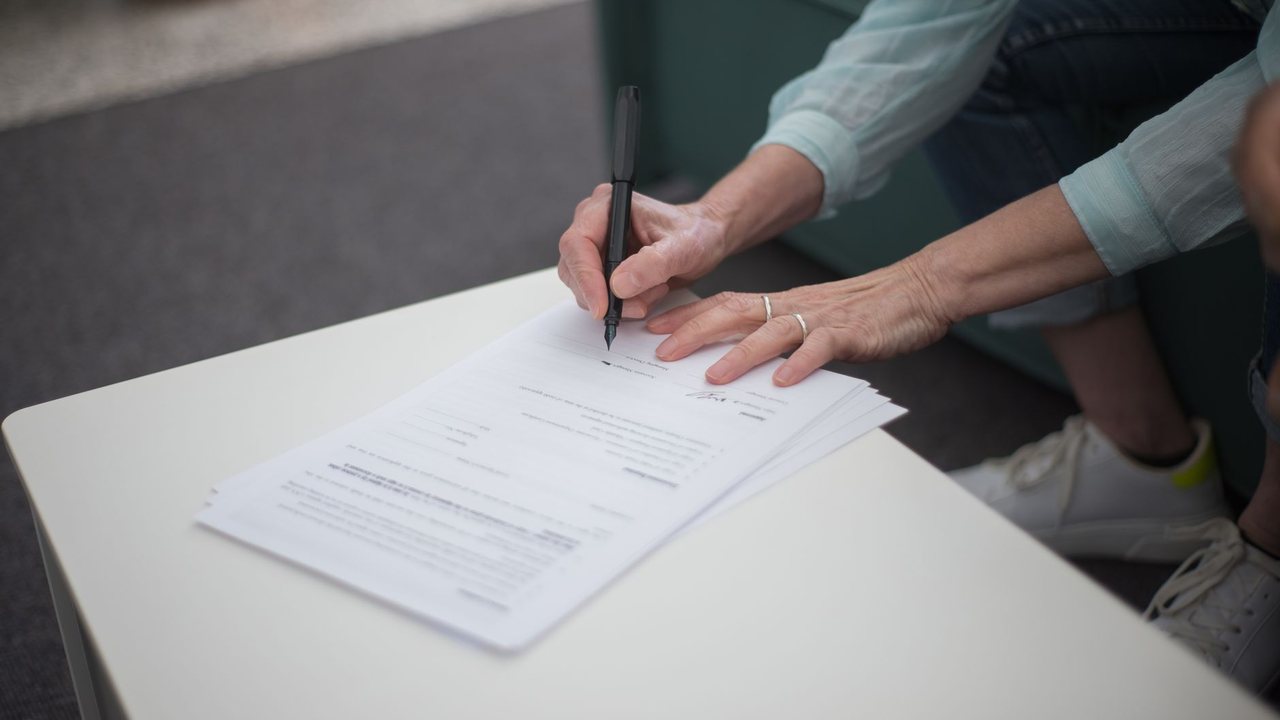
Closing a Valencian renovation grant before 30 September
Final qualification and payment require a coherent file, as-built design, certificates and costs; 30 September is not a new application round.
Read article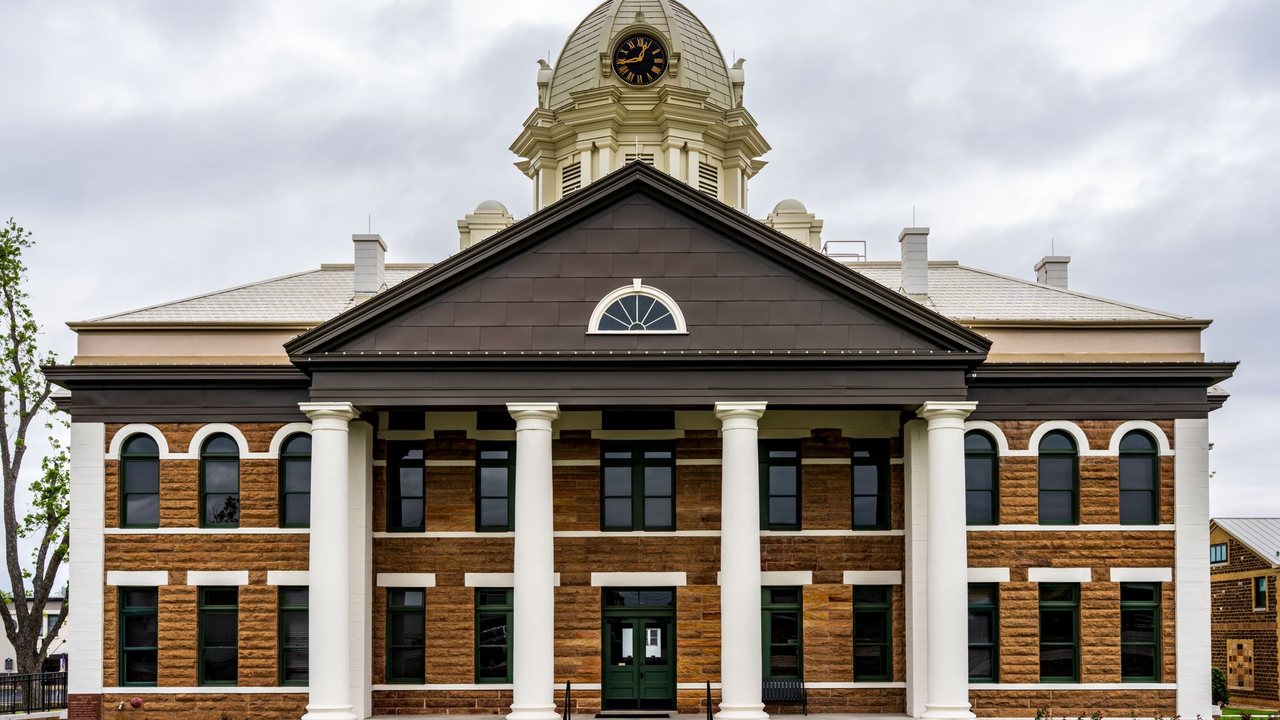
Renovating a protected facade in Elche and Alicante: catalogue before dismantling
The Riegos El Progreso project shows why a protected facade needs an inventory, planned dismantling, storage, investigations and coordinated design.
Read articleFrequently Asked Questions
How much does it cost to prepare a Building Evaluation Report?
The average cost of an IEE for a small building of approximately 3,000 m² is around 1,000 €, though this price can vary significantly depending on the architectural complexity of the property and the professional's rates. For larger buildings or those with complex features, the budget can range from 1,500 € to 3,500 €. Rates also depend on the autonomous community and whether additional inspections or specialized analyses are required.
What exactly does a Building Evaluation Report include?
The IEE includes a comprehensive assessment of the building's conservation status, analysis of the thermal envelope, installations, accessibility, structural safety, and classification of the energy efficiency level. The report also contains a plan of recommended actions and, if necessary, a rehabilitation program with estimated budgets. All these elements are regulated by current technical regulations regarding building inspections.
How long does it take to complete a Building Evaluation Report?
The preparation time for an IEE typically ranges from 2 to 4 weeks from the initial inspection to delivery of the final report, depending on the building's complexity and the technician's availability. For large buildings or those with significant structural issues, the process may extend up to 6 weeks. The technical inspection itself generally requires 1 or 2 days of on-site work.
How should I choose the technician to prepare my IEE?
It is important to hire a qualified professional registered with the Official College of Architects or Technical Engineers in your autonomous community, who has specific experience in building inspections. Compare quotes from at least 3 different professionals, requesting that they detail what their service includes and the delivery timeline. Verify their previous references and ensure they are up to date with current technical and energy regulations.
Do I necessarily need a Building Evaluation Report?
The IEE is mandatory for buildings over 25 years old that house public activities, as well as for those being sold or for which mortgage financing is requested in some cases. Regulations vary depending on the autonomous community, so it is advisable to consult with your local administration or city council to learn the specific requirements for your area. Although not mandatory, conducting an IEE provides valuable information about the property's condition and maintenance needs.
Got more questions? Contact us!
Got more questions? Contact us!
Frequently Asked Questions
How much does it cost to prepare a Building Evaluation Report?
The average cost of an IEE for a small building of approximately 3,000 m² is around 1,000 €, though this price can vary significantly depending on the architectural complexity of the property and the professional's rates. For larger buildings or those with complex features, the budget can range from 1,500 € to 3,500 €. Rates also depend on the autonomous community and whether additional inspections or specialized analyses are required.
What exactly does a Building Evaluation Report include?
The IEE includes a comprehensive assessment of the building's conservation status, analysis of the thermal envelope, installations, accessibility, structural safety, and classification of the energy efficiency level. The report also contains a plan of recommended actions and, if necessary, a rehabilitation program with estimated budgets. All these elements are regulated by current technical regulations regarding building inspections.
How long does it take to complete a Building Evaluation Report?
The preparation time for an IEE typically ranges from 2 to 4 weeks from the initial inspection to delivery of the final report, depending on the building's complexity and the technician's availability. For large buildings or those with significant structural issues, the process may extend up to 6 weeks. The technical inspection itself generally requires 1 or 2 days of on-site work.
How should I choose the technician to prepare my IEE?
It is important to hire a qualified professional registered with the Official College of Architects or Technical Engineers in your autonomous community, who has specific experience in building inspections. Compare quotes from at least 3 different professionals, requesting that they detail what their service includes and the delivery timeline. Verify their previous references and ensure they are up to date with current technical and energy regulations.
Do I necessarily need a Building Evaluation Report?
The IEE is mandatory for buildings over 25 years old that house public activities, as well as for those being sold or for which mortgage financing is requested in some cases. Regulations vary depending on the autonomous community, so it is advisable to consult with your local administration or city council to learn the specific requirements for your area. Although not mandatory, conducting an IEE provides valuable information about the property's condition and maintenance needs.