Complete Guide to Renovation Permits in Spain

Understanding the Spanish Permit System
Spain's building permit system is managed at the municipal level, meaning each of the country's 8,131 municipalities can have slightly different requirements and procedures. However, the framework is governed by national legislation, primarily the Ley de Suelo and each autonomous community's urban planning laws. Understanding the basics will help you navigate the process regardless of where you live.
There are three main types of authorisation for renovation work in Spain. The licencia de obra mayor is required for significant structural modifications, changes to the building's facade or volume, or work affecting common elements in a community of owners. The licencia de obra menor covers non-structural interior renovations that modify the layout, plumbing, electrical systems, or require scaffolding. The declaracion responsable or comunicacion previa is a simplified notification for minor works like painting, flooring replacement, or fixture updates.
The consequences of proceeding without the required permit are severe. Fines range from 600 to 6,000 euros for minor infractions, and can reach 30,000 euros or more for major works. In the worst cases, the municipality can order the demolition of unpermitted work at the owner's expense. Additionally, unpermitted modifications can cause problems when selling your property, as buyers and their lawyers will check for proper licensing of any visible renovations.
When Do You Need a Licencia de Obra?
A licencia de obra mayor is needed when the renovation involves structural modifications such as removing or adding walls that bear load, creating new openings in exterior walls, modifying the roof structure, or adding a floor or extension. This type of permit requires a proyecto tecnico (technical project) prepared by a qualified architect (arquitecto) and usually a technical architect (arquitecto tecnico) who will direct the work. The permit fee varies by municipality but typically costs 3 to 5 per cent of the declared construction budget, plus the ICIO tax (Impuesto sobre Construcciones, Instalaciones y Obras) at 2 to 4 per cent.
A licencia de obra menor applies to most interior renovations that change the distribution of rooms, relocate plumbing or gas installations, or require dumpster placement on public roads. In many municipalities, the obra menor category has been replaced by the declaracion responsable, which speeds up the process considerably. The cost is typically lower, ranging from 100 to 500 euros in municipal fees.
Work that generally does not require any permit includes painting interior walls, replacing flooring on the same level, swapping kitchen appliances for new ones of the same type, and replacing bathroom fixtures without moving plumbing points. However, even these minor works may require a comunicacion previa in some municipalities, particularly in historic districts or buildings with heritage protection.
The Application Process Step by Step
For a licencia de obra menor or declaracion responsable, the process begins at your local ayuntamiento (town hall). You will typically need to submit an application form (solicitud), a description of the planned work, a floor plan showing before-and-after layouts if walls are being moved, proof of property ownership (nota simple from the Registro de la Propiedad), and payment of the corresponding fee. In many cities, this can now be done online through the sede electronica.
For a licencia de obra mayor, you will need all of the above plus a proyecto basico y de ejecucion signed by a qualified architect and visado (endorsed) by the local colegio de arquitectos. The project must comply with the Codigo Tecnico de la Edificacion (CTE) regarding structural safety, fire protection, acoustics, and energy efficiency. The processing time for an obra mayor is typically 1 to 3 months, though in large cities like Madrid or Barcelona it can take up to 6 months.
Once you receive your permit, it typically has a validity period of 6 to 12 months for obra menor and 12 to 24 months for obra mayor. Work must begin within this period. Some permits also specify a maximum duration for the construction work. If you cannot complete the work within the permitted timeframe, you can usually request an extension (prorroga) before the original permit expires.
Special Considerations for Communities of Owners
If you live in a building with a comunidad de propietarios (community of owners), you may need approval from the community before applying for a municipal permit. Under Spain's Ley de Propiedad Horizontal, work that affects the building's structure, exterior appearance, or common elements requires approval by a majority or qualified majority of owners, depending on the type of work.
Even purely interior renovations may be subject to community rules regarding construction hours, noise levels, and use of common areas for material transport. Most communities restrict noisy work to weekday hours, typically 8:00 to 20:00 or 9:00 to 19:00. Check your community's statutes (estatutos) and internal regulations (reglamento de regimen interior) before scheduling work.
Keep your building administrator informed of your renovation plans and provide a copy of your permit. This prevents misunderstandings with neighbours and ensures the community is aware that the work is authorised. If neighbours file complaints about noise or disruption, having proper permits provides important legal protection.
Permit Requirements by Type of Work
Use this guide to determine what authorisation you need for common renovation projects.
- 1Painting, minor repairs, appliance replacementNo permit / Comunicacion previa
Generally no permit required, though a comunicacion previa may be needed in some municipalities. Check with your ayuntamiento, especially if the property is in a historic area.
- 2Bathroom or kitchen renovation (same layout)Declaracion responsable
Typically requires a declaracion responsable or comunicacion previa. If plumbing points are moved or electrical circuits are modified, a licencia de obra menor may be required.
- 3Removing or adding non-structural partition wallsLicencia de obra menor
Requires a licencia de obra menor or declaracion responsable with a technical report (informe tecnico) confirming the walls are non-load-bearing. Cost: 200 to 500 euros in fees.
- 4Structural modifications or facade changesLicencia de obra mayor
Requires a licencia de obra mayor with a full technical project by a qualified architect. Cost: 3 to 5 per cent of the construction budget in fees, plus professional fees of 5 to 12 per cent.
Renovation Permits FAQ
How long does it take to get a renovation permit?
What are the fines for doing renovation work without a permit?
Can I legalise renovation work that was done without a permit?
Do I need a permit to install air conditioning in Spain?
Is a permit required for changing windows in my flat?
Related guides and reading
To turn this article into a renovation plan, start with How Much Does It Cost to Update or Replace an Elevator? and compare it with How Much Does It Cost to Install an Elevator? and How Much Does It Cost to Build a Ramp in the Entrance?. These internal guides help separate budget, permits, technical checks and optional upgrades before you speak with contractors.
For wider context, continue with Buying a house to renovate in Alicante: pre-deposit checklist. Reading related articles together makes the Reformia journal work as a planning path rather than isolated posts.
You may also like
Show All Articles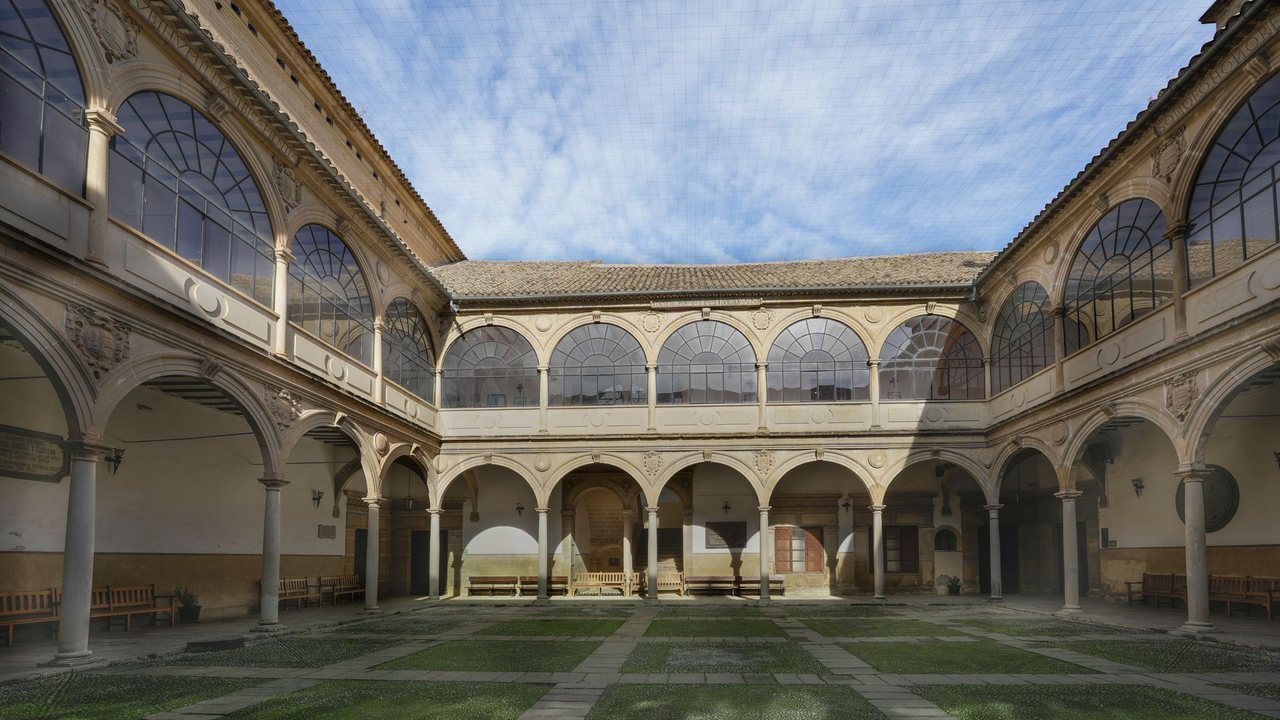
3D scanning at Alicante's Teatro Principal: lessons for renovation companies
The laser-scanner survey of the Teatro Principal shows how to document geometry, defects and phases before working on complex buildings.
Subscribe to our newsletter
And get a weekly digest of projects, bidding tips, and key platform updates straight to your inbox.
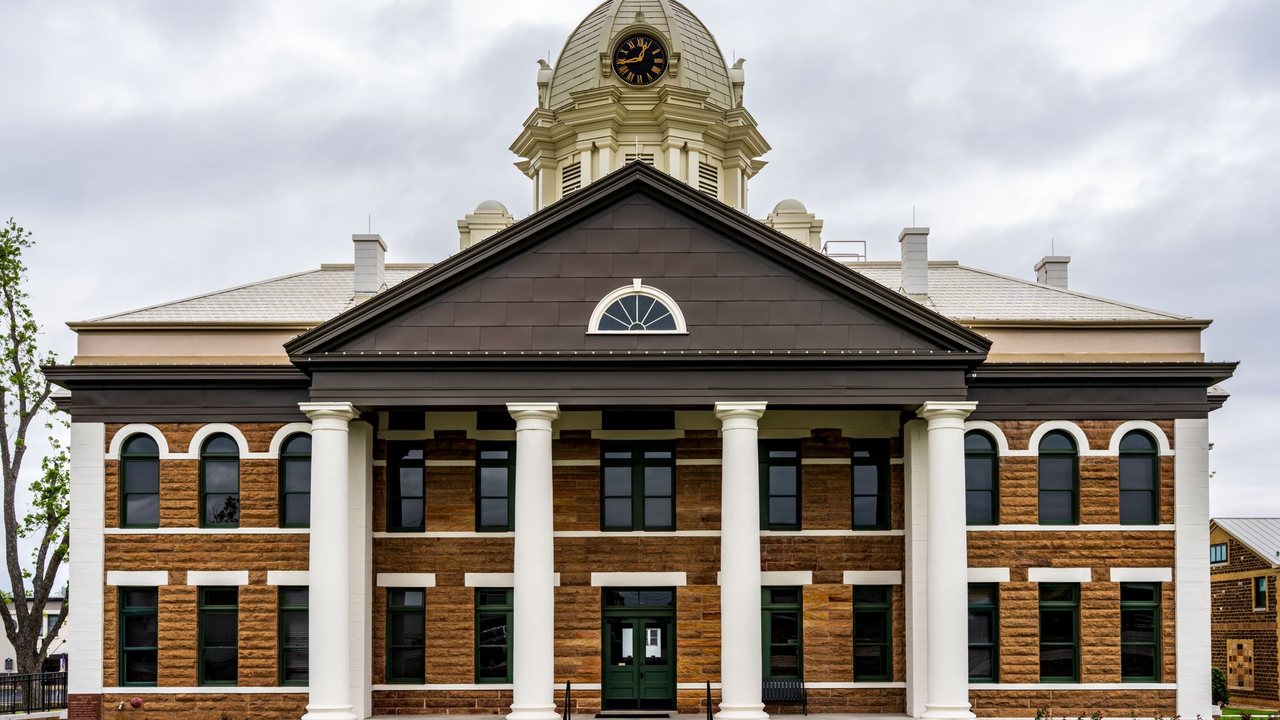
Renovating a protected facade in Elche and Alicante: catalogue before dismantling
The Riegos El Progreso project shows why a protected facade needs an inventory, planned dismantling, storage, investigations and coordinated design.
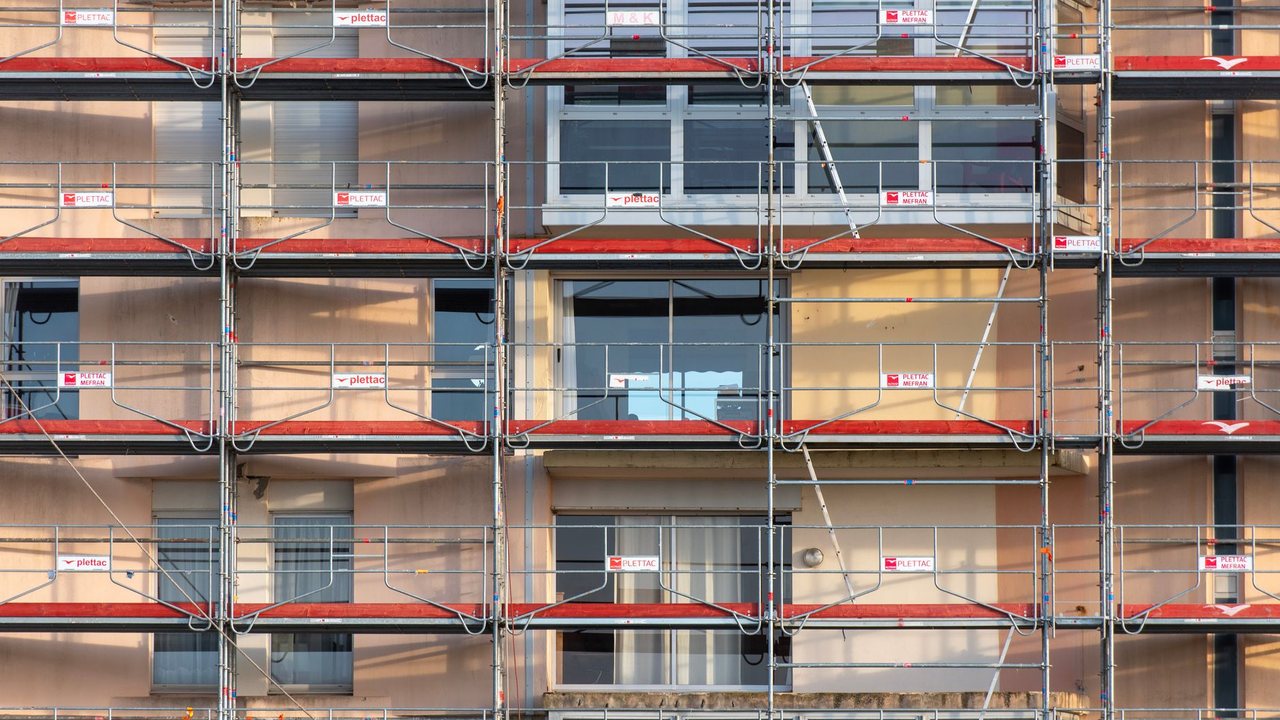
Renovating an occupied Alicante building: phases, access and living through the works
The new Virgen del Remedio tender shows that block rehabilitation needs phases, accessibility, temporary services and resident communication.
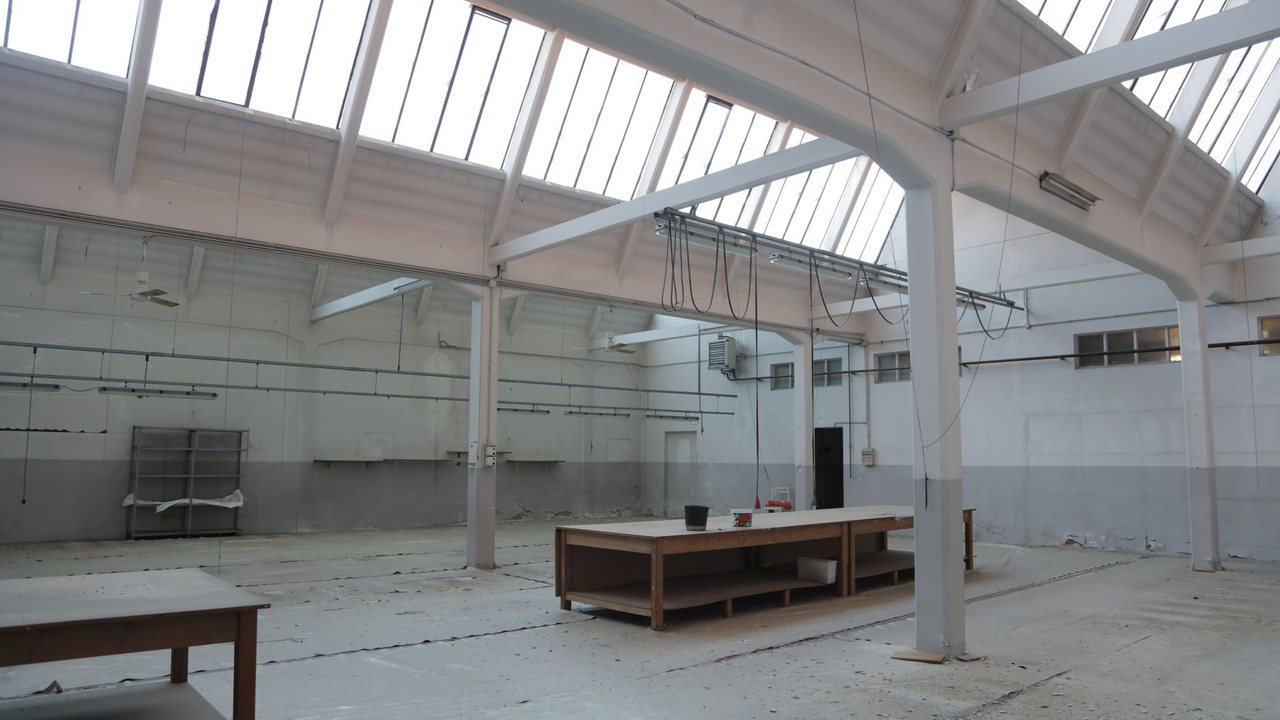
Major-works permits for Alicante premises: lessons from the Panoramis case
Execution design, occupancy, common areas, waste and services must match the permit; non-compliant work can ultimately require removal.

Closing a Valencian renovation grant before 30 September
Final qualification and payment require a coherent file, as-built design, certificates and costs; 30 September is not a new application round.
3D scanning at Alicante's Teatro Principal: lessons for renovation companies
The laser-scanner survey of the Teatro Principal shows how to document geometry, defects and phases before working on complex buildings.
Renovating a protected facade in Elche and Alicante: catalogue before dismantling
The Riegos El Progreso project shows why a protected facade needs an inventory, planned dismantling, storage, investigations and coordinated design.
Renovating an occupied Alicante building: phases, access and living through the works
The new Virgen del Remedio tender shows that block rehabilitation needs phases, accessibility, temporary services and resident communication.
Subscribe to our newsletter
And get a weekly digest of projects, bidding tips, and key platform updates straight to your inbox.
Major-works permits for Alicante premises: lessons from the Panoramis case
Execution design, occupancy, common areas, waste and services must match the permit; non-compliant work can ultimately require removal.
Closing a Valencian renovation grant before 30 September
Final qualification and payment require a coherent file, as-built design, certificates and costs; 30 September is not a new application round.
3D scanning at Alicante's Teatro Principal: lessons for renovation companies
The laser-scanner survey of the Teatro Principal shows how to document geometry, defects and phases before working on complex buildings.
Renovating a protected facade in Elche and Alicante: catalogue before dismantling
The Riegos El Progreso project shows why a protected facade needs an inventory, planned dismantling, storage, investigations and coordinated design.
Subscribe to our newsletter
And get a weekly digest of projects, bidding tips, and key platform updates straight to your inbox.
Renovating an occupied Alicante building: phases, access and living through the works
The new Virgen del Remedio tender shows that block rehabilitation needs phases, accessibility, temporary services and resident communication.
Major-works permits for Alicante premises: lessons from the Panoramis case
Execution design, occupancy, common areas, waste and services must match the permit; non-compliant work can ultimately require removal.
Closing a Valencian renovation grant before 30 September
Final qualification and payment require a coherent file, as-built design, certificates and costs; 30 September is not a new application round.