Small Bathroom Renovation: Ideas to Maximize Space
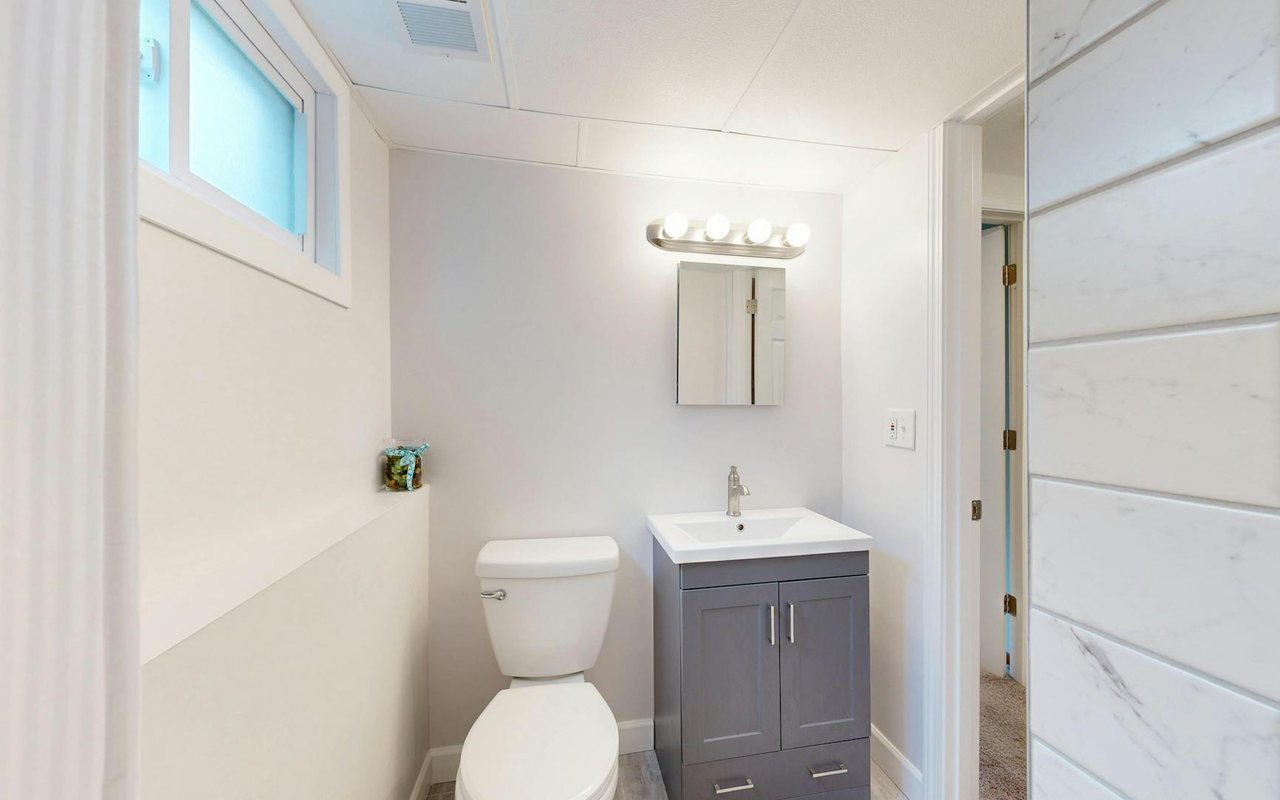
Making the Most of a Small Bathroom
Small bathrooms are a reality for millions of Spanish homeowners. The average bathroom in a Spanish apartment built between 1960 and 1990 measures just 3.5 to 5 square metres, and many older flats have bathrooms as small as 2.5 square metres. But a small footprint does not mean you have to compromise on comfort, style, or functionality. With the right design approach and clever product choices, even the tiniest bathroom can feel spacious and work beautifully.
The key to a successful small bathroom renovation lies in three principles: choosing appropriately scaled fixtures, maximising vertical storage, and using visual tricks to create an illusion of more space. In this guide, I share proven strategies that I have applied to hundreds of compact bathroom renovations across Spain, along with realistic costs for each solution.
A complete small bathroom renovation in Spain costs between 3,000 and 8,000 euros depending on the level of finishes and whether the layout changes. Even with a modest budget, strategic choices can transform a cramped, dated bathroom into a practical, modern space that adds value to your home.
Space-Saving Fixtures and Their Costs
Wall-hung toilets are the number one space-saving upgrade for small Spanish bathrooms. By concealing the cistern inside the wall (using an empotrable system from Geberit or similar), you free up 15 to 20 centimetres of floor depth and make the bathroom feel significantly more open. The visual effect of a clean floor line extending under the toilet creates an impression of greater space. A wall-hung toilet system (including the cistern frame, toilet bowl, and installation) costs between 500 and 1,200 euros.
Compact walk-in showers replace bathtubs in virtually all small bathroom renovations. A frameless glass panel (mampara fija) instead of a traditional shower enclosure eliminates visual barriers and lets the eye travel across the full room. A single fixed glass panel of 80 to 100 centimetres costs 300 to 700 euros installed. Pair this with a flush shower tray (plato de ducha extraplano) at 200 to 400 euros for a seamless, accessible design.
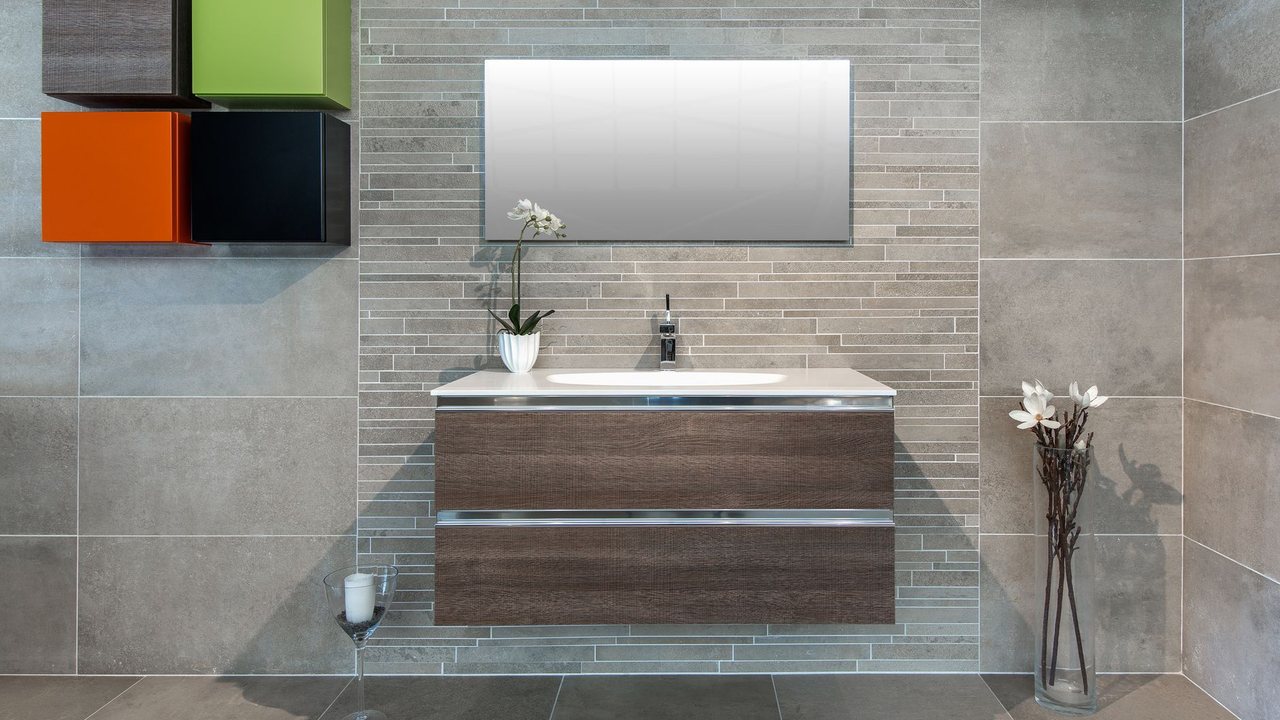
Compact vanity units with integrated basins maximise storage in a minimal footprint. Wall-mounted vanity units of 60 to 80 centimetres wide, with drawers rather than doors, offer excellent organisation while keeping the floor clear. Spanish brands like Salgar, Royo, and Roca offer quality compact vanities from 300 to 800 euros. For very tight spaces, corner basins and narrow vanities of 40 to 50 centimetres provide a functional solution.
Sliding pocket doors replace standard swing doors that waste up to 0.7 square metres of usable space in a small bathroom. A standard interior pocket door system costs between 300 and 600 euros installed and eliminates the dead zone behind the door swing. If a pocket door is not structurally feasible, a barn-style sliding door on an external rail is an alternative at 200 to 400 euros.
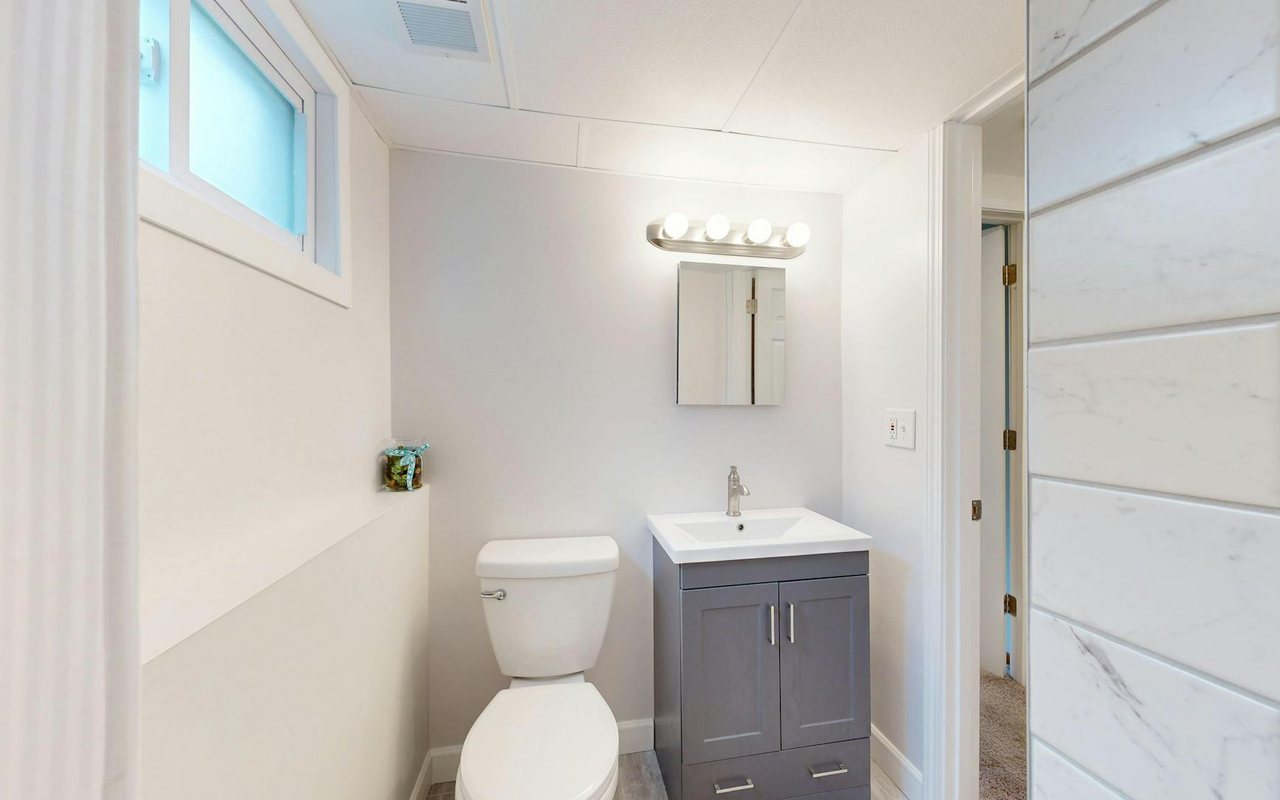
Visual Tricks to Maximize Perceived Space
Large-format tiles create fewer grout lines, which visually expands the room. Use tiles of at least 30x60 centimetres, or larger if your space allows. The same tile on both floor and walls (or at least the same colour family) eliminates visual boundaries that make small rooms feel smaller. Rectified tiles with minimal grout lines (1.5 to 2 millimetres) enhance this effect further.
Light colours reflect more light and make spaces feel open. White, soft grey, warm beige, and pale stone tones are the most effective for small bathrooms. If you want accent colours, limit them to a single feature wall or decorative elements. In Spain's sunny climate, natural light is your best friend: maximise it with clear or frosted glass shower panels and avoid heavy window treatments.
A large mirror is the single most effective visual trick for small bathrooms. A full-width mirror above the vanity, or even a floor-to-ceiling mirror on one wall, doubles the perceived depth of the room. Backlit mirrors (80 to 300 euros) provide soft ambient lighting and add a modern touch. Consider a mirror cabinet (armario con espejo) that combines storage with the visual expansion effect, available from 150 to 500 euros.
Continuous flooring from the bathroom into the corridor or adjoining room, without a threshold strip, creates a sense of flow that makes the bathroom feel less enclosed. This is easiest to achieve during a broader renovation when you are updating flooring in adjacent areas as well. Use a porcelain tile rated for wet areas (minimum R10 anti-slip rating) to maintain safety standards.
Clever Storage Solutions
Recessed shelving (hornacinas) built into shower walls or above the toilet provides storage without encroaching on floor space. A standard recessed niche of 30x60 centimetres costs 100 to 250 euros to construct during a renovation and can hold shampoo bottles, towels, or decorative items. Waterproof LED strip lighting inside the niche adds a premium touch for an extra 50 to 100 euros.
Vertical ladder towel radiators replace both the traditional towel rack and the radiator, saving wall space while keeping towels warm and dry. A chrome heated towel rail of 50x120 centimetres costs between 150 and 400 euros and fits elegantly in the narrow space behind the door or beside the shower. These are especially practical in Spanish homes where older cast-iron radiators take up valuable floor space.
Over-door organisers, magnetic strips for small metal items, and suction-cup accessories provide additional storage without drilling holes or taking up permanent space. For families, a wall-mounted cabinet above the toilet (typically 60 centimetres wide and 70 centimetres tall) provides essential storage for toiletries, medicines, and cleaning products while remaining above the sight line.
Small Bathroom Renovation Ideas by Budget
Choose the upgrade level that matches your budget and needs.
- 1Budget refresh (1,500-3,000 euros)Cosmetic upgrade
Replace tiles (or paint over existing tiles with specialist tile paint at 200 euros), new shower tray and glass panel, modern taps, new mirror and lighting, and a fresh coat of anti-humidity paint. This level refreshes the look without changing the layout.
- 2Mid-range renovation (3,000-6,000 euros)Best value
Full re-tiling with large-format porcelain, wall-hung toilet, compact vanity unit, frameless walk-in shower, recessed niches, new lighting scheme, and updated plumbing. This is the most popular option for Spanish homeowners upgrading small bathrooms.
- 3Premium transformation (6,000-10,000 euros)Luxury finish
All of the above plus underfloor heating, premium branded fixtures from Roca Inspira or Duravit, heated towel rail, backlit mirror cabinet, pocket door installation, and designer taps. This level creates a boutique-hotel feel in a compact space.
Small Bathroom Renovation FAQ
Can I replace a bathtub with a shower in a small bathroom?
Is underfloor heating worth it in a small bathroom?
How long does a small bathroom renovation take?
What tile size is best for a small bathroom?
Should I use the same tiles on floor and walls?
Related guides and reading
To turn this article into a renovation plan, start with How Much Does a Bathroom Renovation Cost? Prices for Bathroom Renovations in 2025 and compare it with How Much Does It Cost to Replace a Bathtub with a Shower Tray? and How Much Does It Cost to Adapt a Bathroom for People with Disabilities?. These internal guides help separate budget, permits, technical checks and optional upgrades before you speak with contractors.
For wider context, continue with How much does a full renovation cost in Alicante in 2026. Reading related articles together makes the Reformia journal work as a planning path rather than isolated posts.

You may also like
Show All Articles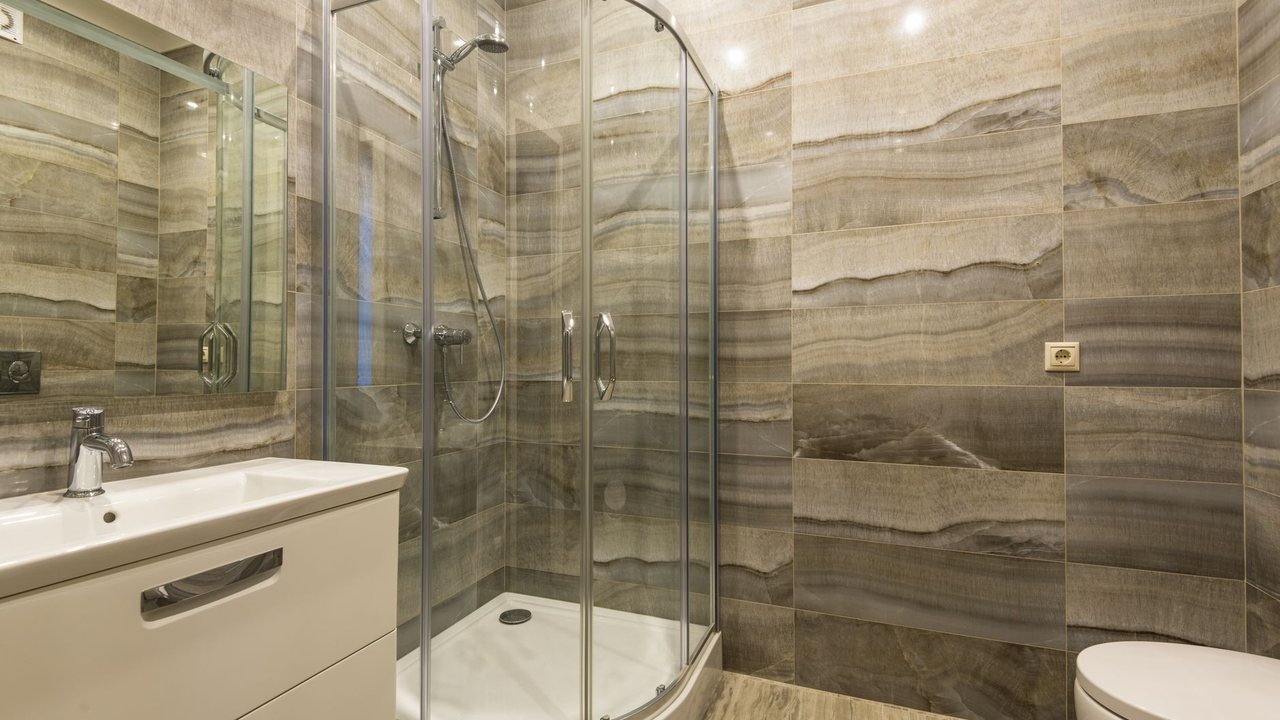
Shower screens in Alicante: measurements, access and cleaning
Choosing a shower screen involves more than tray width. Check the finished opening, usable access, obstacles and maintenance before placing an order.
Subscribe to our newsletter
And get a weekly digest of projects, bidding tips, and key platform updates straight to your inbox.
Drain smells on the Costa Blanca: assessing a home after time away
Drain smells after returning to your Costa Blanca home? Record symptoms and arrange appropriate checks before using chemicals or commissioning building work.
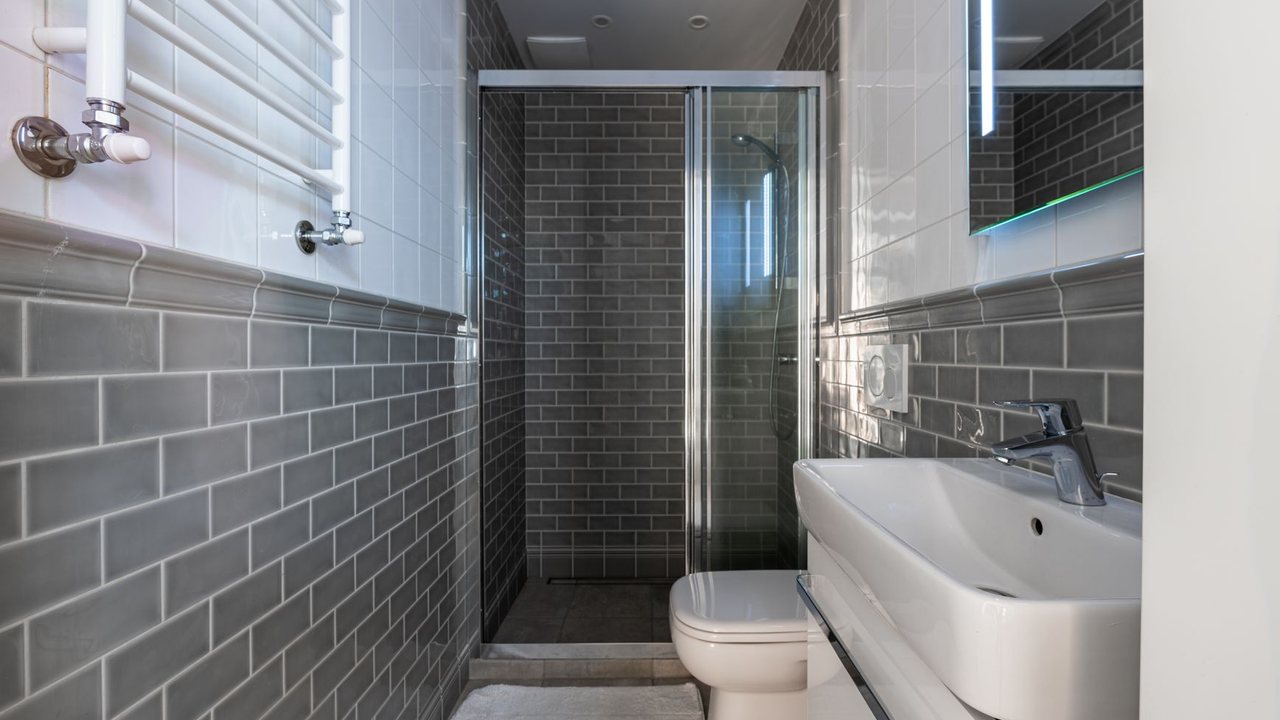
Renewing bathroom joints in Alicante: grout, sealant or a deeper assessment?
Distinguish a finish refresh from a problem needing investigation. Have joints, junctions and the substrate assessed before covering stains or cracks.
Low water pressure in Alicante: checks before replacing plumbing
Low water flow in your Alicante home? Record symptoms, check supply notices and prepare a plumbing visit before replacing pipes or buying new equipment.
Wall-hung bathroom vanities in Alicante: support, drainage and storage
Choose a wall-hung bathroom vanity in Alicante by checking wall support, drainage, drawers and clear space before ordering the basin and installation.
Shower screens in Alicante: measurements, access and cleaning
Choosing a shower screen involves more than tray width. Check the finished opening, usable access, obstacles and maintenance before placing an order.
Drain smells on the Costa Blanca: assessing a home after time away
Drain smells after returning to your Costa Blanca home? Record symptoms and arrange appropriate checks before using chemicals or commissioning building work.
Renewing bathroom joints in Alicante: grout, sealant or a deeper assessment?
Distinguish a finish refresh from a problem needing investigation. Have joints, junctions and the substrate assessed before covering stains or cracks.
Subscribe to our newsletter
And get a weekly digest of projects, bidding tips, and key platform updates straight to your inbox.
Low water pressure in Alicante: checks before replacing plumbing
Low water flow in your Alicante home? Record symptoms, check supply notices and prepare a plumbing visit before replacing pipes or buying new equipment.
Wall-hung bathroom vanities in Alicante: support, drainage and storage
Choose a wall-hung bathroom vanity in Alicante by checking wall support, drainage, drawers and clear space before ordering the basin and installation.
Shower screens in Alicante: measurements, access and cleaning
Choosing a shower screen involves more than tray width. Check the finished opening, usable access, obstacles and maintenance before placing an order.
Drain smells on the Costa Blanca: assessing a home after time away
Drain smells after returning to your Costa Blanca home? Record symptoms and arrange appropriate checks before using chemicals or commissioning building work.
Subscribe to our newsletter
And get a weekly digest of projects, bidding tips, and key platform updates straight to your inbox.
Renewing bathroom joints in Alicante: grout, sealant or a deeper assessment?
Distinguish a finish refresh from a problem needing investigation. Have joints, junctions and the substrate assessed before covering stains or cracks.
Low water pressure in Alicante: checks before replacing plumbing
Low water flow in your Alicante home? Record symptoms, check supply notices and prepare a plumbing visit before replacing pipes or buying new equipment.
Wall-hung bathroom vanities in Alicante: support, drainage and storage
Choose a wall-hung bathroom vanity in Alicante by checking wall support, drainage, drawers and clear space before ordering the basin and installation.