How to keep a home cool without AC: passive cooling in Spain
Overheating: a growing risk in Spanish homes
Heat waves are becoming more frequent and intense across Spain, making indoor comfort a renovation priority. As extreme temperatures linger, conventional air-conditioning systems run at full capacity, multiplying energy consumption and electricity bills. Passive cooling offers an alternative: through smart building design, intelligent shading and improved natural ventilation, you can significantly reduce indoor temperature without relying on ever-larger machines.
Climate-proofing buildings requires an integrated approach combining building design with envelope improvements. This means you don't need to do massive work all at once: many interventions can be bundled into planned renovations, such as roof work, facade upgrades or window replacement. The result is a more comfortable summer home, less dependent on mechanical systems and better prepared for increasingly hot climates.
Low-disruption measures: maximum impact, minimal disruption
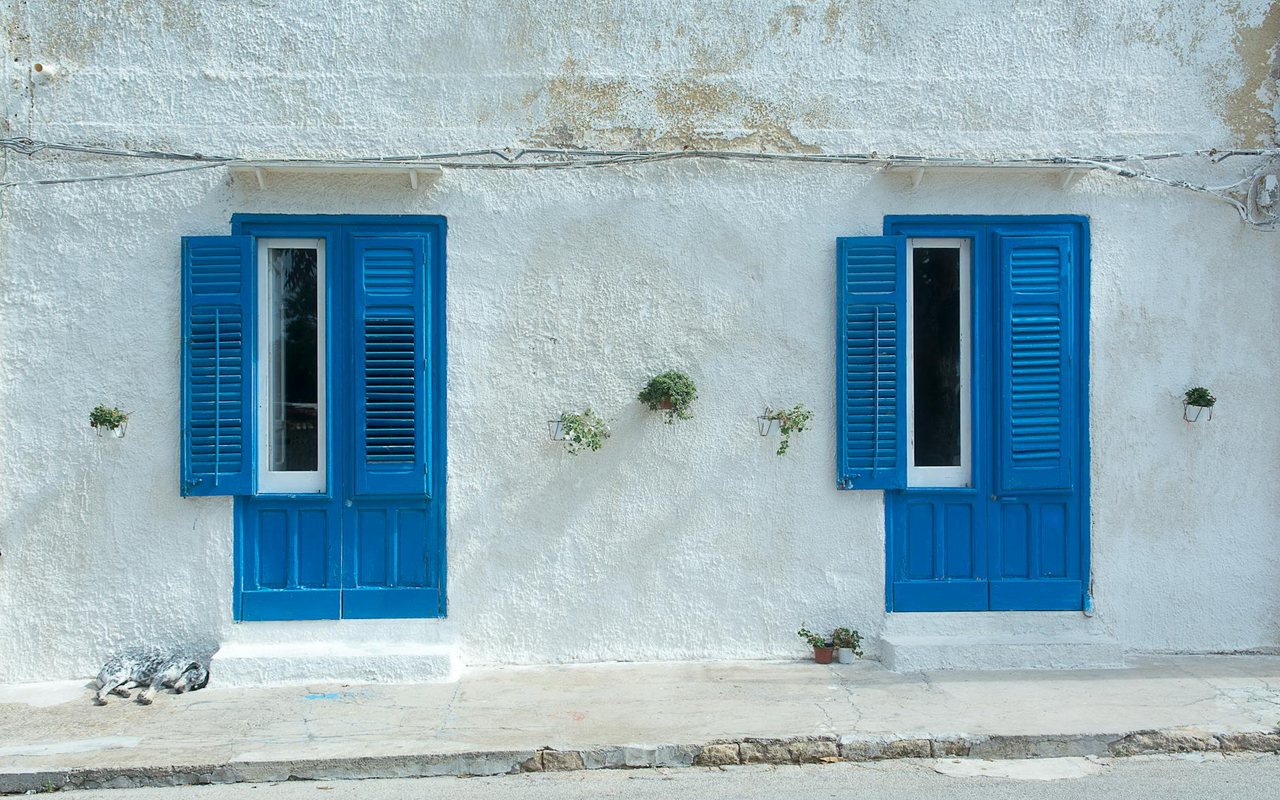
Not all passive cooling improvements require a full renovation. The simplest—and often most cost-effective—measures can be implemented by bundling them with planned work. If you're replacing windows, choose solar-control glazing that reduces radiation without losing daylight; incremental costs typically fall between €150–400/m² of window. When upgrading your facade, consider light or white exterior finishes; this reflects incoming heat and is especially effective in Mediterranean climates.
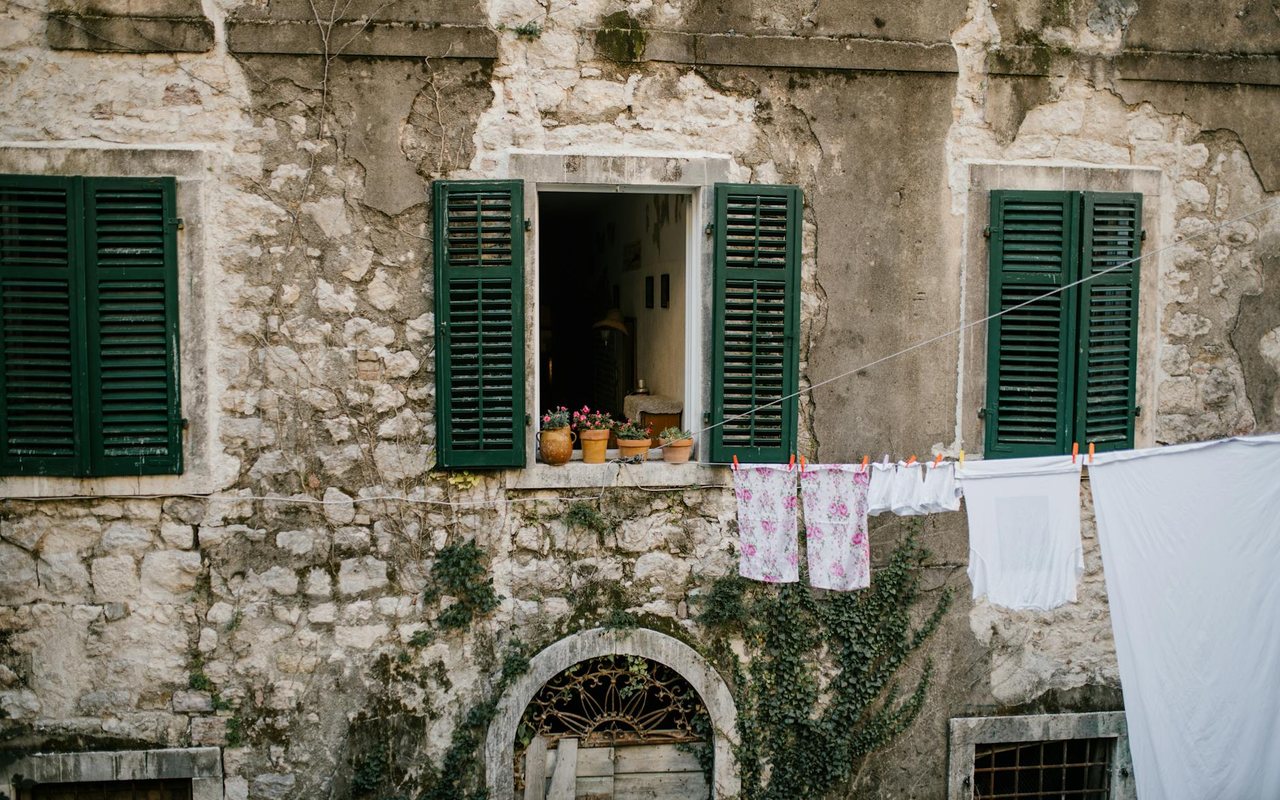
External shading is perhaps the most powerful and flexible tool. According to climate-adaptation guidance, systems such as awnings, exterior shutters, porches and overhangs create shadows that prevent heat from entering the home. Installation is quick (days, not weeks) and costs vary: motorized awnings from €800–2,000 per main window; aluminum external shutters from €500–1,500 depending on size. Even climbing plants or natural pergolas, while requiring maintenance, offer free passive shading in the long term.
Bigger interventions: roofs, insulation and envelope redesign
When it's time to renovate your roof, passive cooling presents a decisive opportunity. A roof or terrace receives the most intense solar load of the entire home. If you add thermal insulation (even 5–10 cm more than standard) during the retrofit, the impact on comfort in upper floors is dramatic. Combined with a reflective finish (white paint or light membrane), roof insulation reduces heat transmission by 40–60% compared to an unimproved roof. Additional insulation costs typically run €30–80/m², a moderate expense if you're already covering the base work cost.
In townhouses and detached homes, partial envelope redesign—such as terrace enclosures with solar-control glazing, creation of shaded galleries or relocation of living zones to north-facing facades—improves both comfort and efficiency. In upper-floor flats, priority is ensuring the roof/attic and south-west facing facades have external shading and good insulation. Each home type faces different challenges, but in all cases integrating measures into planned works reduces both cost and time.
Avoiding oversized HVAC systems and runaway energy use
A common mistake in renovations is installing ever-larger air conditioning whenever the house gets too hot in summer. This creates a vicious cycle: more power demanded, higher bills, less real comfort because equipment cycles constantly. Passive cooling breaks this cycle. By reducing thermal load through shading, improved insulation and efficient night ventilation, the air conditioning needed is smaller and runs more smoothly, saving energy and reducing noise.
Imagine a south-west facing home with no solar protection: in July, indoor temperature can reach 32–35 °C by 5 p.m., forcing a 5–7 kW air conditioner. If you apply passive measures—external awning, solar-control glazing, night cross-ventilation—the same home could stay at 26–28 °C with a 3–4 kW unit. Annual energy savings are substantial (30–50% in heating and cooling), and the initial investment in passive measures pays back in 5–8 years through lower bills.
Checklist: how to prioritize your passive cooling measures
Not all measures are urgent or suitable for every home. Use this checklist to identify which actions fit your budget and renovation timeline.
- 1Assess your home's orientation and sun exposure3–5 minutes of observation. No cost.
Identify which facades receive direct summer sun and which are naturally shaded. South and south-west facing walls are most critical. Note where it gets hottest in summer afternoons.
- 2Bundle improvements with planned workReduce work costs by bundling measures.
Do you need to replace windows, renovate the facade or repair the roof in the next 1–2 years? Use that work to integrate passive measures: solar glazing, reflective finishes, improved insulation.
- 3Prioritize external shading on critical facadesHigh priority. Maximum comfort impact.
Start with awnings, external shutters or porches on windows receiving direct sun during hot hours. Shading is quick to install and has high ROI. Budget €500–2,000 per main window depending on the system.
- 4Upgrade roof insulation if plannedOpportunity during roof work.
If you're renovating the roof, add insulation and reflective finish. Extra cost is €30–80/m² but the benefit is substantial, especially for top floors and attics.
- 5Enable cross-ventilation: night and day strategiesZero cost. Essential habit.
Open opposite windows at night to ventilate with cool air. During day, close sun-facing windows and open only shaded ones. Arrange furniture to allow airflow. No cost, maximum AC savings.
- 6Consider light or white finishes in facade upgradesOpportunity during facade work.
If you're upgrading external walls, choose light or white colors. They reflect solar radiation and reduce sensible heat. Cost similar to dark colors but different thermal impact.
- 7Replace or upgrade windows with solar-control glazingMedium-term measure.
Solar-control glazing reduces heat gain without losing daylight. Incremental cost €150–400/m². Especially useful on south-east and south-west facades.
Frequently asked questions: costs and effectiveness
How much does passive cooling cost for an average home?
How much can I save on air conditioning with passive cooling?
Is it better to do all measures at once or phase them over time?
Do passive measures work equally well in flats as in houses?
Do I need municipal permission to install awnings or external shutters?
Which measures work best in Mediterranean vs. continental climate?
Related guides and reading
To turn this article into a renovation plan, start with Installing or Replacing PVC Windows or Doors: Price and Quotes and compare it with Minor Works: Price and Quotes and What Is the Price of an Energy Certificate and How to Request It. These internal guides help separate budget, permits, technical checks and optional upgrades before you speak with contractors.
For wider context, continue with Replacing windows in Alicante: noise, heat and 2026 incentives. Reading related articles together makes the Reformia journal work as a planning path rather than isolated posts.


You may also like
Show All Articles
State Housing Plan 2026-2030: renovation grants up to 20,500 euros
The new state plan prioritises renovation, accessibility and efficiency. Preparing the file will matter as much as asking for quotes.
Subscribe to our newsletter
And get a weekly digest of projects, bidding tips, and key platform updates straight to your inbox.
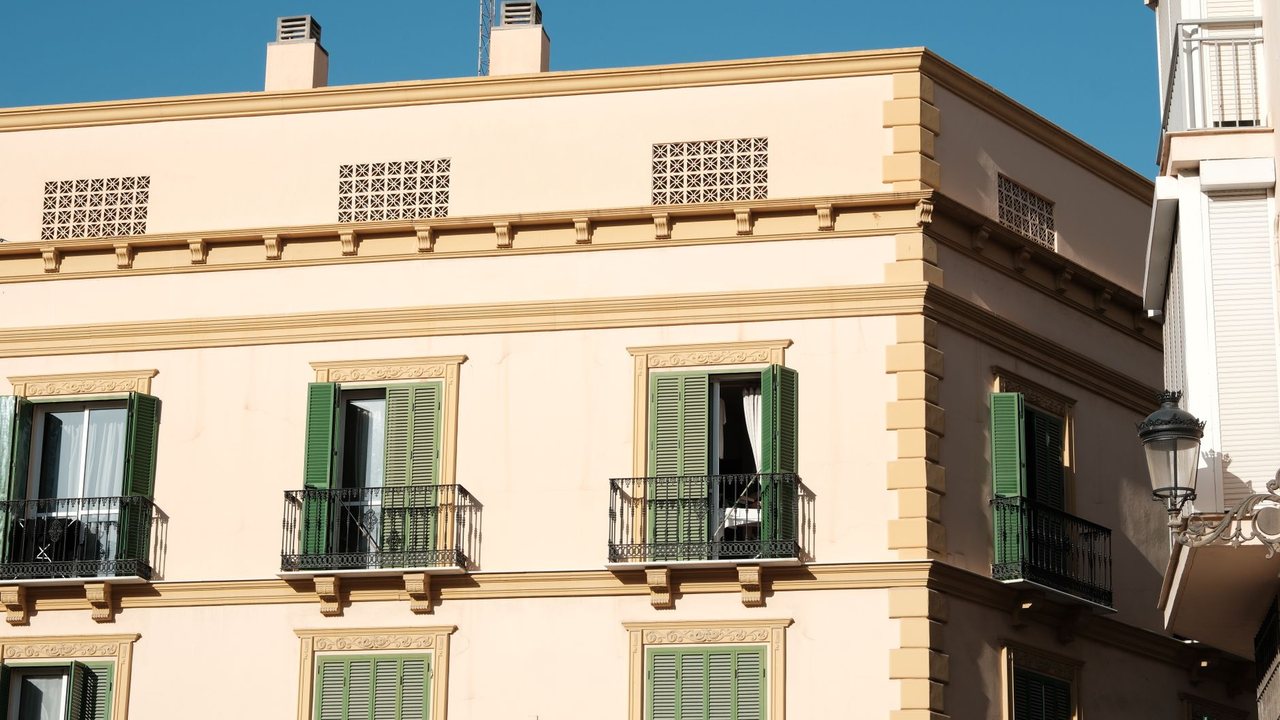
Cocentaina 2026 grants: facades and enclosures as the first renovation
The local facade grant shows a useful trend: starting with the exterior can organise damp, value and community decisions.
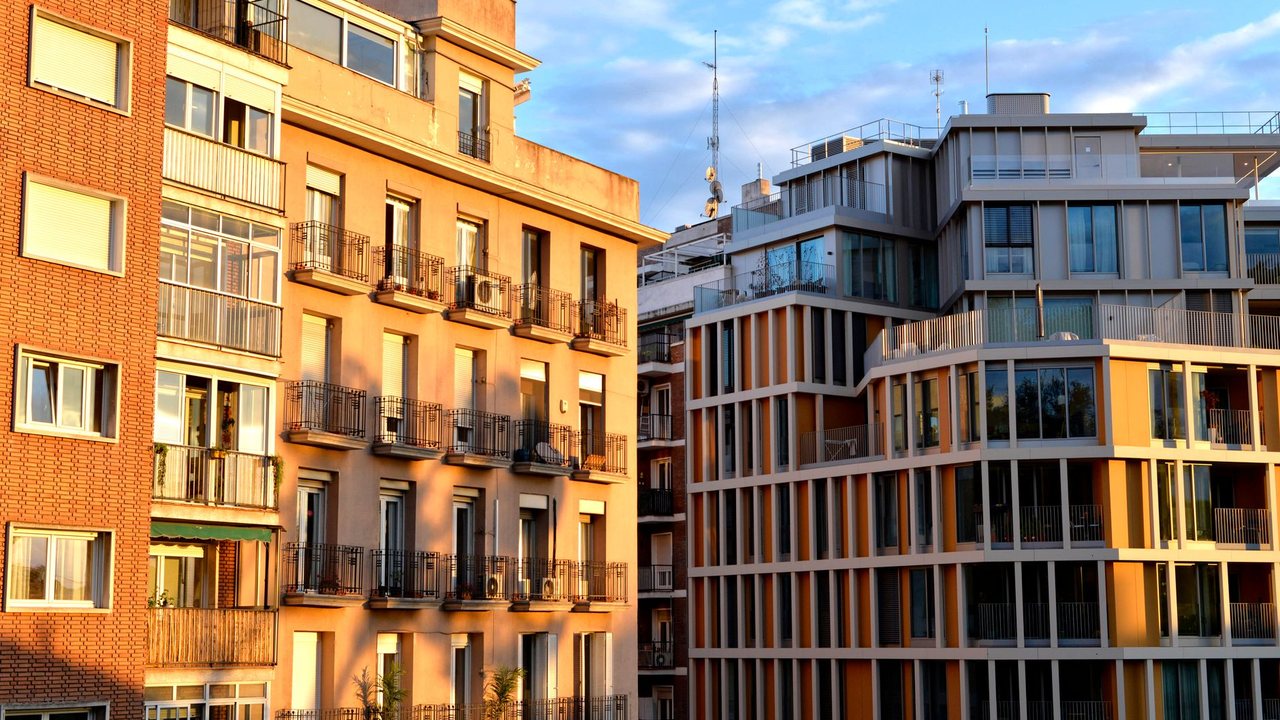
Alicante Plan Vive: 2,961 homes and renovating for affordable rental
New protected housing in Alicante changes the comparison for private owners: efficiency, maintenance and clear rental positioning matter more.
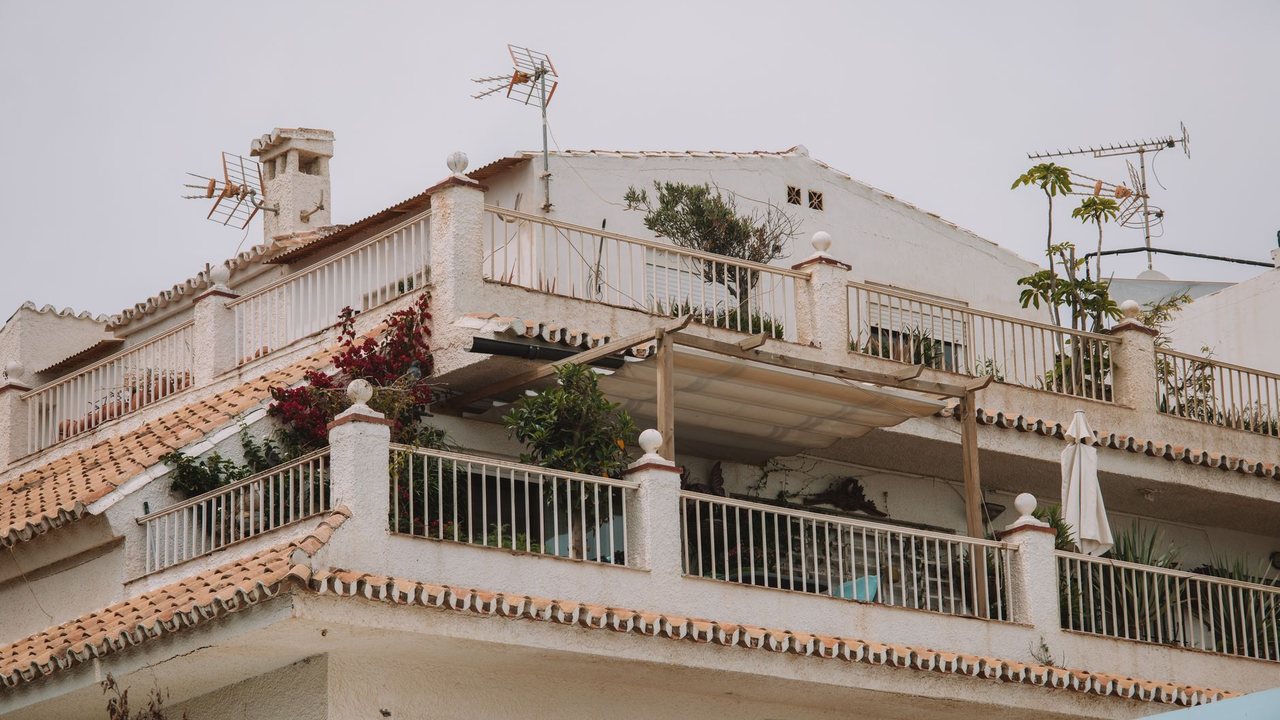
Calp near 4,900 euros/m2: premium renovation without losing return
Coastal prices raise expectations: a premium renovation must justify quietness, efficiency, views, outdoor areas and maintenance.
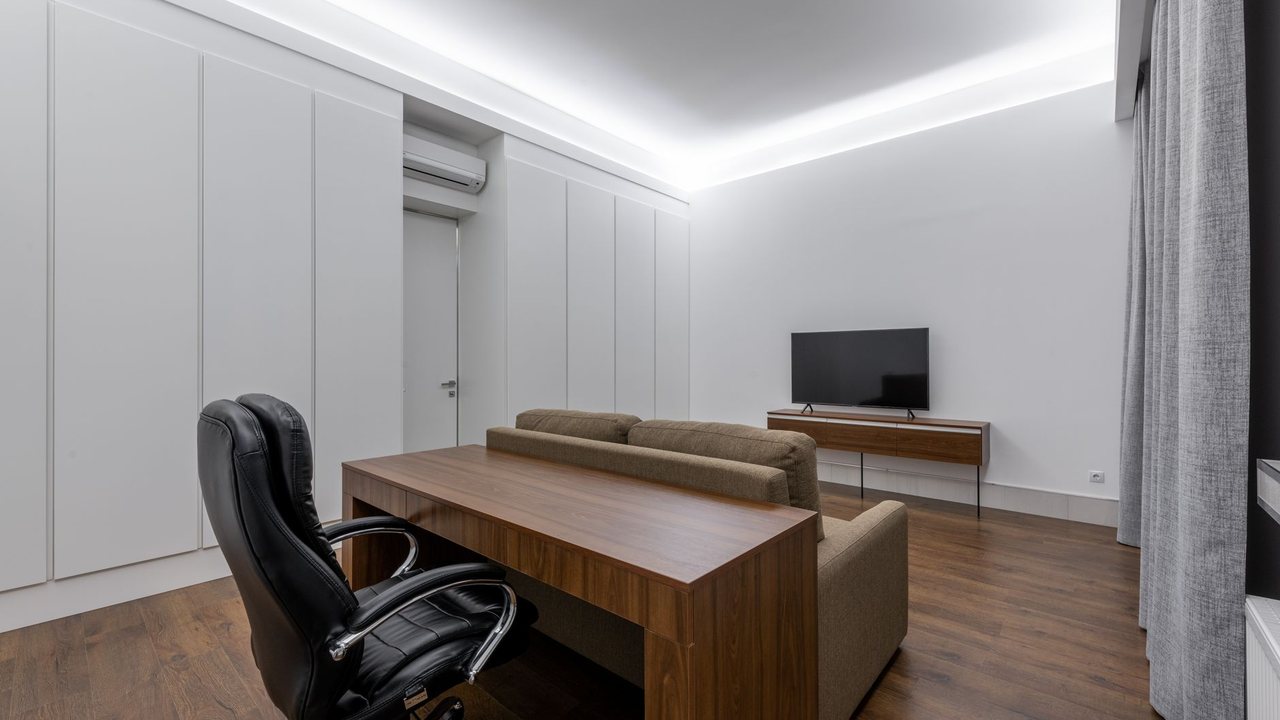
Seasonal and room rentals: renovating for medium stay in 2026
The new housing package points to regulating seasonal and room rentals. Renovation should avoid shortcuts and prepare real use.
State Housing Plan 2026-2030: renovation grants up to 20,500 euros
The new state plan prioritises renovation, accessibility and efficiency. Preparing the file will matter as much as asking for quotes.
Cocentaina 2026 grants: facades and enclosures as the first renovation
The local facade grant shows a useful trend: starting with the exterior can organise damp, value and community decisions.
Alicante Plan Vive: 2,961 homes and renovating for affordable rental
New protected housing in Alicante changes the comparison for private owners: efficiency, maintenance and clear rental positioning matter more.
Subscribe to our newsletter
And get a weekly digest of projects, bidding tips, and key platform updates straight to your inbox.
Calp near 4,900 euros/m2: premium renovation without losing return
Coastal prices raise expectations: a premium renovation must justify quietness, efficiency, views, outdoor areas and maintenance.
Seasonal and room rentals: renovating for medium stay in 2026
The new housing package points to regulating seasonal and room rentals. Renovation should avoid shortcuts and prepare real use.
State Housing Plan 2026-2030: renovation grants up to 20,500 euros
The new state plan prioritises renovation, accessibility and efficiency. Preparing the file will matter as much as asking for quotes.
Cocentaina 2026 grants: facades and enclosures as the first renovation
The local facade grant shows a useful trend: starting with the exterior can organise damp, value and community decisions.
Subscribe to our newsletter
And get a weekly digest of projects, bidding tips, and key platform updates straight to your inbox.
Alicante Plan Vive: 2,961 homes and renovating for affordable rental
New protected housing in Alicante changes the comparison for private owners: efficiency, maintenance and clear rental positioning matter more.
Calp near 4,900 euros/m2: premium renovation without losing return
Coastal prices raise expectations: a premium renovation must justify quietness, efficiency, views, outdoor areas and maintenance.
Seasonal and room rentals: renovating for medium stay in 2026
The new housing package points to regulating seasonal and room rentals. Renovation should avoid shortcuts and prepare real use.