Painting Your Home: Costs, Types of Paint, and Pro Tips
How Much Does It Cost to Paint a Home in Spain?
Painting is the most accessible and affordable way to transform your home, and it offers one of the highest returns on investment of any renovation activity. In Spain, the cost of professional painting ranges from 5 to 12 euros per square metre of wall surface for interior work, depending on the condition of the walls, the type of paint used, and the region. For a standard 80 square metre flat, expect to pay between 1,200 and 2,500 euros for professional interior painting.
The cost varies significantly by city. In Madrid and Barcelona, professional painters charge 8 to 12 euros per square metre. In smaller cities like Zaragoza, Valladolid, or Malaga, prices drop to 5 to 8 euros per square metre. Rural areas in Castilla-La Mancha, Extremadura, and inland Andalucia can be even more affordable, at 4 to 6 euros per square metre.
DIY painting costs a fraction of professional work, typically 1.50 to 3.50 euros per square metre for materials only. However, the time investment is significant: painting an 80 square metre flat properly, including preparation, priming, two coats, and cleanup, takes 3 to 5 full days for an experienced DIYer. For most homeowners, a hybrid approach works well, doing simple rooms yourself and hiring professionals for high ceilings, stairwells, and detail work.
Types of Paint for Spanish Homes
Plastic paint (pintura plastica) is the standard choice for interior walls and ceilings in Spain. It is water-based, low-odour, fast-drying, and available in thousands of colours. Quality Spanish brands include Titan, Valentine, Bruguer, and Montó. A 15-litre tin of good-quality plastic paint costs between 40 and 80 euros and covers approximately 100 to 120 square metres in two coats. For a washable finish that withstands scrubbing, look for satin or semi-gloss (satinado) finishes rather than flat (mate).
Acrylic paint (pintura acrilica) offers superior durability and moisture resistance compared to standard plastic paint. It is the recommended choice for kitchens, bathrooms, and high-traffic areas. Premium acrylic paints from brands like Tollens, Sikkens, or Jotun cost 60 to 120 euros per 15 litres but provide better coverage, longer life, and greater resistance to yellowing and humidity.
Anti-humidity paint (pintura antihumedad) is specifically designed for Spanish homes that suffer from condensation or rising damp. These paints contain fungicides and moisture-regulating additives that help prevent mould growth. They cost 80 to 150 euros per 15 litres and are essential for north-facing rooms, ground-floor flats, and coastal properties where humidity levels regularly exceed 70 per cent.
For exterior work, siloxane or silicone-based paints are the best choice for Spain's climate, offering excellent UV resistance, breathability, and water repellency. Expect to pay 60 to 100 euros per 15 litres for quality exterior paint. The extreme UV exposure in southern Spain means exterior paintwork needs refreshing every 5 to 8 years, compared to 10 to 15 years in northern Europe.
Professional Tips for a Perfect Finish
Preparation is 80 per cent of a good paint job. Fill any cracks or holes with masilla (filler), sand the surface smooth with 120-grit sandpaper, and apply a coat of primer (imprimacion) on any repaired areas or surfaces that have never been painted. Spending an extra day on preparation saves frustration with uneven coverage and visible imperfections.
Always apply two full coats, even if the paint manufacturer claims one-coat coverage. Single-coat application rarely provides uniform colour depth, especially when covering dark colours with lighter ones. Allow each coat to dry for at least 4 to 6 hours (or overnight for best results) before applying the next. In Spanish summers, paint dries faster, but this can actually cause problems with lap marks if you work too slowly.
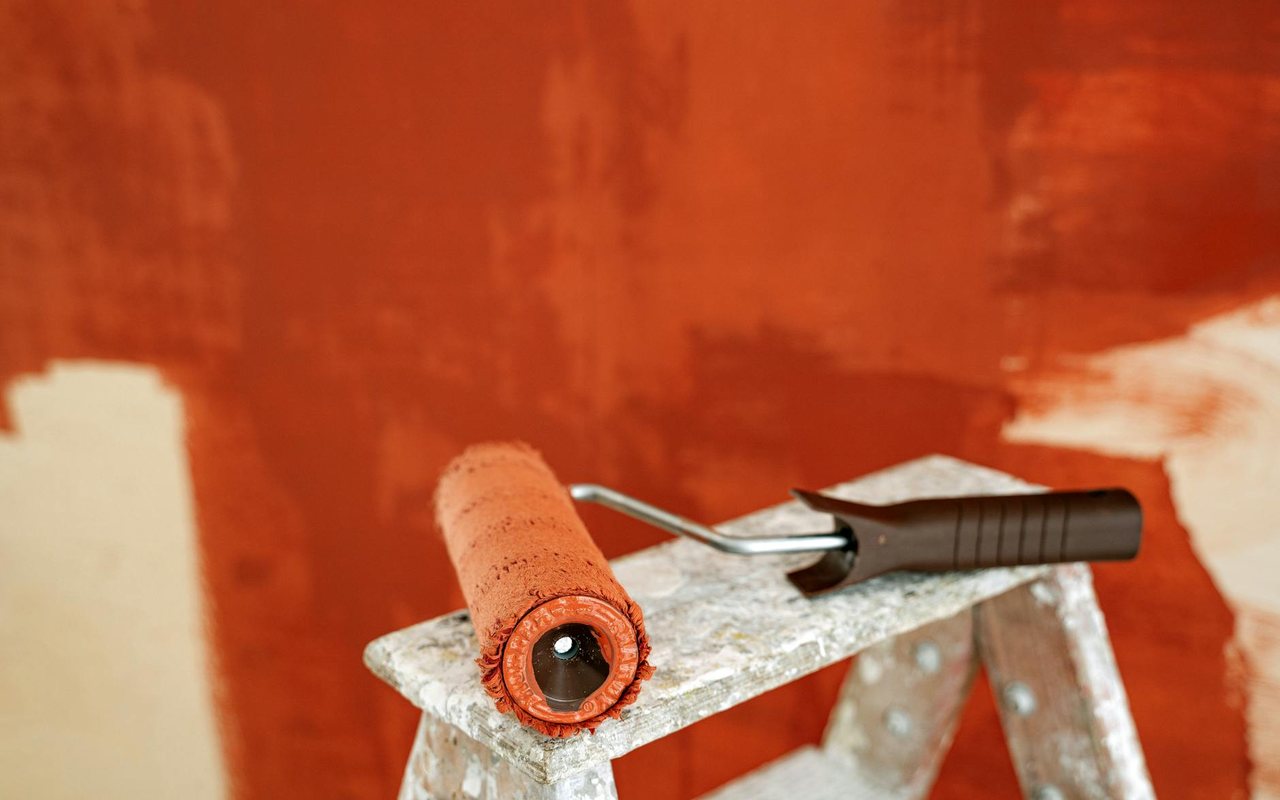
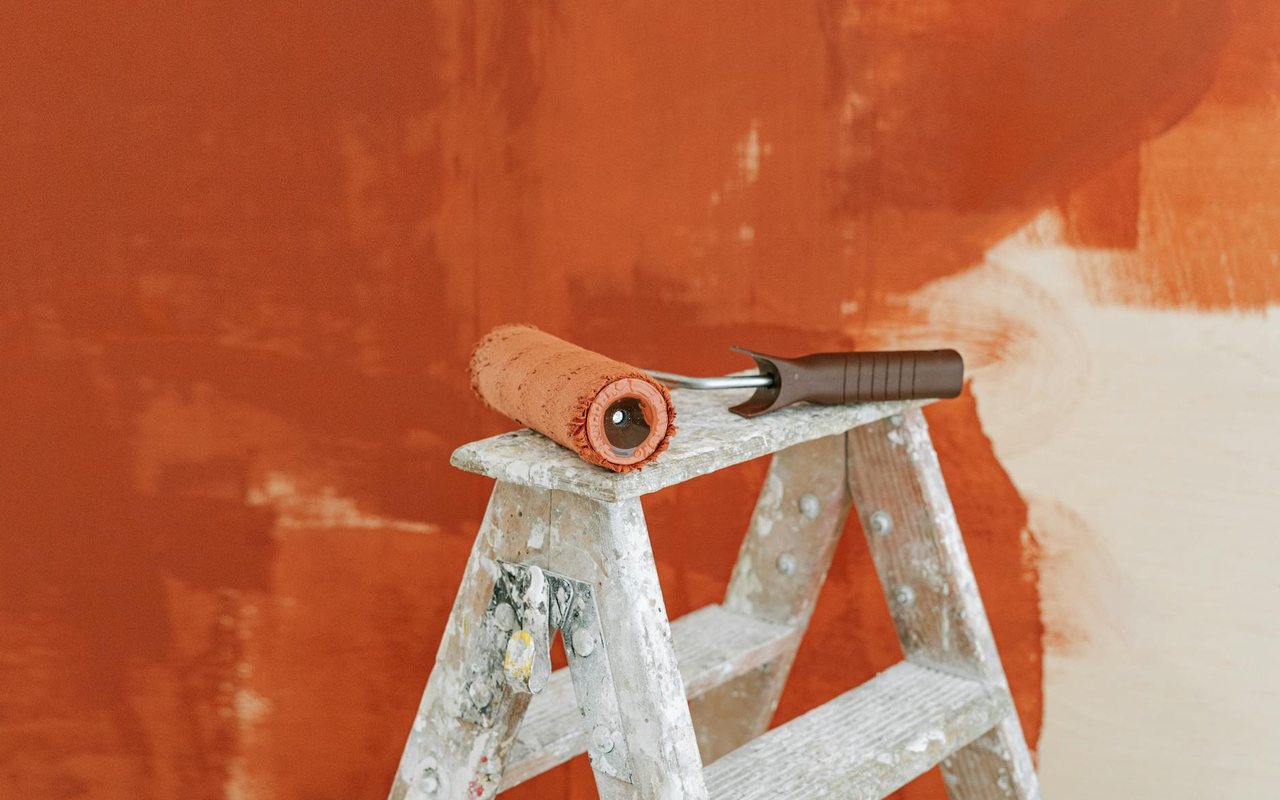
Use quality tools. A good roller (rodillo) costs 8 to 15 euros and makes a dramatic difference compared to cheap alternatives. For walls, use a medium-nap roller (12mm) for smooth surfaces and a long-nap roller (18mm) for textured gotelé surfaces. Invest in a 50mm angled brush (brocha) for cutting in around edges, and use painter's tape (cinta de pintor) to protect trim, sockets, and window frames.
For the ubiquitous gotelé texture found in many Spanish homes, you have two options. You can paint directly over gotelé using a long-nap roller, which is faster but preserves the dated texture. Or you can remove the gotelé first by soaking it with water or a steam wallpaper stripper and scraping it off, then plastering smooth. Gotelé removal adds 3 to 6 euros per square metre but modernises the space dramatically.
Professional Painter vs DIY: When to Hire
Hire a professional painter when you have high ceilings (above 3 metres), a large surface area (over 200 square metres of wall), complex trim work, or when the existing surface requires significant preparation such as gotelé removal or damp treatment. Professional painters bring scaffolding, spray equipment for large areas, and the experience to handle difficult surfaces efficiently.
DIY is perfectly viable for single rooms, straightforward wall surfaces, and when you have the time and patience for proper preparation. The savings are significant: painting a bedroom yourself costs 100 to 200 euros in materials versus 400 to 800 euros for professional work. Start with a small room to build confidence before tackling larger spaces.
A hybrid approach often works best. Paint the simple bedrooms and living room walls yourself, and hire a professional for the tricky parts: ceilings, stairwells, exterior surfaces, and any surfaces requiring specialist treatment. This can reduce your total painting bill by 30 to 50 per cent while still achieving a professional result where it matters most.
DIY Painting Step-by-Step Guide
Follow these steps for a professional-quality paint job on your own.
- 1Prepare the room30-60 minutes per room
Move furniture to the centre and cover with dust sheets. Remove switch plates, outlet covers, and curtain hardware. Lay plastic sheeting on the floor along the base of walls. Apply painter's tape to all edges you want to protect.
- 2Repair and prime2-4 hours per room
Fill cracks and holes with masilla, let dry, and sand smooth. Apply primer to repaired areas, new plaster, or any stains that might bleed through paint. Let primer dry completely before painting.
- 3Cut in edges with a brush45-90 minutes per room
Using a 50mm angled brush, paint a 5 to 8 centimetre border along ceiling lines, corners, around sockets, and along skirting boards. Work in 1-metre sections for a consistent wet edge.
- 4Roll the first coat1-2 hours per room
Load the roller evenly using a paint tray, rolling off excess. Apply in a W pattern, then smooth out with parallel vertical strokes. Work in 1-metre-wide sections, maintaining a wet edge to avoid roller marks.
- 5Apply the second coat and clean up2-3 hours per room
After the first coat has dried (4 to 6 hours minimum), repeat the cutting in and rolling process. Remove painter's tape while the final coat is still slightly tacky for the cleanest lines. Clean brushes and rollers with water immediately.
Home Painting FAQ
How much paint do I need for a room?
How often should I repaint interior walls in Spain?
What is the best time of year to paint in Spain?
Should I remove gotelé before painting?
Related guides and reading
To turn this article into a renovation plan, start with How Much Does It Cost to Paint a House? and compare it with How Much Does It Cost to Paint a House? and Other Painting Work. These internal guides help separate budget, permits, technical checks and optional upgrades before you speak with contractors.
For wider context, continue with Alicante Parque Central: impact on renovations and nearby districts. Reading related articles together makes the Reformia journal work as a planning path rather than isolated posts.
You may also like
Show All Articles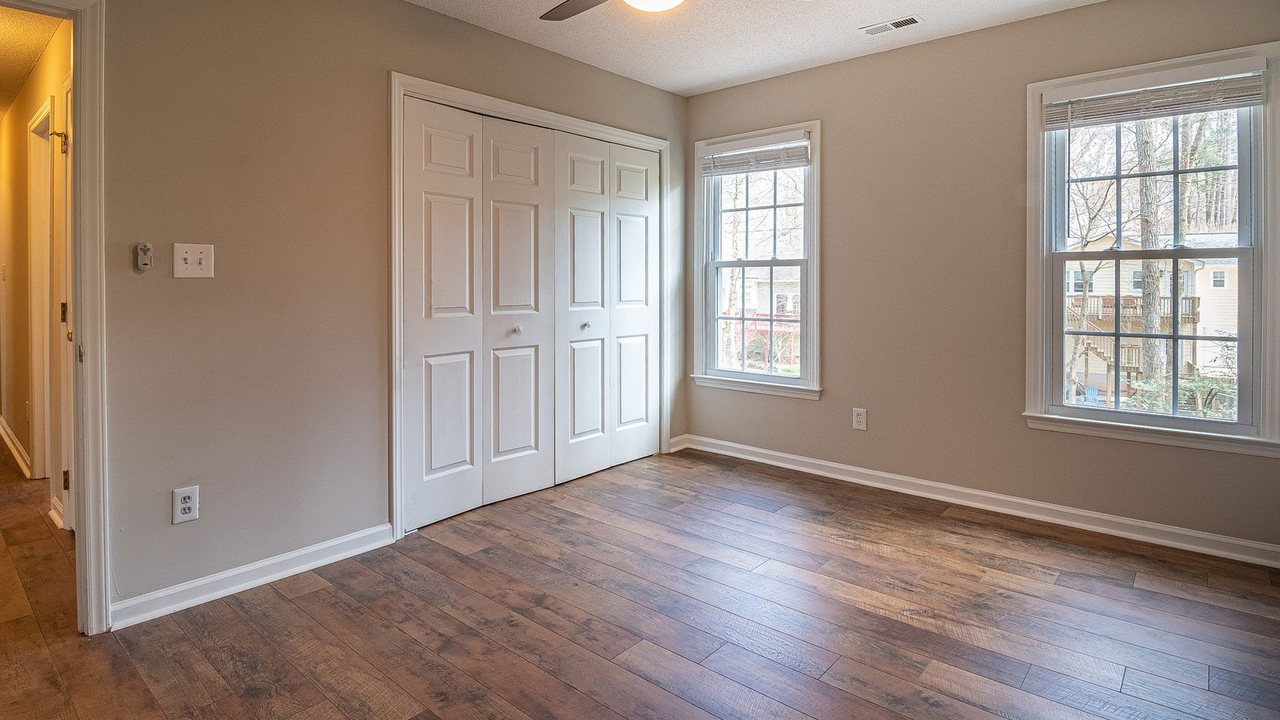
Restoring parquet in Alicante: repair, refinish or replace?
Not every wood-look floor accepts the same treatment. Identify the material and cause of damage before commissioning sanding or replacement.
Subscribe to our newsletter
And get a weekly digest of projects, bidding tips, and key platform updates straight to your inbox.
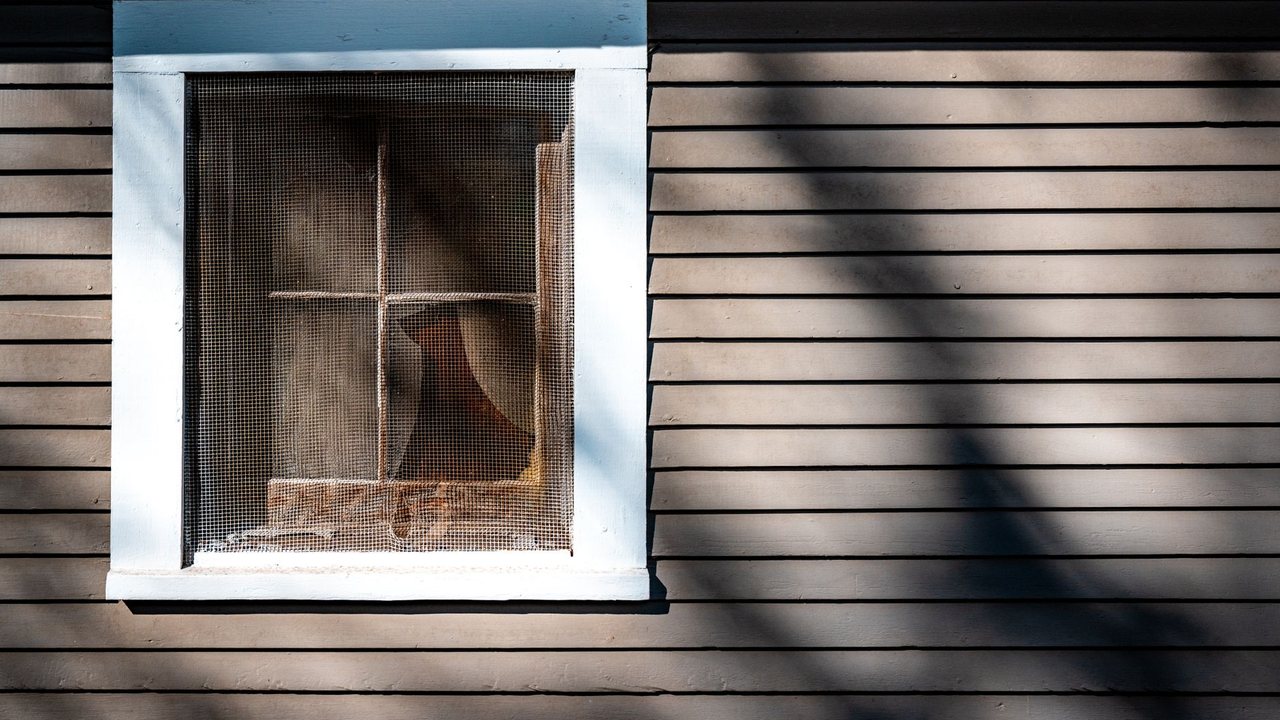
Insect screens on the Costa Blanca: choosing for airflow and easy access
Fixed, sliding or pleated screens: compare opening, cleaning and access, not just the cost of a made-to-measure mesh panel.
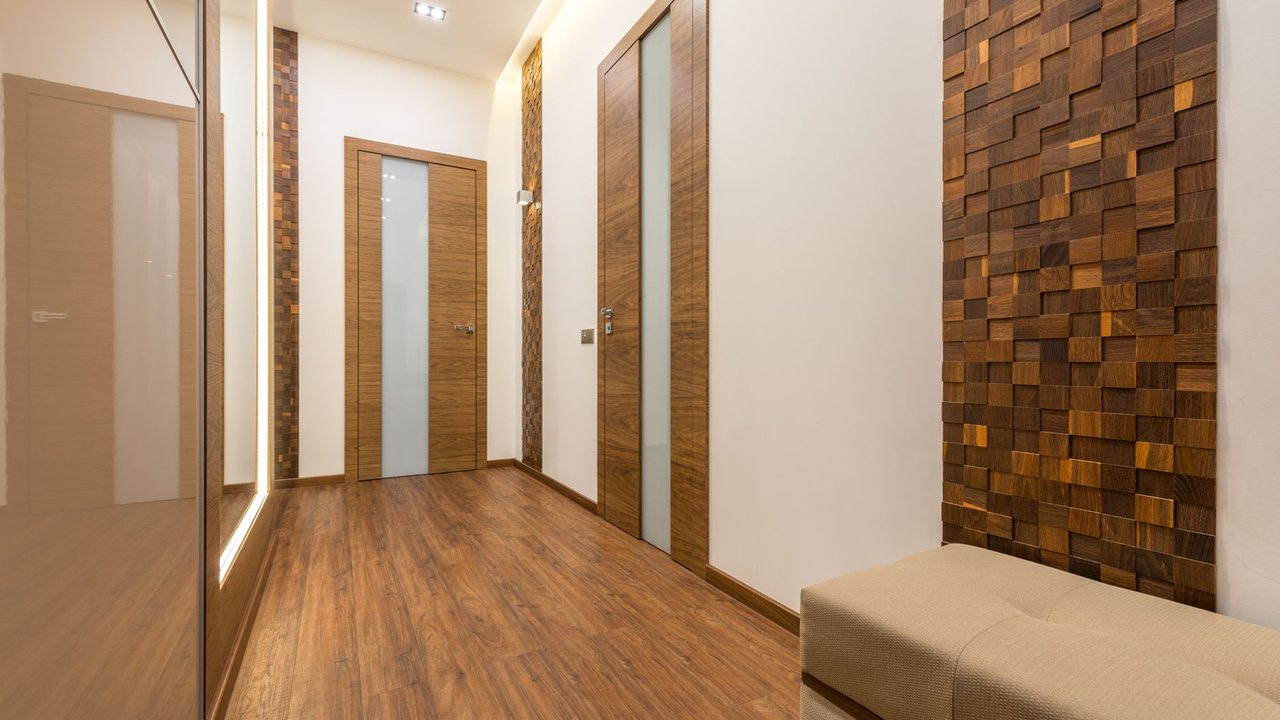
Replacing interior doors in Alicante: measurements, flooring and opening direction
Avoid ordering doors before the finished floor is defined. Compare the leaf, frame, hardware, clear opening and finishing work for a coordinated replacement.
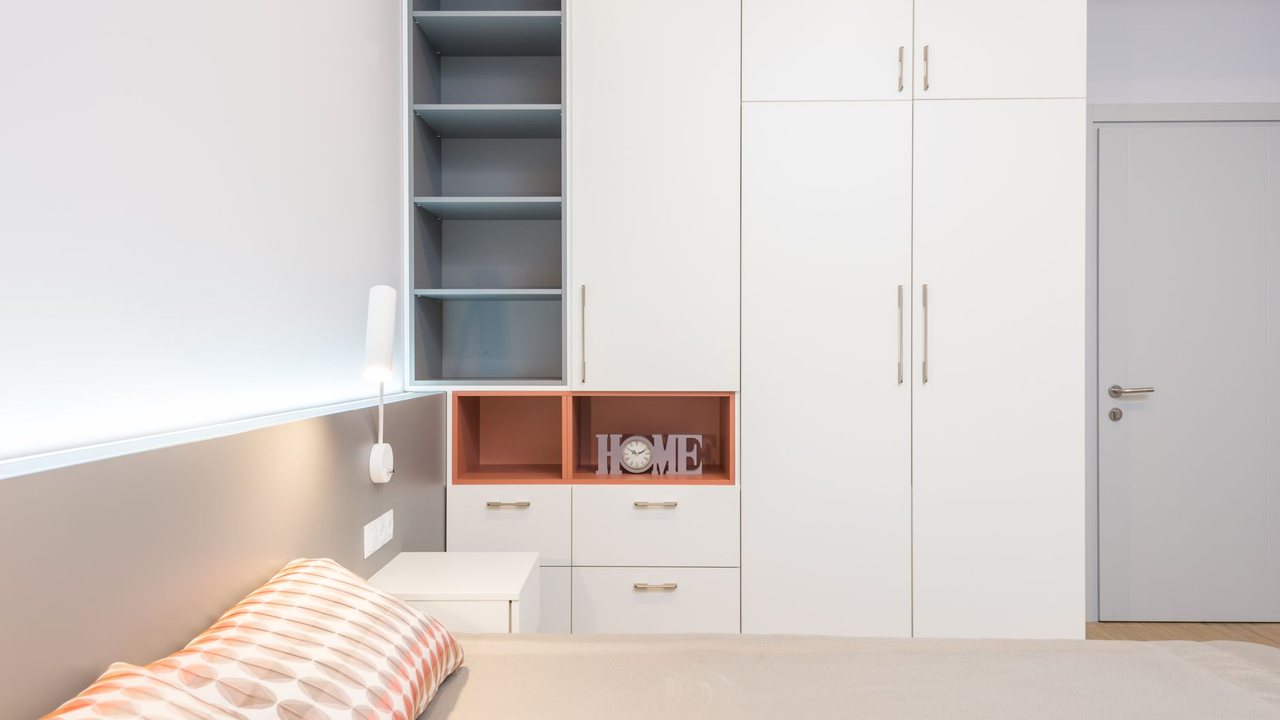
Fitted wardrobes in Alicante: measurements and layout before ordering
A useful wardrobe starts with what you need to store. Check dimensions, doors, drawers, floor junctions and assembly before comparing quotes.
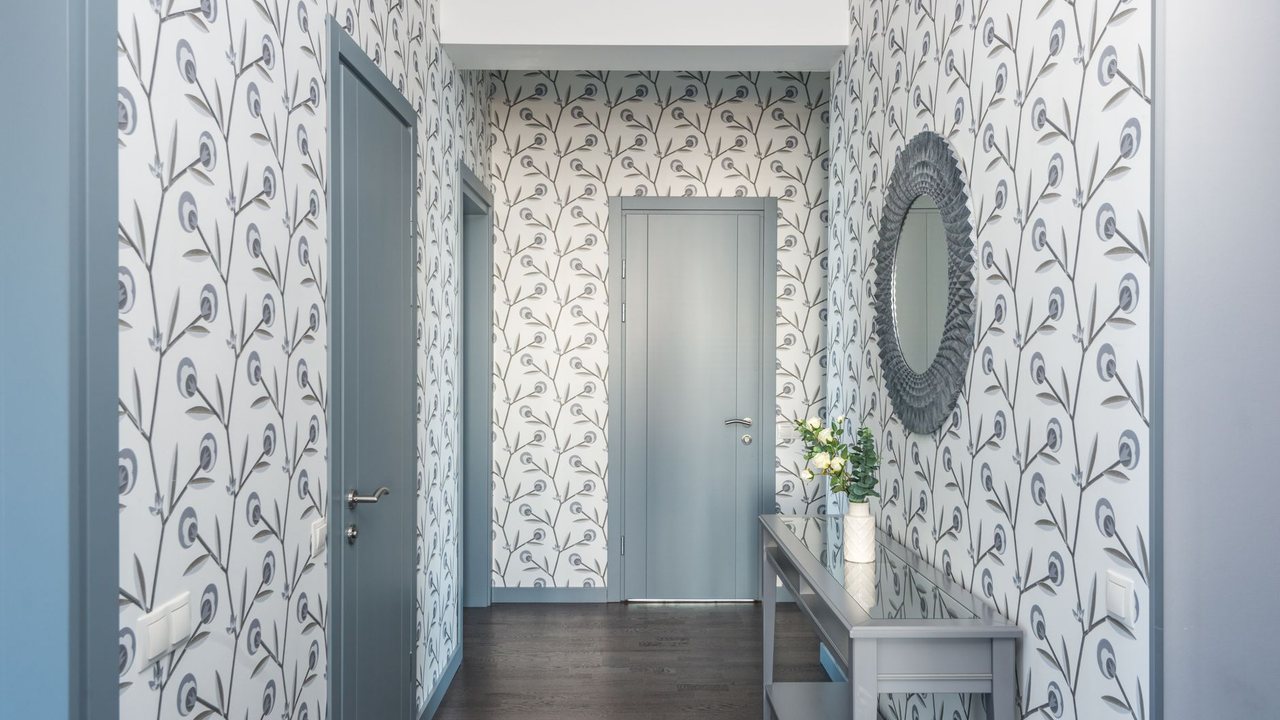
Removing wallpaper in Alicante: preparing for the next wall finish
Removing wallpaper does not automatically leave a paint-ready wall. Check layers, adhesive, substrate and repairs before choosing the next finish.
Restoring parquet in Alicante: repair, refinish or replace?
Not every wood-look floor accepts the same treatment. Identify the material and cause of damage before commissioning sanding or replacement.
Insect screens on the Costa Blanca: choosing for airflow and easy access
Fixed, sliding or pleated screens: compare opening, cleaning and access, not just the cost of a made-to-measure mesh panel.
Replacing interior doors in Alicante: measurements, flooring and opening direction
Avoid ordering doors before the finished floor is defined. Compare the leaf, frame, hardware, clear opening and finishing work for a coordinated replacement.
Subscribe to our newsletter
And get a weekly digest of projects, bidding tips, and key platform updates straight to your inbox.
Fitted wardrobes in Alicante: measurements and layout before ordering
A useful wardrobe starts with what you need to store. Check dimensions, doors, drawers, floor junctions and assembly before comparing quotes.
Removing wallpaper in Alicante: preparing for the next wall finish
Removing wallpaper does not automatically leave a paint-ready wall. Check layers, adhesive, substrate and repairs before choosing the next finish.
Restoring parquet in Alicante: repair, refinish or replace?
Not every wood-look floor accepts the same treatment. Identify the material and cause of damage before commissioning sanding or replacement.
Insect screens on the Costa Blanca: choosing for airflow and easy access
Fixed, sliding or pleated screens: compare opening, cleaning and access, not just the cost of a made-to-measure mesh panel.
Subscribe to our newsletter
And get a weekly digest of projects, bidding tips, and key platform updates straight to your inbox.
Replacing interior doors in Alicante: measurements, flooring and opening direction
Avoid ordering doors before the finished floor is defined. Compare the leaf, frame, hardware, clear opening and finishing work for a coordinated replacement.
Fitted wardrobes in Alicante: measurements and layout before ordering
A useful wardrobe starts with what you need to store. Check dimensions, doors, drawers, floor junctions and assembly before comparing quotes.
Removing wallpaper in Alicante: preparing for the next wall finish
Removing wallpaper does not automatically leave a paint-ready wall. Check layers, adhesive, substrate and repairs before choosing the next finish.