Open-Concept Kitchen: Trends, Costs, and What to Know
The Rise of Open-Concept Kitchens in Spain
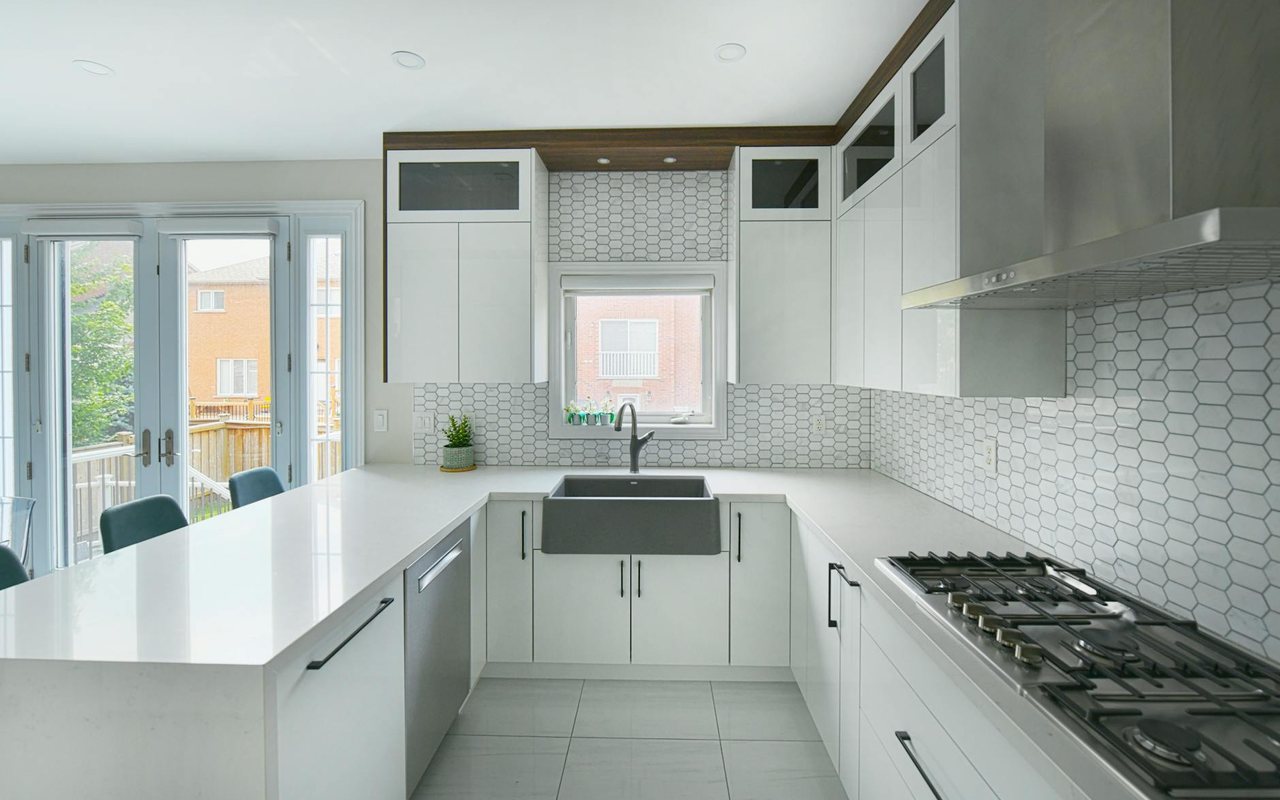
Open-concept kitchens have transformed from a luxury feature into the most requested renovation in Spanish homes. According to industry surveys, over 60 per cent of Spanish kitchen renovations in 2025 and 2026 involve some form of wall removal to create an open or semi-open layout connecting the kitchen to the living and dining areas. This trend reflects changing lifestyles: Spanish families want kitchens that are social spaces, not isolated work rooms.
The concept aligns naturally with the Spanish way of life, where cooking and eating are deeply social activities. An open kitchen allows the cook to participate in conversation and keep an eye on children while preparing meals. It also creates a sense of spaciousness in smaller flats, which is particularly valuable in urban centres like Madrid, Barcelona, and Valencia where average flat sizes hover around 80 to 90 square metres.
However, creating an open-concept kitchen in Spain involves more than simply knocking down a wall. Structural considerations, extraction ventilation requirements, community approval in apartment buildings, and careful design planning are all essential. This guide covers everything you need to make an informed decision and achieve a successful result.
Costs of Creating an Open-Concept Kitchen
The cost of opening up a kitchen varies enormously depending on whether the wall is load-bearing, the extent of the opening, and the finishes chosen. For a non-load-bearing partition wall, removal costs between 500 and 1,200 euros, including demolition, debris removal, floor repair where the wall stood, and plastering of the adjacent walls and ceiling.
If the wall is load-bearing (muro de carga), you will need a structural engineer's report and a steel or reinforced concrete beam (viga) to transfer the loads. This adds significant cost: a structural assessment runs 300 to 800 euros, the beam itself costs 1,500 to 4,000 euros depending on the span and load requirements, and the installation labour adds another 1,000 to 2,500 euros. A licencia de obra mayor is required, adding 500 to 2,000 euros in permit and architect fees.
Beyond the wall removal, expect to budget for flooring continuity (matching or replacing flooring across the new open space at 30 to 60 euros per square metre), electrical relocations (300 to 800 euros), lighting updates (500 to 2,000 euros for integrated LED systems), and potentially new kitchen cabinetry to suit the open layout (5,000 to 15,000 euros). All in, a complete open-concept kitchen renovation typically costs between 8,000 and 25,000 euros.
A popular cost-saving alternative is a partial opening, where a section of wall is removed to create a pass-through or breakfast bar while leaving the upper portion intact. This reduces structural concerns, maintains some visual separation for cooking mess, and costs 40 to 60 per cent less than a full wall removal.
Design Trends for Open Kitchens in 2026
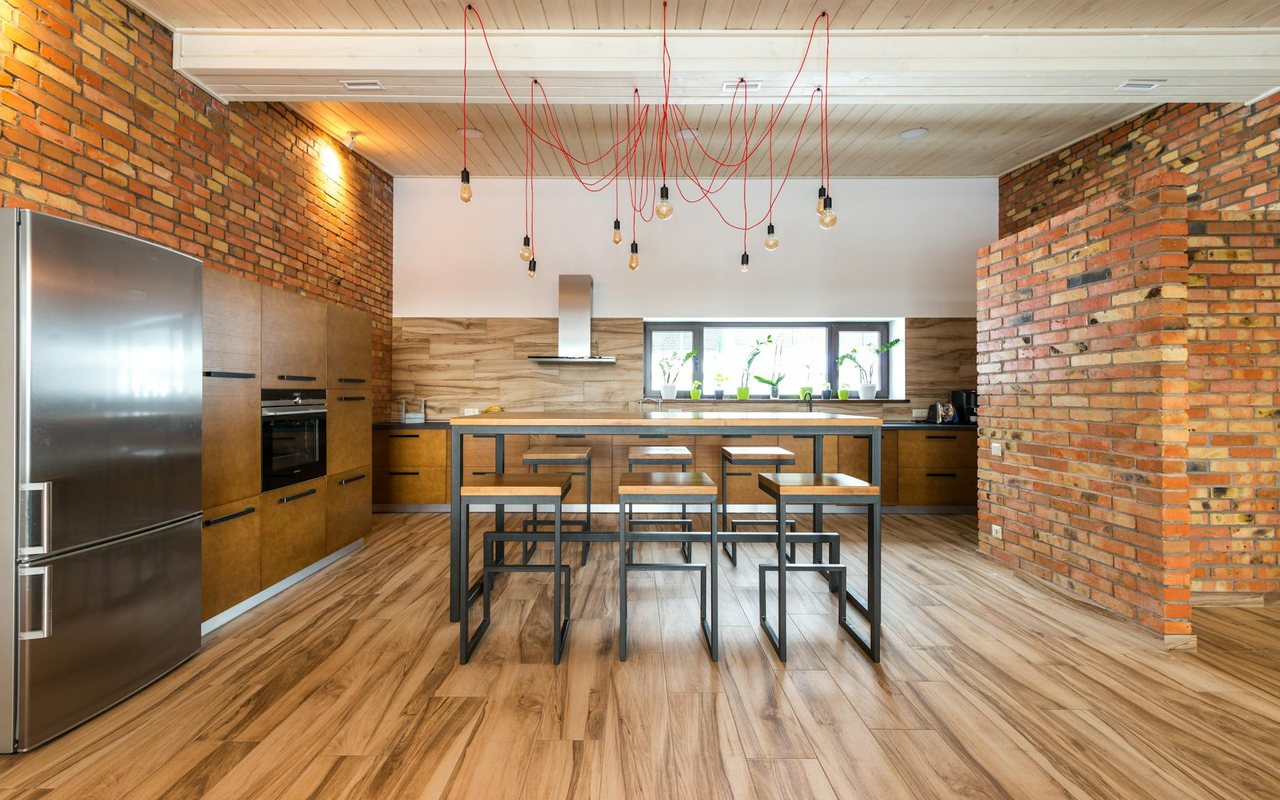
The kitchen island continues to be the centrepiece of open-concept designs in Spain. Islands serve triple duty as preparation surface, dining area, and room divider. In 2026, the trend is toward longer, slimmer islands (200 to 280 centimetres long and 80 to 100 centimetres deep) with waterfall countertop edges in materials like Dekton or Silestone. Budget 3,000 to 8,000 euros for a quality island with integrated storage.
Integrated extractors are essential in open kitchens where cooking odours can permeate the living space. Downdraft extractors built into the hob or island, and ceiling-mounted flush extractors from brands like Novy, Falmec, or Elica, provide powerful ventilation without the visual bulk of a traditional hood. These cost 800 to 2,500 euros but are considered a must-have in open layouts.
Colour and material continuity between kitchen and living areas is a defining trend. Matching flooring throughout (large-format porcelain tiles at 60x120 centimetres or 120x120 centimetres are particularly popular), coordinating cabinet finishes with living room furniture, and using a consistent neutral palette create a harmonious, spacious feel. Earthy tones, warm greys, and natural wood accents dominate Spanish interior design in 2026.
Pocket doors and glass sliding panels offer the best of both worlds: an open feel for everyday living with the option to close off the kitchen when hosting formal events or during intensive cooking. Aluminium-framed glass partitions in black or bronze finishes cost 1,500 to 4,000 euros and add an industrial-chic element that is currently very popular in Madrid and Barcelona.
Key Considerations Before Opening Up Your Kitchen
Determine whether the wall is load-bearing before getting attached to the open-concept idea. In Spanish apartment buildings constructed with reinforced concrete frames (pilares y forjados), most interior walls are non-structural partitions. However, in older buildings and many houses, interior walls can be load-bearing masonry. Never assume: always have a structural engineer (ingeniero de estructuras or arquitecto) assess the wall before demolition.
Ventilation is the most underestimated challenge in open kitchens. Spanish cooking involves frying, simmering, and high heat, all of which generate significant odour and grease-laden steam. A powerful extraction system (minimum 600 cubic metres per hour for an open kitchen) with ducted venting to the exterior is essential. Recirculating hoods with carbon filters are a poor substitute in open layouts.
If you live in an apartment building, you will almost certainly need community approval before removing any wall. Even if the wall is confirmed as non-structural, the comunidad de propietarios may have rules about modifications that affect the building's appearance or structure. Submit your plans in writing to the community administrator and ensure approval is formally recorded in the minutes of a community meeting.
Consider the noise factor. An open kitchen means that the sound of the dishwasher, extractor fan, and cooking activity carries into the living space. Choose quiet appliances (look for noise ratings below 45 dB for dishwashers and below 60 dB for extractors) and consider acoustic treatments like textile curtains, upholstered furniture, and rugs to absorb sound in the combined space.
Steps to Create an Open-Concept Kitchen
Follow this process from initial assessment to finished space.
- 1Structural assessmentWeek 1
Hire a structural engineer or architect to determine whether the wall is load-bearing. This costs 300 to 800 euros and is essential before any further planning. If the wall is structural, they will design the required beam support.
- 2Obtain permits and community approvalWeeks 2-6
Apply for the appropriate permit (obra menor for non-structural, obra mayor for structural changes). Present your plans to the comunidad de propietarios and obtain written approval.
- 3Design the new layoutWeeks 3-5
Work with a kitchen designer or interior architect to plan the new open space, including cabinet layout, island positioning, lighting plan, extraction route, and electrical and plumbing points.
- 4Demolition and structural workWeek 7
Remove the wall (with temporary supports if load-bearing), install any required beams, and make good the surrounding surfaces. This phase typically takes 3 to 7 days depending on structural complexity.
- 5Fit-out and finishingWeeks 8-12
Install new flooring continuity, cabinetry, countertops, extraction system, lighting, and appliances. Final painting and decoration complete the transformation. Allow 2 to 4 weeks for this phase.
Open-Concept Kitchen FAQ
How do I know if a wall is load-bearing?
Will an open kitchen reduce my property value?
Can I create a partial opening instead of removing the entire wall?
What is the best extraction solution for an open kitchen?
Related guides and reading
To turn this article into a renovation plan, start with How Much Does a Kitchen Renovation Cost? Prices and Budget and compare it with Prices and Budget for Kitchen Cabinetry and How Much Does It Cost to Replace Kitchen Plumbing Installation?. These internal guides help separate budget, permits, technical checks and optional upgrades before you speak with contractors.
For wider context, continue with Kitchen Renovation: Complete Budget Guide. Reading related articles together makes the Reformia journal work as a planning path rather than isolated posts.


You may also like
Show All Articles
Kitchen Renovation: Complete Budget Guide
Everything you need to know about kitchen renovation costs in Spain, from cabinet options to appliance upgrades, with real pricing data for 2026.
Subscribe to our newsletter
And get a weekly digest of projects, bidding tips, and key platform updates straight to your inbox.

IVA on Renovations: Tax Guide for Spanish Homeowners
Navigate the complexities of IVA (VAT) on home renovations in Spain. Learn when you qualify for the reduced 10% rate and how to avoid overpaying on your next project.
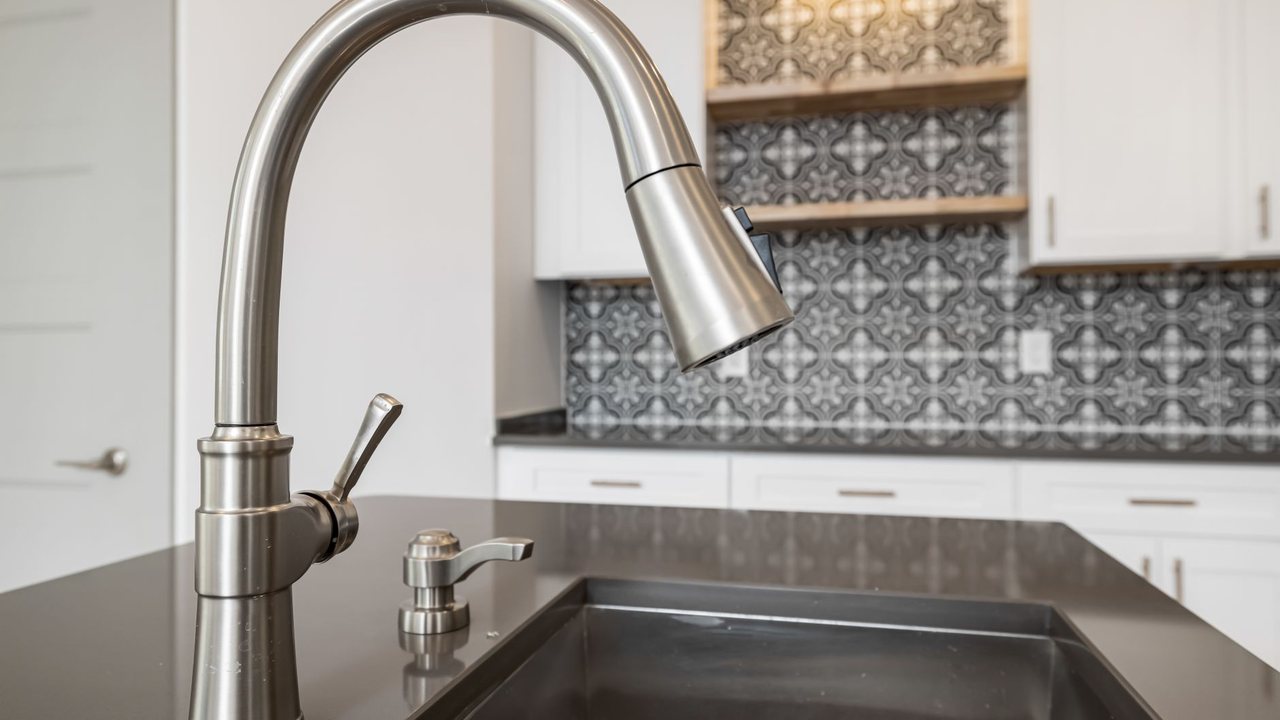
Kitchen taps in Alicante: sink, window and pull-out spout checks
A new tap must fit both the sink and the way you use the kitchen. Check window clearance, movement, space beneath the cabinet and maintenance access.
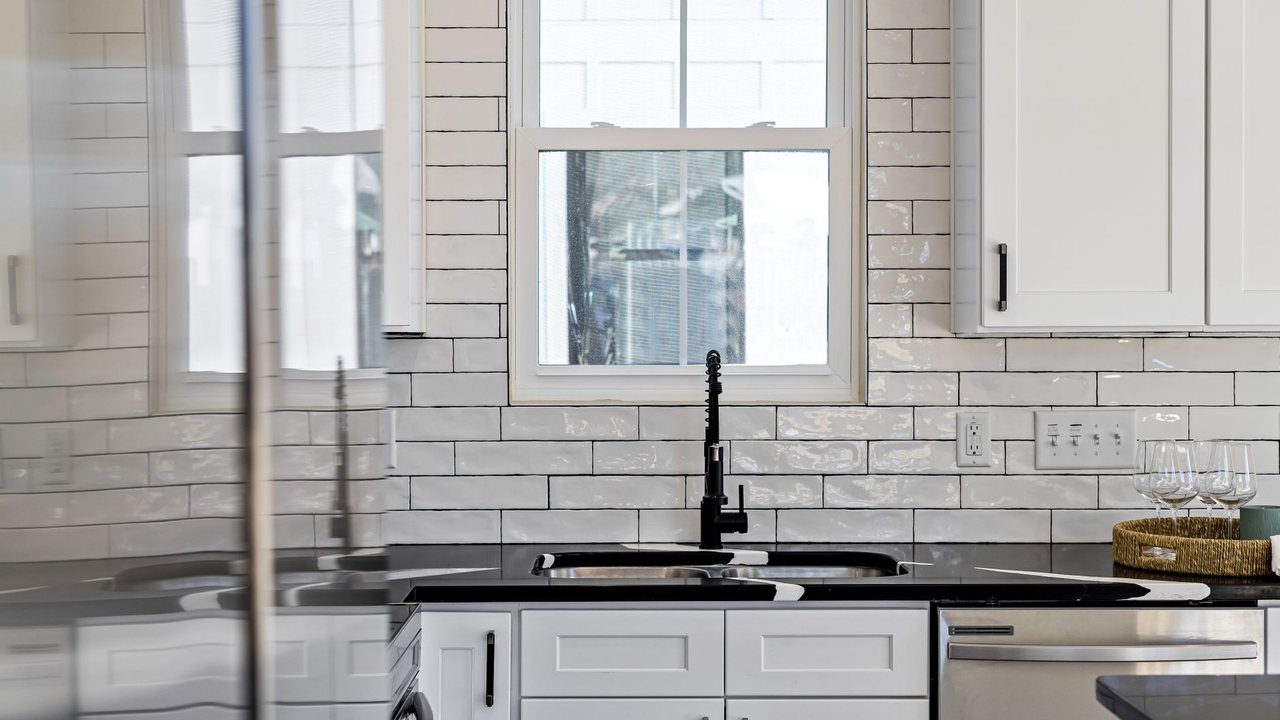
Replacing a kitchen worktop in Alicante while keeping the cabinets
A new worktop can be part of a partial renovation. Check cabinets, sink, hob, supports and finishing work before ordering the replacement.
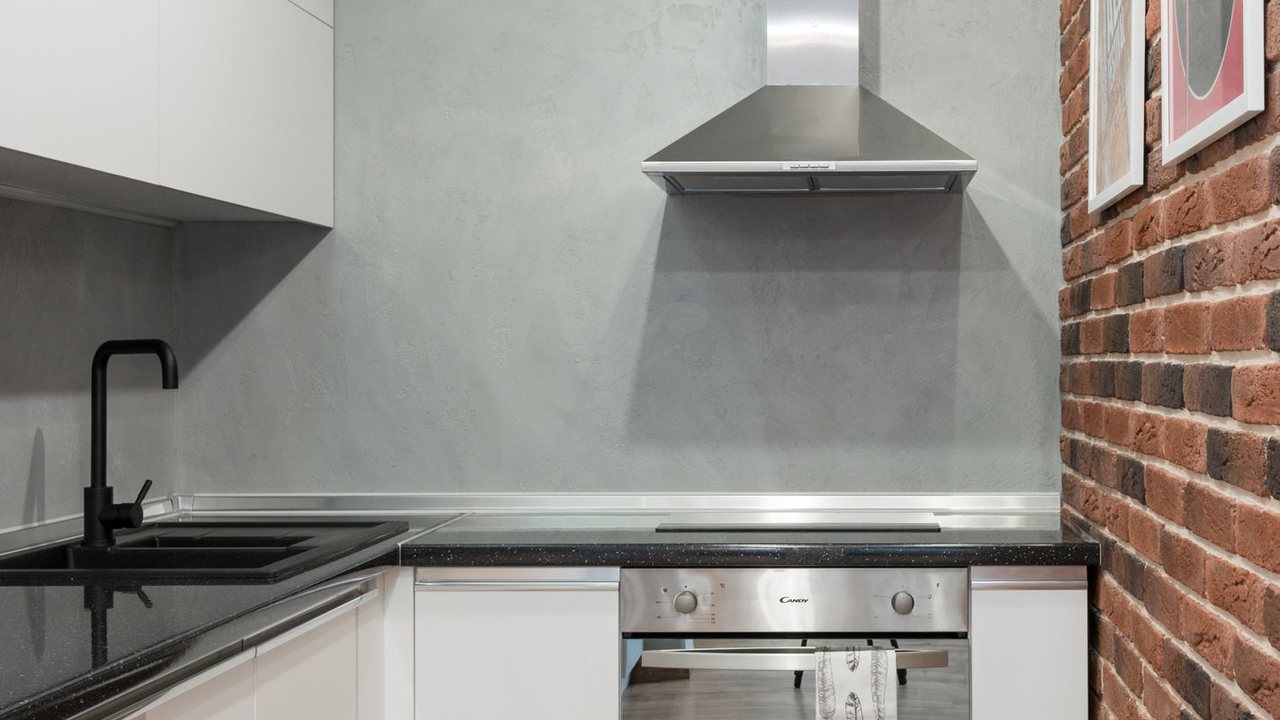
Cooker hoods in Alicante: ducted extraction or recirculation?
Before buying a cooker hood, check the existing installation, noise and filter access. Cabinet design alone does not determine how extraction will work.
Kitchen Renovation: Complete Budget Guide
Everything you need to know about kitchen renovation costs in Spain, from cabinet options to appliance upgrades, with real pricing data for 2026.
IVA on Renovations: Tax Guide for Spanish Homeowners
Navigate the complexities of IVA (VAT) on home renovations in Spain. Learn when you qualify for the reduced 10% rate and how to avoid overpaying on your next project.
Kitchen taps in Alicante: sink, window and pull-out spout checks
A new tap must fit both the sink and the way you use the kitchen. Check window clearance, movement, space beneath the cabinet and maintenance access.
Subscribe to our newsletter
And get a weekly digest of projects, bidding tips, and key platform updates straight to your inbox.
Replacing a kitchen worktop in Alicante while keeping the cabinets
A new worktop can be part of a partial renovation. Check cabinets, sink, hob, supports and finishing work before ordering the replacement.
Cooker hoods in Alicante: ducted extraction or recirculation?
Before buying a cooker hood, check the existing installation, noise and filter access. Cabinet design alone does not determine how extraction will work.
Kitchen Renovation: Complete Budget Guide
Everything you need to know about kitchen renovation costs in Spain, from cabinet options to appliance upgrades, with real pricing data for 2026.
IVA on Renovations: Tax Guide for Spanish Homeowners
Navigate the complexities of IVA (VAT) on home renovations in Spain. Learn when you qualify for the reduced 10% rate and how to avoid overpaying on your next project.
Subscribe to our newsletter
And get a weekly digest of projects, bidding tips, and key platform updates straight to your inbox.
Kitchen taps in Alicante: sink, window and pull-out spout checks
A new tap must fit both the sink and the way you use the kitchen. Check window clearance, movement, space beneath the cabinet and maintenance access.
Replacing a kitchen worktop in Alicante while keeping the cabinets
A new worktop can be part of a partial renovation. Check cabinets, sink, hob, supports and finishing work before ordering the replacement.
Cooker hoods in Alicante: ducted extraction or recirculation?
Before buying a cooker hood, check the existing installation, noise and filter access. Cabinet design alone does not determine how extraction will work.