Kitchen Renovation: Complete Budget Guide
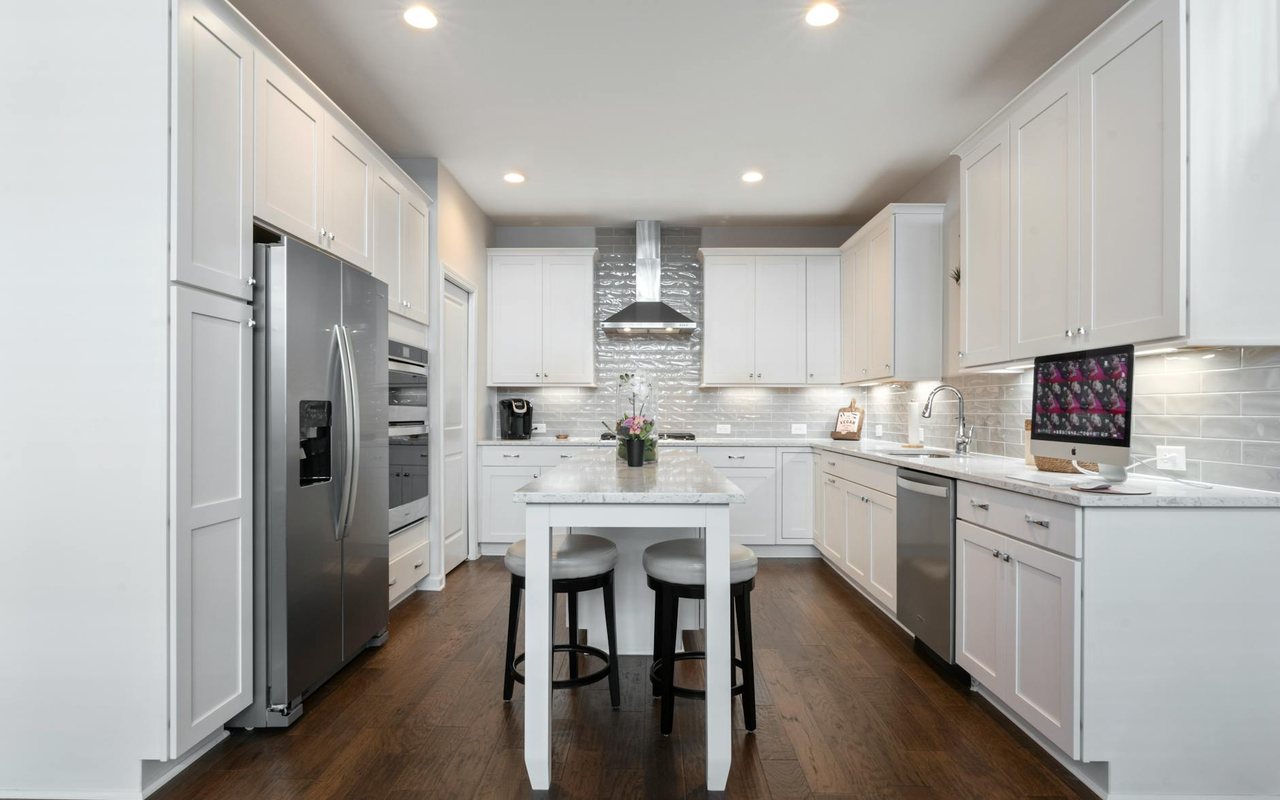
How Much Does a Kitchen Renovation Cost in Spain?
The kitchen is the heart of every Spanish home, and it is also the room where renovation costs can escalate most quickly. In 2026, a kitchen renovation in Spain ranges from around 5,000 euros for a basic update to well over 30,000 euros for a complete transformation with premium finishes. The average Spanish household spends between 8,000 and 15,000 euros on a mid-range kitchen renovation.
Several factors drive the final cost: the kitchen's size, the quality of cabinetry, the countertop material, whether appliances are replaced, and the complexity of plumbing and electrical work. In cities like Madrid and Barcelona, labour rates are typically 20 per cent higher than the national average, while areas in Andalucia and Galicia offer more competitive pricing.
This guide provides a comprehensive breakdown of every cost component, based on real quotes gathered from contractors across Spain in early 2026. Use these figures as a baseline to plan your own kitchen renovation project.
Cabinetry: The Largest Single Expense
Kitchen cabinets typically represent 30 to 40 per cent of the total renovation budget. In Spain, you have three main tiers to choose from. Flat-pack or modular kitchens from retailers like IKEA or Leroy Merlin start at 1,500 to 3,000 euros for a standard L-shaped kitchen. These offer good quality for the price and are ideal for rental properties or tight budgets.
Mid-range custom cabinetry from Spanish manufacturers such as Santos, Dica, or Xey costs between 4,000 and 10,000 euros. These brands offer a wide range of finishes, from melamine to lacquered wood, and include soft-close mechanisms, interior organisers, and integrated lighting as standard options.
Premium bespoke kitchens from high-end brands like Bulthaup, SieMatic, or Poggenpohl start at 15,000 euros and can exceed 40,000 euros for large installations. These kitchens feature exotic materials, precision engineering, and designer aesthetics that transform the kitchen into a showpiece.
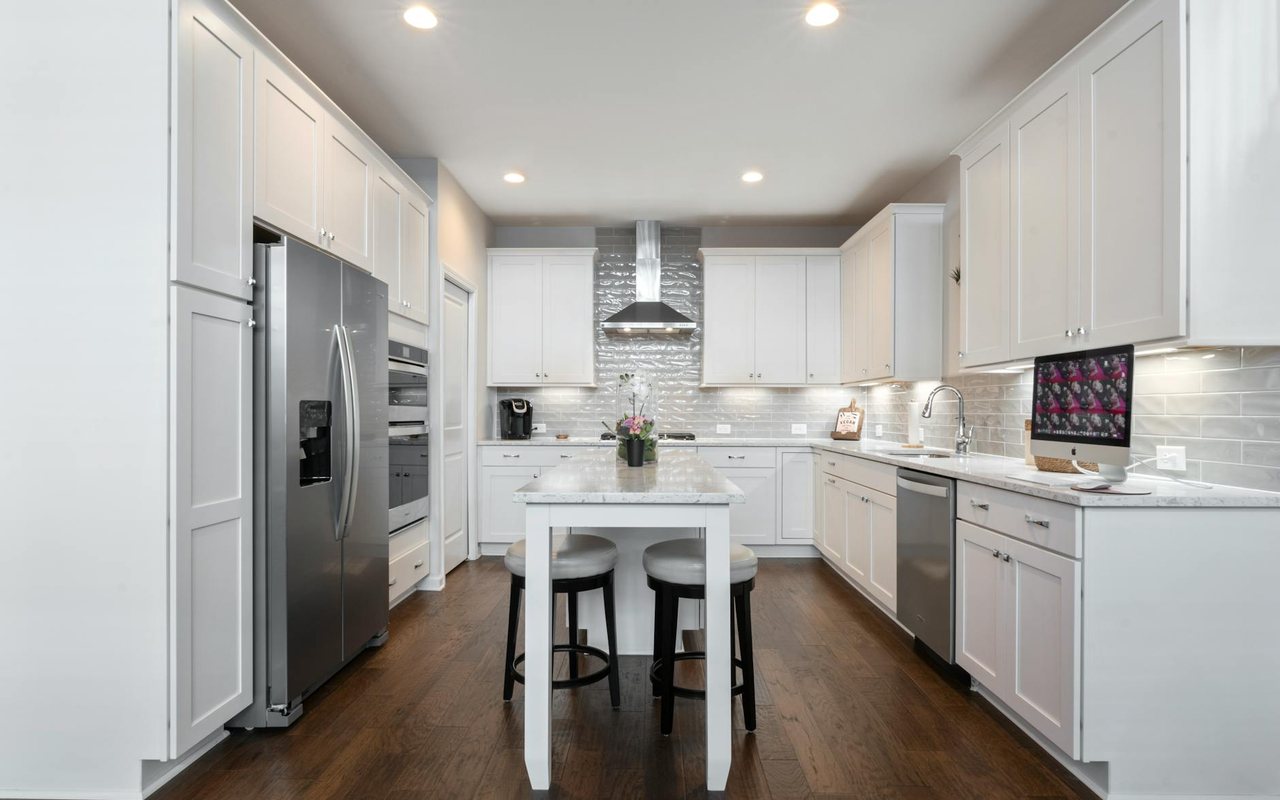
Countertops, Appliances, and Other Major Costs
Countertop costs vary dramatically by material. Laminate countertops start at 40 to 80 euros per linear metre installed. Quartz composites, the most popular choice in Spain, range from 150 to 350 euros per linear metre for brands like Silestone (made in Almeria by Cosentino) or Caesarstone. Natural granite costs 120 to 250 euros per linear metre, while Dekton ultracompact surfaces range from 200 to 400 euros per linear metre.
A full set of kitchen appliances (oven, hob, extractor, dishwasher, fridge-freezer) from mid-range brands like Bosch, Balay, or Teka costs between 2,000 and 4,000 euros. Premium brands such as Miele, Gaggenau, or Sub-Zero push this figure to 6,000 to 15,000 euros. Many Spanish homeowners choose to keep existing appliances that are still in good condition, which can save 2,000 euros or more.
Plumbing and electrical work for a kitchen renovation typically costs between 1,000 and 3,000 euros. This includes relocating water supply and drainage points, updating electrical circuits to handle modern appliance loads, and installing new lighting. Spanish electrical regulations (REBT) require a minimum of two dedicated circuits for the kitchen, and most renovations need an updated boletin electrico.
Where to Save and Where to Splurge
Save on cabinetry interiors but splurge on visible fronts. The internal carcass of most kitchen cabinets is made from the same chipboard regardless of price tier. Investing in high-quality doors and drawer fronts gives a premium look without the premium price tag. You can save 30 to 40 per cent by choosing a good Spanish mid-range brand over an imported luxury name.
Always invest in a good countertop. The countertop is the most-used surface in your kitchen and is subjected to heat, moisture, and daily wear. A quality quartz composite from Silestone or Dekton will last 20 years or more and resists staining and scratching far better than laminate alternatives. The extra 1,000 to 2,000 euros is money well spent.
Consider keeping your existing kitchen layout if plumbing and electrical points are well-positioned. Moving the sink, gas connection, or main electrical panel adds 1,500 to 3,000 euros in additional infrastructure work. If your current layout functions well, investing that money in better materials and finishes delivers a greater visual and practical impact.
Kitchen Renovation Budget Checklist
Ensure you have accounted for every cost category before committing to your kitchen renovation.
- 1Demolition and waste removal (400-1,000 euros)Essential
Includes removing old cabinets, countertops, tiles, and appliances. Request that your contractor provides a container for debris and handles transport to an authorised landfill.
- 2Plumbing updates (600-2,000 euros)Essential
New supply and drainage connections, gas line certification if applicable, and installation of shut-off valves. Always verify the plumber holds a valid carnet profesional.
- 3Electrical work (500-1,500 euros)Essential
Updated wiring, new outlets positioned for appliances, under-cabinet LED lighting, and a fresh boletin electrico certifying the installation meets current REBT standards.
- 4Flooring (800-2,500 euros)Recommended
Porcelain tiles are the most popular kitchen flooring in Spain, costing 20 to 50 euros per square metre installed. Luxury vinyl plank (LVP) is a budget-friendly alternative at 15 to 30 euros per square metre.
- 5Painting and finishing touches (300-800 euros)Final stage
Kitchen-grade washable paint for walls and ceiling, silicone sealing around countertops and backsplash, and installation of handles, knobs, and trim pieces.
Kitchen Renovation FAQ
How long does a kitchen renovation take in Spain?
Can I live in my home during a kitchen renovation?
Is it worth renovating the kitchen before selling my flat?
Do I need a permit for a kitchen renovation in Spain?
Related guides and reading
To turn this article into a renovation plan, start with How Much Does a Kitchen Renovation Cost? Prices and Budget and compare it with Prices and Budget for Kitchen Cabinetry and How Much Does It Cost to Replace Kitchen Plumbing Installation?. These internal guides help separate budget, permits, technical checks and optional upgrades before you speak with contractors.
For wider context, continue with Open-Concept Kitchen: Trends, Costs, and What to Know. Reading related articles together makes the Reformia journal work as a planning path rather than isolated posts.


You may also like
Show All Articles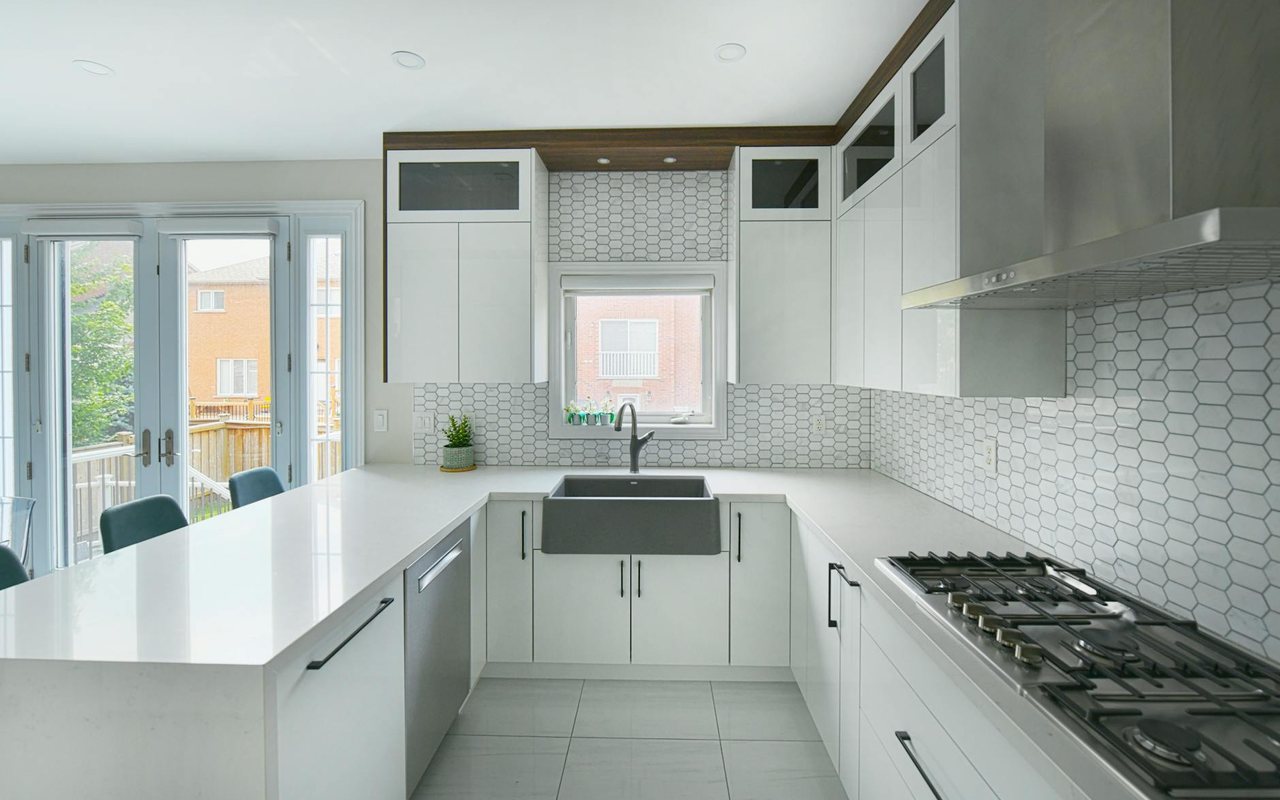
Open-Concept Kitchen: Trends, Costs, and What to Know
Everything you need to know about creating an open-concept kitchen in Spain: current trends, realistic costs, structural considerations, and design inspiration.
Subscribe to our newsletter
And get a weekly digest of projects, bidding tips, and key platform updates straight to your inbox.

IVA on Renovations: Tax Guide for Spanish Homeowners
Navigate the complexities of IVA (VAT) on home renovations in Spain. Learn when you qualify for the reduced 10% rate and how to avoid overpaying on your next project.
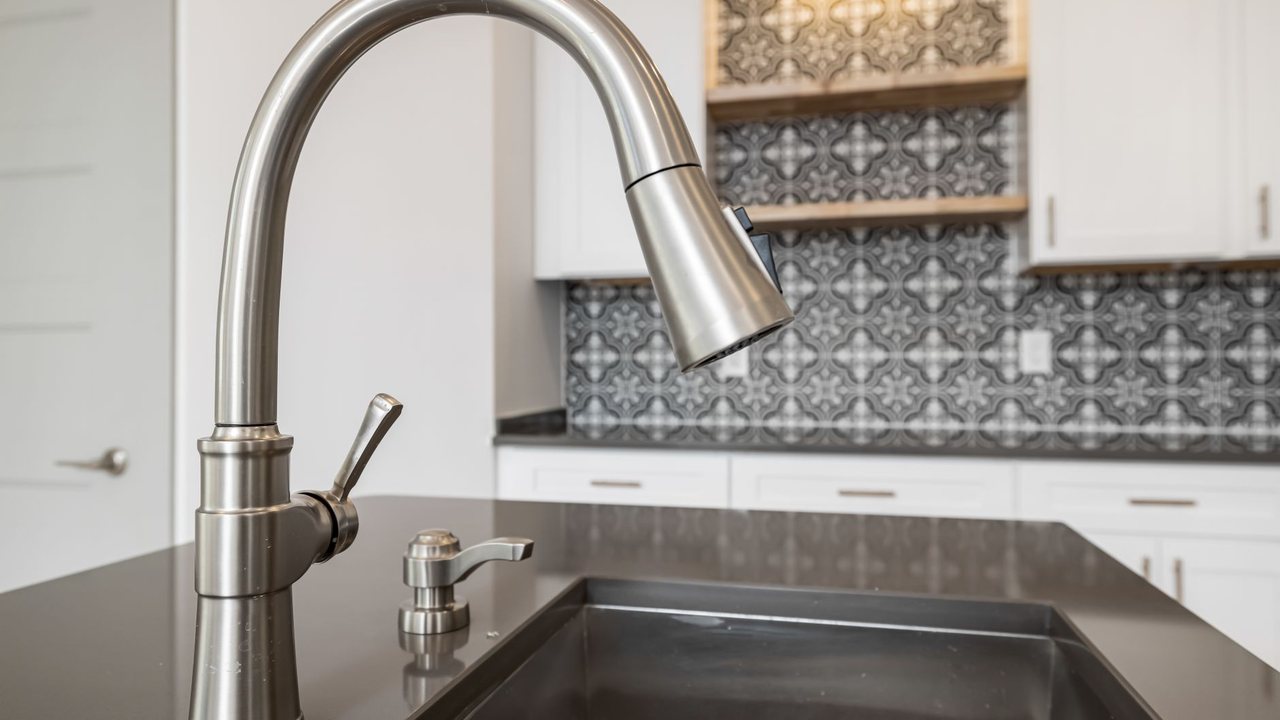
Kitchen taps in Alicante: sink, window and pull-out spout checks
A new tap must fit both the sink and the way you use the kitchen. Check window clearance, movement, space beneath the cabinet and maintenance access.
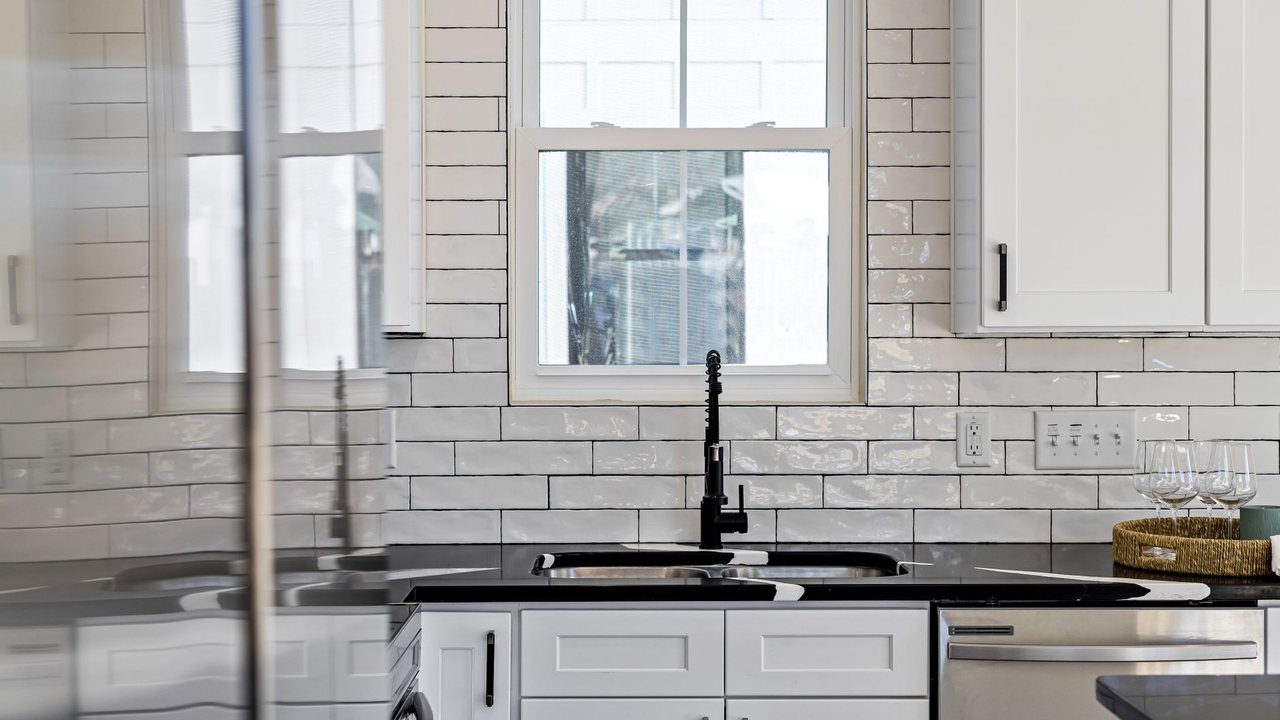
Replacing a kitchen worktop in Alicante while keeping the cabinets
A new worktop can be part of a partial renovation. Check cabinets, sink, hob, supports and finishing work before ordering the replacement.
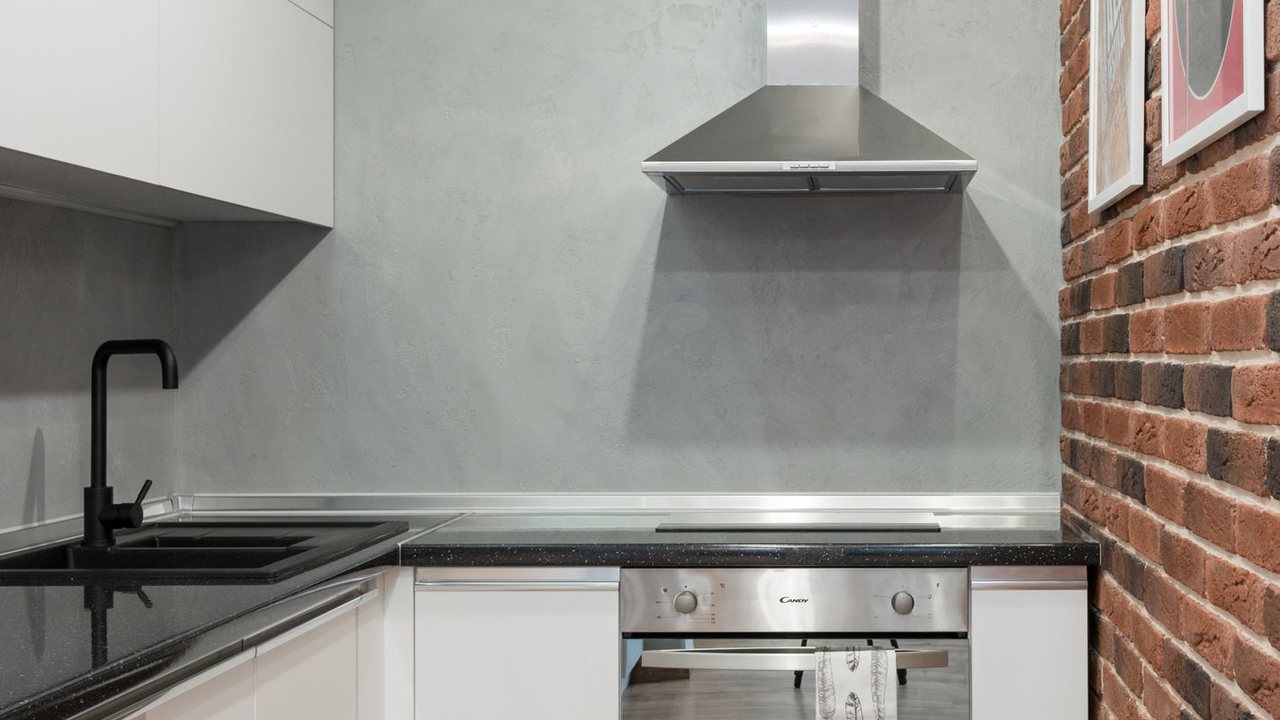
Cooker hoods in Alicante: ducted extraction or recirculation?
Before buying a cooker hood, check the existing installation, noise and filter access. Cabinet design alone does not determine how extraction will work.
Open-Concept Kitchen: Trends, Costs, and What to Know
Everything you need to know about creating an open-concept kitchen in Spain: current trends, realistic costs, structural considerations, and design inspiration.
IVA on Renovations: Tax Guide for Spanish Homeowners
Navigate the complexities of IVA (VAT) on home renovations in Spain. Learn when you qualify for the reduced 10% rate and how to avoid overpaying on your next project.
Kitchen taps in Alicante: sink, window and pull-out spout checks
A new tap must fit both the sink and the way you use the kitchen. Check window clearance, movement, space beneath the cabinet and maintenance access.
Subscribe to our newsletter
And get a weekly digest of projects, bidding tips, and key platform updates straight to your inbox.
Replacing a kitchen worktop in Alicante while keeping the cabinets
A new worktop can be part of a partial renovation. Check cabinets, sink, hob, supports and finishing work before ordering the replacement.
Cooker hoods in Alicante: ducted extraction or recirculation?
Before buying a cooker hood, check the existing installation, noise and filter access. Cabinet design alone does not determine how extraction will work.
Open-Concept Kitchen: Trends, Costs, and What to Know
Everything you need to know about creating an open-concept kitchen in Spain: current trends, realistic costs, structural considerations, and design inspiration.
IVA on Renovations: Tax Guide for Spanish Homeowners
Navigate the complexities of IVA (VAT) on home renovations in Spain. Learn when you qualify for the reduced 10% rate and how to avoid overpaying on your next project.
Subscribe to our newsletter
And get a weekly digest of projects, bidding tips, and key platform updates straight to your inbox.
Kitchen taps in Alicante: sink, window and pull-out spout checks
A new tap must fit both the sink and the way you use the kitchen. Check window clearance, movement, space beneath the cabinet and maintenance access.
Replacing a kitchen worktop in Alicante while keeping the cabinets
A new worktop can be part of a partial renovation. Check cabinets, sink, hob, supports and finishing work before ordering the replacement.
Cooker hoods in Alicante: ducted extraction or recirculation?
Before buying a cooker hood, check the existing installation, noise and filter access. Cabinet design alone does not determine how extraction will work.