Electrical upgrade for heat pump, EV charger and solar panels
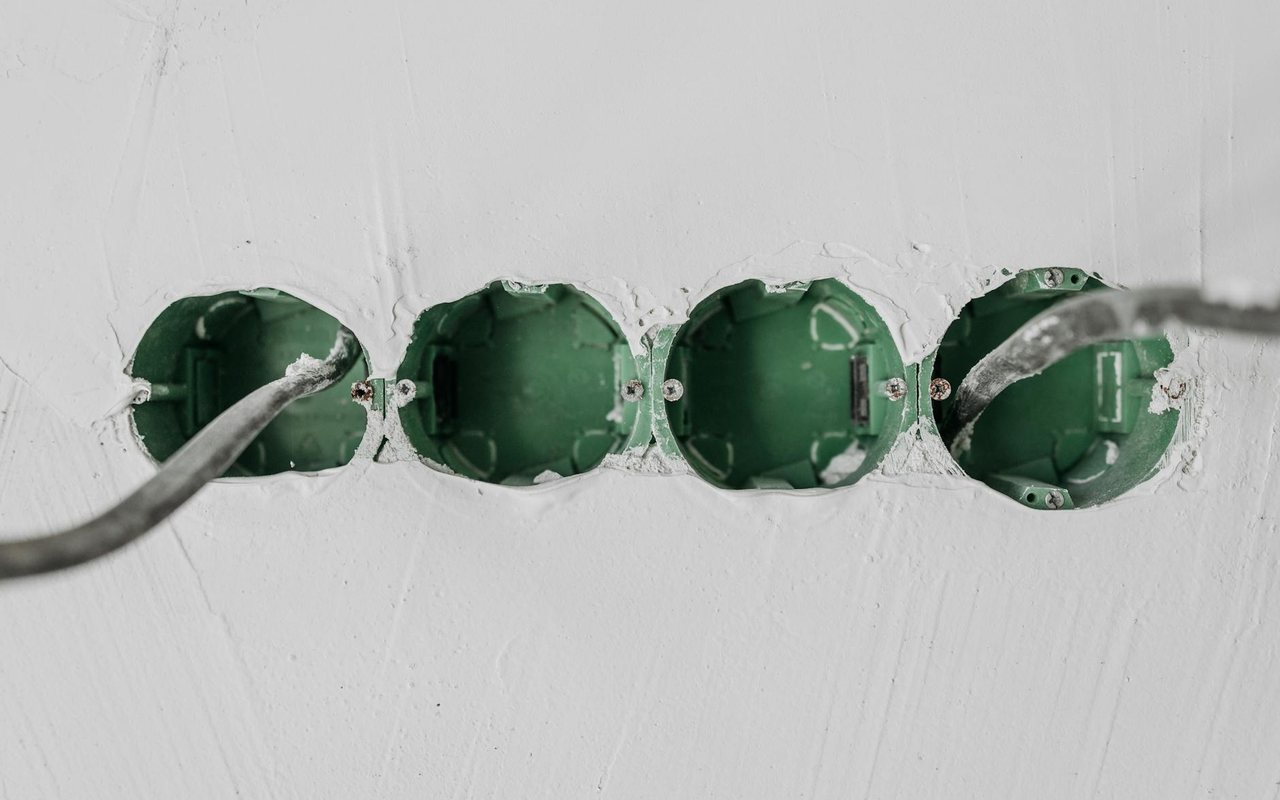
Why Electrical Infrastructure Is the Real Bottleneck in Home Electrification
Installing a heat pump, EV charger or solar panels sounds straightforward, but many projects fail in the first week. The problem is rarely the new equipment itself, but the old electrical installation that must support it. According to the EuropeOn report cited by BUILD UP in May 2025, 132 million homes across Europe still run on outdated electrical systems. In Spain, that figure is particularly high for homes built before 2000.
When you add a heat pump (5–7 kW), an EV charger (up to 22 kW on single-phase, more on three-phase) or battery storage, electrical demand jumps sharply. If your panel has insufficient capacity, undersized wiring or obsolete circuit protections, the outcome is predictable: your breaker trips constantly, or worse, you create a fire risk. The data is clear: nearly half of accidental residential fires originate in electrical faults. This isn't fear-mongering, just reality: these appliances need solid infrastructure.
How to Tell If Your Installation Is Ready (or What Needs to Change)
Before you sign with an installer, do a quick audit. Open your main electrical panel (fuses or breakers) and look for three things: (1) What is your contracted capacity? Check your electricity bill—it's usually top right. If it's 3.3 kW or less, you'll have serious trouble with any heat pump or fast charger. 5.5 kW is the bare minimum for a modern heat pump; 10 kW is more realistic if you also charge a car. (2) Is the wiring old copper or corroded aluminium? Oxidised aluminium or exposed copper signals wear. (3) Are your breakers type B, C or older still? Modern ones (type C or better) trip faster under overload, protecting you better.
In apartments and shared buildings, the situation differs. The main panel is centralised, and you likely need community approval to expand your line. Many residential communities have limited collective contracts, and adding load without coordination destabilises the system. This is where coordination failures between contractors show most. A heat pump installer and an EV charger installer may not know about each other's work, causing wiring conflicts or overload at your apartment breaker. This is why in communities it's essential to involve your administrator and review old electrical diagrams before you start.
Smart Execution Order: Solar, Battery, Heat Pump and EV Charger
If you plan several upgrades at once, sequence matters. Here's the most practical logic: first, strengthen your electrical infrastructure (panel, wiring, protections). This is your foundation. Next, install solar panels and battery (if budget allows). Why? On-site generation and storage cut your grid demand, so you may not need to expand your contracted capacity as much. Then install the heat pump (replacing your old boiler and gas use). Last, the EV charger, because it's most flexible: you can charge during off-peak hours or dial down power as available time permits.
Practical example for a two-storey house outside Barcelona: electrical strengthening base (panel, wiring from kitchen to basement, modern protections) = €2,000–€3,500. Solar panels (4–5 kW) + inverter + wiring = €5,000–€8,000. 10 kWh battery = €8,000–€12,000. Air-air heat pump = €4,000–€8,000. Single-phase EV charger = €800–€1,500. Total before subsidies: €20,000–€33,000, but the sequence ensures each step uses ready infrastructure. In an apartment with no roof access, skip solar, strengthen electrics first, then install heat pump + charger in shared garage. Lower cost and cleaner workflow.
The Three Silent Enemies: Capacity, Safety and Coordination
Nearly all failed electrification projects fail for one of three reasons. First, capacity: the homeowner hires an installer, the equipment goes in, but the grid or panel cannot support it. Result: power cuts, the charger won't hit full power, or the heat pump loses efficiency. Second, safety: old wiring or poor protections miss dangerous overloads. Per EuropeOn, nearly half of accidental residential fires trace to electrical faults. It's not uncommon for a late-stage audit of an ageing installation to reveal a real fire risk. Third, coordination: when multiple trades (plumber, electrician, solar installer) work without talking, conflicts emerge. In detached homes, it's the owner's headache. In communities, it's chaos if the administrator doesn't step in.
The solution is simple but often skipped: hire an electrical audit before you commit to machines. A licensed electrician looks at your panel, wiring, and tells you plainly what's missing. It costs €200–€400, but saves costly misunderstandings later. In communities, it's essential that the administrator steps in and compiles co-ordinated quotes. For detached homes, choose one lead installer to act as coordinator and hold others accountable. Electrical infrastructure is the backbone of an electrified home and must be front and centre of your renovation plan, not an afterthought.
Pre-Start Verification: Electrical Checklist
Before you hire any installer, use this checklist to assess your current state and decide what needs strengthening.
- 1Check Your Contracted Capacitystep 1: diagnose current capacity
Check your electricity bill. If it's below 5.5 kW, it's too low for a modern heat pump. If you add an EV charger, aim for 8–10 kW minimum. Contact your utility to request an upgrade (2–4 weeks typical).
- 2Open Your Main Panel and Identify Wiringstep 2: inspect wiring condition
Is it aluminium or copper? Is it exposed or insulated? Any signs of corrosion or overheating (blackened spots)? Bare aluminium or damaged copper needs partial replacement. Take photos and show them to a licensed electrician.
- 3Check Your Breaker and RCD Typesstep 3: assess protection age
Look for installation dates or markings on breakers. Pre-2000 is obsolete. Type B is very old; Type C is modern. RCDs should be Type A or A/F (especially with electronic loads like EV chargers). Glass fuses mean urgent overhaul needed.
- 4Check With Your Community (If You Live in an Apartment)step 4: coordinate with shared building
Get a copy of old electrical diagrams and ask your administrator to review total available capacity. Call a residents' meeting if coordination is needed. For shared garages, ensure space exists for a charger without overloading the common panel.
- 5Commission a Professional Electrical Auditstep 5: professional audit before commitment
A certified electrician can map your entire system, spot risks and suggest concrete upgrades. Cost: €200–€400. Time: 1–2 hours. Output: a clear report you can use to budget other work and avoid surprises.
- 6Plan Work Sequence With a Lead Coordinatorstep 6: explicit trade coordination
Appoint one lead installer (usually the electrician) to liaise with other trades. Create a written schedule showing who works when. In communities, have the administrator approve it. This prevents costly conflicts and delays.
Frequently Asked Questions on Cost and Safety
How much does electrical infrastructure strengthening cost for a house?
What's the real risk if I install an EV charger without auditing my electrics?
Can I install a heat pump and EV charger at the same time?
How does the situation differ in an apartment versus a detached house?
What's the best order: solar, battery, heat pump or EV charger?
What paperwork do I need to request a capacity upgrade from my utility?
Related guides and reading
To turn this article into a renovation plan, start with Prices for Installing Air Source Heat Pumps per m² in 2025 and compare it with What Is the Price of an Energy Certificate and How to Request It and How Much Does It Cost to Insulate a House?. These internal guides help separate budget, permits, technical checks and optional upgrades before you speak with contractors.
For wider context, continue with Heat pumps in Alicante: when they pay off in flats and villas. Reading related articles together makes the Reformia journal work as a planning path rather than isolated posts.


You may also like
Show All Articles
Air-conditioning maintenance on the Costa Blanca: preparing a second home
Prepare second-home air conditioning on the Costa Blanca: identify filters, professional servicing, drainage checks and records before returning to use.
Subscribe to our newsletter
And get a weekly digest of projects, bidding tips, and key platform updates straight to your inbox.

Home lighting in Alicante: plan light positions and controls before renovating
Plan lighting around furniture and everyday tasks. Specify positions, switching, dimming and maintenance before walls and ceilings are closed up.
Ceiling fans in Alicante: height, mounting and controls before buying
Check the room, mounting support, lighting and controls before choosing a ceiling fan. Buying the appliance does not replace an installation assessment.

Replacing a boiler with a heat pump in 2026: what the CAE proposal means
MITECO consulted on CAE multipliers for boiler-to-heat-pump replacements; it is not an open grant and decisions should start with demand, emitters and electrics.

Energy audit for an Alicante apartment community: how to prioritise renovation
Before voting on windows, facade or heat pumps, turn bills, building condition and savings scenarios into a roadmap the community can compare.
Air-conditioning maintenance on the Costa Blanca: preparing a second home
Prepare second-home air conditioning on the Costa Blanca: identify filters, professional servicing, drainage checks and records before returning to use.
Home lighting in Alicante: plan light positions and controls before renovating
Plan lighting around furniture and everyday tasks. Specify positions, switching, dimming and maintenance before walls and ceilings are closed up.
Ceiling fans in Alicante: height, mounting and controls before buying
Check the room, mounting support, lighting and controls before choosing a ceiling fan. Buying the appliance does not replace an installation assessment.
Subscribe to our newsletter
And get a weekly digest of projects, bidding tips, and key platform updates straight to your inbox.
Replacing a boiler with a heat pump in 2026: what the CAE proposal means
MITECO consulted on CAE multipliers for boiler-to-heat-pump replacements; it is not an open grant and decisions should start with demand, emitters and electrics.
Energy audit for an Alicante apartment community: how to prioritise renovation
Before voting on windows, facade or heat pumps, turn bills, building condition and savings scenarios into a roadmap the community can compare.
Air-conditioning maintenance on the Costa Blanca: preparing a second home
Prepare second-home air conditioning on the Costa Blanca: identify filters, professional servicing, drainage checks and records before returning to use.
Home lighting in Alicante: plan light positions and controls before renovating
Plan lighting around furniture and everyday tasks. Specify positions, switching, dimming and maintenance before walls and ceilings are closed up.
Subscribe to our newsletter
And get a weekly digest of projects, bidding tips, and key platform updates straight to your inbox.
Ceiling fans in Alicante: height, mounting and controls before buying
Check the room, mounting support, lighting and controls before choosing a ceiling fan. Buying the appliance does not replace an installation assessment.
Replacing a boiler with a heat pump in 2026: what the CAE proposal means
MITECO consulted on CAE multipliers for boiler-to-heat-pump replacements; it is not an open grant and decisions should start with demand, emitters and electrics.
Energy audit for an Alicante apartment community: how to prioritise renovation
Before voting on windows, facade or heat pumps, turn bills, building condition and savings scenarios into a roadmap the community can compare.