How Much Does a Bathroom Renovation Cost in Spain in 2026?
Understanding Bathroom Renovation Costs in Spain
Renovating a bathroom is one of the most common home improvement projects in Spain, and also one of the most variable in terms of cost. In 2026, Spanish homeowners can expect to spend anywhere from 3,000 euros for a basic refresh to upwards of 15,000 euros for a complete luxury overhaul. The final price depends heavily on the size of the bathroom, the quality of materials chosen, and the region where the work is carried out.
Labour costs in Spain have risen approximately 8 per cent since 2024, driven by inflation and increased demand in the construction sector. Cities like Madrid, Barcelona, and the Basque Country tend to be 15 to 25 per cent more expensive than rural areas in Castilla-La Mancha or Extremadura. Understanding these regional differences is crucial when setting your renovation budget.
In this guide, we break down every cost component so you can plan confidently, avoid surprises, and get the best value for your investment. Whether you are updating a small guest bathroom or transforming a master ensuite, these figures reflect real market conditions across Spain in 2026.
Cost Breakdown by Component
Demolition and waste removal typically costs between 400 and 800 euros for a standard bathroom of 5 to 8 square metres. This includes removing old tiles, sanitaryware, and plumbing fixtures, plus transporting debris to an authorised waste facility. In some municipalities, you may need a small works permit (licencia de obra menor) even for demolition, which adds 100 to 300 euros in fees.
Plumbing work is one of the largest cost drivers. Replacing existing supply and drainage lines in a standard bathroom costs between 800 and 1,500 euros. If you are relocating the toilet, shower, or bathtub, expect an additional 500 to 1,000 euros due to the complexity of rerouting drainage. Spanish building code (CTE) requires specific pipe diameters and fall gradients, so always hire a licensed fontanero.
Tiling represents both a significant material and labour cost. Ceramic tiles suitable for bathrooms range from 15 to 40 euros per square metre for mid-range options, while porcelain or natural stone can reach 60 to 120 euros per square metre. Labour for tiling a 6 square metre bathroom, including walls and floor, typically costs 600 to 1,200 euros depending on the tile format and pattern complexity.
Sanitaryware prices vary enormously. A basic toilet, sink, and shower tray set from brands like Roca or Gala starts at around 400 euros. Mid-range options with soft-close mechanisms, wall-hung toilets, and designer basins run between 800 and 2,000 euros. Premium selections from brands such as Duravit or Villeroy and Boch can easily exceed 3,000 euros for the complete set.
Budget Ranges for Different Renovation Levels
A basic renovation (replacing tiles, sanitaryware, and updating plumbing without changing layout) in a 5 to 6 square metre bathroom costs between 3,000 and 5,500 euros. This is ideal for investment properties or guest bathrooms where functionality matters more than luxury finishes.
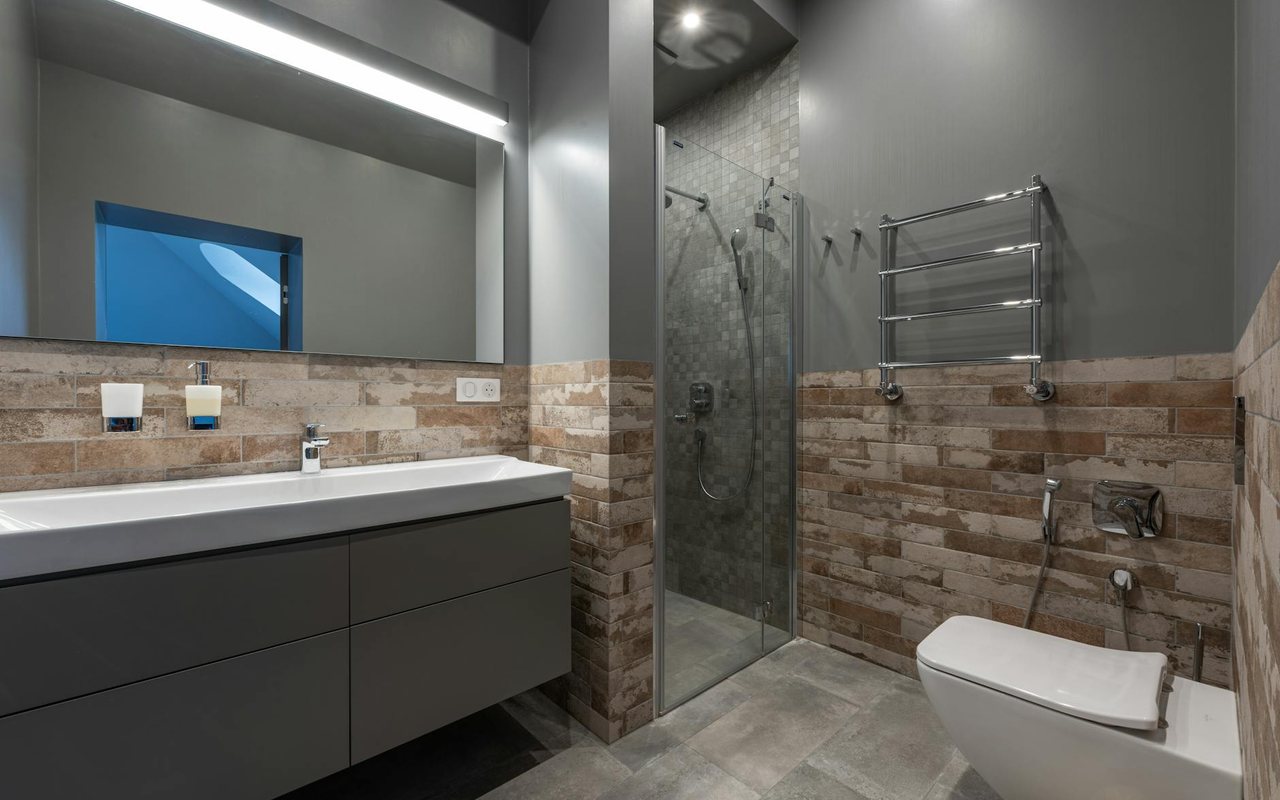
A mid-range renovation (new layout, quality tiles, branded sanitaryware, updated electrical, and new lighting) typically falls between 6,000 and 10,000 euros. This is the most popular range among Spanish homeowners and offers an excellent balance of quality and value.
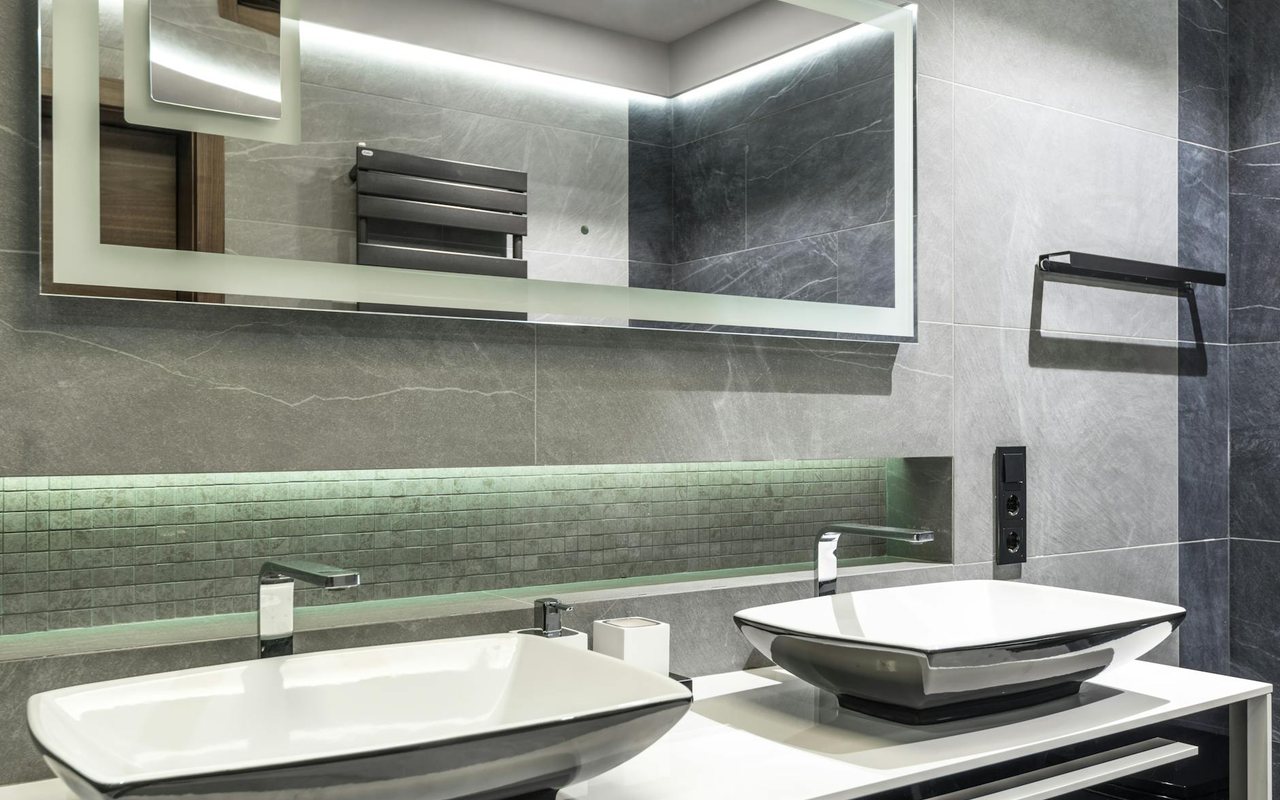
A high-end renovation (premium materials, underfloor heating, walk-in shower with rainfall head, bespoke vanity units, and designer fixtures) starts at 10,000 euros and can reach 15,000 euros or more. In Madrid and Barcelona, luxury bathrooms with natural stone and smart mirrors regularly exceed 18,000 euros.
2026 Trends Affecting Bathroom Costs
Walk-in showers continue to dominate Spanish bathroom design in 2026, with nearly 70 per cent of renovations now opting to remove the bathtub. This trend saves space and improves accessibility, though the waterproofing requirements (using systems like Schluter DITRA) add 300 to 600 euros to the project cost.
Smart bathroom technology is gaining traction, particularly in new builds and premium renovations. Heated toilet seats, motion-sensor taps, and LED mirror cabinets add 500 to 2,000 euros but are increasingly seen as standard in high-end Spanish homes. Water-saving fixtures are also popular, driven by Spain's ongoing drought concerns and municipal water restrictions.
Steps to Plan Your Bathroom Renovation Budget
Follow these steps to create a realistic budget and avoid cost overruns during your bathroom renovation.
- 1Measure your bathroom and define the scopeWeek 1
Take precise measurements of your bathroom, noting window positions, door swing, and existing plumbing locations. Decide whether you want a simple refresh or a complete reconfiguration.
- 2Get at least three detailed quotesWeek 2-3
Request itemised quotes from licensed professionals (reformistas). Spanish law requires contractors to provide a presupuesto detallado that breaks down materials and labour separately. Compare quotes carefully and ask about payment schedules.
- 3Add a 15 per cent contingency bufferBefore signing
Hidden problems like damp, outdated wiring, or asbestos pipes are common in Spanish buildings constructed before 1990. A 15 per cent buffer protects you from unexpected costs that can derail your project.
- 4Check permit requirements with your ayuntamientoBefore starting
Most bathroom renovations in Spain require at least a declaracion responsable or a licencia de obra menor. Check with your local town hall (ayuntamiento) before work begins, as fines for unpermitted work can reach 6,000 euros.
- 5Verify your contractor's insurance and registrationBefore signing contract
Ensure your contractor has a valid seguro de responsabilidad civil and is registered with the tax authority (alta en Hacienda). Request their CIF number and verify they are up to date with Social Security contributions.
Frequently Asked Questions About Bathroom Renovation Costs
How long does a typical bathroom renovation take in Spain?
Do I need a permit to renovate my bathroom in Spain?
Is it cheaper to renovate a bathroom in winter in Spain?
What is the IVA rate on bathroom renovations in Spain?
How much can a bathroom renovation increase my property value?
Related guides and reading
To turn this article into a renovation plan, start with What Is the Price of an Energy Certificate and How to Request It and compare it with How Much Does It Cost to Insulate a House? and Prices for Installing Air Source Heat Pumps per m² in 2025. These internal guides help separate budget, permits, technical checks and optional upgrades before you speak with contractors.
For wider context, continue with 2026 home renovation incentives: windows, insulation and heat pumps. Reading related articles together makes the Reformia journal work as a planning path rather than isolated posts.
You may also like
Show All Articles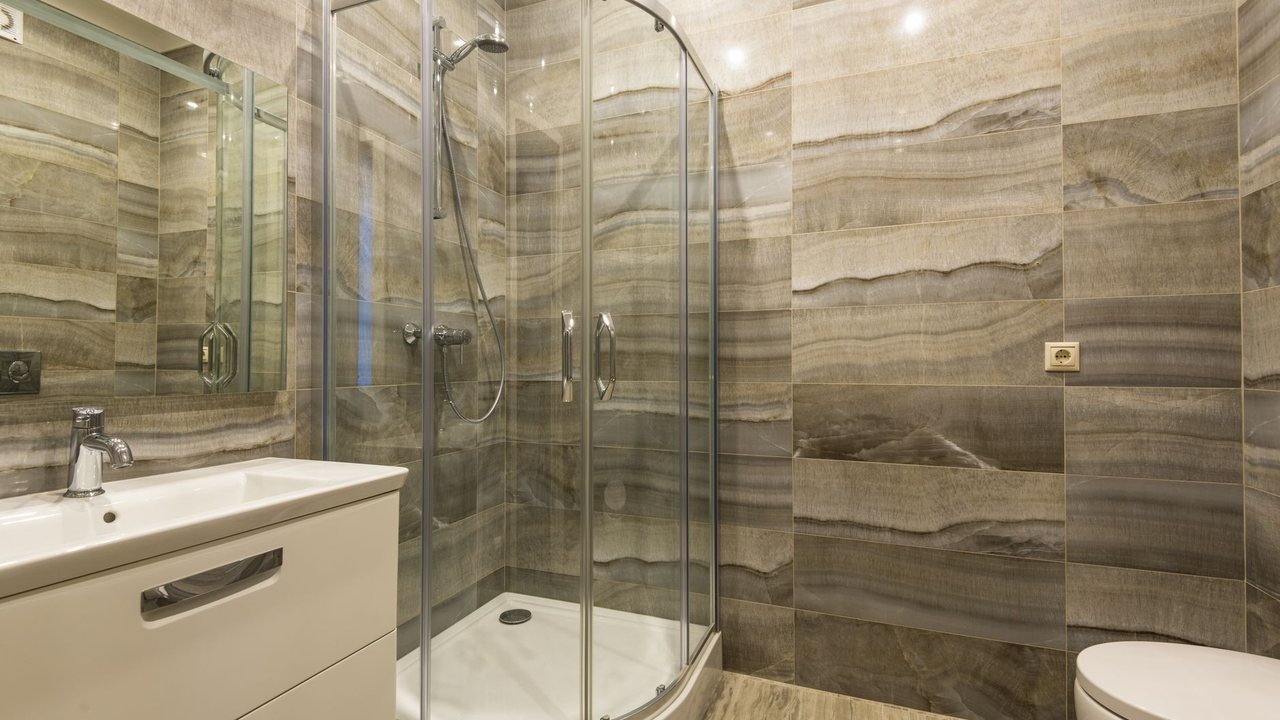
Shower screens in Alicante: measurements, access and cleaning
Choosing a shower screen involves more than tray width. Check the finished opening, usable access, obstacles and maintenance before placing an order.
Subscribe to our newsletter
And get a weekly digest of projects, bidding tips, and key platform updates straight to your inbox.
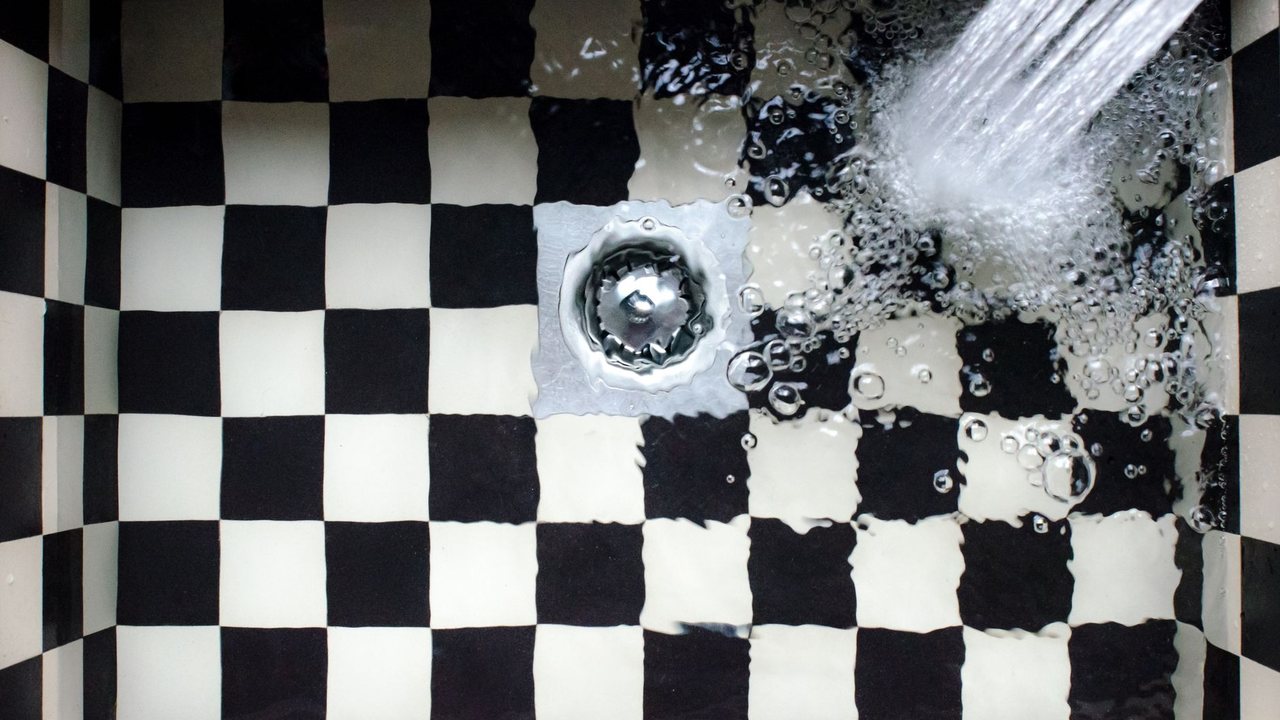
Drain smells on the Costa Blanca: assessing a home after time away
Drain smells after returning to your Costa Blanca home? Record symptoms and arrange appropriate checks before using chemicals or commissioning building work.
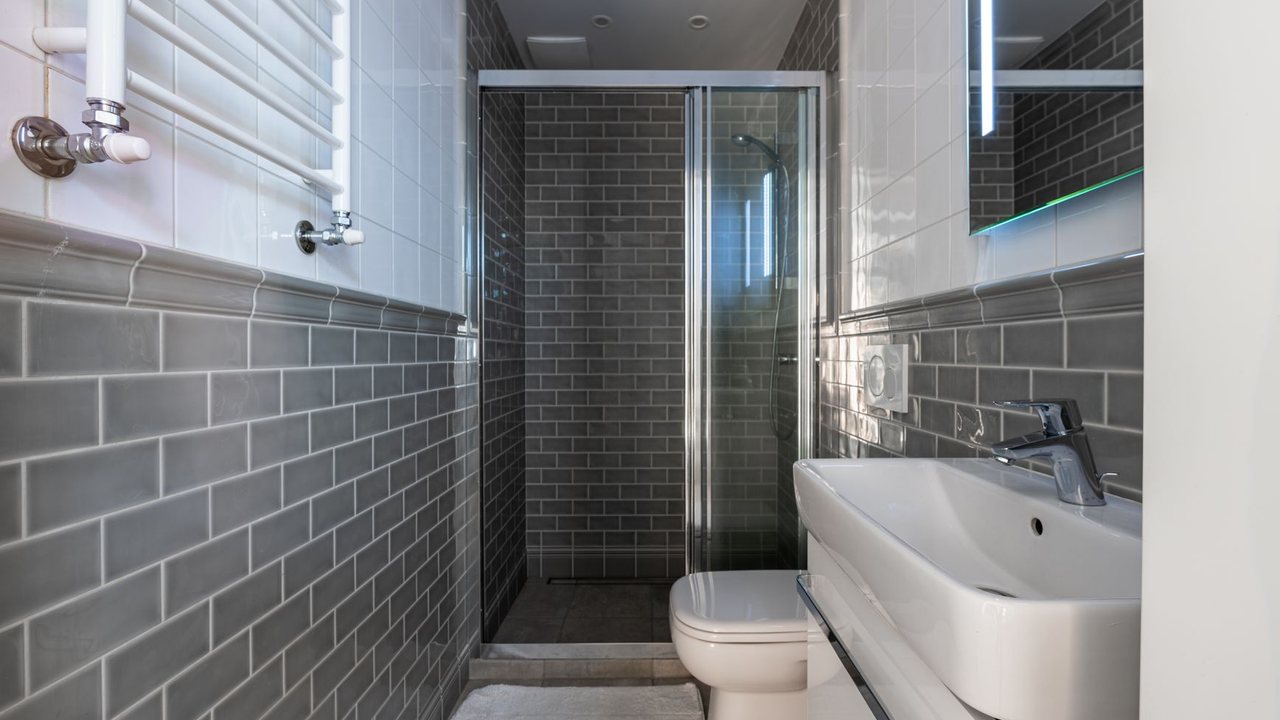
Renewing bathroom joints in Alicante: grout, sealant or a deeper assessment?
Distinguish a finish refresh from a problem needing investigation. Have joints, junctions and the substrate assessed before covering stains or cracks.
Energy audit for an Alicante apartment community: how to prioritise renovation
Before voting on windows, facade or heat pumps, turn bills, building condition and savings scenarios into a roadmap the community can compare.
Low water pressure in Alicante: checks before replacing plumbing
Low water flow in your Alicante home? Record symptoms, check supply notices and prepare a plumbing visit before replacing pipes or buying new equipment.
Shower screens in Alicante: measurements, access and cleaning
Choosing a shower screen involves more than tray width. Check the finished opening, usable access, obstacles and maintenance before placing an order.
Drain smells on the Costa Blanca: assessing a home after time away
Drain smells after returning to your Costa Blanca home? Record symptoms and arrange appropriate checks before using chemicals or commissioning building work.
Renewing bathroom joints in Alicante: grout, sealant or a deeper assessment?
Distinguish a finish refresh from a problem needing investigation. Have joints, junctions and the substrate assessed before covering stains or cracks.
Subscribe to our newsletter
And get a weekly digest of projects, bidding tips, and key platform updates straight to your inbox.
Energy audit for an Alicante apartment community: how to prioritise renovation
Before voting on windows, facade or heat pumps, turn bills, building condition and savings scenarios into a roadmap the community can compare.
Low water pressure in Alicante: checks before replacing plumbing
Low water flow in your Alicante home? Record symptoms, check supply notices and prepare a plumbing visit before replacing pipes or buying new equipment.
Shower screens in Alicante: measurements, access and cleaning
Choosing a shower screen involves more than tray width. Check the finished opening, usable access, obstacles and maintenance before placing an order.
Drain smells on the Costa Blanca: assessing a home after time away
Drain smells after returning to your Costa Blanca home? Record symptoms and arrange appropriate checks before using chemicals or commissioning building work.
Subscribe to our newsletter
And get a weekly digest of projects, bidding tips, and key platform updates straight to your inbox.
Renewing bathroom joints in Alicante: grout, sealant or a deeper assessment?
Distinguish a finish refresh from a problem needing investigation. Have joints, junctions and the substrate assessed before covering stains or cracks.
Energy audit for an Alicante apartment community: how to prioritise renovation
Before voting on windows, facade or heat pumps, turn bills, building condition and savings scenarios into a roadmap the community can compare.
Low water pressure in Alicante: checks before replacing plumbing
Low water flow in your Alicante home? Record symptoms, check supply notices and prepare a plumbing visit before replacing pipes or buying new equipment.