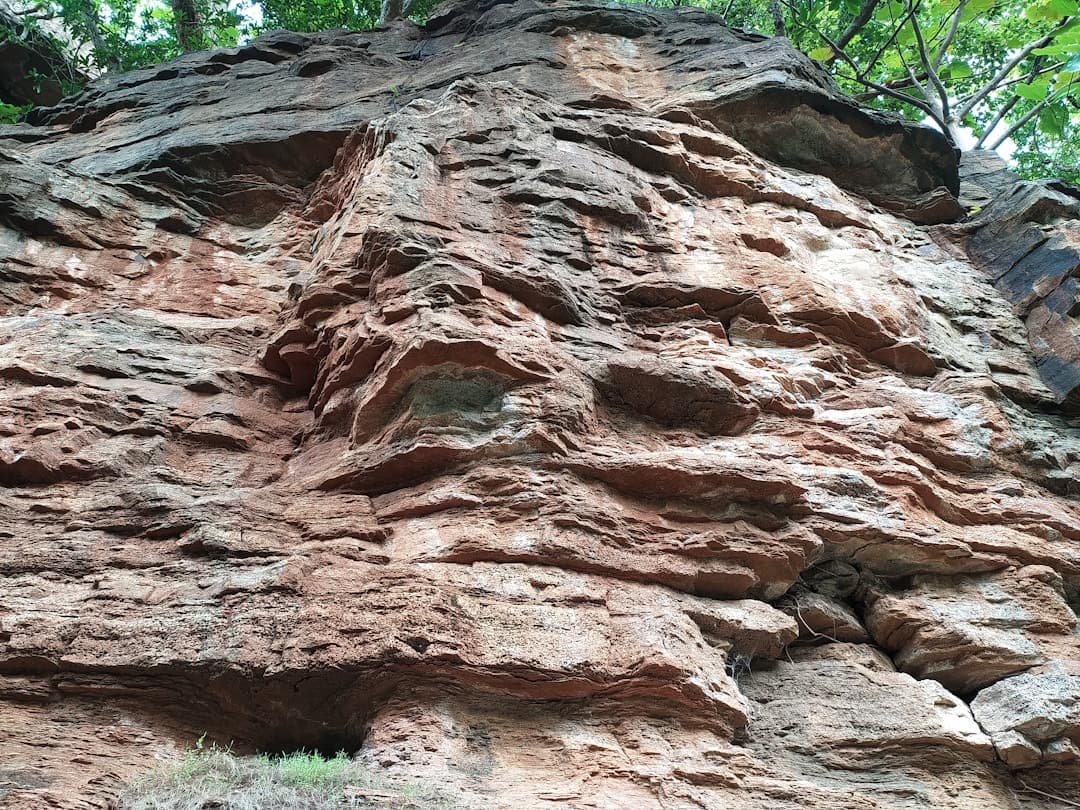
Geotechnical Studies: Price and Quotes
The approximate cost of a geotechnical study for a single-family home is around 1,200 €. If you want to complement the study with a topographic survey, the price will be around 2,500 €. For a 1,500 m² plot, the study fee is around 2,800 €.
The amounts are indicative and come from the original imported guide. The final budget depends on the scope, materials, and previous condition of the space.
Last reviewed
June 2026
Edited by: Luis Rodenas
Pricing method
Indicative ranges are compared by scope, measurements, materials, labour, permits, VAT and contingency.
Alicante context
Confirm access, community rules, salt-air exposure and municipal requirements before accepting a quote.
Service Levels and Pricing
Choose the geotechnical study that best fits your project and budget. From basic analysis to complete evaluations with topography included.
Basic
Essential geotechnical study for single-family homes on small plots. Includes spot surveys and soil analysis without topography.
Standard
The most popular comprehensive solution that combines complete geotechnical study with topographic surveying. Ideal for most residential projects.
Premium
Advanced geotechnical study for large plots, complex terrain, or special projects. Includes exhaustive analysis, precision topography, and expanded laboratory testing.
Share your project details and get free contact with professionals who work on similar projects.
Prices for conducting a geotechnical study
See what homeowners usually pay for the most common tasks. Use these ranges to fine-tune your scope and avoid missing key items in your budget.
Geotechnical study for single-family home
Geotechnical study for dam
Geotechnical study for tunnel
Geotechnical study for 1.500 m² plot
Geotechnical study and topographic survey for single-family home
Phases of the geotechnical study with Reformia
The approximate cost of a geotechnical study for a single-family home is around 1.200 €. If you want to complement the study with a topographic survey, the price will be around 2.500 €. For a 1.500 m² plot, the study fee is around 2.800 €.

1. Analysis of the work areaThe first step of a geotechnical study is to gather all relevant information about the property and the construction project. This includes urban planning and topographic data, and all information that has been previously collected about the plot and adjacent ones. With all this, the technician will be able to make an approximate budget.
The first step of a geotechnical study involves gathering urban planning, topographic, and previous data about the plot and neighboring properties. This initial analysis allows the technician to prepare an approximate budget, starting from 900 € for basic studies. A thorough site evaluation ensures that the building will properly adapt to the terrain conditions.
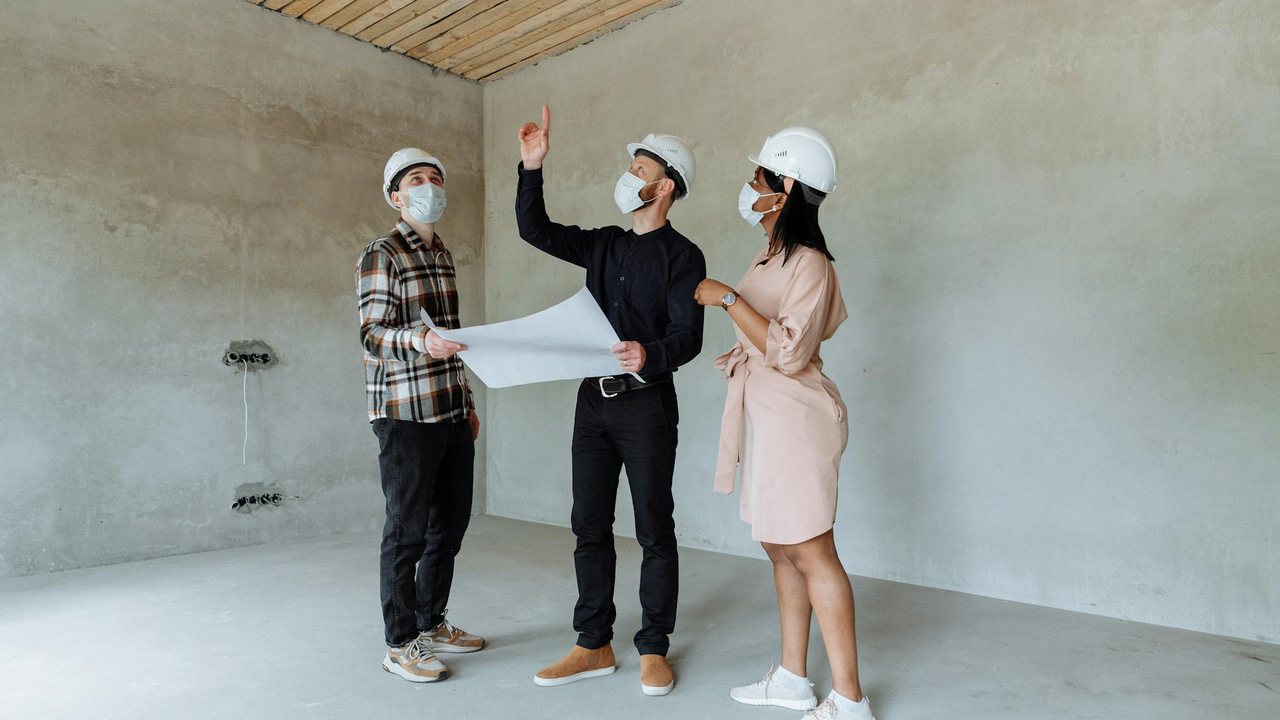
2. Collection of geotechnical data from the groundOnce the budget is accepted, the second phase begins, which is the field study. This starts with a visual inspection of the land and surroundings. Next, soil and subsoil samples are taken through prospections, test pits, and mechanical drilling that allow samples to be classified in different categories according to their density, moisture, plasticity, and other properties.
After budget approval, field studies begin with visual terrain assessment and soil sampling through test pits and mechanical boring. For a single-family home, this service costs approximately 1,200 €. Samples are classified by density, moisture, and plasticity to fully characterize the soil and subsoil properties.

3. Laboratory phaseWith the samples collected, a series of tests are conducted in the laboratory phase. The purpose of this analysis is to obtain information such as the ground's resistance capacity, its rigidity and grain size, the presence of chemical components, and other data important to ensure safe construction.
Collected samples undergo laboratory testing to determine soil bearing capacity, stiffness, granulometry, and chemical composition. This phase is crucial in studies ranging from 2,300 € to 7,000 € depending on complexity. Results ensure the building has appropriate foundations to maintain structural safety.
The approximate cost of a geotechnical study for a single-family home is around 1.200 €. If you want to complement the study with a topographic survey, the price will be around 2.500 €. For a 1.500 m² plot, the study fee is around 2.800 €.
What is usually included in a quote
Each professional may structure quotes differently, but most project budgets follow this logic.
Typically included
Often not included
Phases of the geotechnical study
The approximate cost of a geotechnical study for a single-family home is around 1.200 €. If you want to complement the study with a topographic survey, the price will be around 2.500 €. For a 1.500 m² plot, the study fee is around 2.800 €.
1. Analysis of the work areaThe first step of a geotechnical study is to gather all relevant information about the property and the construction project. This includes urban planning and topographic data, and all information that has been previously collected about the plot and adjacent ones. With all this, the technician will be able to make an approximate budget.
The first step of a geotechnical study involves gathering urban planning, topographic, and previous data about the plot and neighboring properties. This initial analysis allows the technician to prepare an approximate budget, starting from 900 € for basic studies. A thorough site evaluation ensures that the building will properly adapt to the terrain conditions.
2. Collection of geotechnical data from the groundOnce the budget is accepted, the second phase begins, which is the field study. This starts with a visual inspection of the land and surroundings. Next, soil and subsoil samples are taken through prospections, test pits, and mechanical drilling that allow samples to be classified in different categories according to their density, moisture, plasticity, and other properties.
After budget approval, field studies begin with visual terrain assessment and soil sampling through test pits and mechanical boring. For a single-family home, this service costs approximately 1,200 €. Samples are classified by density, moisture, and plasticity to fully characterize the soil and subsoil properties.
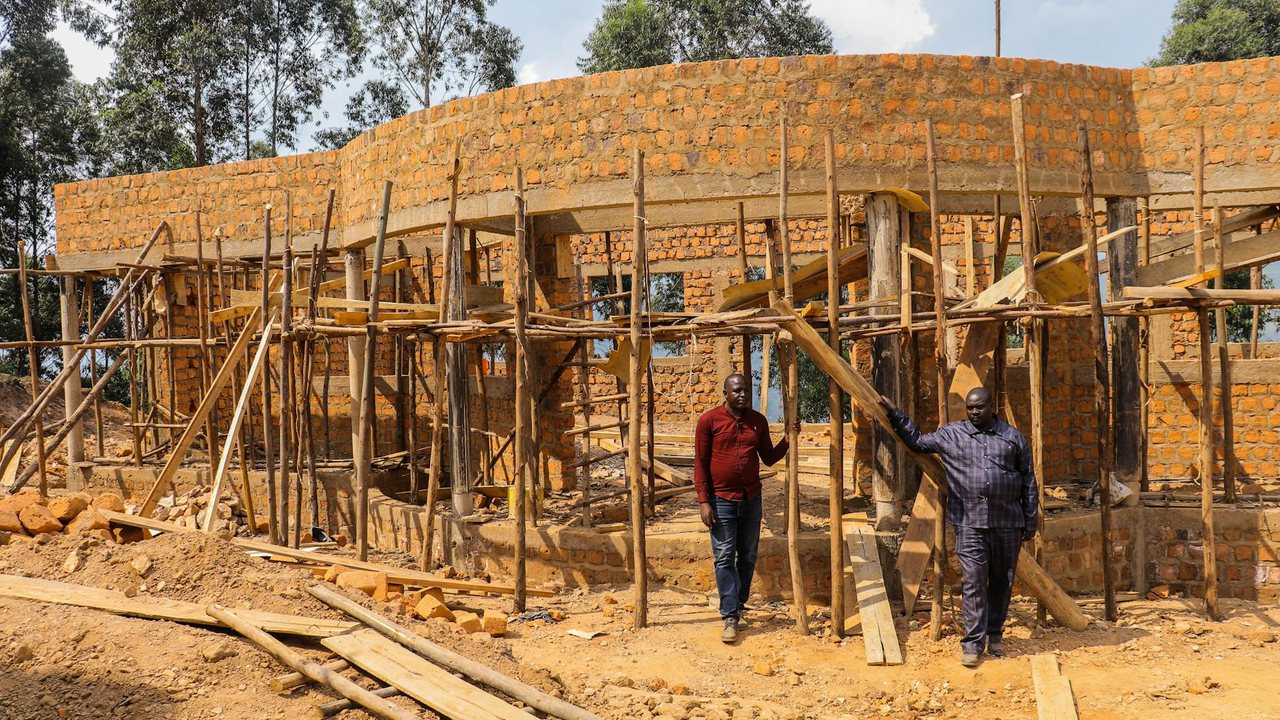
3. Laboratory phaseWith the samples collected, a series of tests are conducted in the laboratory phase. The purpose of this analysis is to obtain information such as the ground's resistance capacity, its rigidity and grain size, the presence of chemical components, and other data important to ensure safe construction.
Collected samples undergo laboratory testing to determine soil bearing capacity, stiffness, granulometry, and chemical composition. This phase is crucial in studies ranging from 2,300 € to 7,000 € depending on complexity. Results ensure the building has appropriate foundations to maintain structural safety.
4. Geotechnical reportThe final conclusions must be presented in the geotechnical report, which should be composed of three basic sections:
The final geotechnical report presents study conclusions in three basic sections documenting findings, analysis, and construction recommendations. This document, costing from 900 € to an average of 3,950 €, is essential for obtaining building permits and validating project feasibility. It provides the builder with all necessary information to execute the work safely.
What can change your final price
Even similar projects can end with different budgets. These are the factors that most often push costs up or down.
Plot size and surface area
The larger the land area to be studied, the more time and resources the fieldwork requires, significantly increasing the cost of the geotechnical study. A 500 m² plot will be considerably more economical than a 2,000 m² one.
Depth and number of boreholes
The number of drilling operations needed and the depth required to analyze soil layers determines much of the budget. Terrain with complex stratigraphy requires more boreholes and greater depth.
Accessibility and plot location
Difficult access to the land, steep slopes, or remote rural areas increase transportation costs and operation of specialized machinery.
Additional complementary services
Including topographic surveys, soil chemical analysis, contamination studies, or advanced laboratory testing adds significant cost to the base geotechnical study budget.
Next step
Use "Geotechnical Studies: Price and Quotes" to prepare a short brief before requesting quotes: current condition, must-have scope, optional upgrades, access constraints and timing. Then compare it with Geologists price guides so each contractor proposal covers the same work.
How much does a geotechnical study cost?
The approximate cost of a geotechnical study for a single-family home is around 1.200 €. If you want to complement the study with a topographic survey, the price will be around 2.500 €. For a 1.500 m² plot, the study fee is around 2.800 €.
Whenever a building is to be constructed on land, it is necessary to request a geotechnical study, regardless of the type of construction, its purpose, or its size. This study compiles information about the land's characteristics in relation to the type of structure to be built and its location, which will later be used to determine the necessary type of foundation. The objective is to ensure the building's functionality and safety.
How much does a geotechnical study cost?
The approximate cost of a geotechnical study for a single-family home is around 1.200 €. If you want to complement the study with a topographic survey, the price will be around 2.500 €. For a 1.500 m² plot, the study fee is around 2.800 €.
This study should be done as soon as possible, since the conclusions drawn can be significant for the structure's design. Sometimes it can even be requested before purchasing the land. The professional responsible for this work is a qualified technician with qualifications such as architect, engineer, or geologist.
Factors affecting the price
- Labor: there is no established fee for this type of work, so professional fees can vary significantly. It will also depend on the type of project or the time needed to be invested.
- Construction complexity: another factor affecting the price is the complexity of the construction, its scale, or the structure's functionality. Conducting a geotechnical study for a single-story industrial warehouse is different from conducting one for a tunnel or dam, for example, where much more data and machinery are needed for the field study phase.
- Geological composition of the land: a geotechnical study of land involves extensive field work including drilling, prospections, test pits, or sampling, so the topography and type of materials on the plot can complicate the task and require the use of complex tools or machinery that increase the final cost.
The price of a geotechnical study for a plot for building a single-family home usually ranges between 800 € and 2.000 €. If it's a larger project, such as an apartment building or a tunnel, the cost can reach 35.000 €. For a plot for the construction of an industrial warehouse, the cost is between 400 € - 1.000 €.
A platform built equally for homeowners and professionals
Whether you're planning a renovation or looking for your next project, Reformia gives both sides the tools to connect, compare, and collaborate with confidence.
For individuals
For professionals

You may also like

Complete Guide to Renovation Permits in Spain
Everything you need to know about building permits for home renovations in Spain: when you need one, how to apply, costs, timelines, and consequences of unpermitted work.
Read article
IVA on Renovations: Tax Guide for Spanish Homeowners
Navigate the complexities of IVA (VAT) on home renovations in Spain. Learn when you qualify for the reduced 10% rate and how to avoid overpaying on your next project.
Read articleFrequently Asked Questions

How much does a geotechnical survey cost for a single-family home?
The approximate cost of a geotechnical survey for a single-family home is around 1.200 €. If you want to complement the survey with a topographic survey, the total budget will be approximately 2.500 €. For larger plots of 1.500 m², the geotechnical survey fee is around 2.800 €.
How long does a geotechnical survey take to complete?
A typical geotechnical survey takes between 2 and 4 weeks to complete, depending on the complexity of the terrain and the size of the plot. This timeline includes the ground exploration phase, laboratory sample analysis, and preparation of the final report. In complex cases or with special geological conditions, the timeframe may extend up to 6 weeks.
What does a geotechnical survey quote include?
A basic geotechnical survey quote includes drilling and soil sampling, laboratory testing, soil bearing capacity analysis, and a technical report with recommendations. If a topographic survey is added, the quote will also include plot mapping and terrain profile. Some more comprehensive surveys may incorporate chemical aggressiveness analysis or geotechnical soil classification.
Do I need a geotechnical survey to build a single-family home?
According to current Spanish regulations, a geotechnical survey is mandatory for new building construction, including single-family homes, especially if the plot has special geological characteristics or is in risk zones. We recommend consulting with your local municipality, as some municipalities have additional specific requirements. In any case, it is highly advisable to carry out this survey to ensure the safety and stability of the construction.
How do I choose a qualified geologist or technician for a geotechnical survey?
You should verify that the professional has a university degree in Geology or Geological Engineering and is registered with the Professional Association of Geologists in their autonomous community. Request references from previous work and compare quotes from at least 3 different professionals. Make sure the quote clearly specifies the scope of the survey, the number of boreholes, and the laboratory tests included.
Got more questions? Contact us!
Got more questions? Contact us!
Frequently Asked Questions
How much does a geotechnical survey cost for a single-family home?
The approximate cost of a geotechnical survey for a single-family home is around 1.200 €. If you want to complement the survey with a topographic survey, the total budget will be approximately 2.500 €. For larger plots of 1.500 m², the geotechnical survey fee is around 2.800 €.
How long does a geotechnical survey take to complete?
A typical geotechnical survey takes between 2 and 4 weeks to complete, depending on the complexity of the terrain and the size of the plot. This timeline includes the ground exploration phase, laboratory sample analysis, and preparation of the final report. In complex cases or with special geological conditions, the timeframe may extend up to 6 weeks.
What does a geotechnical survey quote include?
A basic geotechnical survey quote includes drilling and soil sampling, laboratory testing, soil bearing capacity analysis, and a technical report with recommendations. If a topographic survey is added, the quote will also include plot mapping and terrain profile. Some more comprehensive surveys may incorporate chemical aggressiveness analysis or geotechnical soil classification.
Do I need a geotechnical survey to build a single-family home?
According to current Spanish regulations, a geotechnical survey is mandatory for new building construction, including single-family homes, especially if the plot has special geological characteristics or is in risk zones. We recommend consulting with your local municipality, as some municipalities have additional specific requirements. In any case, it is highly advisable to carry out this survey to ensure the safety and stability of the construction.
How do I choose a qualified geologist or technician for a geotechnical survey?
You should verify that the professional has a university degree in Geology or Geological Engineering and is registered with the Professional Association of Geologists in their autonomous community. Request references from previous work and compare quotes from at least 3 different professionals. Make sure the quote clearly specifies the scope of the survey, the number of boreholes, and the laboratory tests included.