
Prices and Budgets for Installing Raised Access Flooring
On average, the cost of installing raised access flooring is between 80 € and 100 €/m². Besides the dimensions, other factors influence the budget, especially the material of the tiles or whether they need special characteristics, such as moisture or fire resistance.
These amounts are indicative and come from the original imported guide. The final budget depends on the scope, materials, and previous condition of the space.
Last reviewed
July 2026
Edited by: Gabriel Martín
Pricing method
Indicative ranges are compared by scope, measurements, materials, labour, permits, VAT and contingency.
Alicante context
Confirm access, community rules, salt-air exposure and municipal requirements before accepting a quote.
Service Levels and Pricing
Choose the option that best fits your raised access flooring project, considering the material, area, and special features you need.
Basic
Installation of raised access flooring with standard tiles in small to medium spaces. An economical solution ideal for offices with basic ventilation and cabling requirements.
Standard
The most popular option for medium-sized offices with high-quality tiles and special features. Includes ground preparation and professional finishes with extended warranty.
Premium
Complete solution for large spaces with fire-resistant tiles and advanced features. Includes custom design, technical project, and comprehensive quality control.
Share your project details and get free contact with professionals who work on similar projects.
Prices for installing raised access flooring
See what homeowners usually pay for the most common tasks. Use these ranges to fine-tune your scope and avoid missing key items in your budget.
Install raised access flooring 50 m²
Install raised access flooring 100 m²
Install raised access flooring 150 m²
Install raised access flooring 250 m²
Install raised access flooring 400 m²
Advantages of raised access flooring with Reformia
On average, the cost of installing raised access flooring is between 80 € - 100 €/m². In calculating the budget, in addition to dimensions, other factors influence the price, especially the material of the tiles or the need for them to have special characteristics, such as being resistant to moisture or fire.

1. The greatest advantage of raised access flooring is that it hides cabling and installations while allowing easy access to them in case of maintenance or breakdown.
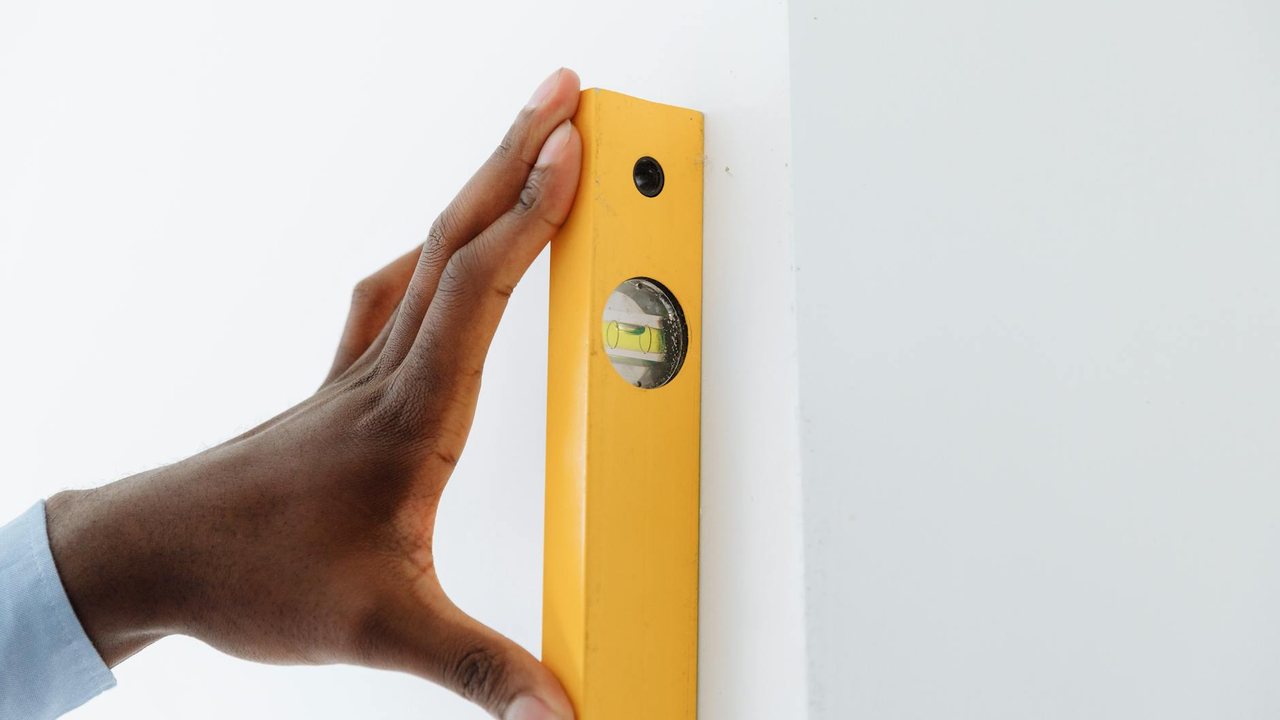
2. This type of flooring is, moreover, easily installed in all types of spaces without the need for any construction work.

3. They are highly resistant floors, to traffic and impact, although the material of the tiles can influence that resistance. In any case, if deterioration or breakage of any of them occurs, they can be replaced without difficulty.
On average, the cost of installing raised access flooring is between 80 € - 100 €/m². In calculating the budget, in addition to dimensions, other factors influence the price, especially the material of the tiles or the need for them to have special characteristics, such as being resistant to moisture or fire.
What is usually included in a quote
Each professional may structure quotes differently, but most project budgets follow this logic.
Typically included
Often not included
Steps to Install Raised Access Flooring
On average, the cost of installing raised access flooring is between 80 € - 100 €/m². In calculating the budget, in addition to dimensions, other factors influence the price, especially the material of the tiles or the need for them to have special characteristics, such as being resistant to moisture or fire.
1. Measure and calculate total square meters
The first step is to accurately measure the surface where the raised access floor will be installed. This measurement will determine the final budget, as costs vary significantly: from 3,500 € for 50 m² to 23,200 € for 400 m². It's advisable to measure multiple times to avoid errors that could affect your quote.
2. Choose the material type and special features
Select the material and features of your raised access floor based on your needs: basic options (2,400 € - 4,000 €), standard (5,000 € - 8,000 €), or premium (9,000 € - 12,000 €). Consider whether you need electrical, climate control, or acoustic integration, as these features affect both the final price and office functionality.
3. Get quotes from several specialized installers
Contact at least three specialized raised access floor installers to obtain detailed quotes. This allows you to compare prices and services: the average budget is around 6,500 €, though it may vary depending on installation complexity. Ensure quotes include labor, materials, and final finishes.
4. Prepare and level the existing base surface
Surface preparation is crucial for successful installation. The existing floor must be cleaned, repaired, and leveled to remove any irregularities, which may incur additional costs depending on current condition. A well-prepared base ensures the durability of the raised access floor and prevents future system functionality issues.
What can change your final price
Even similar projects can end with different budgets. These are the factors that most often push costs up or down.
Tile material and quality
The type of material (vinyl, polypropylene, melamine, or HPL) and its quality significantly influence the price. Higher durability tiles and premium finishes can increase costs by 30-50% compared to basic options.
Special resistance features
Tiles with antistatic properties, fire resistance, moisture resistance, or flame-retardant qualities require higher material costs and specialized installation expertise, increasing the budget by 20-40%.
Size and surface area to cover
While the base price is per square meter, very large surfaces may benefit from discounts, while small or irregular spaces increase installation time and can generate additional costs for cuts and adjustments.
Condition of the base floor and preparatory work
The need to repair, level, or prepare the existing floor, as well as removal of previous flooring, involve additional costs that can vary considerably depending on the condition of the surface.
Next step
Use "Prices and Budgets for Installing Raised Access Flooring" to prepare a short brief before requesting quotes: current condition, must-have scope, optional upgrades, access constraints and timing. Then compare it with Office Renovations price guides so each contractor proposal covers the same work.
What is raised access flooring
On average, the cost of installing raised access flooring is between 80 € - 100 €/m². In calculating the budget, in addition to dimensions, other factors influence the price, especially the material of the tiles or the need for them to have special characteristics, such as being resistant to moisture or fire.
Raised access flooring is a covering installed over existing flooring, but leaving a small space between them. The purpose is for that gap to accommodate different installations that remain hidden but easily accessible in case of breakdown or to modify their routing if necessary.
Main characteristics of raised access flooring
On average, the cost of installing raised access flooring is between 80 € - 100 €/m². In calculating the budget, in addition to dimensions, other factors influence the price, especially the material of the tiles or the need for them to have special characteristics, such as being resistant to moisture or fire.
Raised or access flooring is supported by a metal framework, but its installation is not overly complex because it doesn't require any construction work or generate rubble. As far as the visible surface is concerned, the most common approach is to place plastic tiles with a wood core over that framework, on which vinyl flooring can be placed to give it the appearance of materials such as wood or ceramic.
Purpose of raised access flooring
Flexibility: raised access floors not only adapt to all types of spaces, but also facilitate changes in the distribution of these if necessary, allowing modifications to the routing of installations without major problems.
Versatility and aesthetics: due to their variety of finishes and characteristics, they are floors that adapt to spaces of different sizes and uses, from offices to shops, leisure and dining establishments, or infrastructure like airports.
Discreetness: raised access floors allow all types of installations, cabling, and conduits to be hidden, remaining perfectly concealed underneath.
A platform built equally for homeowners and professionals
Whether you're planning a renovation or looking for your next project, Reformia gives both sides the tools to connect, compare, and collaborate with confidence.
For individuals
For professionals


You may also like

Complete Guide to Renovation Permits in Spain
Everything you need to know about building permits for home renovations in Spain: when you need one, how to apply, costs, timelines, and consequences of unpermitted work.
Read article
IVA on Renovations: Tax Guide for Spanish Homeowners
Navigate the complexities of IVA (VAT) on home renovations in Spain. Learn when you qualify for the reduced 10% rate and how to avoid overpaying on your next project.
Read articleFrequently Asked Questions
How much does it cost to install raised access flooring per square meter?
The average installation cost for raised access flooring in Spain ranges between 80 € and 100 €/m², though it can vary depending on the geographic location and project complexity. If the flooring requires special features such as fire resistance, moisture protection, or acoustic insulation, the budget may increase by 20% to 40%. For a 100 m² space, the total cost would be approximately between 8,000 € and 12,000 €, including materials and labor.
How long does it take to install raised access flooring?
Installation duration depends on the surface area and complexity, but generally ranges between 5 and 15 days for a medium-sized office. For small spaces (up to 50 m²), 3-5 days may be sufficient, while larger areas may take 2-3 weeks. This timeframe includes subfloor preparation, installation of the support structure, and placement of the access tiles.
What does the budget for installing raised access flooring include?
A typical budget includes the supply of technical tiles, the metal or concrete support structure, installation labor, and final finishing. It usually does not include additional waterproofing work, installation of under-floor climate control systems, or special moisture treatments, which are complementary services. It is advisable to request a detailed budget that specifies each item to avoid surprises.
How do I choose the best professional to install raised access flooring?
Look for companies specializing in office renovations with proven experience in raised access flooring and references from previous clients. Request at least 3 comparative quotes to analyze price differences and included services, and verify that they hold certifications and professional liability insurance. Ensure the professional can advise you on the most suitable tile type based on your office's use and environmental conditions.
Do I need permits or authorizations to install raised access flooring in my office?
In most cases, installing raised access flooring does not require special permits if it is a minor interior renovation, although this depends on your autonomous community and municipality. If the installation involves structural changes or affects safety systems, you will need to obtain the corresponding building permit. We recommend consulting with the professional installer and your building administrator before starting the project.
Got more questions? Contact us!
Got more questions? Contact us!
Frequently Asked Questions
How much does it cost to install raised access flooring per square meter?
The average installation cost for raised access flooring in Spain ranges between 80 € and 100 €/m², though it can vary depending on the geographic location and project complexity. If the flooring requires special features such as fire resistance, moisture protection, or acoustic insulation, the budget may increase by 20% to 40%. For a 100 m² space, the total cost would be approximately between 8,000 € and 12,000 €, including materials and labor.
How long does it take to install raised access flooring?
Installation duration depends on the surface area and complexity, but generally ranges between 5 and 15 days for a medium-sized office. For small spaces (up to 50 m²), 3-5 days may be sufficient, while larger areas may take 2-3 weeks. This timeframe includes subfloor preparation, installation of the support structure, and placement of the access tiles.
What does the budget for installing raised access flooring include?
A typical budget includes the supply of technical tiles, the metal or concrete support structure, installation labor, and final finishing. It usually does not include additional waterproofing work, installation of under-floor climate control systems, or special moisture treatments, which are complementary services. It is advisable to request a detailed budget that specifies each item to avoid surprises.
How do I choose the best professional to install raised access flooring?
Look for companies specializing in office renovations with proven experience in raised access flooring and references from previous clients. Request at least 3 comparative quotes to analyze price differences and included services, and verify that they hold certifications and professional liability insurance. Ensure the professional can advise you on the most suitable tile type based on your office's use and environmental conditions.
Do I need permits or authorizations to install raised access flooring in my office?
In most cases, installing raised access flooring does not require special permits if it is a minor interior renovation, although this depends on your autonomous community and municipality. If the installation involves structural changes or affects safety systems, you will need to obtain the corresponding building permit. We recommend consulting with the professional installer and your building administrator before starting the project.