How Much Does It Cost to Replace Kitchen Plumbing Installation?
The first step in installing water in a kitchen is making the connection. Regulations require that in new construction, pipes must run through the ceiling. From there, you must follow a series of steps.
The amounts are indicative and come from the imported original guide. The final budget depends on the scope, materials, and previous condition of the space.
Last reviewed
August 2026
Edited by: Luis Rodenas
Pricing method
Indicative ranges are compared by scope, measurements, materials, labour, permits, VAT and contingency.
Alicante context
Confirm access, community rules, salt-air exposure and municipal requirements before accepting a quote.
Service Levels and Pricing
Compare different options available based on your budget and needs for plumbing installation in your kitchen.
Basic
Cold water pipe installation and simple connection without major structural renovations. Ideal for kitchens with easy access to existing pipes.
Standard
Complete installation with cold and hot water, including ceiling pipes to code and boiler connection. The most popular option for kitchen renovations.
Premium
High-end installation with dual water line, integrated filtration systems and professional finishes with pipes concealed in walls.
Share your project details and get free contact with professionals who work on similar projects.
Kitchen plumbing installation replacement prices
The cost of replacing a kitchen plumbing installation ranges between 1,200 € and 1,500 € in most cases. However, the budget depends on factors such as the size of the space, the water intake and drainage points needed, or whether the installation route needs to be modified or not. These prices do not include demolition and masonry work.
Replace kitchen plumbing 3 m²
Replace kitchen plumbing 5 m²
Replace kitchen plumbing 7 m²
Replace kitchen plumbing and flooring 6 m²
Replace kitchen and bathroom plumbing 10 m²
Practical tips for kitchen plumbing replacement with Reformia
The first step to install water plumbing in a kitchen is to make the water connection. Regulations establish that in new construction, pipes must run through the ceiling. From there, you must follow a series of steps:

1. Take the opportunity to do other renovationsReplacing kitchen plumbing involves removing furniture, lifting the flooring and demolishing tiling, so it can be a good time to undertake other types of renovations. For example, you can take the opportunity to renovate the electrical installation, which also deteriorates over time, change the fittings for new and more efficient ones, install new shut-off valves, or install a false ceiling or false flooring for the new pipe distribution. These are extra expenses that in the long run pay off.

2. New installation with false ceilingIn the past, plumbing installations were done under the floor, however nowadays it is common to run them through the ceiling and direct them along the walls. This way, if there is a breakdown, it will be much more accessible and its repair will require less work. If you are going to change the plumbing, it is recommended to install a false ceiling to distribute the new pipe network behind it.
3. Install an individual meterIt has been proven that having an individual meter in the home helps save water, and this is reflected in the bill. It is a control system that allows families to rationalize consumption and become more aware of their use of a resource that is also scarce. These types of meters are easy to install and have an average price of around 250 €.
The first step to install water plumbing in a kitchen is to make the water connection. Regulations establish that in new construction, pipes must run through the ceiling. From there, you must follow a series of steps:
What is usually included in a quote
Each professional may structure quotes differently, but most project budgets follow this logic.
Typically included
Often not included
Steps to replace kitchen plumbing installation
The first step to install water plumbing in a kitchen is to make the water connection. Regulations establish that in new construction, pipes must run through the ceiling. From there, you must follow a series of steps:
1. Set up the main water connection
The first step involves connecting the main water pipe to your kitchen, ensuring adequate water supply. This work includes verifying water pressure and preparing the installation for new pipes. The cost of this phase can range from 500 € to 2,700 € depending on access complexity and distance from the main connection point.
2. Install pipes through the ceiling according to code
Distribution pipes are installed through the ceiling following current technical standards, avoiding structural damage and ensuring access for future repairs. For a 5 m² kitchen, this work costs approximately 1,200 €. Pipes must be properly insulated and supported to ensure durability.

3. Run distribution lines to usage points
Vertical pipes are installed connecting from the main pipes to the usage points in your kitchen, such as the sink and appliances. This process requires precision to minimize pressure loss and prevent future leaks. The cost varies based on the number of usage points, typically between 1,200 € and 2,000 € in the standard tier.
4. Install shut-off valves and regulators
Cut-off valves and pressure regulators are installed at strategic points to control water flow and facilitate future repairs. These valves protect your installation from pressure spikes and are essential for safety. The cost of this installation is included in the average budget of 1,500 € for kitchen plumbing replacement.
What can change your final price
Even similar projects can end with different budgets. These are the factors that most often push costs up or down.
Length of piping to be installed
The greater the distance from the main water supply to the kitchen water outlets, the more piping will need to be installed and the more labor time it will require. This directly impacts the total cost of labor and materials.
Type of piping and materials
The choice between copper, PVC, polyethylene, or multilayer pipes significantly affects the budget. Each material has a different cost and different characteristics in terms of durability and ease of installation.
Complexity of routing and accessibility
If pipes need to run through walls, ceilings, or under flooring, or if wall openings are required, the work becomes more complicated and the budget increases considerably. Access to the passage areas also influences the difficulty level.
Number of water outlets to connect
Installing plumbing for a simple sink is less expensive than doing it for multiple outlets such as a sink, dishwasher, and hot water tap. Each additional connection requires more piping, valves, and labor time.
Next step
Use "How Much Does It Cost to Replace Kitchen Plumbing Installation?" to prepare a short brief before requesting quotes: current condition, must-have scope, optional upgrades, access constraints and timing. Then compare it with Plumbers price guides so each contractor proposal covers the same work.
Kitchen plumbing replacement prices: explanation
The first step to install water plumbing in a kitchen is to make the water connection. Regulations establish that in new construction, pipes must run through the ceiling. From there, you must follow a series of steps:
The following table shows cost estimates for this service in different situations. These are indicative prices that may vary depending on the characteristics of each kitchen and the rates of the professional or company chosen to carry out the work.
Factors that affect the price of replacing kitchen plumbing installation
The first step to install water plumbing in a kitchen is to make the water connection. Regulations establish that in new construction, pipes must run through the ceiling. From there, you must follow a series of steps:
Budget examples
- Labor: renovating kitchen plumbing requires the intervention of two different professionals. A plumber's labor costs around 30 €/h while a mason's labor is about 20 €/h.
- Kitchen dimensions: the size of the kitchen is an aspect that influences the final rate, as a larger space requires more pipe lengths and materials in general. As a reference example, replacing the plumbing in a 3 m² kitchen costs approximately 1,000 €. If it is a 5 m² kitchen, the price would increase to around 1,200 €.
- Masonry and demolition work: the first step of this type of work includes demolishing tiles, flooring and plaster, clearing debris and transporting the waste container to a disposal point. Once the plumbing installation is complete, the mason must intervene again to re-tile, lay new flooring, etc. In total, masonry work can represent 15-20% of the budget.
- Materials: nowadays there are various types of materials for pipes, such as PVC, PEX, copper, steel or cast iron. Each material has its advantages and uses, and can be more or less suitable for certain spaces. Choosing quality materials is important, although it can increase costs by up to 40%.
A platform built equally for homeowners and professionals
Whether you're planning a renovation or looking for your next project, Reformia gives both sides the tools to connect, compare, and collaborate with confidence.
For individuals
For professionals

You may also like
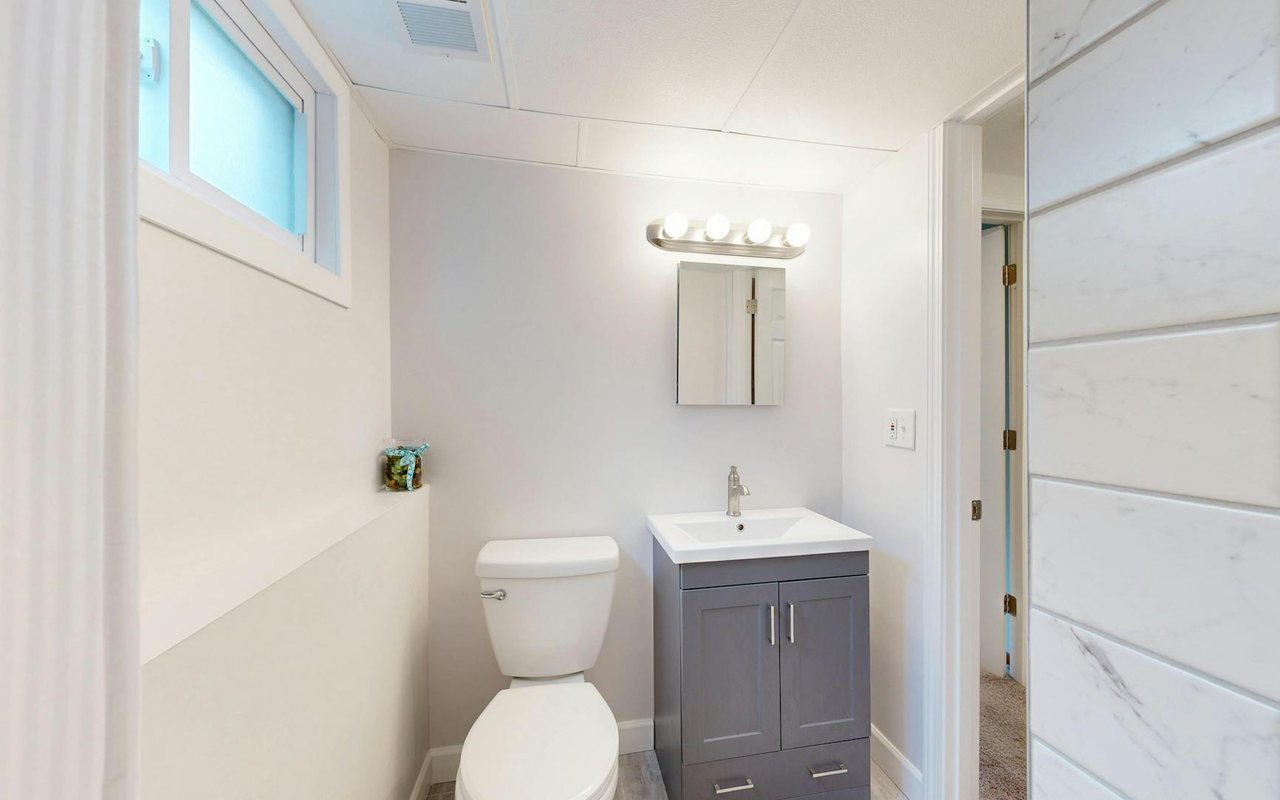
Small Bathroom Renovation: Ideas to Maximize Space
Smart design solutions and renovation ideas for small bathrooms in Spain, with space-saving fixtures, storage solutions, and real cost estimates.
Read article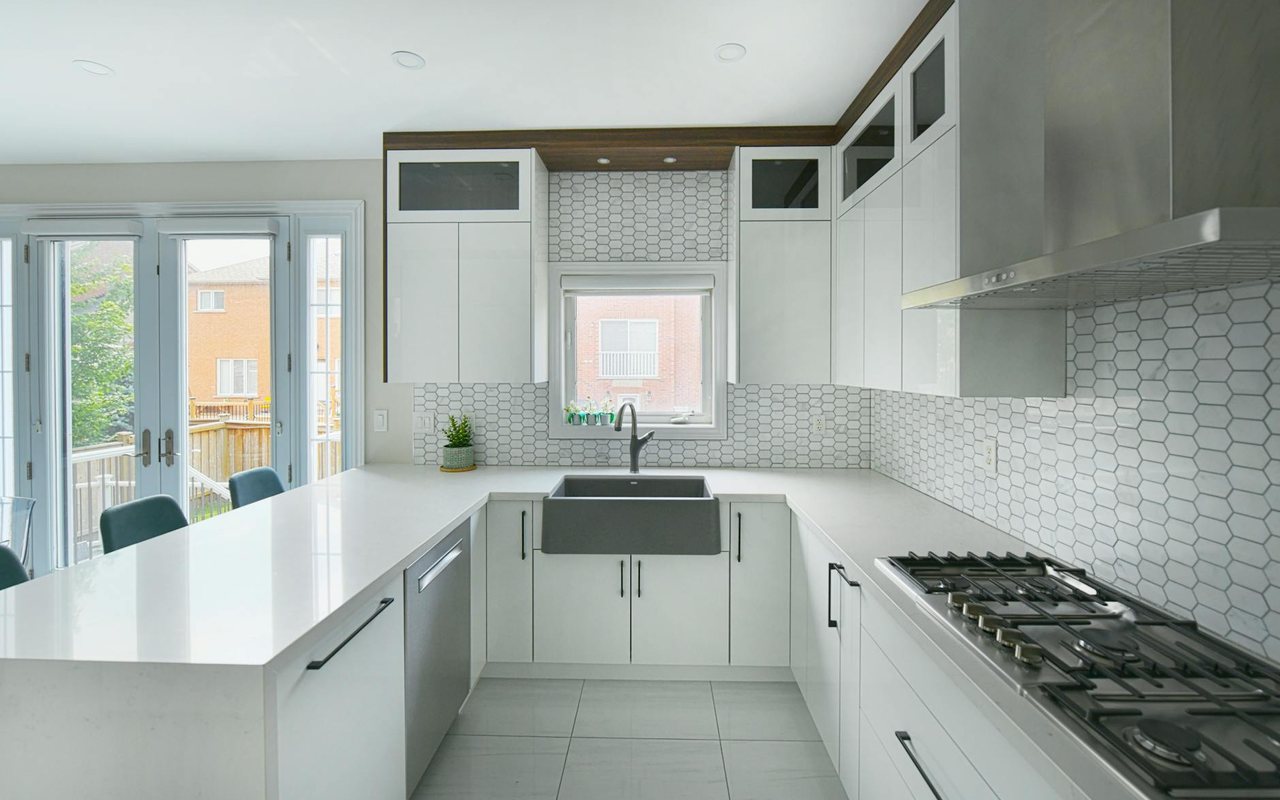
Open-Concept Kitchen: Trends, Costs, and What to Know
Everything you need to know about creating an open-concept kitchen in Spain: current trends, realistic costs, structural considerations, and design inspiration.
Read article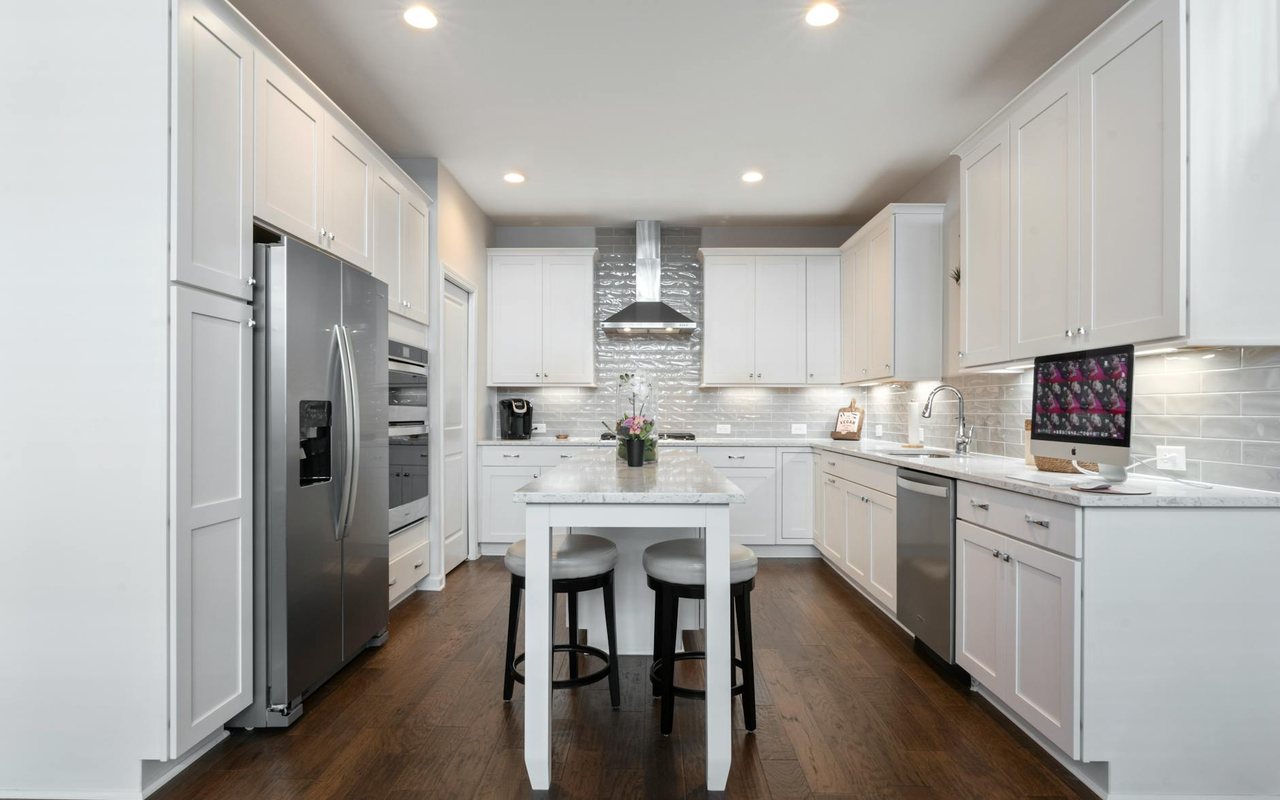
Kitchen Renovation: Complete Budget Guide
Everything you need to know about kitchen renovation costs in Spain, from cabinet options to appliance upgrades, with real pricing data for 2026.
Read articleFrequently Asked Questions

How much does it cost to replace kitchen plumbing?
The average cost to replace kitchen plumbing in Spain ranges from 800€ to 2.500€, depending on the complexity of the work and materials used. If you only need to change faucets or make minor repairs, the price can be around 200€-400€, while a complete renovation with new pipes, drains, and main water line connection can reach 3.000€-4.000€. Prices vary significantly depending on the region and whether it requires removing tiles or flooring.
How long does kitchen plumbing replacement take?
A complete kitchen plumbing installation typically takes between 3 to 7 working days, depending on the scope of the work. If you only need to change pipes and connections without structural work, it can be done in 2-3 days. If you need to remove tiles, flooring, or install a new main water line, the time can extend up to 2 weeks including additional tasks.
What exactly is included in kitchen plumbing replacement?
The typical service includes installation of new hot and cold water pipes, placement of shutoff valves, installation of drains and traps, and faucet connection. More comprehensive projects also include main water line connection from the meter, pipe installation under floors or ceilings according to regulations, and pipe sealing. Supplementary work such as tile removal, auxiliary plumbing, or finishing work may have additional costs.
Do I need permits or licenses to replace kitchen plumbing?
For minor plumbing changes within the kitchen, you generally don't need a building permit, but you must comply with interior installation regulations. However, if the work involves changes to the main water line or requires breaking structures, you must obtain a permit from your local council and hire a licensed certified plumber. It's recommended to consult with the plumber or your municipality before starting the work.
How do I choose the best plumber for my kitchen plumbing replacement?
Look for licensed plumbers with verified experience, requesting at least 3 detailed quotes for comparison. Ensure they offer warranties on materials (minimum 2 years) and labor, and that they use quality certified pipes such as copper or PEX. Check reviews on specialized platforms and make sure the professional respects deadlines and has current liability insurance.
Got more questions? Contact us!
Got more questions? Contact us!
Frequently Asked Questions
How much does it cost to replace kitchen plumbing?
The average cost to replace kitchen plumbing in Spain ranges from 800€ to 2.500€, depending on the complexity of the work and materials used. If you only need to change faucets or make minor repairs, the price can be around 200€-400€, while a complete renovation with new pipes, drains, and main water line connection can reach 3.000€-4.000€. Prices vary significantly depending on the region and whether it requires removing tiles or flooring.
How long does kitchen plumbing replacement take?
A complete kitchen plumbing installation typically takes between 3 to 7 working days, depending on the scope of the work. If you only need to change pipes and connections without structural work, it can be done in 2-3 days. If you need to remove tiles, flooring, or install a new main water line, the time can extend up to 2 weeks including additional tasks.
What exactly is included in kitchen plumbing replacement?
The typical service includes installation of new hot and cold water pipes, placement of shutoff valves, installation of drains and traps, and faucet connection. More comprehensive projects also include main water line connection from the meter, pipe installation under floors or ceilings according to regulations, and pipe sealing. Supplementary work such as tile removal, auxiliary plumbing, or finishing work may have additional costs.
Do I need permits or licenses to replace kitchen plumbing?
For minor plumbing changes within the kitchen, you generally don't need a building permit, but you must comply with interior installation regulations. However, if the work involves changes to the main water line or requires breaking structures, you must obtain a permit from your local council and hire a licensed certified plumber. It's recommended to consult with the plumber or your municipality before starting the work.
How do I choose the best plumber for my kitchen plumbing replacement?
Look for licensed plumbers with verified experience, requesting at least 3 detailed quotes for comparison. Ensure they offer warranties on materials (minimum 2 years) and labor, and that they use quality certified pipes such as copper or PEX. Check reviews on specialized platforms and make sure the professional respects deadlines and has current liability insurance.