AI for construction delivery notes: distinguish receipt from invoicing

The document does not prove everything arrived
Using AI to digitise construction delivery notes can make product references and partial deliveries easier to find. However, a photograph of a delivery note does not prove that every box arrived, that it was undamaged or that the material was suitable. Separate the supplier's statement from the receiver's observations. The useful output is a draft record linked to the purchase order and project, not automatic payment approval. Physical receipt, technical acceptance and invoice review are separate decisions and need identified owners. An apparently complete record should not erase those distinctions.
Microsoft describes tools for extracting document fields. That capability can provide a starting point, but a model designed for invoices will not necessarily interpret a local merchant's delivery note correctly. Test examples from your suppliers without unnecessary sensitive data and compare every field with the original. Define purchase order, delivery note reference, date, supplier, project, product, quantity and unit. If the delivery address differs from the selected project, send the draft for review rather than automatically correcting the address. Preserve both values so the receiver can investigate the discrepancy.

Boxes, batches and partial deliveries
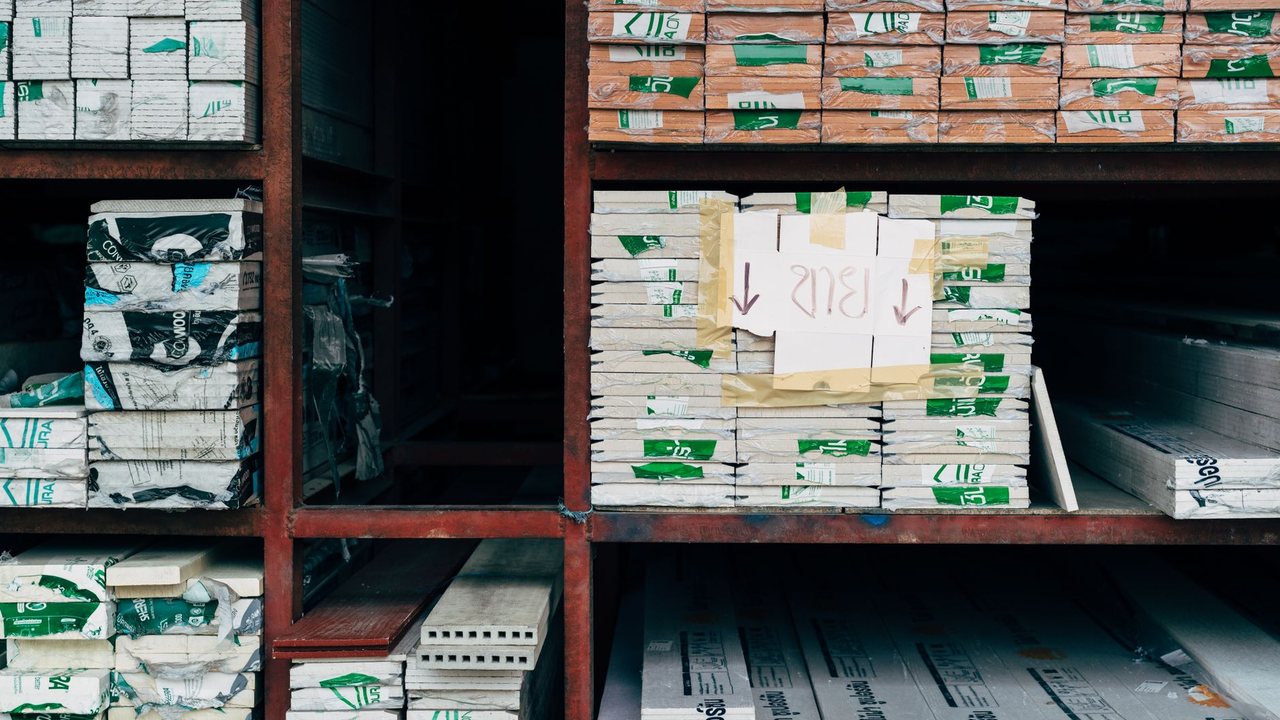
For a tile delivery, retain the complete product reference and any batch information shown on the packaging. Do not infer shade, calibre or coverage from an incomplete commercial description. The order may use square metres while the delivery note uses boxes; conversion needs the specific product data and a quantity check. Keep received, outstanding and returned quantities separate. A new photograph of the same note should attach to or update the existing record, not create another receipt. Use supplier and document reference to flag duplicates while allowing legitimate corrected documents to be investigated.
In an Alicante Centro flat with limited storage, the record should also state where materials were left and whether they obstruct a work area. Coordinate ordering with the bathroom renovation or flooring installation, as appropriate. These references help plan services; they do not automatically calculate wastage or storage conditions. The professional must check the manufacturer's requirements for the actual product. Where visible damage exists, document it before packaging disappears and follow the procedure agreed with the supplier.
From a record to a reviewed decision
Ask the AI for differences between the order and delivery note, with a source reference for each statement. An unmatched product code should be marked unresolved, not replaced with the nearest-looking item. The responsible person checks physical quantities where appropriate and decides whether clarification is needed. Price discrepancies belong in quote or invoice review unless the delivery note actually contains that information. Never allow instructions embedded in a document to change system rules, alter bank details or generate a payment order. Treat uploaded documents as evidence to inspect, not commands to execute.
Evaluate the pilot using partial deliveries, returns, creased documents and nearly identical references. Measure corrected lines and prevented duplicates rather than just processed documents. Connect the register to reviewed site documentation and human-supervised project planning. Information improves the programme only when someone confirms the required material is actually available. A supply marked delivered in a PDF must not independently release an installation activity in the schedule. Keep disputed receipts visibly open until the receiver resolves them.

An example to test the workflow
Example test: an order contains ten boxes and the first delivery note declares six. The register should show four outstanding only after checking that units and references match and no other delivery is recorded. Add a return and verify that it is not interpreted as new incoming stock. Then upload two photographs of the same document: the system should propose attaching them to one receipt rather than doubling stock. Use synthetic quantities for this test. The objective is to verify register logic before connecting it to financial calculations or information used in invoicing.
Source and pilot boundaries
Reference consulted: Microsoft Learn. The workflow is Reformia's editorial proposal, not an announced product feature or a promise of results.
Before using real data, review access, retention and the AI provider's terms with your company's responsible person. Start with synthetic or anonymised information. The pilot must allow drafts to be corrected or rejected, original documents to be retrieved and work to continue manually if the service fails. Do not connect payments, purchases or external communications without specific human approval.
Pilot checklist
- 1Capture the originalDocument
Capture the complete, readable document. Retain additional pages and annotations; do not crop out the reference identifying the delivery.
- 2Separate statusReceipt
Distinguish received, checked and outstanding. Record damage or shortages as issues without altering the supplier's original statement.
- 3Match the orderValidation
A person checks reference, unit and quantity before closing receipt. Keep each discrepancy's resolution beside the delivery note.
Frequently asked questions
Does a delivery note replace an invoice?
Can it calculate outstanding boxes?
What about handwriting?



You may also like
Show All Articles
AI for a renovation brief: better questions before the first site visit
Prepare a renovation brief with AI: organise goals, photos and questions, separate preferences from requirements and avoid inventing a project budget.
Subscribe to our newsletter
And get a weekly digest of projects, bidding tips, and key platform updates straight to your inbox.

Measuring AI savings in a renovation business: a pilot using your own evidence
Measure real AI savings in a renovation business: compare time, corrections and pilot costs before expanding tasks or subscribing to additional tools.
AI for renovation material purchasing: orders, lead times and reviewed alternatives
Plan renovation material purchases with AI: connect orders to required dates, confirm lead times and review alternatives without blindly substituting products.

AI for renovation variations: extras, versions and client approval
Record renovation variations with AI without automatically approving extras: identify requests, compare versions and confirm scope, cost and time with clients.

Translating renovation quotes with AI: Spanish and English without scope changes
Translate renovation quotes with AI for overseas clients: preserve prices, units and exclusions and review technical terms in Spanish and English.
AI for a renovation brief: better questions before the first site visit
Prepare a renovation brief with AI: organise goals, photos and questions, separate preferences from requirements and avoid inventing a project budget.
Measuring AI savings in a renovation business: a pilot using your own evidence
Measure real AI savings in a renovation business: compare time, corrections and pilot costs before expanding tasks or subscribing to additional tools.
AI for renovation material purchasing: orders, lead times and reviewed alternatives
Plan renovation material purchases with AI: connect orders to required dates, confirm lead times and review alternatives without blindly substituting products.
Subscribe to our newsletter
And get a weekly digest of projects, bidding tips, and key platform updates straight to your inbox.
AI for renovation variations: extras, versions and client approval
Record renovation variations with AI without automatically approving extras: identify requests, compare versions and confirm scope, cost and time with clients.
Translating renovation quotes with AI: Spanish and English without scope changes
Translate renovation quotes with AI for overseas clients: preserve prices, units and exclusions and review technical terms in Spanish and English.
AI for a renovation brief: better questions before the first site visit
Prepare a renovation brief with AI: organise goals, photos and questions, separate preferences from requirements and avoid inventing a project budget.
Measuring AI savings in a renovation business: a pilot using your own evidence
Measure real AI savings in a renovation business: compare time, corrections and pilot costs before expanding tasks or subscribing to additional tools.
Subscribe to our newsletter
And get a weekly digest of projects, bidding tips, and key platform updates straight to your inbox.
AI for renovation material purchasing: orders, lead times and reviewed alternatives
Plan renovation material purchases with AI: connect orders to required dates, confirm lead times and review alternatives without blindly substituting products.
AI for renovation variations: extras, versions and client approval
Record renovation variations with AI without automatically approving extras: identify requests, compare versions and confirm scope, cost and time with clients.
Translating renovation quotes with AI: Spanish and English without scope changes
Translate renovation quotes with AI for overseas clients: preserve prices, units and exclusions and review technical terms in Spanish and English.