
Applying Plaster: Price and Quotes
The cost of applying plaster can vary by region and professional hired, but generally the price per square meter is between 5 € and 20 € approximately.
Amounts are indicative and sourced from the original imported guide. Final budget depends on scope, materials, and prior condition of the space.
Last reviewed
August 2026
Edited by: Luis Rodenas
Pricing method
Indicative ranges are compared by scope, measurements, materials, labour, permits, VAT and contingency.
Alicante context
Confirm access, community rules, salt-air exposure and municipal requirements before accepting a quote.
Service Levels and Pricing
Compare the different options available based on your budget and plaster work needs.
Basic
Plaster work on small surfaces or spot repairs. Ideal for localized fixes and simple finishes without special treatments.
Standard
Complete plaster solution for residential and medium-sized commercial properties. Includes professional preparation and superior quality finishes.
Premium
High-end plaster work with specialized finishes and luxury materials. Perfect for large projects, decorative work, or specific technical requirements.
Share your project details and get free contact with professionals who work on similar projects.
Plastering prices
See what homeowners usually pay for the most common tasks. Use these ranges to fine-tune your scope and avoid missing key items in your budget.
Plaster entire home
3,000€
Plaster ceilings
1,000€
Plaster walls
500€
Plaster to remove popcorn ceiling
1,800€
Plaster over tiled walls
400€
Steps for plastering a wall with Reformia
The price of applying plaster can vary from one Autonomous Community to another and depending on the professional hired, but generally speaking, the price per square meter can be considered to be between 5€ and 20€ approximately.
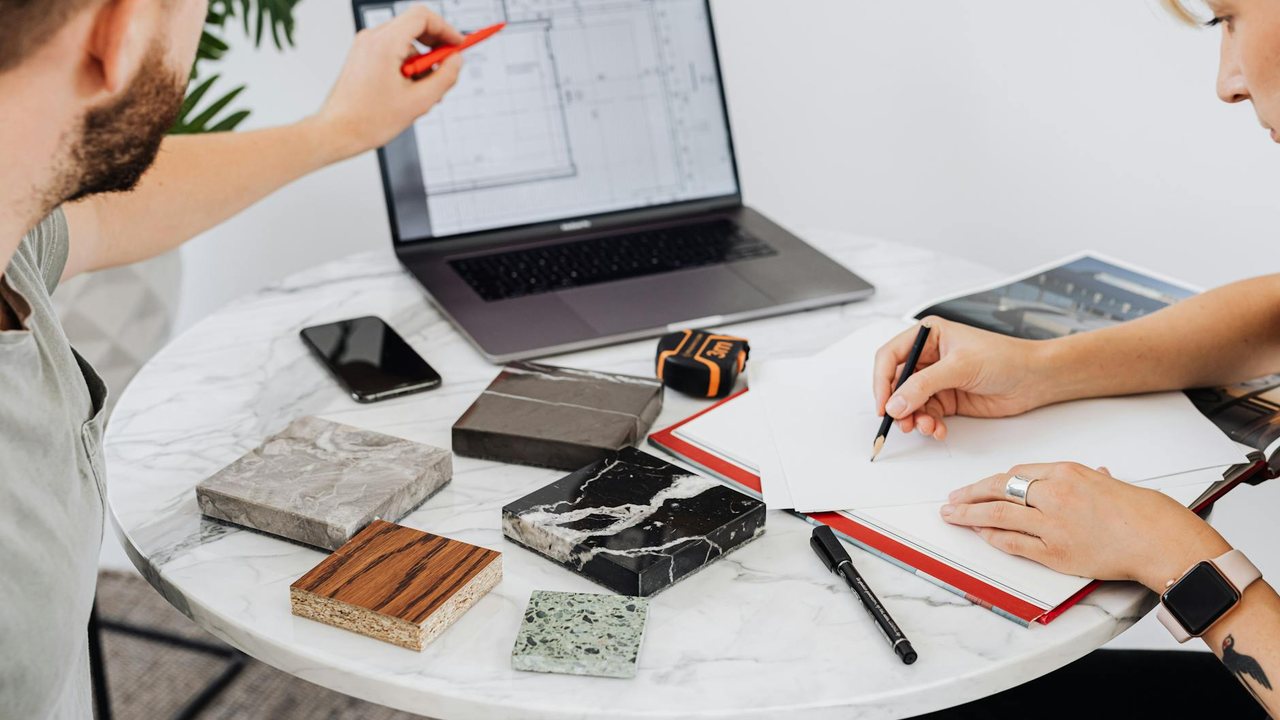
1. Surface preparation: The first thing to do when plastering a wall is to prepare the area beforehand. This involves removing any remains of old material and leaving the surface as clear and clean as possible. It is recommended to finish with sanding the wall, which is the final part of surface preparation, before cleaning any residual old plaster with a damp sponge or cloth.
Surface preparation is essential for quality plastering work. Remove all old material, thoroughly clean the surface, and sand it properly so the plaster adheres correctly. This initial step directly impacts the final finish quality, whether your project is a basic budget from 800 € or a premium option up to 3,500 €.
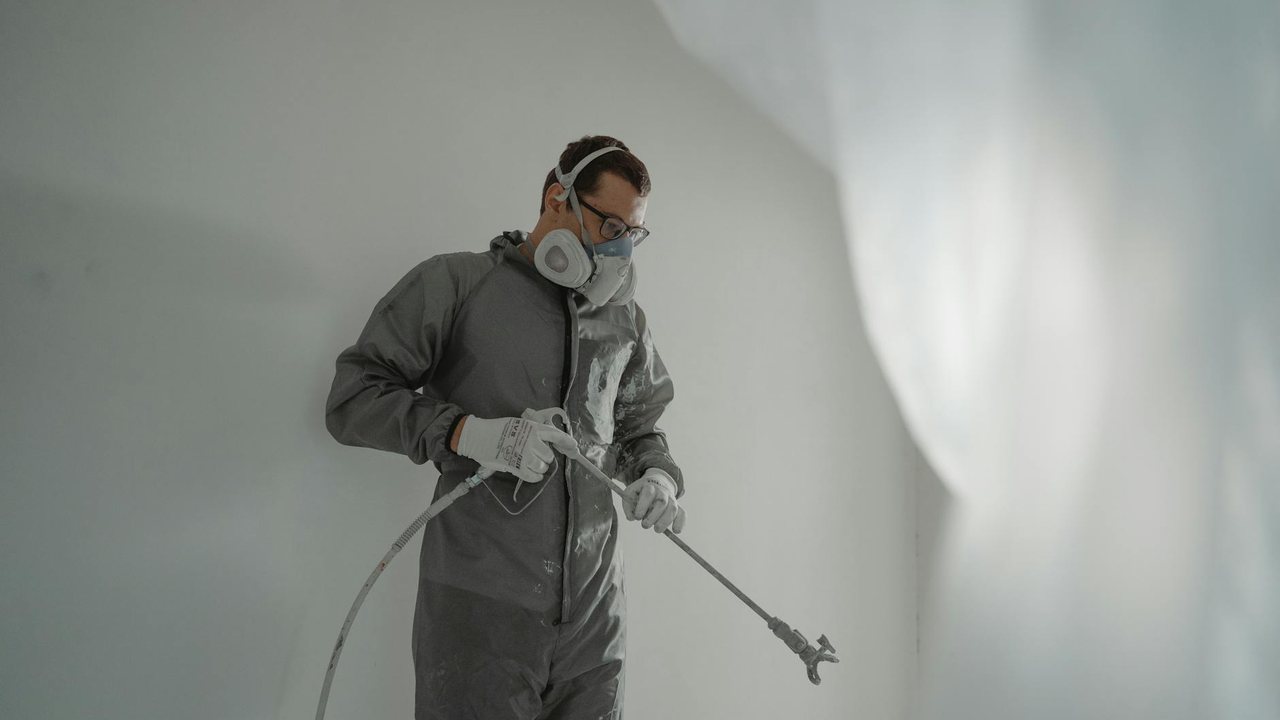
2. Adhesion layer: Before beginning to apply the plaster itself, a primer or adhesion layer will be applied first. This layer allows the plaster to adhere much more effectively to the wall and prevents it from peeling or cracking. You can use a product specifically formulated for this purpose, which can be found in any hardware store, or a mixture combining white glue with water. In either case, you must wait for the layer to dry completely before proceeding with plaster application.
Apply a primer or adhesion layer before plastering to ensure better material fixation to the wall. You can use a commercial product or a white glue and water mixture. Allow this layer to dry completely—a step professionals include in standard budgets ranging from 1,500 € to 2,500 €.

3. Applying the plaster: Third, once the adhesion layer is dry, the plaster is applied in thin layers that must cover the entire surface. After finishing each layer, it must be scored. This involves 'scratching' the outer layer with a special comb that allows the next layer to adhere more easily. Between each layer, you must wait for the previous one to dry.
Apply plaster in thin, uniform layers covering the entire surface. After each layer, use a special comb to scratch it, which helps the next layer adhere better. For jobs like ceiling plastering (900 €) or complete walls (1,200 €), this process requires patience and allowing each layer to dry between applications.
The price of applying plaster can vary from one Autonomous Community to another and depending on the professional hired, but generally speaking, the price per square meter can be considered to be between 5€ and 20€ approximately.
What is usually included in a quote
Each professional may structure quotes differently, but most project budgets follow this logic.
Typically included
Often not included
Steps for plastering a wall
The price of applying plaster can vary from one Autonomous Community to another and depending on the professional hired, but generally speaking, the price per square meter can be considered to be between 5€ and 20€ approximately.
1. Surface preparation: The first thing to do when plastering a wall is to prepare the area beforehand. This involves removing any remains of old material and leaving the surface as clear and clean as possible. It is recommended to finish with sanding the wall, which is the final part of surface preparation, before cleaning any residual old plaster with a damp sponge or cloth.
Surface preparation is essential for quality plastering work. Remove all old material, thoroughly clean the surface, and sand it properly so the plaster adheres correctly. This initial step directly impacts the final finish quality, whether your project is a basic budget from 800 € or a premium option up to 3,500 €.
2. Adhesion layer: Before beginning to apply the plaster itself, a primer or adhesion layer will be applied first. This layer allows the plaster to adhere much more effectively to the wall and prevents it from peeling or cracking. You can use a product specifically formulated for this purpose, which can be found in any hardware store, or a mixture combining white glue with water. In either case, you must wait for the layer to dry completely before proceeding with plaster application.
Apply a primer or adhesion layer before plastering to ensure better material fixation to the wall. You can use a commercial product or a white glue and water mixture. Allow this layer to dry completely—a step professionals include in standard budgets ranging from 1,500 € to 2,500 €.
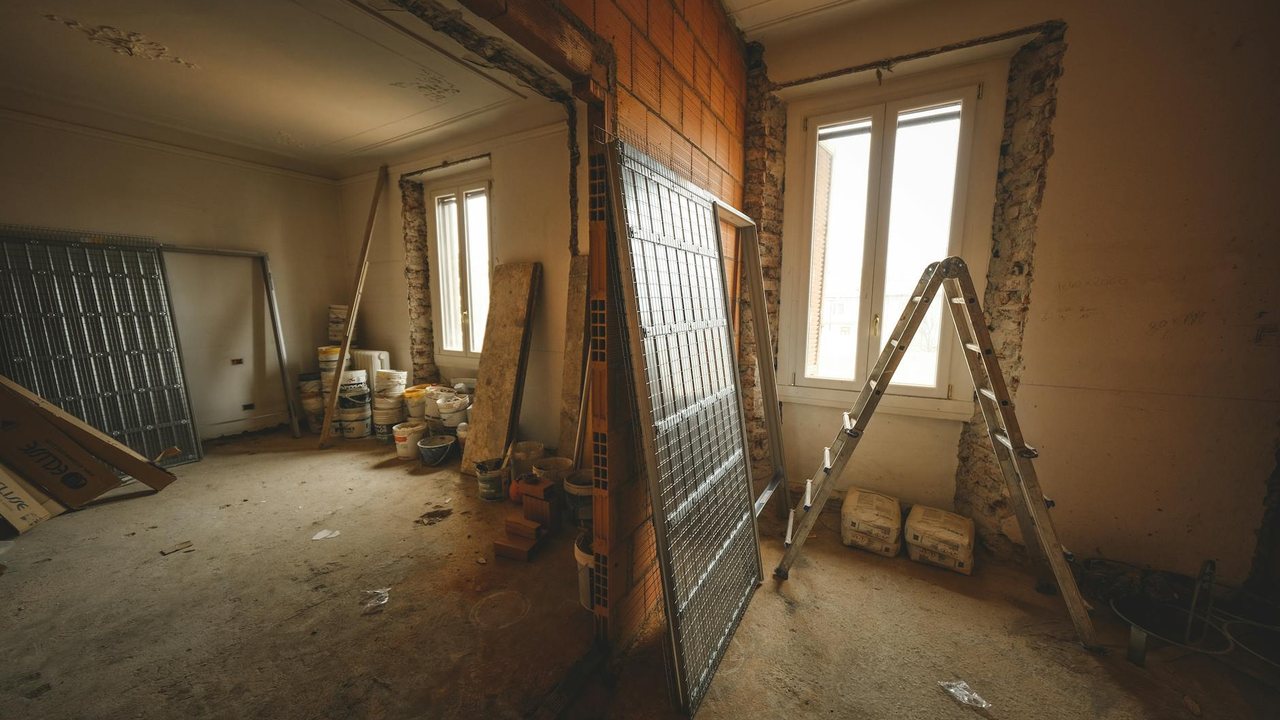
3. Applying the plaster: Third, once the adhesion layer is dry, the plaster is applied in thin layers that must cover the entire surface. After finishing each layer, it must be scored. This involves 'scratching' the outer layer with a special comb that allows the next layer to adhere more easily. Between each layer, you must wait for the previous one to dry.
Apply plaster in thin, uniform layers covering the entire surface. After each layer, use a special comb to scratch it, which helps the next layer adhere better. For jobs like ceiling plastering (900 €) or complete walls (1,200 €), this process requires patience and allowing each layer to dry between applications.
4. Final finish: The final phase of wall plastering is the finishing touch. This consists of sanding the final plaster layer (which will not have been scored) until the surface is smooth to the touch.
The final finish involves sanding the last plaster layer until the surface is smooth and uniform to the touch. This step defines the visual quality of the work and is especially important in premium projects. Jobs like removing popcorn texture with plaster (1,500 €) require a flawless finish to achieve professional results.
What can change your final price
Even similar projects can end with different budgets. These are the factors that most often push costs up or down.
Type of plaster and finish
The price varies depending on whether white plaster, gypsum plaster, or drywall systems are used, as well as the desired final finish (smooth, rustic, or decorative). More elaborate finishes require greater labor and specialized materials.
Previous wall condition
Walls in poor condition, with deep cracks or significant irregularities require more preparation and additional coats of plaster, which increases the time and total cost of the work.
Surface area to be treated
The larger the number of square meters, the higher the total budget will be, although the price per square meter may decrease slightly on large-scale projects due to economies of scale.
Geographic location and professional
Prices vary significantly between regions and depending on the plasterer's experience. Professionals with more experience and in metropolitan areas typically charge higher rates than in rural areas.
Next step
Use "Applying Plaster: Price and Quotes" to prepare a short brief before requesting quotes: current condition, must-have scope, optional upgrades, access constraints and timing. Then compare it with Plasterers price guides so each contractor proposal covers the same work.
Main types of plaster
The price of applying plaster can vary from one Autonomous Community to another and depending on the professional hired, but generally speaking, the price per square meter can be considered to be between 5€ and 20€ approximately.
This is the plaster most frequently used when covering walls or other parts of a property. It can be found as pre-mixed paste or as coarse powder to be prepared with water. This type of plaster is most recommended for carrying out larger and rougher jobs. It can serve as a base layer before finer powdered plaster is applied.
Advantages of applying plaster to walls and ceilings
The price of applying plaster can vary from one Autonomous Community to another and depending on the professional hired, but generally speaking, the price per square meter can be considered to be between 5€ and 20€ approximately.
Drywall plasterboard
It is sold in the form of panels made up of an interior structure of cardboard or cellulose sheets. It eliminates the need to prepare plaster and water; instead, the panels are placed directly on the surface to be covered. However, to conceal the joints, it is recommended to apply conventional plaster or powdered plaster to achieve a more uniform appearance.
Plaster is not in itself the best thermal and acoustic insulator available on the market, but if an additional layer is applied to both walls and ceilings, the greater thickness can improve overall insulation: both thermal and acoustic.
Quick work
Another advantage of plaster is the ease and speed of application. It is a simple material that is very easy to work with, so projects are completed quickly.
A platform built equally for homeowners and professionals
Whether you're planning a renovation or looking for your next project, Reformia gives both sides the tools to connect, compare, and collaborate with confidence.
For individuals
For professionals

Related price guides
You may also like
Painting Your Home: Costs, Types of Paint, and Pro Tips
A comprehensive guide to painting your home in Spain, covering costs per square metre, paint types, professional vs DIY, and tips for a flawless finish.
Read article
10 Most Common Renovation Mistakes (and How to Avoid Them)
Avoid the costly pitfalls that derail home renovation projects in Spain. From budget blowouts to permit problems, learn from others' mistakes.
Read articleFrequently Asked Questions
How much does plastering cost per square meter in Spain?
The average price for plastering ranges between 5€ and 20€ per square meter, though it can vary significantly depending on the region and the professional's experience. In major cities like Madrid or Barcelona, prices tend to be higher, typically around 15-20€/m², while in rural areas you can find more affordable quotes. The cost also depends on the type of plaster used, prior wall preparation, and the complexity of the work.
How long does it take for plaster to dry after application?
The drying time for plaster depends on the type and thickness of application, generally between 24 and 48 hours before sanding and painting. In conditions of high humidity or low temperatures, the process may extend to 72 hours. It's recommended to wait at least 48 hours before applying any final finish such as paint or wallpaper to ensure optimal results.
What is included in a plastering quote?
A complete quote should include surface preparation and cleaning, plaster application, final sanding, and labor costs. Some professionals include materials such as plaster, water, and tools, while others may charge separately for wall preparation with cracks or moisture issues. It's important to request detailed quotes that specify what preparatory work will be done and whether painting or final finishes are the client's responsibility.
How do I choose a good professional plasterer?
Look for registered professionals with proven experience and ask for references from previous work. Get several quotes to compare prices and scope of work, and verify that they have liability insurance. It's recommended to check reviews on specialized platforms and confirm that they use certified quality materials.
Do I need a permit or license to plaster in my home?
Interior wall plastering generally doesn't require a municipal license, as it's considered minor maintenance work. However, if it's part of a larger renovation or affects structural elements, you may need to obtain a building permit. Check with your local council before starting work, especially if you live in a condominium, as they may require prior approval.
Got more questions? Contact us!
Got more questions? Contact us!
Frequently Asked Questions
How much does plastering cost per square meter in Spain?
The average price for plastering ranges between 5€ and 20€ per square meter, though it can vary significantly depending on the region and the professional's experience. In major cities like Madrid or Barcelona, prices tend to be higher, typically around 15-20€/m², while in rural areas you can find more affordable quotes. The cost also depends on the type of plaster used, prior wall preparation, and the complexity of the work.
How long does it take for plaster to dry after application?
The drying time for plaster depends on the type and thickness of application, generally between 24 and 48 hours before sanding and painting. In conditions of high humidity or low temperatures, the process may extend to 72 hours. It's recommended to wait at least 48 hours before applying any final finish such as paint or wallpaper to ensure optimal results.
What is included in a plastering quote?
A complete quote should include surface preparation and cleaning, plaster application, final sanding, and labor costs. Some professionals include materials such as plaster, water, and tools, while others may charge separately for wall preparation with cracks or moisture issues. It's important to request detailed quotes that specify what preparatory work will be done and whether painting or final finishes are the client's responsibility.
How do I choose a good professional plasterer?
Look for registered professionals with proven experience and ask for references from previous work. Get several quotes to compare prices and scope of work, and verify that they have liability insurance. It's recommended to check reviews on specialized platforms and confirm that they use certified quality materials.
Do I need a permit or license to plaster in my home?
Interior wall plastering generally doesn't require a municipal license, as it's considered minor maintenance work. However, if it's part of a larger renovation or affects structural elements, you may need to obtain a building permit. Check with your local council before starting work, especially if you live in a condominium, as they may require prior approval.