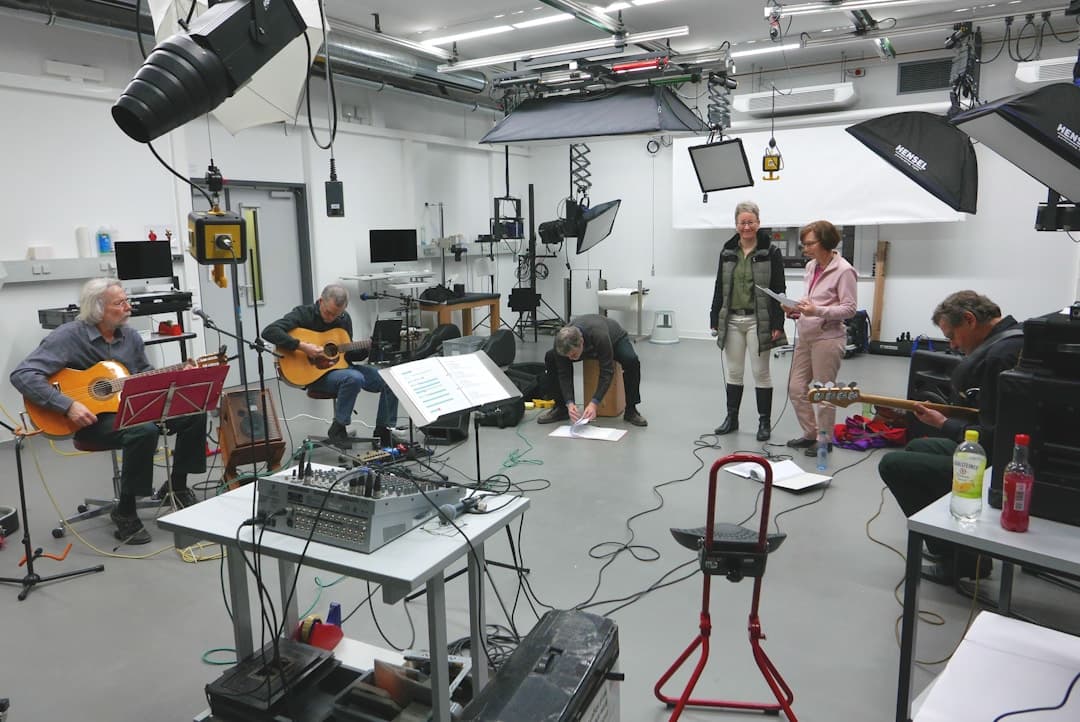
Sound System Installation in Rehearsal Space: Price and Quotes
The soundproofing and sound system installation for a rehearsal space averages 3,400 €, ranging from 800 € for basic setups to 6,000 € for complete professional systems. Costs depend on room size, equipment type (amplifiers, speakers, acoustic panels), and whether acoustic treatment is included, with typical projects falling between 1,500 € and 3,500 €. It's advisable to request quotes from multiple acoustic specialists to compare options and ensure the best value for your investment.
Amounts are indicative and sourced from the original imported guide. Final budget depends on scope, materials, and prior condition of the space.
Last reviewed
August 2026
Edited by: Luis Rodenas
Pricing method
Indicative ranges are compared by scope, measurements, materials, labour, permits, VAT and contingency.
Alicante context
Confirm access, community rules, salt-air exposure and municipal requirements before accepting a quote.
Service Levels and Pricing
Compare the different available options according to your budget and needs.
Basic
Economical solution ideal for small spaces or as a first phase of soundproofing. Includes essential acoustic treatment on walls and ceiling with entry-level materials.
Standard
More complete intermediate option that offers a good balance between insulation quality and cost. Includes higher-quality materials and comprehensive space treatment.
Premium
Professional solution of maximum quality for recording studios and demanding rehearsal spaces. Includes top-of-the-line materials and vibration isolation system.
Share your project details and get free contact with professionals who work on similar projects.
Rehearsal Room Sound System Pricing
See what homeowners usually pay for the most common tasks. Use these ranges to fine-tune your scope and avoid missing key items in your budget.
Basic sound system small room (up to 30 m²) - Entry-level equipment
Medium room sound system (30-60 m²) - Amplification and speakers
Large room sound system (60-100 m²) - Complete professional system
Acoustic treatment + sound system (wall insulation)
Acoustic panel installation and monitoring system
Structured cabling and sound equipment installation point
Steps to soundproof a rehearsal space with Reformia
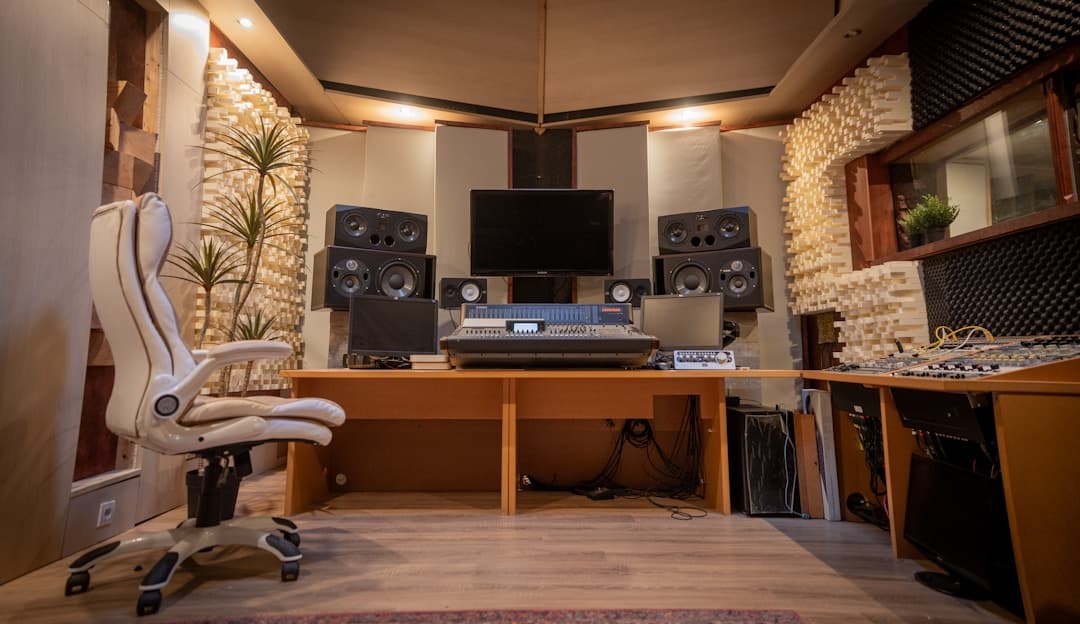
Sound system installation in rehearsal spaces involves setting up professional audio equipment.

1. Assess the current noise level
Before soundproofing your rehearsal space, it's essential to measure the current noise level to determine what type of acoustic treatment you need. A professional assessment will help identify whether you require basic solutions from 800 € or more comprehensive systems. This initial evaluation is key to optimizing your investment.
2. Identify problem areas
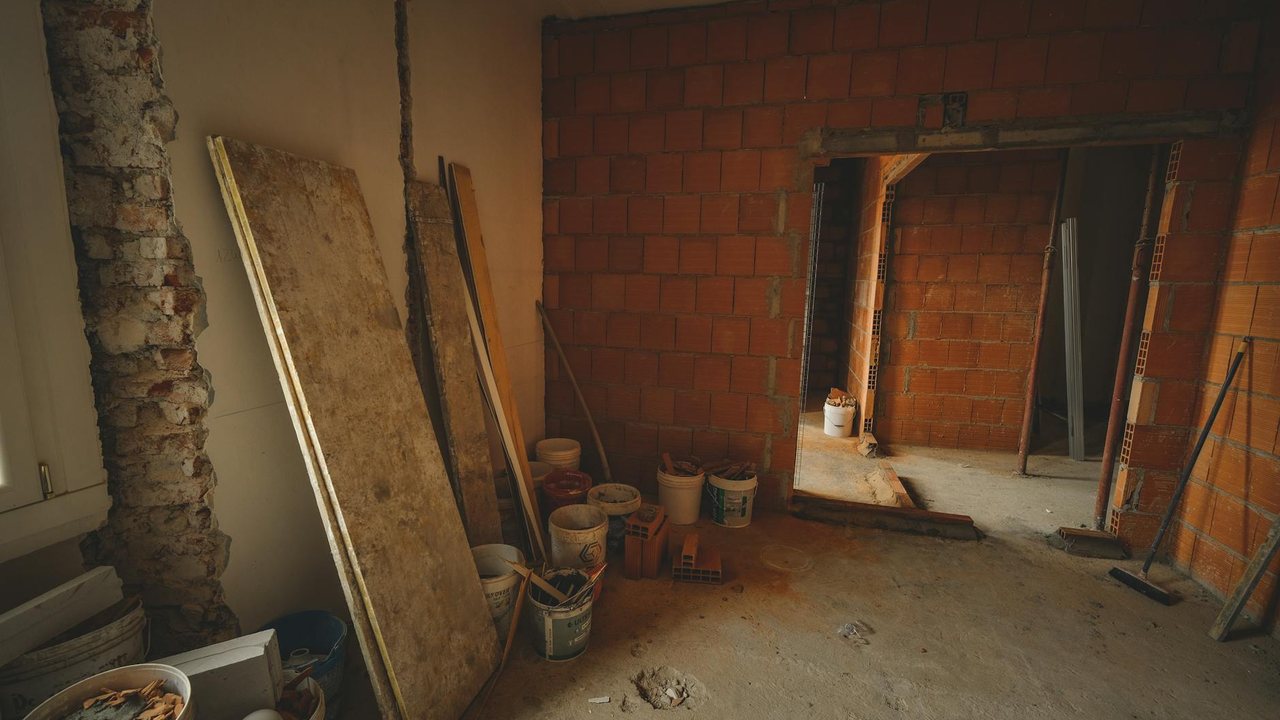
Locate where sound leaks are greatest in your rehearsal space: walls, doors, windows, or ceilings. In small spaces (up to 30 m²) with basic soundproofing at 1,200 € you can resolve specific issues, while larger venues may need complete professional systems up to 4,800 €. This identification guides your budget.

3. Select appropriate soundproofing materials
Choose between acoustic panels, special foams, or isolation systems based on your venue's characteristics. Complete acoustic treatment with wall isolation costs around 3,200 €, while acoustic panels with monitoring system are around 2,800 €. Correct selection ensures better value for money.
Sound system installation in rehearsal spaces involves setting up professional audio equipment.
What is usually included in a quote
Each professional may structure quotes differently, but most project budgets follow this logic.
Typically included
Often not included
Steps to soundproof a rehearsal space
Sound system installation in rehearsal spaces involves setting up professional audio equipment.
1. Assess the current noise level
Before soundproofing your rehearsal space, it's essential to measure the current noise level to determine what type of acoustic treatment you need. A professional assessment will help identify whether you require basic solutions from 800 € or more comprehensive systems. This initial evaluation is key to optimizing your investment.
2. Identify problem areas
Locate where sound leaks are greatest in your rehearsal space: walls, doors, windows, or ceilings. In small spaces (up to 30 m²) with basic soundproofing at 1,200 € you can resolve specific issues, while larger venues may need complete professional systems up to 4,800 €. This identification guides your budget.
3. Select appropriate soundproofing materials
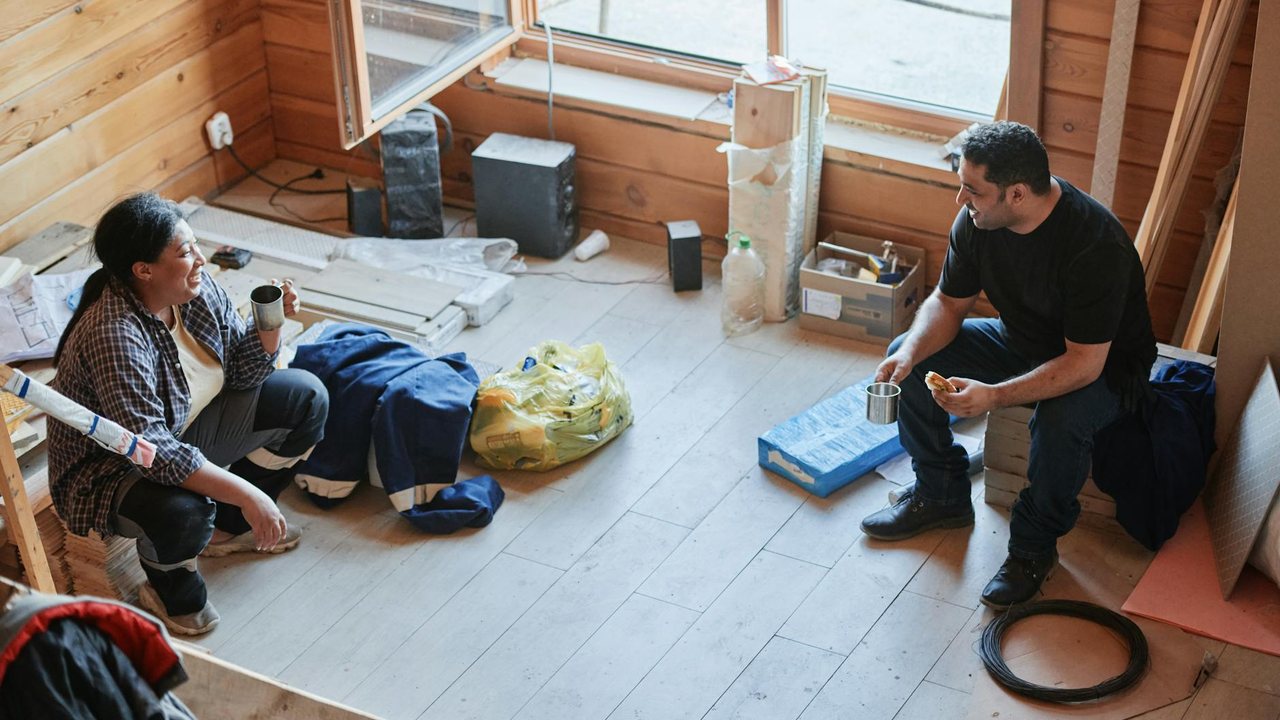
Choose between acoustic panels, special foams, or isolation systems based on your venue's characteristics. Complete acoustic treatment with wall isolation costs around 3,200 €, while acoustic panels with monitoring system are around 2,800 €. Correct selection ensures better value for money.
4. Get quotes from specialized professionals
Request detailed quotes from installers specializing in rehearsal space soundproofing. Prices range from 800 € for basic wiring to 4,800 € for complete professional systems. Ask them to include materials, labor, and warranty to compare offers fairly.
What can change your final price
Even similar projects can end with different budgets. These are the factors that most often push costs up or down.
Size and volume of the space
The price varies significantly depending on the square meters and ceiling height of the space. A larger space requires more insulation material and a greater amount of installation work.
Required level of acoustic insulation
Whether you need mild noise reduction or complete professional soundproofing directly influences the type and thickness of materials to be used. Greater insulation implies additional layers and higher-quality products.
Current condition of the space and accessibility
Walls, ceilings, and floors in good condition facilitate installation. If prior damage needs repair or access is difficult, the time and labor costs will increase.
Type of insulation material chosen
Options include rock wool, acoustic foam, cork panels, or mixed systems. Premium materials and higher-density products have a higher market cost.
Next step
Use "Sound System Installation in Rehearsal Space: Price and Quotes" to prepare a short brief before requesting quotes: current condition, must-have scope, optional upgrades, access constraints and timing. Then compare it with Soundproofing price guides so each contractor proposal covers the same work.
General Information
Sound system installation in rehearsal spaces involves setting up professional audio equipment.
Soundproofing a rehearsal space is essential to ensure good sound quality and avoid disturbing neighbors. This service includes the installation of acoustic materials such as foam panels, rock wool, acoustic curtains, and insulation systems on walls, ceilings, and doors. Prices vary significantly depending on the size of the space, the level of insulation required, and the materials chosen.
General Information
Sound system installation in rehearsal spaces involves setting up professional audio equipment.
A well-soundproofed rehearsal space allows musicians and artists to work without time restrictions, improves recording quality, and significantly reduces noise transmission to adjacent spaces. Investment in soundproofing is especially important in densely populated urban areas, where neighbor complaints can result in fines or closure of the venue.
In Spain, the average cost of soundproofing a rehearsal space ranges between 800 € and 5,000 €, depending on factors such as the surface area to be treated, the type of existing construction, and the desired level of noise reduction. It is recommended to request quotes from several specialized professionals to compare available options and materials on the market.
A platform built equally for homeowners and professionals
Whether you're planning a renovation or looking for your next project, Reformia gives both sides the tools to connect, compare, and collaborate with confidence.
For individuals
For professionals


You may also like

Deep home renovation in Spain: what counts and when it pays off
What counts as deep renovation, when it makes sense to bundle insulation, windows, HVAC and accessibility work, and how to avoid an underpowered retrofit.
Read article
10 Most Common Renovation Mistakes (and How to Avoid Them)
Avoid the costly pitfalls that derail home renovation projects in Spain. From budget blowouts to permit problems, learn from others' mistakes.
Read articleFrequently Asked Questions
How long does it take to soundproof a rehearsal space?
Execution time depends on the scope of the project. Basic soundproofing of a small space (15-20 m²) can be completed in 2-3 days. A standard project in a medium-sized space (30-50 m²) typically requires 5-7 days, while premium projects or in larger spaces can extend up to 10-15 days. This timeframe includes preparation, material installation, and final finishing.
What is the difference between acoustic foam and rock wool?
Acoustic foam is more economical, lightweight, and easy to install, but offers lower acoustic insulation and is less fire-resistant. Rock wool is more expensive and heavier, but provides better thermal and acoustic insulation, has better fire behavior, and is more durable. For professional rehearsal spaces, rock wool is recommended, while foam is sufficient for occasional use or very small spaces.
Is it mandatory to hire a professional or can I do it myself?
Although some basic tasks such as panel installation can be done without previous experience, it is recommended to hire a specialized professional. An acoustics expert can perform preliminary measurements, calculate the exact materials needed, and guarantee optimal results. Additionally, professionals know current regulations and can avoid costly mistakes that require later corrections.
What level of noise reduction can realistically be achieved?
Basic soundproofing achieves 10-15 decibels of reduction, sufficient to noticeably reduce volume but not completely eliminate noise. A standard solution achieves 20-30 decibels of reduction, allowing music practice at normal volumes without excessive disturbance. Premium solutions can achieve 35-45 decibels of reduction, practically eliminating noise transmitted to adjacent spaces. Exact reduction will depend on the type of sound (bass penetrates more than treble).
Do I need acoustic treatment on the floor as well?
Yes, especially if there are spaces below the space. Low frequencies easily travel through the floor. For complete insulation, it is recommended to install floating floor or thick acoustic carpet. In basic budgets, it can be omitted if the space is on the ground floor, but in standard and premium solutions it is practically essential to achieve good insulation results.
Got more questions? Contact us!
Got more questions? Contact us!
Frequently Asked Questions
How long does it take to soundproof a rehearsal space?
Execution time depends on the scope of the project. Basic soundproofing of a small space (15-20 m²) can be completed in 2-3 days. A standard project in a medium-sized space (30-50 m²) typically requires 5-7 days, while premium projects or in larger spaces can extend up to 10-15 days. This timeframe includes preparation, material installation, and final finishing.
What is the difference between acoustic foam and rock wool?
Acoustic foam is more economical, lightweight, and easy to install, but offers lower acoustic insulation and is less fire-resistant. Rock wool is more expensive and heavier, but provides better thermal and acoustic insulation, has better fire behavior, and is more durable. For professional rehearsal spaces, rock wool is recommended, while foam is sufficient for occasional use or very small spaces.
Is it mandatory to hire a professional or can I do it myself?
Although some basic tasks such as panel installation can be done without previous experience, it is recommended to hire a specialized professional. An acoustics expert can perform preliminary measurements, calculate the exact materials needed, and guarantee optimal results. Additionally, professionals know current regulations and can avoid costly mistakes that require later corrections.
What level of noise reduction can realistically be achieved?
Basic soundproofing achieves 10-15 decibels of reduction, sufficient to noticeably reduce volume but not completely eliminate noise. A standard solution achieves 20-30 decibels of reduction, allowing music practice at normal volumes without excessive disturbance. Premium solutions can achieve 35-45 decibels of reduction, practically eliminating noise transmitted to adjacent spaces. Exact reduction will depend on the type of sound (bass penetrates more than treble).
Do I need acoustic treatment on the floor as well?
Yes, especially if there are spaces below the space. Low frequencies easily travel through the floor. For complete insulation, it is recommended to install floating floor or thick acoustic carpet. In basic budgets, it can be omitted if the space is on the ground floor, but in standard and premium solutions it is practically essential to achieve good insulation results.