How Much Does It Cost to Change Bathroom Fixtures?
Proper installation is key so that fixtures work without problems. In addition, you should keep in mind that the Building Technical Code includes requirements regarding health and water drainage that must be respected.
The amounts are indicative and come from the imported original guide. The final budget depends on the scope, materials, and previous condition of the space.
Last reviewed
August 2026
Edited by: Gabriel Martín
Pricing method
Indicative ranges are compared by scope, measurements, materials, labour, permits, VAT and contingency.
Alicante context
Confirm access, community rules, salt-air exposure and municipal requirements before accepting a quote.
Service Levels and Pricing
Compare the different options available based on your budget and needs for replacing bathroom fixtures.
Basic
Standard bathroom fixture replacement with budget-friendly models. Includes removal of the old fixture and installation of the new one with basic connections.
Standard
Complete bathroom fixture replacement with mid-range models and quality finishes. Includes pipe adaptation and full compliance with the Building Technical Code.
Premium
Complete bathroom fixture renovation with high-end products, custom design, and professional finishes. Includes design consultation and premium quality materials.
Share your project details and get free contact with professionals who work on similar projects.
Price of installing bathroom fixtures
The price of changing bathroom fixtures depends on the model. As a general rule, labor for this type of service can cost between 150 € and 250 €, and even more in certain circumstances. For example, changing a toilet without a cistern costs from 200 €, and if you include the built-in cistern device, the cost rises to 300 € without installation.
Change or install toilet
Change or install sink
Relocate toilet
Change or install a bidet
Tips when choosing bathroom fixtures with Reformia
Proper installation is key for bathroom fixtures to work without problems. In addition, it is important to note that the Technical Building Code includes requirements regarding sanitation and water drainage that must be respected.

1. Sink with built-in cabinet
Storage is one of the biggest problems in a bathroom. A cabinet with a sink helps optimize space, taking advantage of all the space underneath. In addition, there are wall-mounted cabinets with great capacity that don't give a sense of large volume, making them perfect for small bathrooms.

2. Install wall-hung toilets
These types of toilets are hung from the wall, which is where the water inlet and outlet and, generally, also the tank are.
3. Is it a good idea to keep the bidet?
New toilets with built-in bidets make bidets unnecessary in many cases. By removing this element, the major advantages are that you gain space that lightens the visual feeling in the bathroom and that space can be used in other ways, such as placing an auxiliary cabinet or a larger sink cabinet.
Proper installation is key for bathroom fixtures to work without problems. In addition, it is important to note that the Technical Building Code includes requirements regarding sanitation and water drainage that must be respected.
What is usually included in a quote
Each professional may structure quotes differently, but most project budgets follow this logic.
Typically included
Often not included
Steps for Replacing Bathroom Fixtures
Proper installation is key for bathroom fixtures to work without problems. In addition, it is important to note that the Technical Building Code includes requirements regarding sanitation and water drainage that must be respected.
1. Assess the current condition of the fixtures
The plumber will inspect the condition of your current toilet, sink, and bidet to identify leaks, corrosion, or wear issues. This assessment determines if prior repairs are needed before installation, which may affect your overall budget of 100 € to 1,500 € for the complete project.
2. Choose new fixtures based on your needs
Choose new bathroom fixtures based on your budget and needs: from basic options (400 € - 700 €) to premium solutions (1,600 € - 3,000 €). Consider quality, design, and functionality; toilet replacement labor starts from 50 € and sink installation from 55 €.
3. Turn off the water supply
Before removing any fixtures, the plumber will shut off the water supply at the main valve or individual isolation valves for each element. This step is essential to prevent water leaks and ensure safety throughout the bathroom fixture replacement process.
4. Remove the existing fixtures
The old fixtures (toilet, sink, bidet) are disconnected and removed by unscrewing connections and pipes. Careful dismantling prevents damage to existing plumbing, especially if you need to relocate any element, which adds 100 € to 200 € in additional labor costs.
What can change your final price
Even similar projects can end with different budgets. These are the factors that most often push costs up or down.
Type and quantity of fixtures
The number of fixtures to replace and their type (toilet, sink, bidet, urinal) directly impacts the final budget. High-end fixtures or those with special features like dual flush systems have a higher cost.
Condition of existing installations
If it's necessary to repair damaged pipes, replace traps, or adapt water supply and drainage connections, costs increase significantly. Older homes typically require more additional work.
Installation complexity
Factors such as bathroom accessibility, the need to break tiles, drainage relocation, or work at height affect execution time and therefore the final service cost.
Materials and accessories needed
The quality of connection materials, sealants, replacement pipes, and mounting accessories vary the budget. The use of copper, PVC, or polyethylene pipes has different cost implications.
Next step
Use "How Much Does It Cost to Change Bathroom Fixtures?" to prepare a short brief before requesting quotes: current condition, must-have scope, optional upgrades, access constraints and timing. Then compare it with Plumbers price guides so each contractor proposal covers the same work.
Price of installing bathroom fixtures: explanation
Proper installation is key for bathroom fixtures to work without problems. In addition, it is important to note that the Technical Building Code includes requirements regarding sanitation and water drainage that must be respected.
The following table shows the approximate price for changing different bathroom fixtures. However, it should be noted that professionals' rates can vary greatly, so these prices may vary in a personalized quote
Factors that influence the price of changing or installing bathroom fixtures
Proper installation is key for bathroom fixtures to work without problems. In addition, it is important to note that the Technical Building Code includes requirements regarding sanitation and water drainage that must be respected.
Minimum prices:
Mineral-filled or resin fixtures: these fixtures are created from a mixture of resins and marble powder. This material has the great advantage that it can be cut and molded to taste, as in shower trays, which are the most prominent in this type, so they can be customized. In addition, they are non-slip and very resistant; they are very solid and lighter than ceramic ones, although more expensive.
At minimum, fixtures made of mineral-filled or resin (acrylic) material cost:
- Stainless steel fixtures: although it is usually used more in public bathrooms, stainless steel can also be installed in private bathrooms. This material has the peculiarity that it can be easily disinfected and is comfortable to clean, which is very important in bathrooms. In addition, it provides a very modern industrial design.
- Wall-mounted sink from 300 €. Low-tank toilet from 1,200 €; without integrated tank, from 800 €. Bathtub from 190 € for a 140x70 cm one. Urinal from 400 €.
- Wall-mounted sink from 300 €.
- Low-tank toilet from 1,200 €; without integrated tank, from 800 €.
A platform built equally for homeowners and professionals
Whether you're planning a renovation or looking for your next project, Reformia gives both sides the tools to connect, compare, and collaborate with confidence.
For individuals
For professionals

You may also like
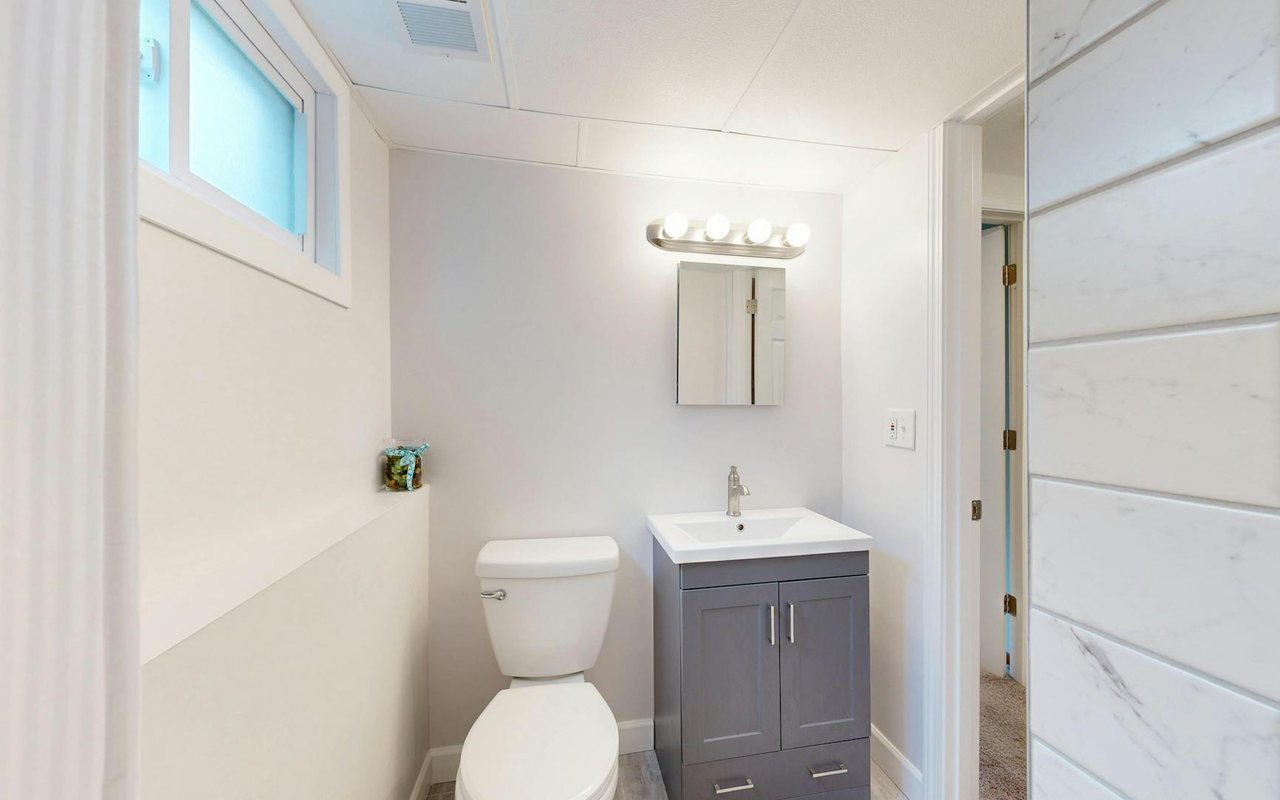
Small Bathroom Renovation: Ideas to Maximize Space
Smart design solutions and renovation ideas for small bathrooms in Spain, with space-saving fixtures, storage solutions, and real cost estimates.
Read article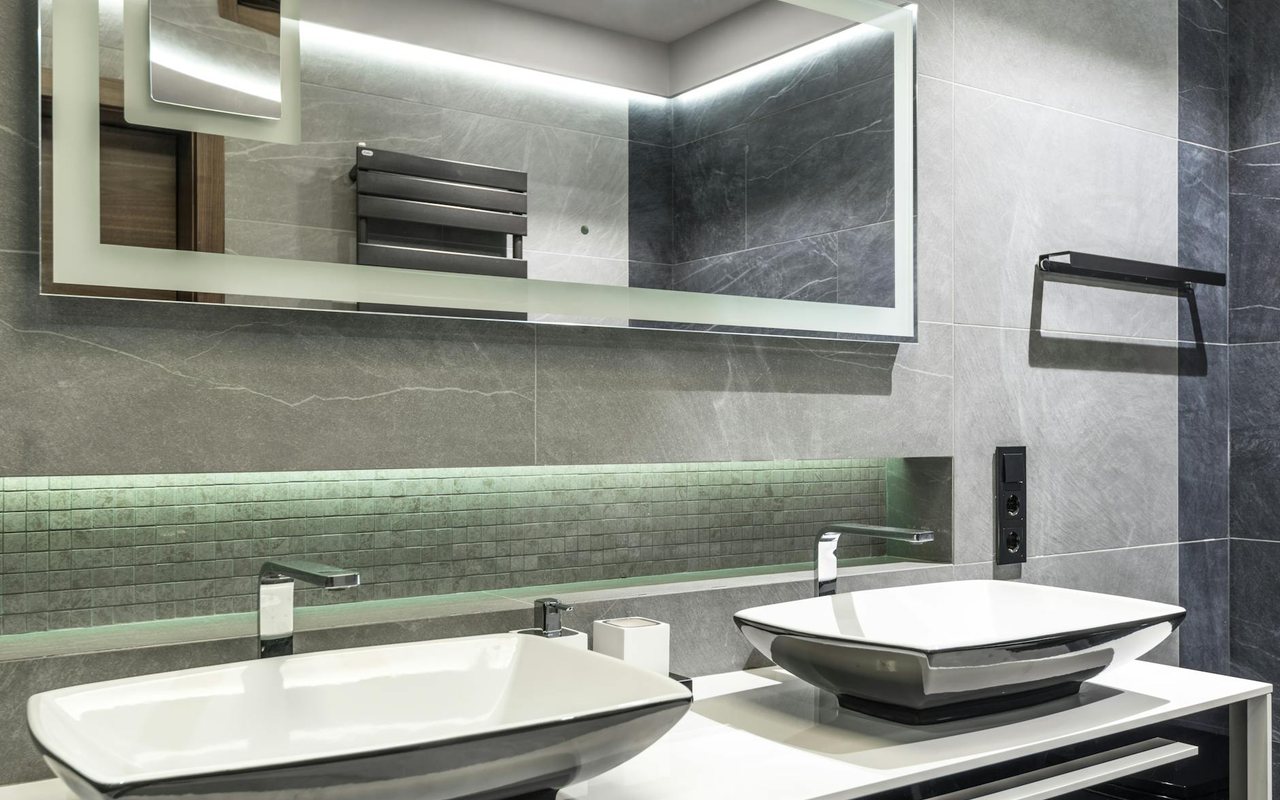
How Much Does a Bathroom Renovation Cost in Spain in 2026?
A detailed breakdown of bathroom renovation costs in Spain for 2026, covering materials, labour, and hidden expenses to help you plan your budget accurately.
Read articleFrequently Asked Questions

How much does it cost to replace bathroom fixtures in Spain?
The average price for replacing bathroom fixtures in Spain ranges from 300 to 800 euros per unit, depending on the type of fixture and installation complexity. If you need to replace several fixtures (toilet, sink, and bidet), the total cost typically falls between 1,200 to 2,500 euros including labor. High-end fixtures or those with special features can significantly increase this budget.
How long does it take to install new bathroom fixtures?
Installing a single fixture typically takes 2 to 4 hours, while replacing all bathroom fixtures can require 1 to 2 days of work. If additional plumbing work or pipe modifications are necessary, the timeline can extend to 3 or 4 days.
What is included in the price of replacing bathroom fixtures?
The installation price generally includes removal of old fixtures, installation of new ones, sealing, and basic plumbing and drainage connections. However, it typically does not include the fixture materials themselves or additional work such as wall repairs, damaged tile replacement, or pipe modifications, which are charged separately.
How do I choose a professional plumber to replace my bathroom fixtures?
It's recommended to choose a licensed plumber with documented experience and who offers a guarantee on the work performed. Request detailed quotes from several professionals, verify references from previous clients, and ensure they are registered with Social Security and have liability insurance.
Do I need permits or licenses to replace bathroom fixtures?
Simple fixture replacements without major renovation work typically do not require municipal permission, but it's important to comply with the Building Technical Code regarding sanitation and water drainage. If the renovation involves structural changes or affects shared drainage systems, consult with your local municipality to understand the specific requirements in your area.
Got more questions? Contact us!
Got more questions? Contact us!
Frequently Asked Questions
How much does it cost to replace bathroom fixtures in Spain?
The average price for replacing bathroom fixtures in Spain ranges from 300 to 800 euros per unit, depending on the type of fixture and installation complexity. If you need to replace several fixtures (toilet, sink, and bidet), the total cost typically falls between 1,200 to 2,500 euros including labor. High-end fixtures or those with special features can significantly increase this budget.
How long does it take to install new bathroom fixtures?
Installing a single fixture typically takes 2 to 4 hours, while replacing all bathroom fixtures can require 1 to 2 days of work. If additional plumbing work or pipe modifications are necessary, the timeline can extend to 3 or 4 days.
What is included in the price of replacing bathroom fixtures?
The installation price generally includes removal of old fixtures, installation of new ones, sealing, and basic plumbing and drainage connections. However, it typically does not include the fixture materials themselves or additional work such as wall repairs, damaged tile replacement, or pipe modifications, which are charged separately.
How do I choose a professional plumber to replace my bathroom fixtures?
It's recommended to choose a licensed plumber with documented experience and who offers a guarantee on the work performed. Request detailed quotes from several professionals, verify references from previous clients, and ensure they are registered with Social Security and have liability insurance.
Do I need permits or licenses to replace bathroom fixtures?
Simple fixture replacements without major renovation work typically do not require municipal permission, but it's important to comply with the Building Technical Code regarding sanitation and water drainage. If the renovation involves structural changes or affects shared drainage systems, consult with your local municipality to understand the specific requirements in your area.