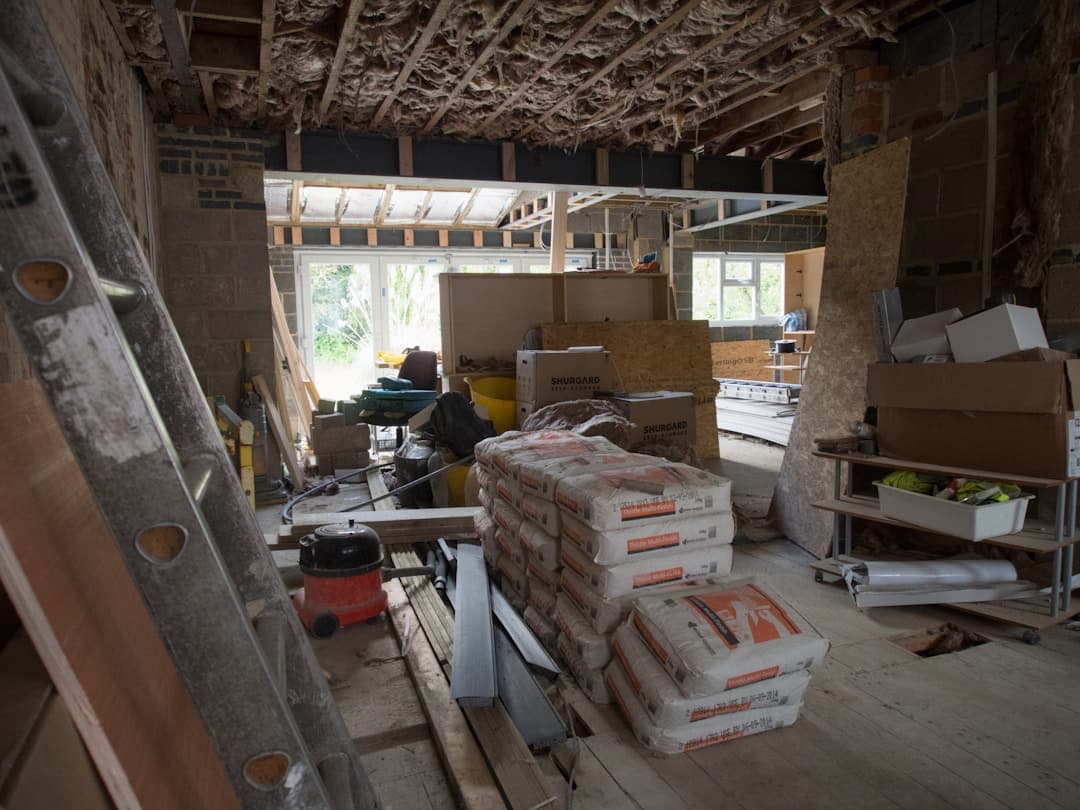
Other PVC Carpentry Work
PVC carpentry work includes various repairs and adjustments to windows and doors, with prices ranging from 300 € to 7,000 € depending on the scope of the project. The final cost depends on factors such as surface area, work complexity, and required materials, from simple frame repairs (85 €) to weatherstripping replacements (120 €) or adjustments to double-leaf windows (150 €). It is recommended to request quotes from several specialized professionals to compare options and ensure the best service. Investing in quality repairs extends the lifespan of your PVC installations and improves your home's thermal and acoustic insulation.
Last reviewed
August 2026
Pricing method
Indicative ranges are compared by scope, measurements, materials, labour, permits, VAT and contingency.
Alicante context
Confirm access, community rules, salt-air exposure and municipal requirements before accepting a quote.
Service levels and prices
Compare the different options available according to your budget and needs.
Basic
Simple PVC carpentry work such as installation of decorative moldings, small cladding or minor repairs to existing frames.
Standard
More complete projects that include wall cladding, baseboard installation in multiple rooms or replacement of interior door frames with PVC.
Premium
Comprehensive and more complex works that include extensive cladding, partial façades, closure systems or customized projects with special designs.
Share your project details and get free contact with professionals who work on similar projects.
Prices for Other PVC Carpentry Work
See what homeowners usually pay for the most common tasks. Use these ranges to fine-tune your scope and avoid missing key items in your budget.
Repair of damaged PVC door frame
Replacement of weatherstripping seal in PVC window
Repair of hinge or automatic closer on PVC door
Installation of PVC molding or caulking strip (per meter)
Adjustment and regulation of double-leaf PVC window
Replacement of glass in existing PVC frame
Steps for performing other PVC carpentry work with Reformia
Pricing guide for miscellaneous PVC carpentry projects.
1. Assess the type of work needed
The first step is identifying what type of PVC carpentry work you need: frame repair, weatherstripping replacement (from 120 €), window adjustment, or molding installation. A proper assessment determines the project scope and final budget, which can range from 300 € to 7,000 € depending on complexity.
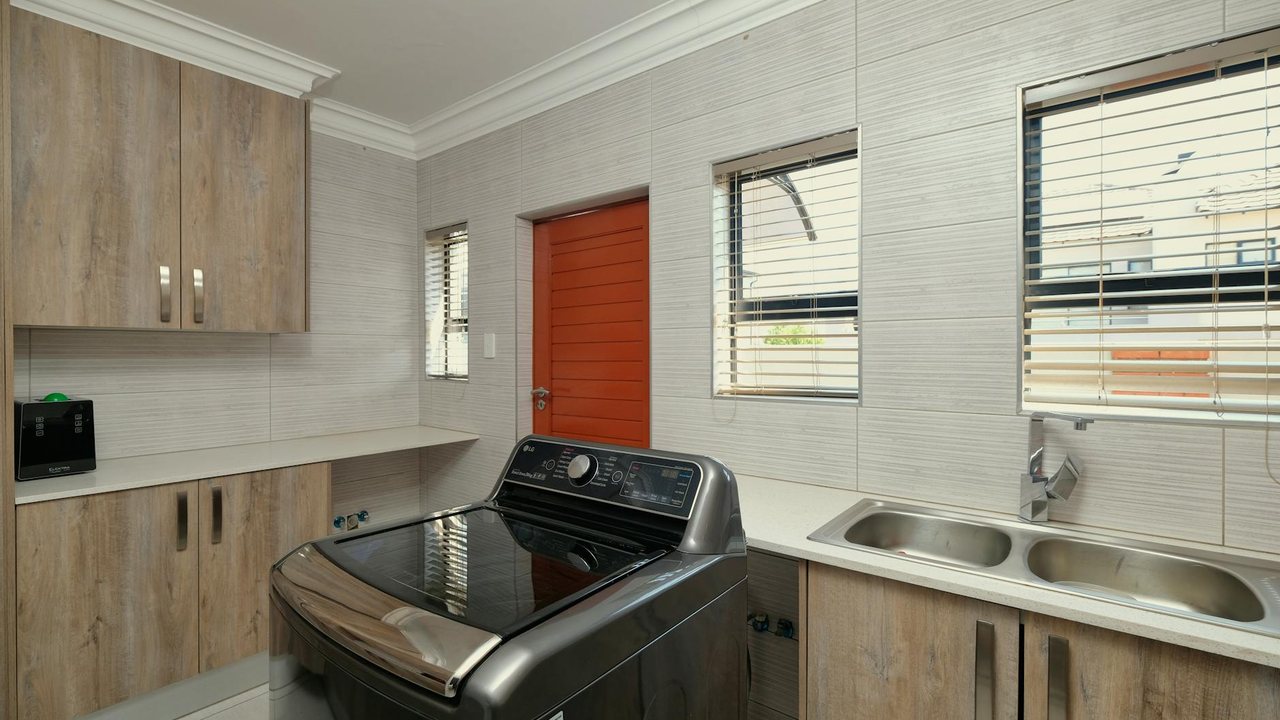
2. Measure and take precise dimensions
Carefully measure all dimensions of frames, windows, and areas where PVC elements will be installed. Precise measurements are crucial for work like glass replacement (200 €) or meter-based molding installation (18.50 € per meter). Measurement errors can lead to additional costs and installation delays.

3. Select the PVC profile and color
Choose the PVC profile and color that best matches your architectural style and functional needs. Options range from basic work (300 € - 800 €) to premium solutions (2,500 € - 7,000 €). Consider durability, thermal insulation, and maintenance requirements before making your final decision.
Pricing guide for miscellaneous PVC carpentry projects.
What is usually included in a quote
Each professional may structure quotes differently, but most project budgets follow this logic.
Typically included
Often not included
Steps for performing other PVC carpentry work
Pricing guide for miscellaneous PVC carpentry projects.
1. Assess the type of work needed
The first step is identifying what type of PVC carpentry work you need: frame repair, weatherstripping replacement (from 120 €), window adjustment, or molding installation. A proper assessment determines the project scope and final budget, which can range from 300 € to 7,000 € depending on complexity.
2. Measure and take precise dimensions
Carefully measure all dimensions of frames, windows, and areas where PVC elements will be installed. Precise measurements are crucial for work like glass replacement (200 €) or meter-based molding installation (18.50 € per meter). Measurement errors can lead to additional costs and installation delays.
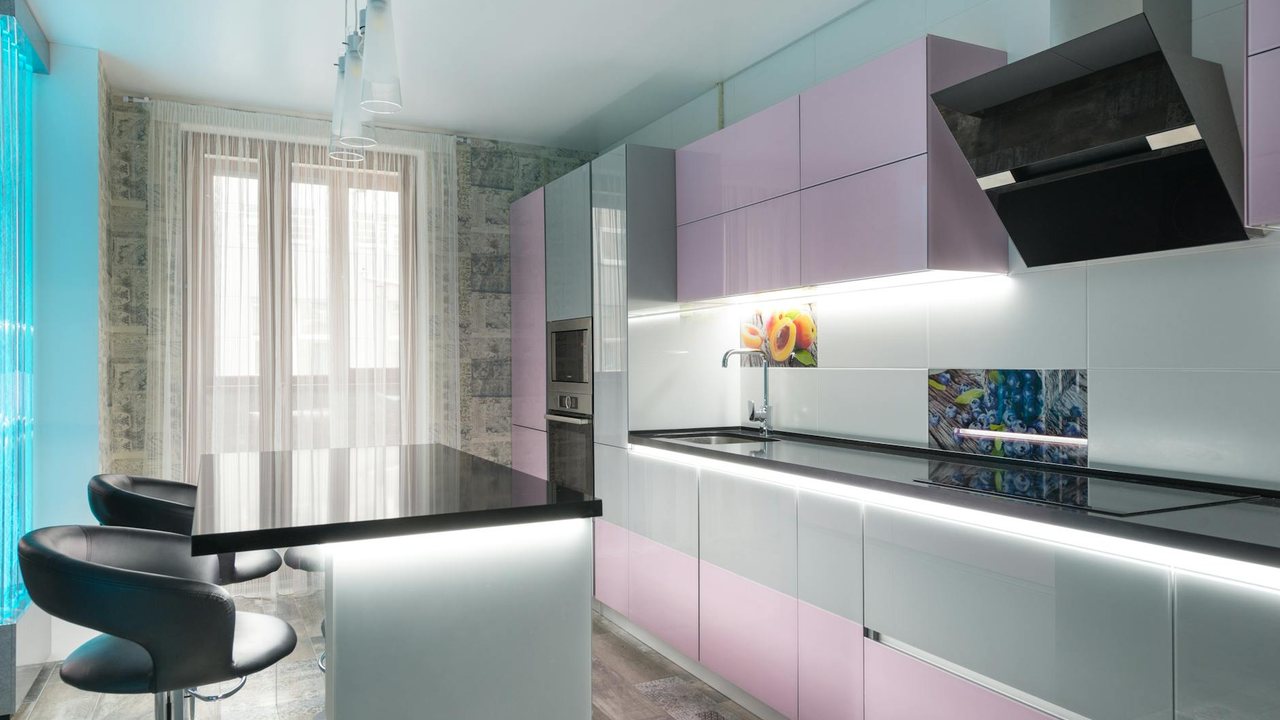
3. Select the PVC profile and color
Choose the PVC profile and color that best matches your architectural style and functional needs. Options range from basic work (300 € - 800 €) to premium solutions (2,500 € - 7,000 €). Consider durability, thermal insulation, and maintenance requirements before making your final decision.
4. Prepare the work area
Properly prepare the area for PVC carpentry work, protecting adjacent surfaces and removing obstacles. For tasks like frame repair (85 €) or hinge adjustment (95 €), a clean and organized space ensures efficiency and safety. Make sure you have easy access to windows and doors.
What can change your final price
Even similar projects can end with different budgets. These are the factors that most often push costs up or down.
Design complexity
Projects with irregular shapes, special cuts, or custom designs require more labor time and specialized expertise, significantly increasing the final cost.
Amount of material required
The total volume of PVC to be worked on, including profiles, sheets, or tubing, directly determines the cost of raw materials and project execution time.
Accessibility and location
Work in hard-to-reach areas, at height, or in remote locations requires special equipment and additional labor hours, which increases the final budget.
Finishes and additional treatments
The application of special treatments such as paints, UV-resistant varnishes, reinforced welds, or anti-aging treatments add extra costs to the base work.
Next step
Use "Other PVC Carpentry Work" to prepare a short brief before requesting quotes: current condition, must-have scope, optional upgrades, access constraints and timing. Then compare it with PVC Joinery price guides so each contractor proposal covers the same work.
General information
Pricing guide for miscellaneous PVC carpentry projects.
PVC carpentry work encompasses various repairs, installations and improvements made with polyvinyl chloride profiles, a versatile and durable material widely used in Spanish homes. These minor works range from installing decorative moldings to repairing door and window frames, including the placement of baseboards, cladding and other finishes that improve both the aesthetics and functionality of spaces.
General information
Pricing guide for miscellaneous PVC carpentry projects.
PVC is an economical material, resistant to moisture, low maintenance and durable, making it an ideal option for interior and exterior renovations. Its installation requires specialized professionals who guarantee clean and lasting finishes, ensuring that all joints and fasteners are correct to avoid future problems.
The budget for these works varies considerably depending on the type of work, the complexity of the project, the specific material to be used and the surface area to cover. In the Spanish market, these services are usually more affordable than other traditional carpentry renovations, becoming an economical option to modernize spaces without carrying out major works.
A platform built equally for homeowners and professionals
Whether you're planning a renovation or looking for your next project, Reformia gives both sides the tools to connect, compare, and collaborate with confidence.
For individuals
For professionals


You may also like
Painting Your Home: Costs, Types of Paint, and Pro Tips
A comprehensive guide to painting your home in Spain, covering costs per square metre, paint types, professional vs DIY, and tips for a flawless finish.
Read article
10 Most Common Renovation Mistakes (and How to Avoid Them)
Avoid the costly pitfalls that derail home renovation projects in Spain. From budget blowouts to permit problems, learn from others' mistakes.
Read articleFrequently asked questions

What is the difference between PVC carpentry and traditional wood carpentry?
PVC is more resistant to moisture, requires less maintenance, is more economical and has a very long lifespan (30-50 years). Wood, while offering warmer finishes, requires periodic treatments, is more susceptible to pests and can suffer deformations. PVC is ideal for kitchens, bathrooms and exteriors, while wood is preferred for more classic environments or with specific aesthetic requirements.
How long does PVC last and does it require a lot of maintenance?
PVC has a lifespan of 30 to 50 years, depending on the quality of the material and environmental conditions. It requires very little maintenance: simply clean occasionally with water and neutral soap. It does not need paints, varnishes or special treatments, making it a very economical option in the long run.
Can I install PVC on irregular surfaces or with moisture?
It is not recommended to install PVC directly on surfaces with active moisture or mold. First, the cause of the moisture must be treated and ensure that the surface is completely dry. In case of minor irregularities, the surface can be prepared with putty or leveling profiles. For projects in very humid areas, the professional should evaluate whether a pre-treatment with anti-moisture products is necessary.
What colors and finishes of PVC are available in the Spanish market?
The Spanish market offers a wide variety of colors and finishes: classic white, wood-imitation colors (cherry, oak, walnut), gray tones, beige and pastel colors. There are also matte, satin and glossy finish options. The most common brands in Spain are Deceuninck, Salamander, Kommerling and Veka, all with customizable options depending on the project.
Is it necessary to remove the previous material before installing new PVC?
It depends on the project. In some cases PVC can be installed directly over existing material if it is in good condition and well adhered. However, in higher quality work it is recommended to remove the previous material, properly prepare the surface, repair irregularities and damage, and then install new PVC. This guarantees a better finish and greater durability. Your professional carpenter will evaluate which option is most convenient in your case.
Got more questions? Contact us!
Got more questions? Contact us!
Frequently asked questions
What is the difference between PVC carpentry and traditional wood carpentry?
PVC is more resistant to moisture, requires less maintenance, is more economical and has a very long lifespan (30-50 years). Wood, while offering warmer finishes, requires periodic treatments, is more susceptible to pests and can suffer deformations. PVC is ideal for kitchens, bathrooms and exteriors, while wood is preferred for more classic environments or with specific aesthetic requirements.
How long does PVC last and does it require a lot of maintenance?
PVC has a lifespan of 30 to 50 years, depending on the quality of the material and environmental conditions. It requires very little maintenance: simply clean occasionally with water and neutral soap. It does not need paints, varnishes or special treatments, making it a very economical option in the long run.
Can I install PVC on irregular surfaces or with moisture?
It is not recommended to install PVC directly on surfaces with active moisture or mold. First, the cause of the moisture must be treated and ensure that the surface is completely dry. In case of minor irregularities, the surface can be prepared with putty or leveling profiles. For projects in very humid areas, the professional should evaluate whether a pre-treatment with anti-moisture products is necessary.
What colors and finishes of PVC are available in the Spanish market?
The Spanish market offers a wide variety of colors and finishes: classic white, wood-imitation colors (cherry, oak, walnut), gray tones, beige and pastel colors. There are also matte, satin and glossy finish options. The most common brands in Spain are Deceuninck, Salamander, Kommerling and Veka, all with customizable options depending on the project.
Is it necessary to remove the previous material before installing new PVC?
It depends on the project. In some cases PVC can be installed directly over existing material if it is in good condition and well adhered. However, in higher quality work it is recommended to remove the previous material, properly prepare the surface, repair irregularities and damage, and then install new PVC. This guarantees a better finish and greater durability. Your professional carpenter will evaluate which option is most convenient in your case.