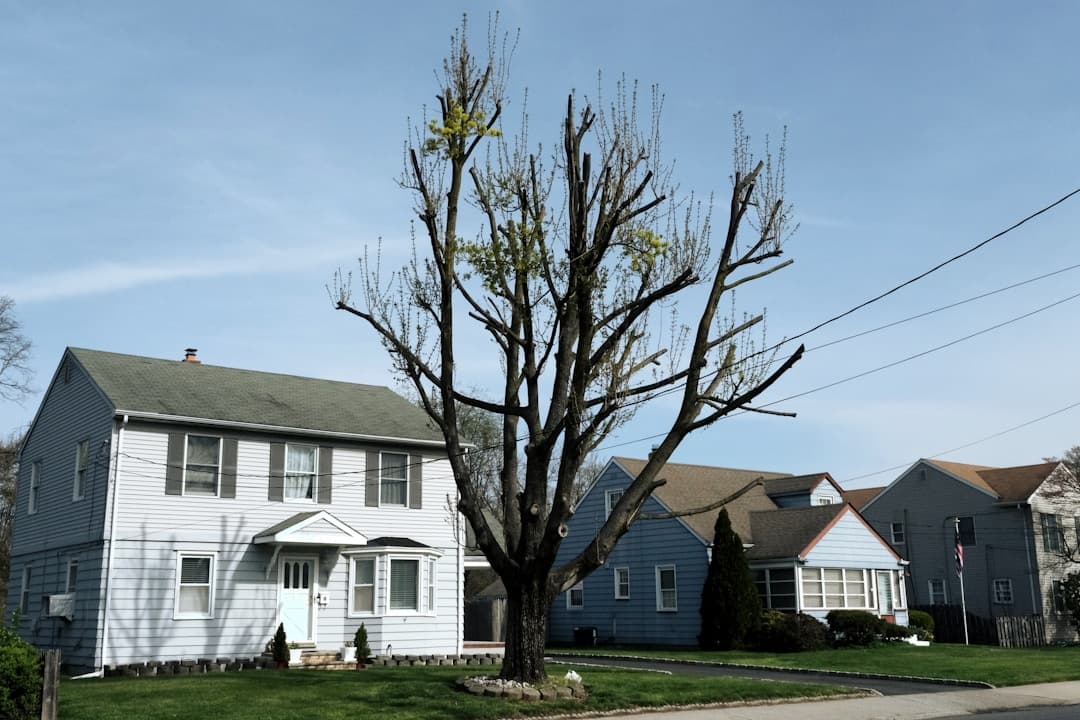
Trimming High Trees
Tree pruning at height is an essential maintenance service that ranges from 300 € to 3,500 € depending on the scope of work. The price depends mainly on the height and size of the tree, from maintenance pruning on small trees (85 €) to complete removal (350 €) or reduction pruning on large trees (250 €). We recommend requesting quotes from several professional gardeners to compare options. A well-executed service ensures tree health and the safety of your property.
Last reviewed
August 2026
Pricing method
Indicative ranges are compared by scope, measurements, materials, labour, permits, VAT and contingency.
Alicante context
Confirm access, community rules, salt-air exposure and municipal requirements before accepting a quote.
Service Levels and Prices
Compare the different options available according to your budget and needs.
Basic
Maintenance pruning for medium-height trees (6-10 meters) with normal crown density and no access complications.
Standard
Complete shaping and maintenance pruning for considerably tall trees (10-18 meters) with dense crown or minor access difficulties.
Premium
Specialized pruning for very tall trees (18+ meters), complex locations, or with serious phytosanitary problems requiring advanced height work.
Share your project details and get free contact with professionals who work on similar projects.
Tree Pruning Prices at Height
See what homeowners usually pay for the most common tasks. Use these ranges to fine-tune your scope and avoid missing key items in your budget.
Maintenance pruning (small tree, up to 5 meters)
Formative pruning (medium tree, 5-10 meters)
Reduction pruning (large tree, 10-15 meters)
Complete tree removal (up to 10 meters)
Sanitary pruning with removal of dead/diseased branches
Rigging and removal of hazardous branches (emergency service)
Steps for pruning tall trees with Reformia
Professional trimming and pruning of tall trees.
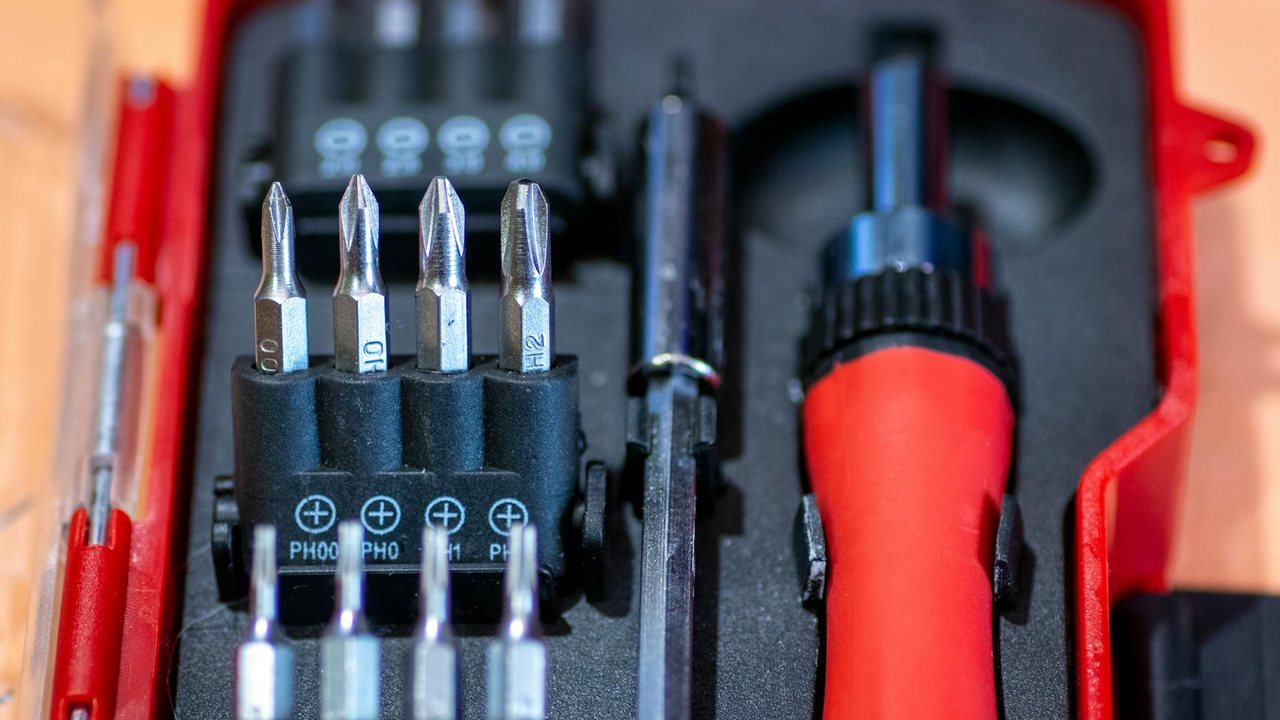
1. Assess the tree's condition and size
The gardener examines the tree's height, diameter, and overall condition to determine the type of pruning needed. This assessment is crucial, as a small tree up to 5 meters may cost from 85 €, while larger trees require specialized services between 250 € and 400 €.
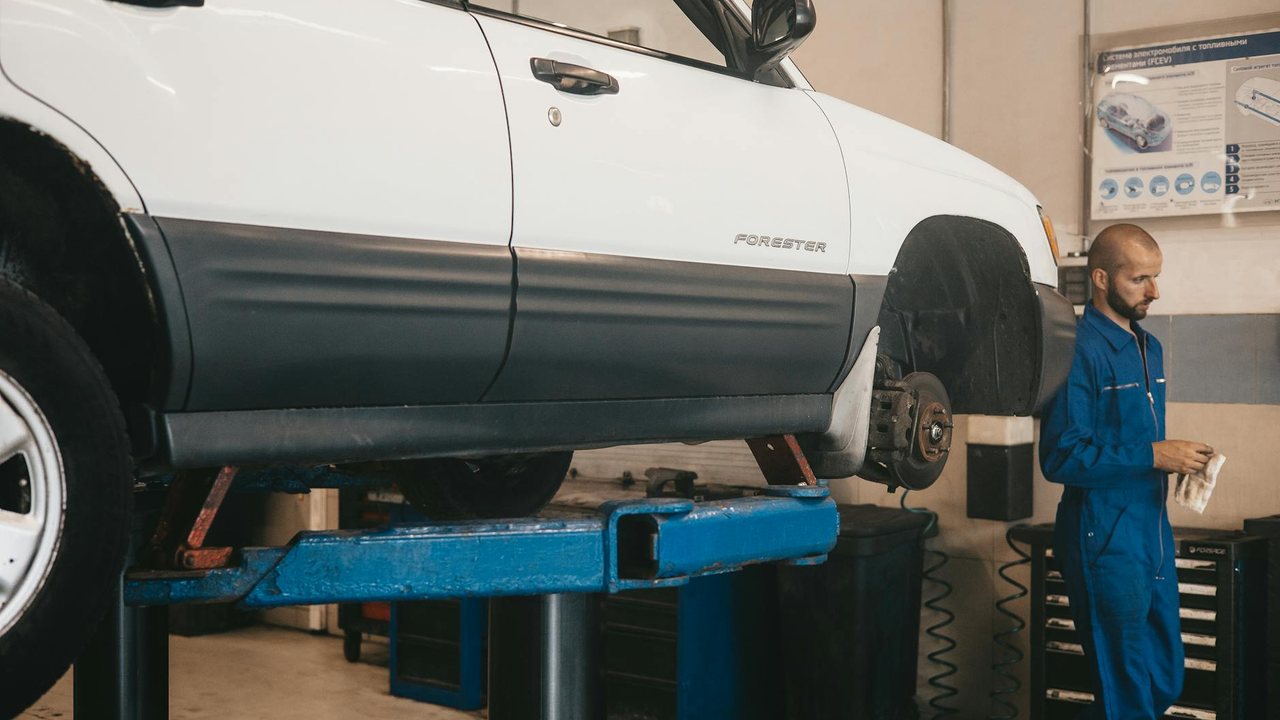
2. Identify dead or diseased branches
The tree is carefully inspected to detect dry, diseased, or damaged branches that could compromise its health. Specialized sanitary pruning, which includes removing these problematic branches, costs 200 € and is essential for preventing pests and diseases.
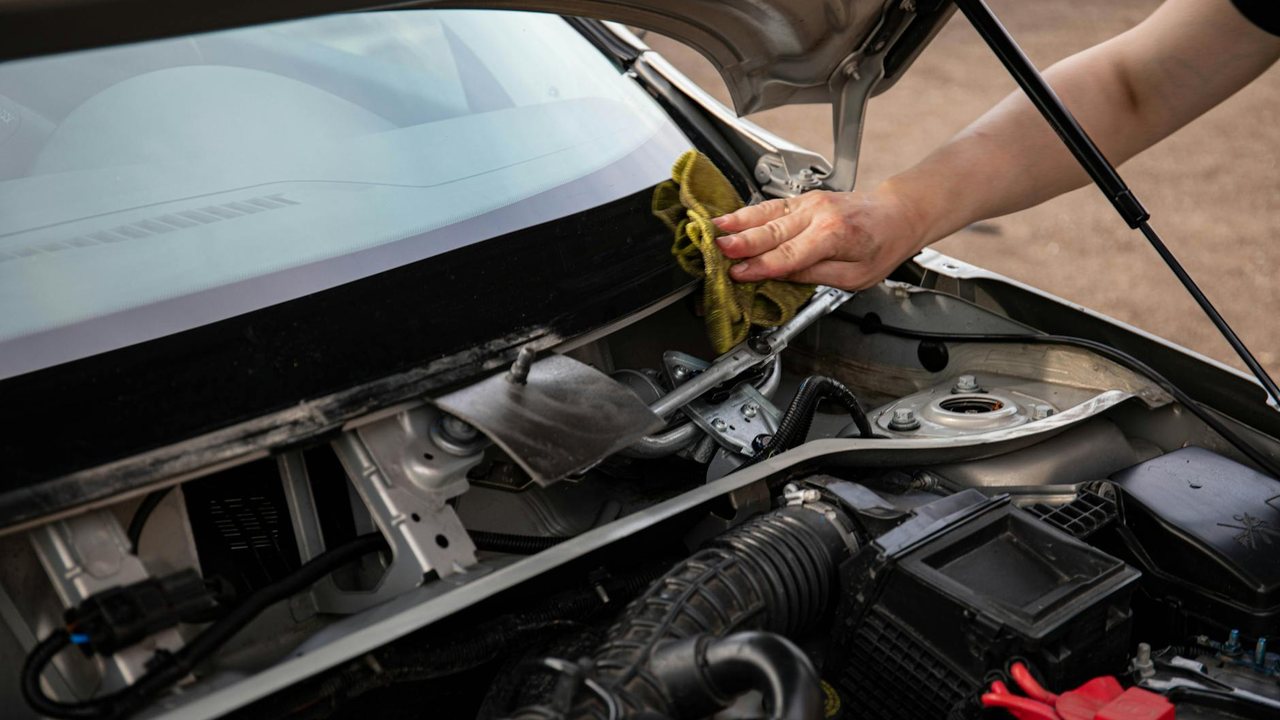
3. Plan your cutting lines
The professional designs a detailed cutting plan that respects the tree's natural structure and growth angles. For medium-sized trees (5-10 meters), a formation pruning from 150 € is planned, while larger trees require more complex strategies.
Professional trimming and pruning of tall trees.
What is usually included in a quote
Each professional may structure quotes differently, but most project budgets follow this logic.
Typically included
Often not included
Steps for pruning tall trees
Professional trimming and pruning of tall trees.
1. Assess the tree's condition and size
The gardener examines the tree's height, diameter, and overall condition to determine the type of pruning needed. This assessment is crucial, as a small tree up to 5 meters may cost from 85 €, while larger trees require specialized services between 250 € and 400 €.
2. Identify dead or diseased branches
The tree is carefully inspected to detect dry, diseased, or damaged branches that could compromise its health. Specialized sanitary pruning, which includes removing these problematic branches, costs 200 € and is essential for preventing pests and diseases.
3. Plan your cutting lines
The professional designs a detailed cutting plan that respects the tree's natural structure and growth angles. For medium-sized trees (5-10 meters), a formation pruning from 150 € is planned, while larger trees require more complex strategies.
4. Prepare safety equipment and tools
Harnesses, ropes, specialized saws, and personal protective equipment are assembled before starting the work at height. This preparation is essential for services like removing risk branches (400 €) that require maximum safety measures for the operator.
What can change your final price
Even similar projects can end with different budgets. These are the factors that most often push costs up or down.
Tree height and accessibility
Taller trees require specialized equipment such as aerial lifts or rope access work, which significantly increases pruning costs. Tree accessibility also determines whether special vehicles or municipal permits are needed.
Trunk diameter and branch density
Trees with thicker trunks and very dense canopies require more cutting time and more powerful tools. The complexity of the structure also affects the total work time.
Tree type and species
Different species present varying levels of difficulty: fruit trees, pines, oaks, or deciduous trees require specific techniques and different experience levels. Some species are more fragile or have special protection regulations.
Waste volume and debris management
Transportation, chipping, and final disposal of pruned branches affects the final budget. If complete removal or treatment of large volumes of waste is required, the cost increases considerably.
Next step
Use "Trimming High Trees" to prepare a short brief before requesting quotes: current condition, must-have scope, optional upgrades, access constraints and timing. Then compare it with Gardeners price guides so each contractor proposal covers the same work.
General Information
Professional trimming and pruning of tall trees.
Tree pruning at height is a specialized maintenance service that consists of pruning, cleaning, and shaping large trees, generally over 6 meters in height. This type of work requires qualified professionals, specific safety equipment, and advanced height access techniques, such as ropes, harnesses, and elevated platforms.
General Information
Professional trimming and pruning of tall trees.
The cost of tree pruning at height in Spain varies considerably depending on several key factors: the total height of the tree, the diameter of the branches to be pruned, the density of the crown, the phytosanitary condition of the tree, the accessibility of the location, and whether it requires subsequent removal and chipping of waste. Prices range between 300 € and 3,000 € per tree, depending on the complexity of the work.
It is important to hire professional services with public liability insurance and certifications in height work, as pruning large trees is a dangerous task that requires experience and compliance with safety regulations. Many companies also offer complementary services such as phytosanitary treatment, pest elimination, and advice on tree health.
A platform built equally for homeowners and professionals
Whether you're planning a renovation or looking for your next project, Reformia gives both sides the tools to connect, compare, and collaborate with confidence.
For individuals
For professionals

You may also like
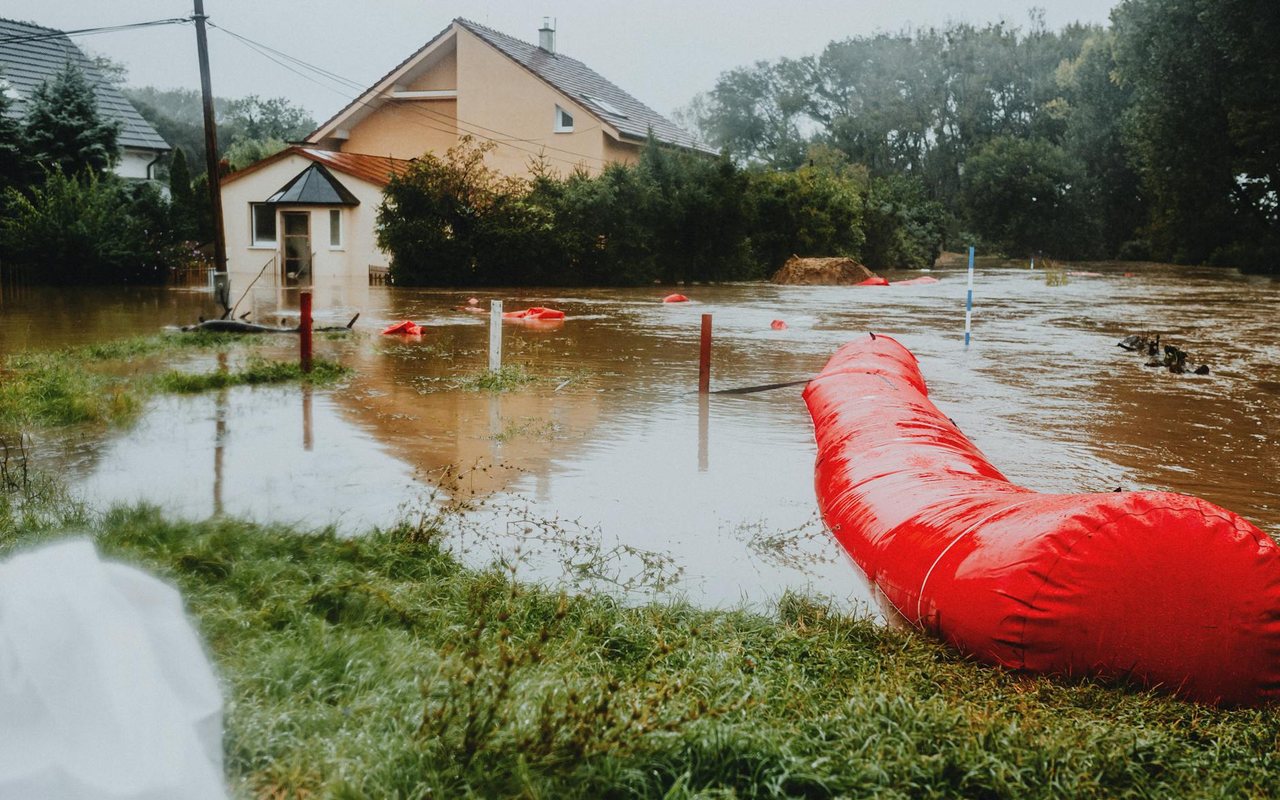
Climate-Resilient Home Renovation: Protect Your Spanish Home Against Extreme Heat and Flooding
Heat waves, intense rainfall and flooding are now real priorities in Spanish home renovations. Discover which measures to implement now and which to bundle into a larger renovation, with realistic budgets.
Read article
Low-carbon materials and circular renovation: real options for your home in 2026
Sustainable renovation has moved beyond trend to become a practical choice. Discover which materials you can buy today, where real savings lie, and how to specify them without sacrificing durability.
Read articleFrequently Asked Questions

What is the best time of year to prune trees at height?
The best time depends on the type of tree, but generally it is during winter (November-February) when they are dormant. However, sanitation pruning (dead or diseased branches) can be done at any time. It is important to avoid severe pruning in spring when they are in full growth activity. Consult with the professional about the best option for your specific tree.
What is the difference between maintenance pruning and rejuvenation pruning?
Maintenance pruning is gentler and more selective, removing dead, diseased, or poorly oriented branches, maintaining the tree's natural shape. Rejuvenation pruning is more aggressive, significantly reducing the crown to give it a new shape or control its size, being more costly and requiring more days of work. Sanitation pruning is specific for diseased trees or those with pests.
Does the quote include branch and debris removal?
It depends on what you contract. Some basic quotes only include pruning and leave the debris on site. Others include manual removal but not chipping. Premium quotes generally include industrial chipping and transport. Always specify in the contract whether you want everything removed, as this significantly affects the final cost.
Is it necessary to apply pruning sealant after pruning?
Modern pruning sealants are not strictly necessary if pruning is done correctly, but they are recommended on large cuts (larger than 5 cm) to protect the wound from diseases and insects. Applying quality sealant to the main cuts adds between 50 € and 200 € to the budget, but protects the tree's long-term health.
What should I do if the tree is diseased or has pests?
If you suspect that the tree has pests or diseases (spots, galleries in the bark, abnormal defoliation), mention it to the professional when requesting a quote. Additional phytosanitary treatment may be necessary (fungicides, insecticides) that will increase costs between 100 € and 500 €. Some professionals offer free diagnosis, so take advantage of the opportunity to consult.
Got more questions? Contact us!
Got more questions? Contact us!
Frequently Asked Questions
What is the best time of year to prune trees at height?
The best time depends on the type of tree, but generally it is during winter (November-February) when they are dormant. However, sanitation pruning (dead or diseased branches) can be done at any time. It is important to avoid severe pruning in spring when they are in full growth activity. Consult with the professional about the best option for your specific tree.
What is the difference between maintenance pruning and rejuvenation pruning?
Maintenance pruning is gentler and more selective, removing dead, diseased, or poorly oriented branches, maintaining the tree's natural shape. Rejuvenation pruning is more aggressive, significantly reducing the crown to give it a new shape or control its size, being more costly and requiring more days of work. Sanitation pruning is specific for diseased trees or those with pests.
Does the quote include branch and debris removal?
It depends on what you contract. Some basic quotes only include pruning and leave the debris on site. Others include manual removal but not chipping. Premium quotes generally include industrial chipping and transport. Always specify in the contract whether you want everything removed, as this significantly affects the final cost.
Is it necessary to apply pruning sealant after pruning?
Modern pruning sealants are not strictly necessary if pruning is done correctly, but they are recommended on large cuts (larger than 5 cm) to protect the wound from diseases and insects. Applying quality sealant to the main cuts adds between 50 € and 200 € to the budget, but protects the tree's long-term health.
What should I do if the tree is diseased or has pests?
If you suspect that the tree has pests or diseases (spots, galleries in the bark, abnormal defoliation), mention it to the professional when requesting a quote. Additional phytosanitary treatment may be necessary (fungicides, insecticides) that will increase costs between 100 € and 500 €. Some professionals offer free diagnosis, so take advantage of the opportunity to consult.