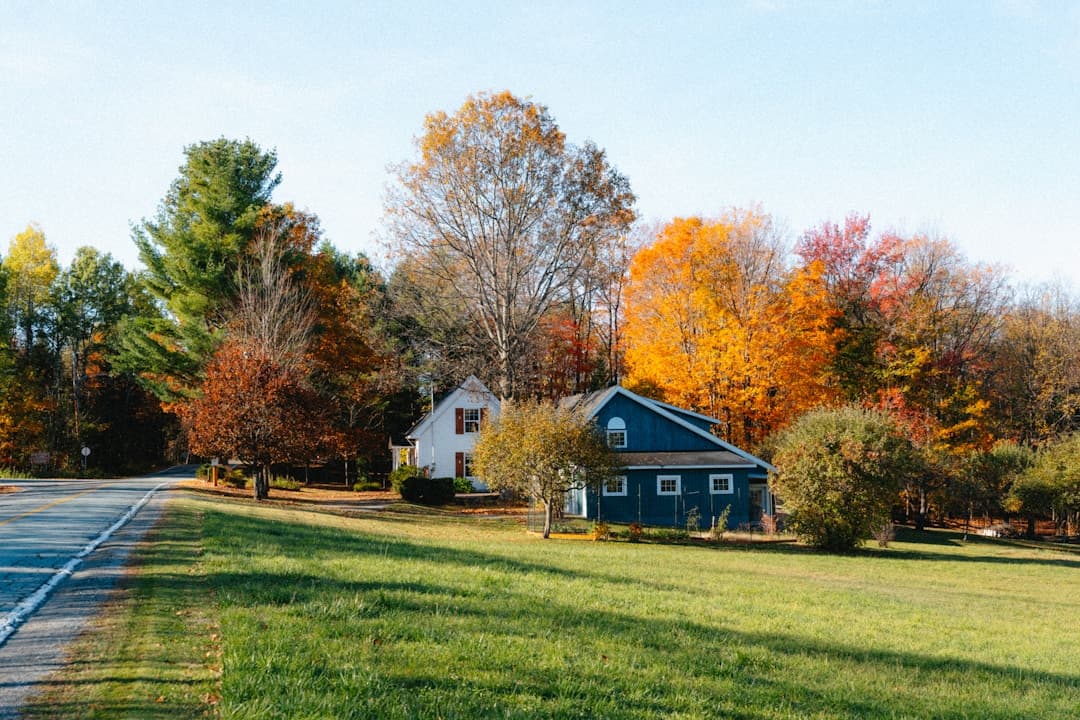
Prices and Quotes for Planting Grass
The average cost of planting natural grass can vary depending on factors such as prior work needed on the terrain, the type of varieties chosen, and whether it is necessary to install any irrigation system. These factors will make the price range between 10 € and 20 €/m².
The amounts are indicative and come from the original imported guide. The final budget depends on the scope, materials, and prior condition of the space.
Last reviewed
August 2026
Edited by: Luis Rodenas
Pricing method
Indicative ranges are compared by scope, measurements, materials, labour, permits, VAT and contingency.
Alicante context
Confirm access, community rules, salt-air exposure and municipal requirements before accepting a quote.
Service Levels and Pricing
Compare the different options available based on your budget and needs for installing a lawn in your garden.
Basic
Lawn installation on already prepared land without additional preliminary work. Ideal for small areas or tight budgets.
Standard
Complete solution with ground preparation, quality lawn installation, and basic irrigation system. The most popular option for its excellent value for money.
Premium
Comprehensive service with specialized treatments, smart automated irrigation system, and success guarantee. Perfect for large gardens or challenging conditions.
Share your project details and get free contact with professionals who work on similar projects.
Lawn planting prices
See what homeowners usually pay for the most common tasks. Use these ranges to fine-tune your scope and avoid missing key items in your budget.
Installing natural grass sod 100 m²
Installing natural grass sod 250 m²
Installing natural grass sod 500 m²
Planting natural grass from seed 100 m²
Planting natural grass from seed 250 m²
Planting natural grass from seed 500 m²
Steps for planting grass in your garden with Reformia
The average cost of planting natural grass can vary depending on factors such as preliminary work needed on the terrain, the type of varieties chosen, and whether it's necessary to install an irrigation system. These factors will make the price range between 10 € and 20 €/m².
1. Assess the current condition of the ground
The first step in planting grass is inspecting the existing terrain and determining its composition, drainage, and compaction level. This initial assessment directly impacts the final budget, which ranges from 500 € to 7,000 € depending on the area size and conditions. Professional analysis prevents costly surprises during installation.
2. Prepare the soil
Soil preparation includes weed removal, leveling, and soil amendment to ensure optimal grass growth. This work is essential regardless of whether you choose sod or seeds, influencing costs ranging from 500 € in small areas to 7,000 € in large extensions. Well-prepared soil ensures better root establishment and durability.
3. Choose the right grass variety
Choosing between natural sod or seed planting depends on your budget and timeline. Sod offers immediate results but is more expensive: 1,600 € for 100 m² or 4,200 € for 250 m². Seeds are more economical (1,000 € and 2,500 € respectively) but require longer germination time and more care.
The average cost of planting natural grass can vary depending on factors such as preliminary work needed on the terrain, the type of varieties chosen, and whether it's necessary to install an irrigation system. These factors will make the price range between 10 € and 20 €/m².
What is usually included in a quote
Each professional may structure quotes differently, but most project budgets follow this logic.
Typically included
Often not included
Steps for planting grass in your garden
The average cost of planting natural grass can vary depending on factors such as preliminary work needed on the terrain, the type of varieties chosen, and whether it's necessary to install an irrigation system. These factors will make the price range between 10 € and 20 €/m².
1. Assess the current condition of the ground
The first step in planting grass is inspecting the existing terrain and determining its composition, drainage, and compaction level. This initial assessment directly impacts the final budget, which ranges from 500 € to 7,000 € depending on the area size and conditions. Professional analysis prevents costly surprises during installation.
2. Prepare the soil
Soil preparation includes weed removal, leveling, and soil amendment to ensure optimal grass growth. This work is essential regardless of whether you choose sod or seeds, influencing costs ranging from 500 € in small areas to 7,000 € in large extensions. Well-prepared soil ensures better root establishment and durability.

3. Choose the right grass variety
Choosing between natural sod or seed planting depends on your budget and timeline. Sod offers immediate results but is more expensive: 1,600 € for 100 m² or 4,200 € for 250 m². Seeds are more economical (1,000 € and 2,500 € respectively) but require longer germination time and more care.
4. Plan and install an irrigation system
An automatic irrigation system is essential for maintaining newly planted grass, especially during the first months. Its installation may represent an additional investment within the overall budget of 500 € to 7,000 €. This system ensures uniform growth and reduces long-term manual maintenance.
What can change your final price
Even similar projects can end with different budgets. These are the factors that most often push costs up or down.
Site preparation
The initial condition of the soil is a key factor in the budget. If old turf needs to be removed, the ground leveled, depressions filled, or weeds eliminated, costs can increase significantly compared to a site that is already prepared.
Type of grass selected
Premium varieties such as English grass or specialized seed blends command higher prices than common grass. The choice between seed, sod, or a combination of both methods also affects the cost.
Total area to be covered
As the area increases, the price per square meter tends to decrease due to economies of scale. Smaller projects typically have a higher unit cost than large-scale projects.
Automatic irrigation system installation
If a drip irrigation system or sprinklers need to be installed, this represents a considerable additional cost that can double or triple the total project budget.
Next step
Use "Prices and Quotes for Planting Grass" to prepare a short brief before requesting quotes: current condition, must-have scope, optional upgrades, access constraints and timing. Then compare it with Gardeners price guides so each contractor proposal covers the same work.
What to know before seeding natural grass: tips and pricing information
The average cost of planting natural grass can vary depending on factors such as preliminary work needed on the terrain, the type of varieties chosen, and whether it's necessary to install an irrigation system. These factors will make the price range between 10 € and 20 €/m².
When to plant grass: in general, it's more advisable to plant grass in the garden in spring or early autumn, especially in the latter season. However, the ideal timing may vary depending on the climate: continental (between March and May or late August and early October), Mediterranean (between late February and early May or between September and November), oceanic (anytime during spring or autumn) and temperate climates (autumn)
Benefits of planting natural grass
The average cost of planting natural grass can vary depending on factors such as preliminary work needed on the terrain, the type of varieties chosen, and whether it's necessary to install an irrigation system. These factors will make the price range between 10 € and 20 €/m².
Budget examples
- When to plant grass: in general, it's more advisable to plant grass in the garden in spring or early autumn, especially in the latter season. However, the ideal timing may vary depending on the climate: continental (between March and May or late August and early October), Mediterranean (between late February and early May or between September and November), oceanic (anytime during spring or autumn) and temperate climates (autumn)
- Climate and seed varieties: it's important to choose the type of grass according to the conditions of the area where it will be planted, as not all varieties have the same resistance to environmental factors. In warm climates, it's common to sow Bermuda grass, Bahia grass, or Kikuyu. For cold or humid areas, species like Poa, Agrostis, Festuca, or Ryegrass are more suitable. In any case, it's typical to mix seeds from different species in different proportions.
- Use of the space: just as with climate, not all grass varieties offer the same resistance to foot traffic; some are delicate and are used only for ornamental purposes. For the latter case, Chewing Fescue, Creeping Bentgrass, Dichondra repens, and Ryegrass seeds are typically used. In the case of sports fields or intensive-use gardens, the most suitable options are Ryegrass, Bermuda grass, Tall Fescue, Bluegrass, or Bentgrass.
- Planting grass in a garden of about 80 m², including manual soil preparation work, seeding, and fertilizing would have an approximate cost of 1.500 €.
Although it's possible to plant artificial grass with finishes very similar to natural grass, visually, the difference is noticeable. At first glance, and as long as it's well maintained, natural grass offers a fresher and more pleasant appearance. The shine and variety of tones achieved through the mix of seeds used create an effect that artificial grass cannot replicate.
Cooling effect
Grass absorbs moisture and cools the soil. Not only does it provide a sensation of freshness when stepped on, but this effect extends to the surrounding environment and atmosphere where it's been planted, especially after watering. This is another important difference from artificial grass, which, unlike natural grass, heats up in sunlight because it cannot absorb it.
- In the case of planting grass on a 25 m² terrace, including seeding, fertilizing, and a verification visit, the service cost would rise to about 275 €. With automatic irrigation, the price would reach 600 €.
- If the work consists of planting grass from seed in a sports facility of 1.000 m², including soil preparation, seeding with seeds specific for this use, fertilizing, and automatic sprinkler irrigation, the cost would rise to about 25.000 €.
- Planting sod grass in a community garden of 100 m², including soil preparation work, seeding, fertilizing, and automatic sprinkler irrigation would have an approximate cost of 3.000 €.
A platform built equally for homeowners and professionals
Whether you're planning a renovation or looking for your next project, Reformia gives both sides the tools to connect, compare, and collaborate with confidence.
For individuals
For professionals

You may also like
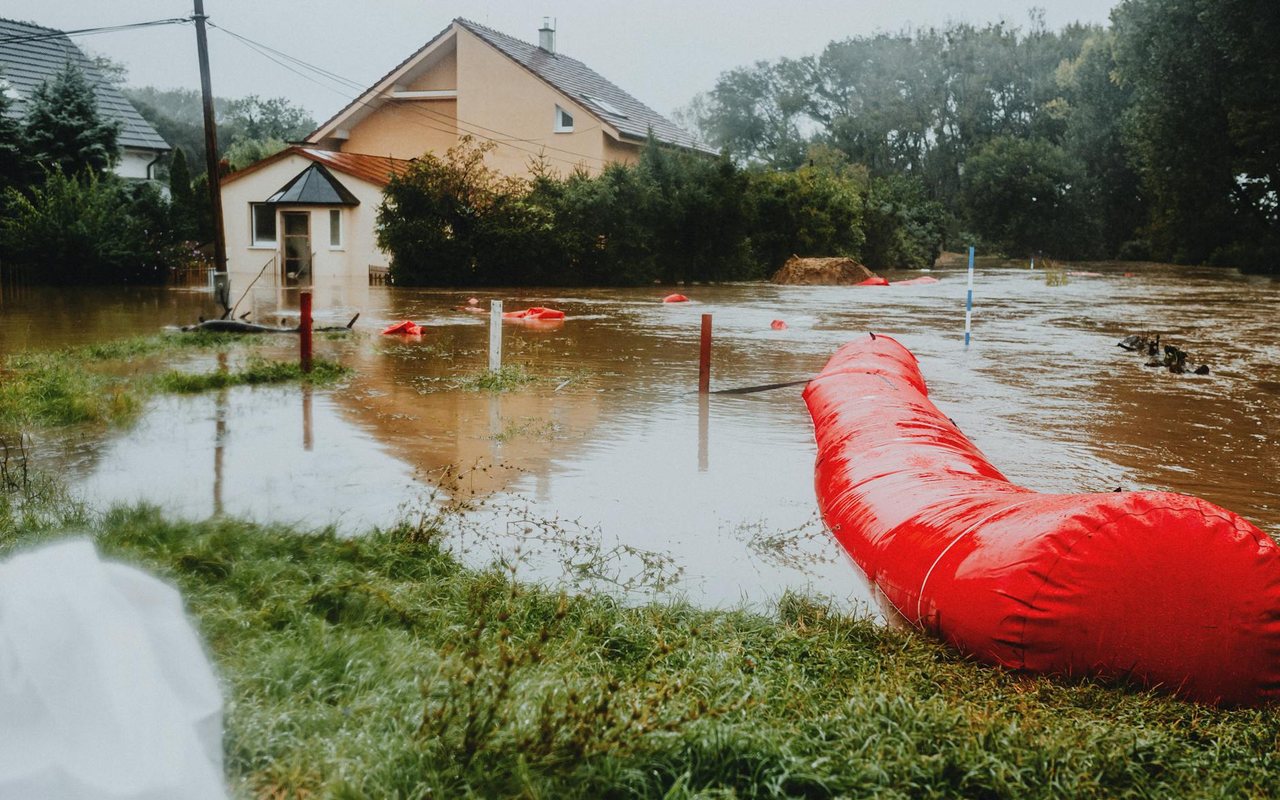
Climate-Resilient Home Renovation: Protect Your Spanish Home Against Extreme Heat and Flooding
Heat waves, intense rainfall and flooding are now real priorities in Spanish home renovations. Discover which measures to implement now and which to bundle into a larger renovation, with realistic budgets.
Read article
Low-carbon materials and circular renovation: real options for your home in 2026
Sustainable renovation has moved beyond trend to become a practical choice. Discover which materials you can buy today, where real savings lie, and how to specify them without sacrificing durability.
Read articleFrequently Asked Questions
How much does it cost to lay natural grass per square meter?
The average cost of laying natural grass in Spain ranges from 10 € to 20 €/m², depending on several factors such as ground condition, site preparation, and the type of seed or turf chosen. If the ground requires additional work such as leveling, drainage, or weed removal, the price can increase to 25-30 €/m². Additionally, if an automatic irrigation system is included, the total cost can increase significantly.
How long does grass take to grow after planting?
Growth time depends on the method used: with seeds, grass takes between 2 and 3 weeks to germinate and between 1 and 2 months to become fully established. With turf (pre-germinated grass rolls), results are immediate, although it needs between 2 and 3 weeks for root establishment before it can be walked on normally. Regular watering during this period is essential to ensure optimal growth.
What is included in the grass planting service?
The basic planting service includes ground preparation, weed removal, soil leveling, and seeding or turf laying. Some gardeners also include initial fertilizer application and establishment watering. However, additional services such as automatic irrigation installation, deep drainage, or soil pH correction work are billed separately and can significantly increase the final budget.
How do I choose a professional gardener to plant my grass?
It is recommended to request quotes from at least 3 different professionals to compare prices and services included. Verify that the gardener has experience in grass planting, references from previous clients, and is registered as self-employed or a business. Ask for a detailed quote specifying necessary preparatory work, the type of seed or turf to be used, and the work schedule to avoid surprises later.
Do I need any permits to plant grass in my garden?
For grass planting in private residential gardens, no municipal permits are required. However, in apartment buildings or if the work involves significant changes to ground structure, it is advisable to consult with the local authority or building management. If an automatic irrigation system is installed that requires construction work or modification of existing utilities, additional procedures may be necessary depending on the municipality.
Got more questions? Contact us!
Got more questions? Contact us!
Frequently Asked Questions
How much does it cost to lay natural grass per square meter?
The average cost of laying natural grass in Spain ranges from 10 € to 20 €/m², depending on several factors such as ground condition, site preparation, and the type of seed or turf chosen. If the ground requires additional work such as leveling, drainage, or weed removal, the price can increase to 25-30 €/m². Additionally, if an automatic irrigation system is included, the total cost can increase significantly.
How long does grass take to grow after planting?
Growth time depends on the method used: with seeds, grass takes between 2 and 3 weeks to germinate and between 1 and 2 months to become fully established. With turf (pre-germinated grass rolls), results are immediate, although it needs between 2 and 3 weeks for root establishment before it can be walked on normally. Regular watering during this period is essential to ensure optimal growth.
What is included in the grass planting service?
The basic planting service includes ground preparation, weed removal, soil leveling, and seeding or turf laying. Some gardeners also include initial fertilizer application and establishment watering. However, additional services such as automatic irrigation installation, deep drainage, or soil pH correction work are billed separately and can significantly increase the final budget.
How do I choose a professional gardener to plant my grass?
It is recommended to request quotes from at least 3 different professionals to compare prices and services included. Verify that the gardener has experience in grass planting, references from previous clients, and is registered as self-employed or a business. Ask for a detailed quote specifying necessary preparatory work, the type of seed or turf to be used, and the work schedule to avoid surprises later.
Do I need any permits to plant grass in my garden?
For grass planting in private residential gardens, no municipal permits are required. However, in apartment buildings or if the work involves significant changes to ground structure, it is advisable to consult with the local authority or building management. If an automatic irrigation system is installed that requires construction work or modification of existing utilities, additional procedures may be necessary depending on the municipality.