Installing Home Inverters and Batteries
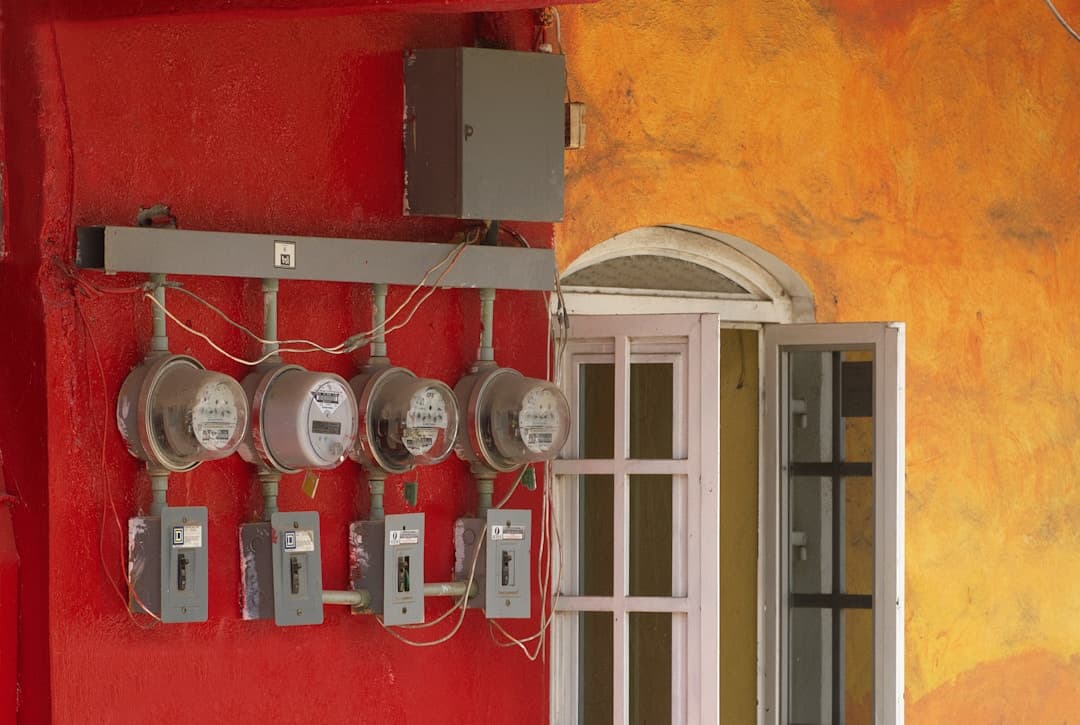
Installing home inverters and battery systems is essential for maximizing your solar self-consumption, with prices ranging from 3,000 € to 18,000 € depending on the system you choose. The cost varies significantly based on storage capacity (a 5 kWh lithium battery costs around 3,500 €, while a 10 kWh battery reaches 6,500 €) and the inverter power required for your installation. It's advisable to request quotes from several professional installers to compare options and ensure the best value for your investment.
Last reviewed
August 2026
Pricing method
Indicative ranges are compared by scope, measurements, materials, labour, permits, VAT and contingency.
Alicante context
Confirm access, community rules, salt-air exposure and municipal requirements before accepting a quote.
Service levels and prices
Compare the different options available according to your budget and needs.
Basic
Compact storage system with medium-power battery charger inverter and reduced-capacity battery. Ideal for small homes or as a complement to existing solar panels with low consumption.
Standard
Intermediate solution with medium-high power inverter and moderate-capacity battery. Perfect for single-family homes with moderate consumption that want complete energy autonomy.
Premium
High-capacity system with high-power inverters and large-storage batteries. Designed for high-consumption homes, businesses, or installations with special demands.
Share your project details and get free contact with professionals who work on similar projects.
Installation Prices for Home Inverters and Batteries
See what homeowners usually pay for the most common tasks. Use these ranges to fine-tune your scope and avoid missing key items in your budget.
Hybrid inverter 3-5 kW with basic installation
Lithium battery 5 kWh with mounting and integration
Lithium battery 10 kWh with mounting and integration
Complete system: 5 kW inverter + 10 kWh battery
Three-phase inverter installation 6-8 kW with certification
Lithium battery 15 kWh with monitoring system
Steps to install home inverters and batteries with Reformia
Pricing and details for home inverter and battery installation.
1. Assess your home's energy needs
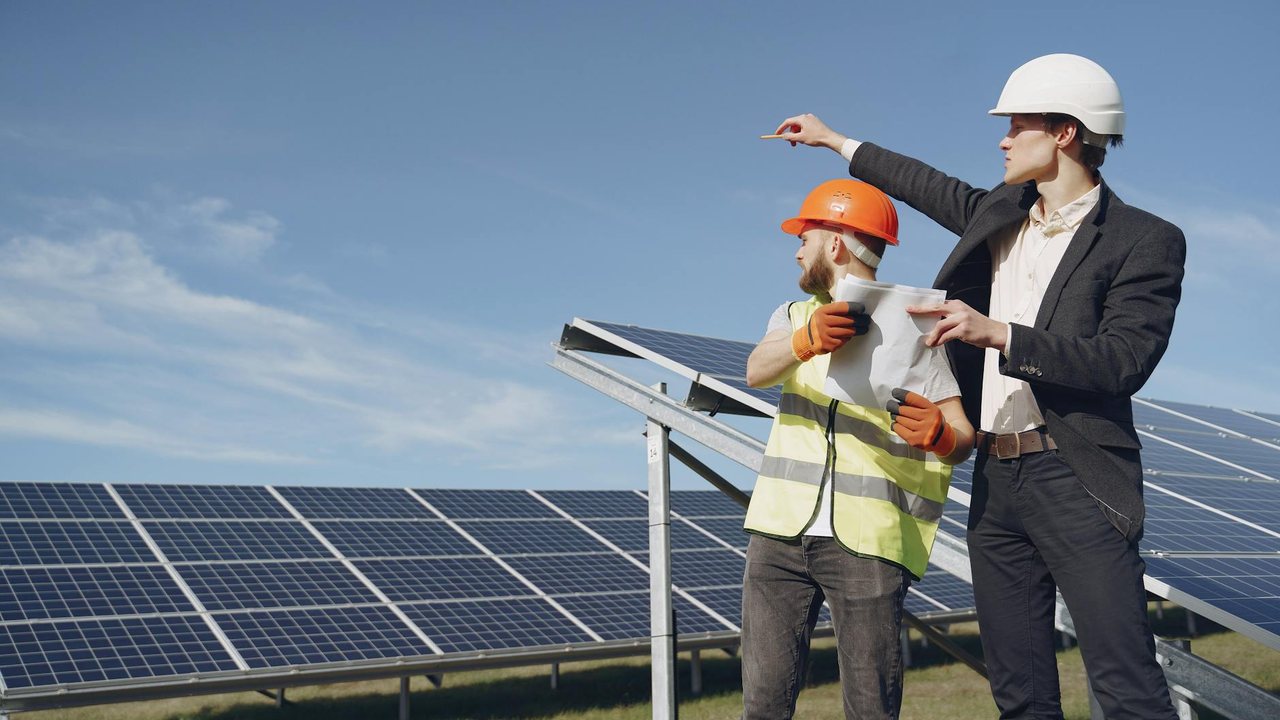
The first step is to analyze your home's current electricity consumption to determine the required inverter and battery capacity. A professional will assess your usage patterns and recommend systems ranging from 5 kWh batteries (3,500 €) to 15 kWh (9,200 €) based on your actual energy needs.

2. Select the right inverter and battery
After assessing your needs, the appropriate hybrid inverter (from 1,200 €) and lithium battery will be selected. Complete systems combine a 5 kW inverter with 10 kWh battery for 7,800 €, optimizing the balance between storage capacity and your available budget.

3. Obtain necessary permits and documentation
Before installation, it's essential to obtain municipal permits and required technical documentation. Certified three-phase inverters (1,800 €) include professional documentation that simplifies administrative procedures and ensures regulatory compliance for your solar installation.
Pricing and details for home inverter and battery installation.
What is usually included in a quote
Each professional may structure quotes differently, but most project budgets follow this logic.
Typically included
Often not included
Steps to install home inverters and batteries
Pricing and details for home inverter and battery installation.
1. Assess your home's energy needs
The first step is to analyze your home's current electricity consumption to determine the required inverter and battery capacity. A professional will assess your usage patterns and recommend systems ranging from 5 kWh batteries (3,500 €) to 15 kWh (9,200 €) based on your actual energy needs.
2. Select the right inverter and battery
After assessing your needs, the appropriate hybrid inverter (from 1,200 €) and lithium battery will be selected. Complete systems combine a 5 kW inverter with 10 kWh battery for 7,800 €, optimizing the balance between storage capacity and your available budget.

3. Obtain necessary permits and documentation
Before installation, it's essential to obtain municipal permits and required technical documentation. Certified three-phase inverters (1,800 €) include professional documentation that simplifies administrative procedures and ensures regulatory compliance for your solar installation.
4. Prepare your existing electrical installation
The technician will inspect and adapt your existing electrical installation to be compatible with the new inverter and battery. This phase includes reviewing electrical panels, wiring, and protections to ensure safe integration of your energy storage system.
What can change your final price
Even similar projects can end with different budgets. These are the factors that most often push costs up or down.
Inverter Capacity and Power
The inverter's rated power (measured in kW) is a key determinant of the final price. Higher capacity inverters, typically between 3kW and 10kW, require higher quality components and more advanced technology, significantly increasing installation costs.
Battery Type and Capacity
The battery type (lithium, LiFePO4 or lead-acid) and its capacity in kWh are decisive factors in the budget. Lithium batteries are more expensive but last longer, while lead-acid batteries require more frequent replacement.
Installation Complexity
The home's accessibility, need for civil works, distance between panels and technical room, and condition of existing wiring can significantly increase labor hours and final installation costs.
Integration with Existing System
If the home already has solar panels or previous electrical installation, the adaptation and synchronization work of the inverter and batteries may require additional modifications that increase the total budget.
Next step
Use "Installing Home Inverters and Batteries" to prepare a short brief before requesting quotes: current condition, must-have scope, optional upgrades, access constraints and timing. Then compare it with Solar Panels price guides so each contractor proposal covers the same work.
General information
Pricing and details for home inverter and battery installation.
Installing inverters and home battery systems is a comprehensive solution to maximize the performance of your solar panel installation. Inverters convert the direct current energy generated by the panels into alternating current that can be used in your home, while batteries store excess energy for use during the night or cloudy days. This system allows you to increase your energy independence and significantly reduce your consumption from the electrical grid.
Home Battery and Inverter Installation Cost in Spain
Pricing and details for home inverter and battery installation.
The total cost of installation will depend on several factors such as the desired storage capacity, inverter power, battery type (lithium, gel or iron phosphate), and the complexity of your current installation. In the Spanish market, prices range from 3,000 € for basic systems to 15,000 € or more for premium solutions with large storage capacity. Professional installation is recommended to ensure the safety and proper functioning of the system.
A qualified technical team will conduct a preliminary study of your installation, select the most appropriate components according to your needs, perform installation and connection work, and handle all necessary documentation with electrical distributors. Most installers offer warranties of 5 to 10 years on equipment and post-installation technical support to optimize your system's performance.
Installing domestic inverters and batteries is a significant investment in your home's energy independence and resilience. In Spain, the price for a complete inverter and battery installation typically ranges from €3,500 to €8,000 for residential systems, depending on your energy storage capacity and inverter specifications. This price generally includes professional installation labor, equipment, and basic system configuration. The final quote will vary based on your home's electrical setup, the battery capacity you choose (measured in kWh), and the inverter's power rating in watts.
When evaluating the cost of installing inverters and batteries, it's essential to understand what factors influence your final price. Battery capacity is the primary driver—systems ranging from 5 kWh to 15 kWh will have significantly different price points. Additionally, installation complexity, whether you're adding batteries to existing solar panels, and local electrical code requirements in your region of Spain can all impact the overall investment. A professional installer will assess your current electrical panel, wiring, and safety systems to provide an accurate quote.
To ensure you're getting fair pricing, obtaining quotes from multiple professional installers is crucial. Compare at least three quotes from certified electricians or solar professionals who specialize in energy storage systems. Each quote should clearly itemize the battery system cost, inverter price, installation labor, permits, and any additional equipment needed. Don't automatically choose the lowest price—consider the professional's experience, warranty offerings, and customer reviews alongside the cost estimate.
A platform built equally for homeowners and professionals
Whether you're planning a renovation or looking for your next project, Reformia gives both sides the tools to connect, compare, and collaborate with confidence.
For individuals
For professionals


You may also like
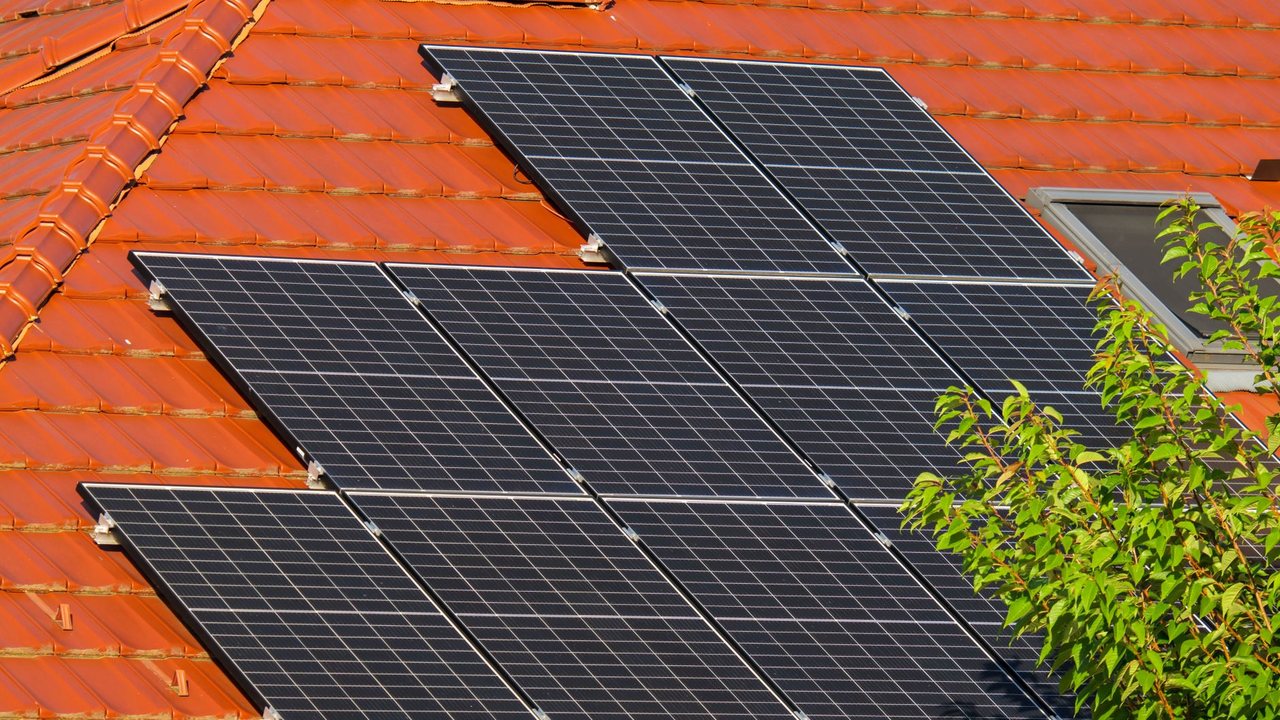
Solar batteries in Spain 2026: what to check before installing them at home
After the blackout debate and storage growth, many owners are considering batteries. What to check before investing.
Read article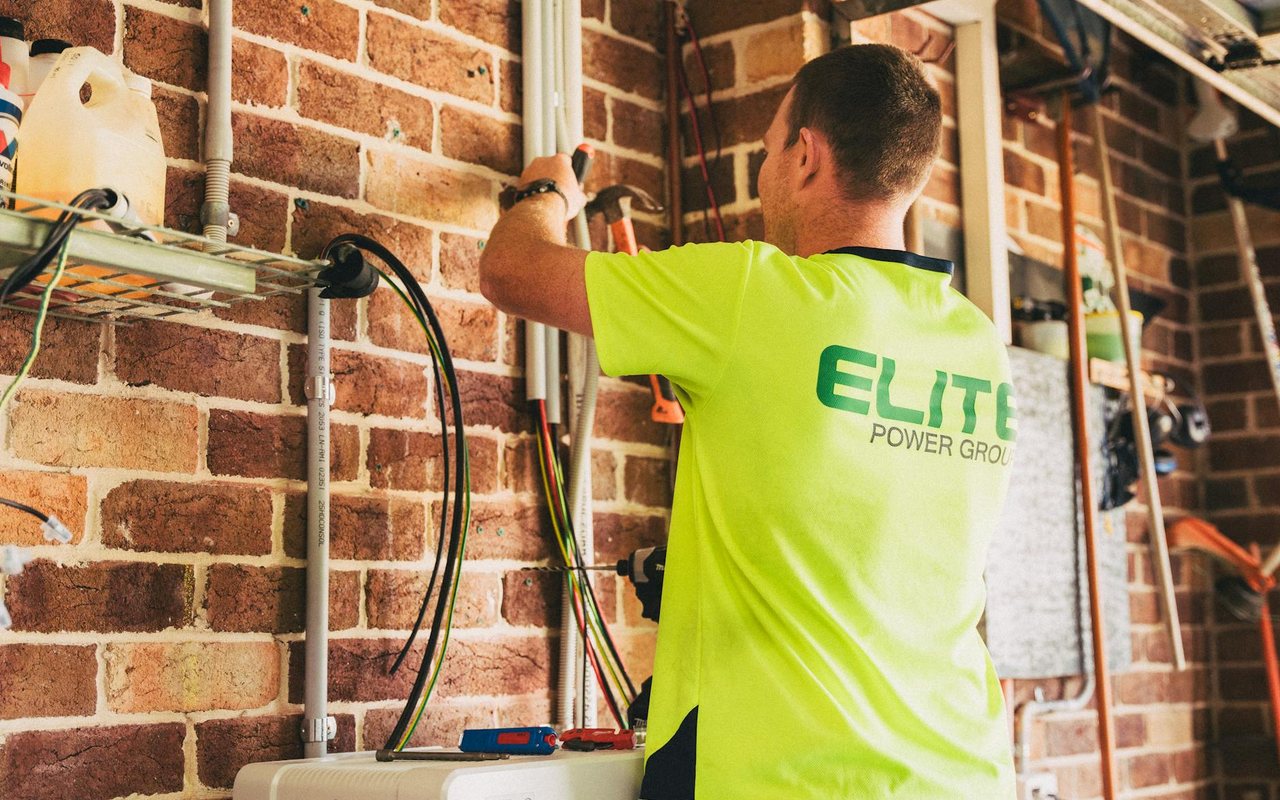
Home batteries and solar panels: when the investment makes sense
Spain's residential self-consumption market has matured. Home batteries are no longer a luxury, but they are not essential in every case. Discover when they truly improve your solar installation and how to avoid overpaying for capacity you do not need.
Read article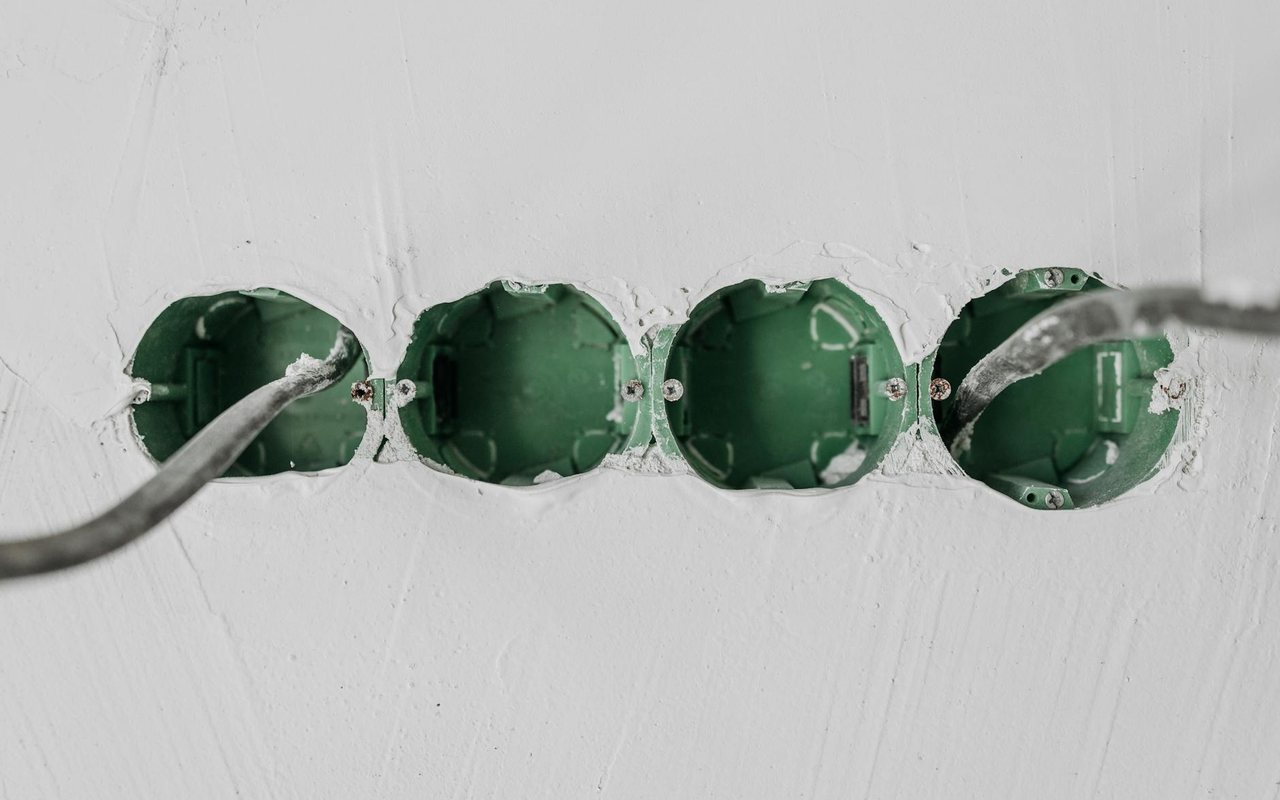
Electrical upgrade for heat pump, EV charger and solar panels
What to check in the panel, contracted power and wiring before adding a heat pump, EV charger or solar panels to a home in Spain.
Read articleFrequently asked questions

What is the difference between a battery charger inverter and a conventional solar inverter?
A conventional solar inverter only converts energy from the panels into alternating current. A battery charger inverter is an integrated solution that also allows charging batteries when there is excess solar energy, using that stored energy at times without radiation, and maintaining synchronization with the electrical grid. It is essential if you want to install a home storage system. Modern battery charger inverters are bidirectional and allow optimizing your home's energy consumption.
What type of battery is best for home use: lithium, gel, or iron phosphate?
Lithium batteries (especially LiFePO4) are currently the most recommended for home use due to their durability (8-10 years), greater charge-discharge cycle capacity (up to 6,000 cycles), superior efficiency (95%), and more compact size. Gel batteries are more economical but less efficient and with shorter lifespan (5-7 years). Iron phosphate is a valid intermediate option with excellent safety. The higher initial cost of lithium is offset by its durability and lower maintenance.
How long does it take to install an inverter and battery system?
Complete installation typically requires between 1 to 5 days depending on the project's complexity. Basic systems can be installed in 1-2 days, while premium installations with civil works may need 3-5 days. The work includes: disconnecting the existing installation, physical installation of equipment, electrical connections, functionality tests, inverter programming and energy management, and finally start-up. It is important that the installer performs complete tests before considering the work finished.
Do I need municipal permission or authorization from the distributor to install batteries?
Yes, you need to notify your electrical distributor of the storage installation, especially if your solar panel installation was already registered. In many cases it requires an administrative authorization request. At the municipal level, permission is generally not needed for interior storage systems, but it is recommended to check with your town hall. The professional installer will handle these administrative procedures as part of their service. Maintaining legality is important to guarantee manufacturer warranties and comply with safety regulations.
What is the expected return on investment for a battery installation?
The return on investment (ROI) depends on several factors: your home's energy consumption, electricity prices in your area, annual solar radiation hours, and whether you take advantage of self-consumption programs with excess. In Spain, considering savings on electricity and possible income from feeding excess back to the grid, the typical ROI is between 8-12 years for standard systems. With subsidies available in some regions, this timeframe is significantly reduced. A battery installation is also an investment in energy autonomy, stability against electricity price increases, and reduction of your carbon footprint.
Got more questions? Contact us!
Got more questions? Contact us!
Frequently asked questions
What is the difference between a battery charger inverter and a conventional solar inverter?
A conventional solar inverter only converts energy from the panels into alternating current. A battery charger inverter is an integrated solution that also allows charging batteries when there is excess solar energy, using that stored energy at times without radiation, and maintaining synchronization with the electrical grid. It is essential if you want to install a home storage system. Modern battery charger inverters are bidirectional and allow optimizing your home's energy consumption.
What type of battery is best for home use: lithium, gel, or iron phosphate?
Lithium batteries (especially LiFePO4) are currently the most recommended for home use due to their durability (8-10 years), greater charge-discharge cycle capacity (up to 6,000 cycles), superior efficiency (95%), and more compact size. Gel batteries are more economical but less efficient and with shorter lifespan (5-7 years). Iron phosphate is a valid intermediate option with excellent safety. The higher initial cost of lithium is offset by its durability and lower maintenance.
How long does it take to install an inverter and battery system?
Complete installation typically requires between 1 to 5 days depending on the project's complexity. Basic systems can be installed in 1-2 days, while premium installations with civil works may need 3-5 days. The work includes: disconnecting the existing installation, physical installation of equipment, electrical connections, functionality tests, inverter programming and energy management, and finally start-up. It is important that the installer performs complete tests before considering the work finished.
Do I need municipal permission or authorization from the distributor to install batteries?
Yes, you need to notify your electrical distributor of the storage installation, especially if your solar panel installation was already registered. In many cases it requires an administrative authorization request. At the municipal level, permission is generally not needed for interior storage systems, but it is recommended to check with your town hall. The professional installer will handle these administrative procedures as part of their service. Maintaining legality is important to guarantee manufacturer warranties and comply with safety regulations.
What is the expected return on investment for a battery installation?
The return on investment (ROI) depends on several factors: your home's energy consumption, electricity prices in your area, annual solar radiation hours, and whether you take advantage of self-consumption programs with excess. In Spain, considering savings on electricity and possible income from feeding excess back to the grid, the typical ROI is between 8-12 years for standard systems. With subsidies available in some regions, this timeframe is significantly reduced. A battery installation is also an investment in energy autonomy, stability against electricity price increases, and reduction of your carbon footprint.