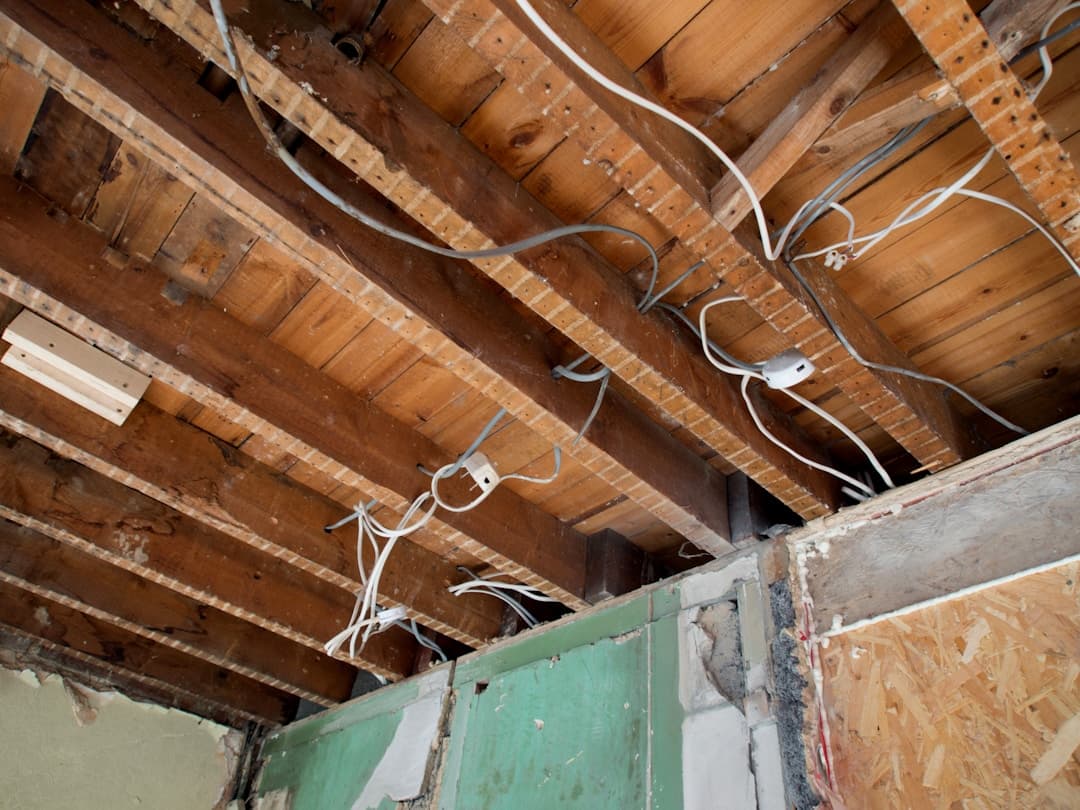
How Much Does It Cost to Replace a House's Electrical Installation?
When it comes to replacing the electrical installation, the average price is usually around €3,500 - €4,000 for a home of about 100 m². In the case of buildings, renovating the community electrical installation of a 4-story property can cost around €15,000. Prices may vary depending on the quality of materials and the age and size of the installation.
The amounts are indicative and come from the imported original guide. The final budget depends on the scope, materials, and previous condition of the space.
Last reviewed
August 2026
Edited by: Luis Rodenas
Pricing method
Indicative ranges are compared by scope, measurements, materials, labour, permits, VAT and contingency.
Alicante context
Confirm access, community rules, salt-air exposure and municipal requirements before accepting a quote.
Service Levels and Pricing
Compare the different options available based on your budget and needs for your electrical installation renovation.
Basic
Partial electrical installation renovation for small homes or specific renovations. Ideal for updating specific circuits and improving basic home safety.
Standard
Complete electrical installation renovation for homes of 80-120 m². Most recommended option that includes superior quality materials and extended warranty.
Premium
Comprehensive renovation with smart systems and energy efficiency for large homes or multi-story buildings. Includes home automation and advanced solutions.
Share your project details and get free contact with professionals who work on similar projects.
Prices for replacing electrical wiring
See what homeowners usually pay for the most common tasks. Use these ranges to fine-tune your scope and avoid missing key items in your budget.
Replacing electrical wiring in a 70 m² apartment
Replacing electrical wiring in an 80 m² apartment
Replacing electrical wiring in a 90 m² apartment
Replacing electrical wiring in a 100 m² apartment
Replacing electrical wiring in a 120 m² apartment
Tips to follow for LED recessed light installation with Reformia
When it comes to replacing electrical wiring, the average price is usually around 3.500 € - 4.000 € for a home of about 100 m². In the case of buildings, renovating the shared electrical installation of a 4-story property can cost around 15.000 €. Prices can vary depending on the quality of materials and the age and size of the installation.

1. Property size and electrical consumption
The larger the home and the more equipment that will be connected to the grid, the more electrical power will be required. This requires properly sizing the entire installation with an adequate number of switches and light points, as well as installing an electrical panel that supports the necessary power. These are aspects that directly impact the budget for replacing a house's electrical wiring.
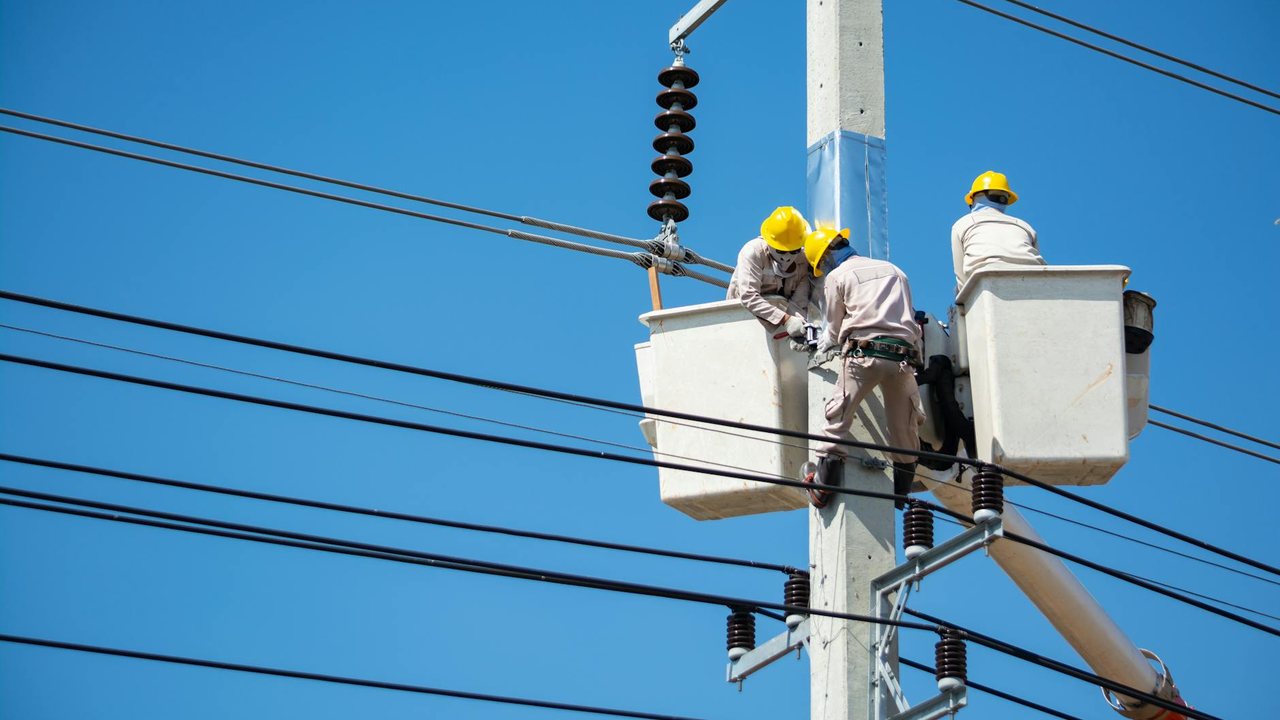
2. Compliance with current regulations
When the installation is very old, it's likely that many of its elements no longer meet the requirements of new regulations. In a reform, their replacement with approved equivalents is mandatory.

3. Special attention to bathrooms and kitchens
Regulations establish very strict requirements for these areas, considered wet spaces. The kitchen must have independent circuits for appliances and outlet height cannot be less than 50 cm from the vertical planes of the cooktop and sink. General-use outlets must be installed at least 110 cm from the floor to avoid risks from water.
When it comes to replacing electrical wiring, the average price is usually around 3.500 € - 4.000 € for a home of about 100 m². In the case of buildings, renovating the shared electrical installation of a 4-story property can cost around 15.000 €. Prices can vary depending on the quality of materials and the age and size of the installation.
What is usually included in a quote
Each professional may structure quotes differently, but most project budgets follow this logic.
Typically included
Often not included
Steps to upgrade a house's electrical installation
When it comes to replacing electrical wiring, the average price is usually around 3.500 € - 4.000 € for a home of about 100 m². In the case of buildings, renovating the shared electrical installation of a 4-story property can cost around 15.000 €. Prices can vary depending on the quality of materials and the age and size of the installation.
1. Assess the current condition of the installation
An electrician must inspect the entire existing installation to identify safety issues, old wiring, and outdated components. This initial assessment is essential to determine the scope of work and is the first step before requesting quotes, which range from 1,500 € to 5,500 € depending on complexity.
2. Get quotes from several electricians
Contact at least 3 professional electricians to get detailed quotes for your electrical installation replacement. Compare prices and included services: a 100 m² apartment costs around 2,500 €, while a 70 m² one is approximately 1,700 €. This helps you find the best value for money.

3. Review current permits and technical regulations
You must comply with current electrical regulations (REBT) and obtain necessary municipal permits before changing your installation. Your electrician must ensure all work meets current safety regulations and that the installation is certified upon completion.
4. Plan the new wiring layout
Design the route for new electrical cables considering your home's layout and consumption points. A well-organized plan optimizes the work and avoids additional costs. For homes of 80-100 m², the budget ranges from 1,900 € to 2,500 € including quality materials.
What can change your final price
Even similar projects can end with different budgets. These are the factors that most often push costs up or down.
Property size and square footage
A 100 m² house requires less material and time than a 200 m² one, directly affecting the final budget. The cost per square meter decreases in larger properties due to economies of scale.
Age and condition of the current installation
A very old installation may require extensive demolition work and pipe adaptation, significantly increasing costs. Homes with more recent installations typically need less structural intervention.
Quality of materials and components
Choosing larger gauge cables, premium brand differential switches, or home automation increases the budget. Basic materials from recognized brands are more economical while still offering warranty and safety.
Complexity of layout and element placement
Homes with many rooms, multiple floors, or hard-to-access walls require more cable, conduits, and connection points. Work on single-family homes is typically simpler than apartments with complex layouts.
Next step
Use "How Much Does It Cost to Replace a House's Electrical Installation?" to prepare a short brief before requesting quotes: current condition, must-have scope, optional upgrades, access constraints and timing. Then compare it with Electricians price guides so each contractor proposal covers the same work.
How much does it cost to replace the electrical wiring in an old house?
When it comes to replacing electrical wiring, the average price is usually around 3.500 € - 4.000 € for a home of about 100 m². In the case of buildings, renovating the shared electrical installation of a 4-story property can cost around 15.000 €. Prices can vary depending on the quality of materials and the age and size of the installation.
Factors affecting the price of replacing electrical wiring in an old house
What is considered when renovating electrical wiring?
When it comes to replacing electrical wiring, the average price is usually around 3.500 € - 4.000 € for a home of about 100 m². In the case of buildings, renovating the shared electrical installation of a 4-story property can cost around 15.000 €. Prices can vary depending on the quality of materials and the age and size of the installation.
When breaking down the budget for replacing electrical wiring in an old house, several items are taken into account:
- Reforming the electrical installation of a 50 m² old house including wiring, differential switches, grounding, automatic switch, and 16 junction boxes among other elements, has an approximate cost of 1.000 €.
- Replacing the electrical wiring of a 90 m² old house with 40 outlets (sockets, switches, and light points) will cost around 3.000 € if wall chasing isn't necessary.
- Renovating the electrical installation of a 60 m² old home, changing 20 sockets and 8 switches costs around 1.800 €.
- Changing a three-phase installation to single-phase costs around 500 €, including the Electrical Installation Certificate.
When renovating the electrical installation of a home or building, several fundamental aspects are considered to ensure its safety, efficiency, and regulatory compliance:
Safety: it is essential to ensure that the electrical installation complies with current safety regulations. This involves using appropriate and quality electrical materials and equipment, as well as ensuring that all connections are properly protected against short circuits and overloads.
Electrical capacity: the electrical capacity needed to meet the building's current and future energy demands is evaluated. This includes considering the number of light points, outlets, appliances, and electronic equipment that the electrical installation must support without problems.
- Safety: it is essential to ensure that the electrical installation complies with current safety regulations. This involves using appropriate and quality electrical materials and equipment, as well as ensuring that all connections are properly protected against short circuits and overloads.
- Electrical capacity: the electrical capacity needed to meet the building's current and future energy demands is evaluated. This includes considering the number of light points, outlets, appliances, and electronic equipment that the electrical installation must support without problems.
- Energy efficiency: this can include LED lighting installation, smart energy management systems, and optimization of electrical consumption through strategic placement of light points and outlets.
- Planning and design: electrical renovation also involves careful planning of the electrical distribution design within the space. This ensures balanced and functional electricity distribution throughout the home, considering aesthetic and functional aspects.
A platform built equally for homeowners and professionals
Whether you're planning a renovation or looking for your next project, Reformia gives both sides the tools to connect, compare, and collaborate with confidence.
For individuals
For professionals



You may also like
Electrical upgrade for heat pump, EV charger and solar panels
What to check in the panel, contracted power and wiring before adding a heat pump, EV charger or solar panels to a home in Spain.
Read article
Energy Efficiency Subsidies for Home Renovations in 2026
Discover the latest government subsidies and incentives for energy-efficient home renovations in Spain for 2026, including insulation, solar panels, and heat pump grants.
Read articleFrequently Asked Questions

How much does it cost to replace the electrical system in a 100 m² house?
The average price for renovating the electrical system in a 100 m² home ranges from 3,500 € to 4,000 €. This budget covers labor, basic materials, and compliance with current regulations. The final cost may vary depending on the quality of materials chosen and the complexity of the existing installation.
How long does it take to replace the electrical system?
A complete electrical system renovation in a single-family home typically takes between 5 and 10 working days, depending on the surface area and complexity of the work. In multi-story buildings, the timeline extends considerably, potentially reaching several weeks or even months. The duration is also affected by the need for technical inspections and administrative procedures.
What does the budget for replacing the electrical system include?
The typical budget includes removal of the old installation, installation of new wiring, electrical panel upgrade, new outlets and switches, and specialized labor. It also covers compliance with current safety regulations and, in most cases, a warranty on the work performed. Additional costs may arise if structural issues are discovered during execution.
Do I need permits or authorizations to replace my home's electrical system?
Yes, you must obtain a municipal building permit and have a technical inspection carried out once the installation is complete. Additionally, the work must be performed by a licensed and certified electrician, who will handle the necessary documentation with the relevant authorities. Failing to meet these requirements can result in fines and safety or liability issues in case of accident.
How do I choose the best electrician to replace the electrical system?
Look for licensed professionals with proven experience in residential installations and good references from previous clients. Request several detailed quotes to compare prices and scope of work, and verify that they include warranty and liability insurance. Make sure the electrician is familiar with current regulations and can handle the necessary permits and certificates.
Got more questions? Contact us!
Got more questions? Contact us!
Frequently Asked Questions
How much does it cost to replace the electrical system in a 100 m² house?
The average price for renovating the electrical system in a 100 m² home ranges from 3,500 € to 4,000 €. This budget covers labor, basic materials, and compliance with current regulations. The final cost may vary depending on the quality of materials chosen and the complexity of the existing installation.
How long does it take to replace the electrical system?
A complete electrical system renovation in a single-family home typically takes between 5 and 10 working days, depending on the surface area and complexity of the work. In multi-story buildings, the timeline extends considerably, potentially reaching several weeks or even months. The duration is also affected by the need for technical inspections and administrative procedures.
What does the budget for replacing the electrical system include?
The typical budget includes removal of the old installation, installation of new wiring, electrical panel upgrade, new outlets and switches, and specialized labor. It also covers compliance with current safety regulations and, in most cases, a warranty on the work performed. Additional costs may arise if structural issues are discovered during execution.
Do I need permits or authorizations to replace my home's electrical system?
Yes, you must obtain a municipal building permit and have a technical inspection carried out once the installation is complete. Additionally, the work must be performed by a licensed and certified electrician, who will handle the necessary documentation with the relevant authorities. Failing to meet these requirements can result in fines and safety or liability issues in case of accident.
How do I choose the best electrician to replace the electrical system?
Look for licensed professionals with proven experience in residential installations and good references from previous clients. Request several detailed quotes to compare prices and scope of work, and verify that they include warranty and liability insurance. Make sure the electrician is familiar with current regulations and can handle the necessary permits and certificates.