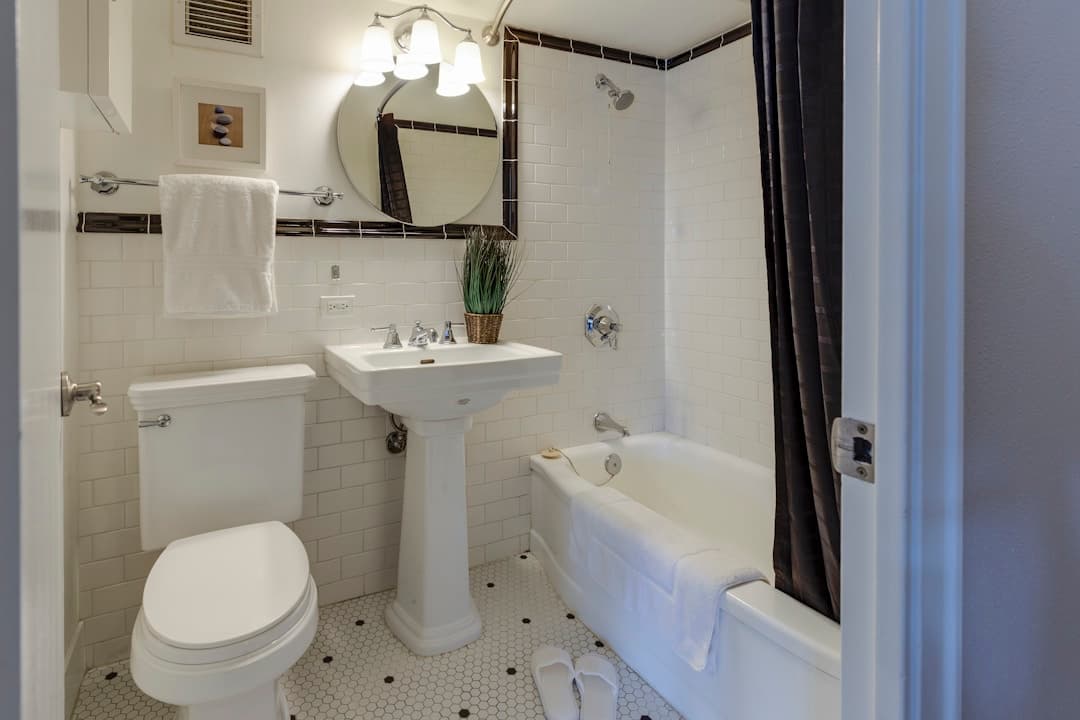
How Much Does It Cost to Replace Plumbing in a House?
The price of changing or renovating the plumbing in a 100 m² house ranges between 4,000 and 10,000 €. Replacing the complete plumbing in a bathroom ranges between 2,200 and 3,000 €; while in a kitchen between 1,500 and 3,000 €.
The amounts are indicative and come from the original imported guide. The final budget depends on the scope, materials and previous condition of the space.
Last reviewed
August 2026
Edited by: Luis Rodenas
Pricing method
Indicative ranges are compared by scope, measurements, materials, labour, permits, VAT and contingency.
Alicante context
Confirm access, community rules, salt-air exposure and municipal requirements before accepting a quote.
Service Levels and Pricing
Choose the renovation level that best fits your budget and plumbing needs for your home.
Basic
Pipe repair and replacement in specific areas without structural changes. Ideal for targeted areas or limited budgets.
Standard
Complete plumbing renovation in one or two rooms (bathroom or kitchen) with modernized installations. The most popular and balanced option.
Premium
Comprehensive plumbing renovation throughout the entire home with modern systems, high-quality materials, and luxury finishes. Maximum durability and efficiency.
Share your project details and get free contact with professionals who work on similar projects.
Approximate budget for changing plumbing €/m²
The budget for changing plumbing depends not only on the size of the property, but also on the scope of the renovation, whether it's the entire installation or just part of it. Generally, prices are more competitive in the first case. Despite this, personalized quotes should always be requested. The following are indicative prices.
Changing or renovating the bathroom plumbing
Changing or renovating the kitchen plumbing
Full renovation of residential plumbing installation
Renovating bathroom plumbing and replacing fixtures
Tips for changing plumbing with Reformia
The price of changing or renovating the plumbing in a 100 m² house ranges between 4,000 and 10,000 €. Changing the complete bathroom plumbing ranges between 2,200 and 3,000 €; while kitchen plumbing ranges between 1,500 and 3,000 €.

1. Changing bathroom and kitchen
When renovating a bathroom or kitchen, it will also be the time to change the corresponding plumbing installation. It must be considered that the water installation, although not visible, is a fundamental element in terms of good water service in the kitchen and bathroom, and since it is necessary to open walls to replace it with a new one, the most advisable thing is to carry out the replacement of the plumbing while taking advantage of the bathroom or kitchen renovation, as it minimizes the impact this type of work has.
2. Installing an individual meter
There are still buildings where the water bill is paid as a community expense. In these cases it is always advisable to install an individual meter at the entrance of the private installation. This achieves greater control over consumption, more rational water use and, therefore, a lower bill.

3. Installing with false ceiling
Nowadays only what is strictly necessary is installed on the floor. The fact that plumbing pipes are installed in false ceilings has an explanation: in case of failure, repair is much easier and more economical, since the false ceiling can be opened and closed again without major problems and without the need for construction work.
The price of changing or renovating the plumbing in a 100 m² house ranges between 4,000 and 10,000 €. Changing the complete bathroom plumbing ranges between 2,200 and 3,000 €; while kitchen plumbing ranges between 1,500 and 3,000 €.
What is usually included in a quote
Each professional may structure quotes differently, but most project budgets follow this logic.
Typically included
Often not included
What to consider when changing the plumbing in your house
The price of changing or renovating the plumbing in a 100 m² house ranges between 4,000 and 10,000 €. Changing the complete bathroom plumbing ranges between 2,200 and 3,000 €; while kitchen plumbing ranges between 1,500 and 3,000 €.
1. Materials of the pipes
The materials used to manufacture pipes have changed greatly in recent decades. Today there are two materials that are used fundamentally. On one hand, chromium-plated copper, on the other, polyethylene. The first is used only for drinking water pipes, the second also for drains. These are not the only materials; in some cases steel or chlorinated polyvinyl chloride (CPVC) is used.
2. Type of installation
Nowadays plumbing installations do not go along the floor, except when absolutely necessary, that is, in the case of drains. The rest of the pipes are installed either embedded in the walls or through false ceilings. Sometimes they can even go in a double wall. It should also be taken into account that, in the case of using copper tubing, it should be protected with corrugated tubing.
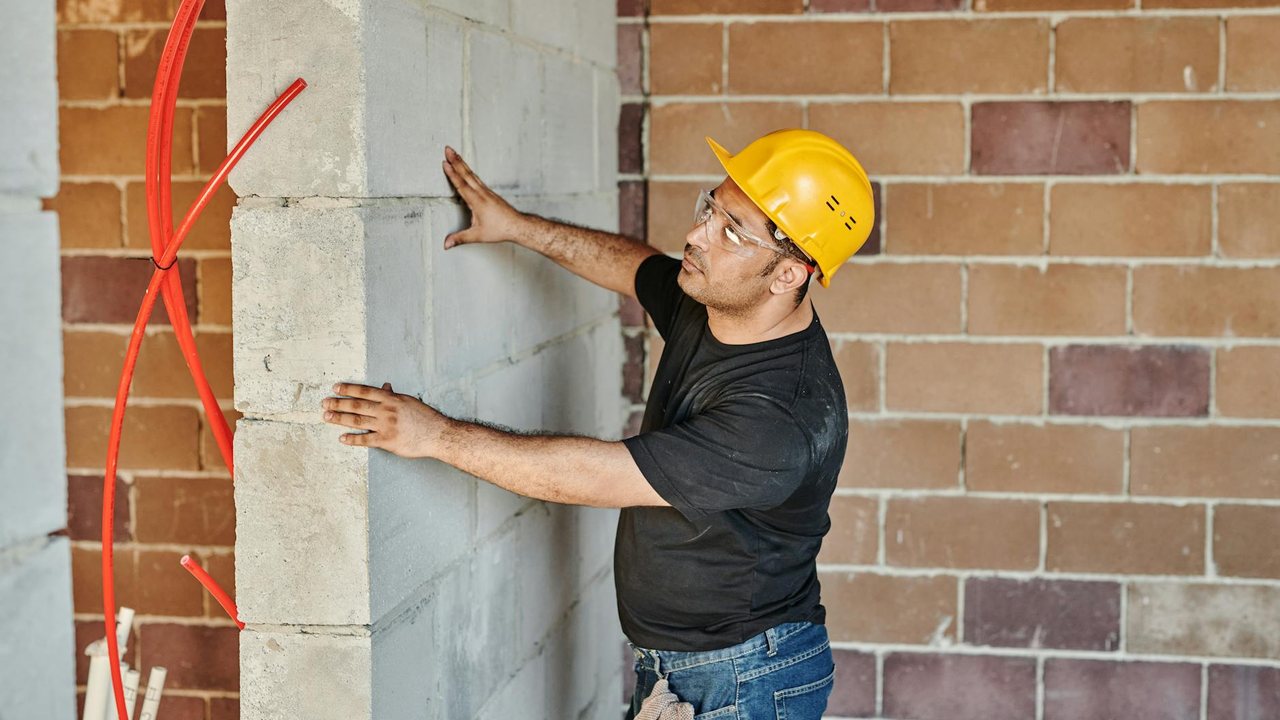
3. Stop valves
In addition to the general stop valve for the property, in new construction regulations require independent stop valves for cold and hot water in bathrooms and the kitchen, so that in case of failure the network can continue to function. If they don't exist and you're going to change the plumbing, it's worth considering.
4. Water meter
The water meter or the room where the distribution battery is located should preferably be on the ground floor and as close as possible to the building entrance. And it should always be in an easily accessible location. If there is only one meter for the community, it is advisable to install individual meters.
What can change your final price
Even similar projects can end with different budgets. These are the factors that most often push costs up or down.
Home size and number of water outlets
The larger the property and the more bathrooms, kitchens, or water outlets, the more piping will need to be replaced and the higher the final cost. A 100 m² house requires more materials and labor than a 60 m² apartment.
Current condition of the installation and accessibility
If the pipes are embedded in walls or hidden under floors, the demolition and trenching work significantly increases the price. Installations that are easily accessible are more economical to replace.
Type of piping and selected materials
Switching to copper, PEX, or stainless steel pipes has different costs. Premium quality materials and specialized valves increase the budget compared to more basic options.
Need for complementary work and additional repairs
If structural damage, moisture issues, or the need to repair damaged ceilings, walls, or floors are discovered during the plumbing replacement, these extra works will significantly increase the total renovation cost.
Next step
Use "How Much Does It Cost to Replace Plumbing in a House?" to prepare a short brief before requesting quotes: current condition, must-have scope, optional upgrades, access constraints and timing. Then compare it with Bathroom Renovations price guides so each contractor proposal covers the same work.
Factors that influence the price of changing the plumbing in a house
The price of changing or renovating the plumbing in a 100 m² house ranges between 4,000 and 10,000 €. Changing the complete bathroom plumbing ranges between 2,200 and 3,000 €; while kitchen plumbing ranges between 1,500 and 3,000 €.
When changing the plumbing in a bathroom, kitchen, or the entire home, there are factors that affect the price. Some of the most important ones to consider are the following:
When do you need to change the plumbing?
The price of changing or renovating the plumbing in a 100 m² house ranges between 4,000 and 10,000 €. Changing the complete bathroom plumbing ranges between 2,200 and 3,000 €; while kitchen plumbing ranges between 1,500 and 3,000 €.
Breakdown of prices
The prices for renovating plumbing will depend on the individual cost of each of the elements that must be considered to carry out the renovation:
- Property dimensions: Logically, the more square meters the property has, the larger the plumbing installation will be, and consequently, the higher the cost of its renovation or replacement.
- Number of water outlets: Another important point that will affect the price is the number of water outlets installed. It's not the same to have several bathrooms instead of just one, or for a bathroom to have only a sink, toilet, and shower rather than two sinks and, additionally, a bidet, etc.
- Masonry work: Masonry work in addition to the replacement of the plumbing installation is an important factor in the price. It must be considered that tiling the bathroom or kitchen is one of the works that, proportionally, is most expensive to do. Additionally, it must also be considered that it will be necessary to cut grooves in walls and floors for the placement of the pipes themselves.
- Quality of materials: Finally, another factor to consider that significantly affects the cost of changing the plumbing is the quality of materials. This will be noticeable not only in the type of pipes and fittings used, but also in the tiles of the tiling, the fixtures chosen, and all other materials included in the renovation.
The plumbing installation also ages, and when that happens problems begin to appear that can range from a simple clog to a significant break. Continuous use, mineral deposits, soaps, and chemical products that go down the drains can end up wearing out or causing deposits in the pipes. And the metal they are made of can also degrade.
For this reason, plumbing pipes should be changed, as a recommendation, every ten years. It should be noted that, although they are not visible, problems will be there and it is always better to prevent them.
If dirty water comes out
- Bathroom fixtures: the average cost can vary between 100 € and 2,000 € in total. A pedestal sink costs between 50 € and 300 € on average, and a toilet between about 80 € and 400 €.
- Boiler: the average cost of a gas boiler is between 1,000 € and 2,000 €, and its choice should be in line with the use of hot water intended. It is, without a doubt, one of the elements that can most increase the cost of the work, but it will not always be part of the budget, unless it is essential to replace it.
- Faucets and pipes: the average cost of a kitchen faucet can vary between 30 € and 150 €. These prices are also similar in the case of shower and sink faucets.
- Pipes: the price will depend largely on the type of materials used, varying from 3 €/m in the case of PVC pipes, to 20 €/m in the case of stainless steel pipes.
A platform built equally for homeowners and professionals
Whether you're planning a renovation or looking for your next project, Reformia gives both sides the tools to connect, compare, and collaborate with confidence.
For individuals
For professionals


You may also like

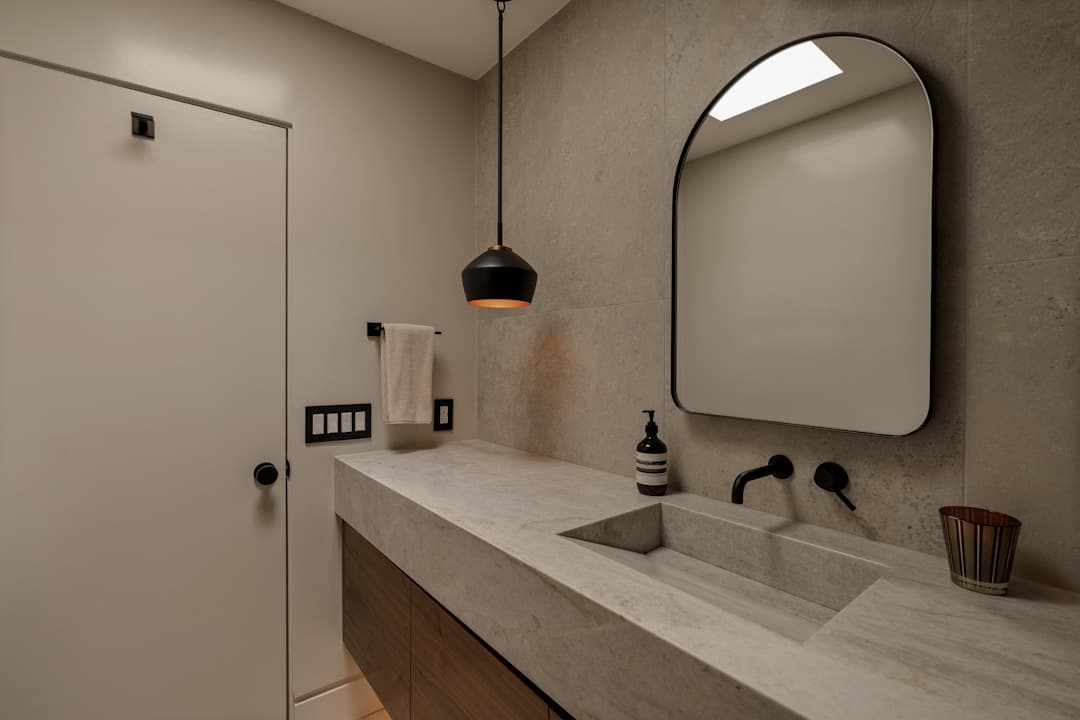
Las Harineras in Benalua Sur: what may change for renovation in Alicante
The Las Harineras transformation may change how homes compete in Benalua Sur. What to review before renovating.
Read article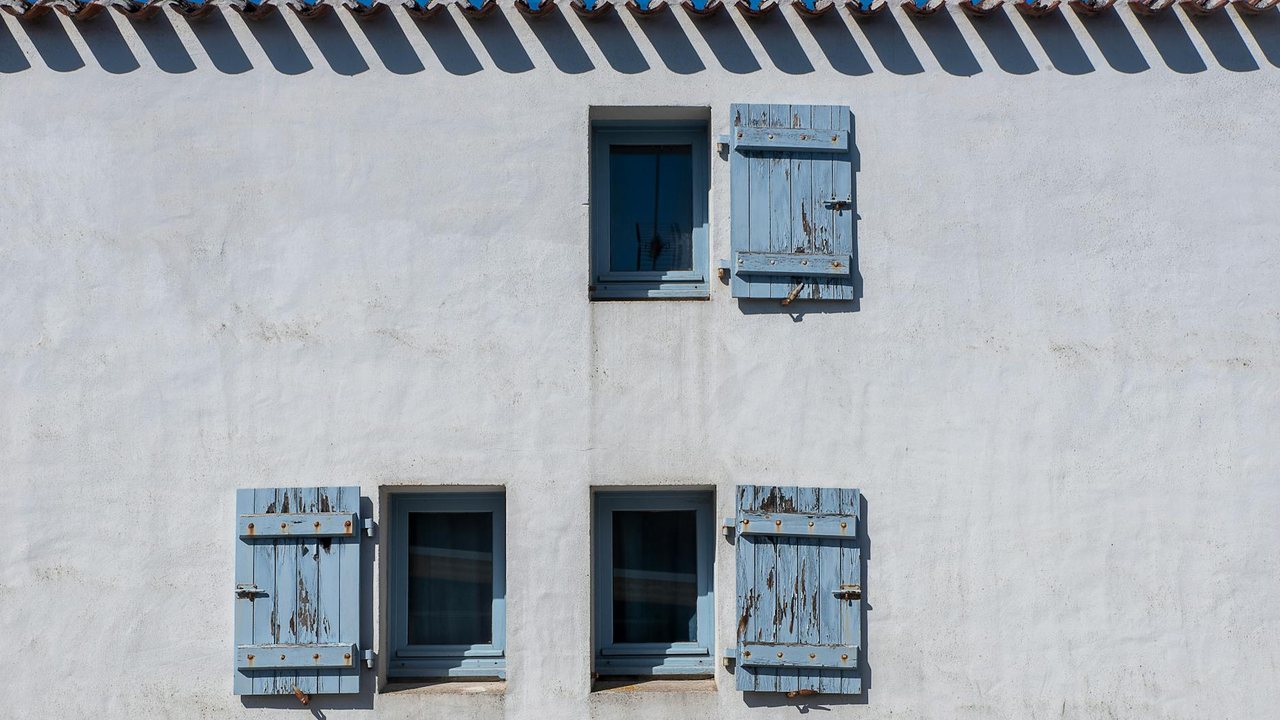
Alicante heat in 2026: renovations to keep the home cool
AEMET points to warmer months. Practical renovations to reduce heat, consumption and dependence on air conditioning.
Read article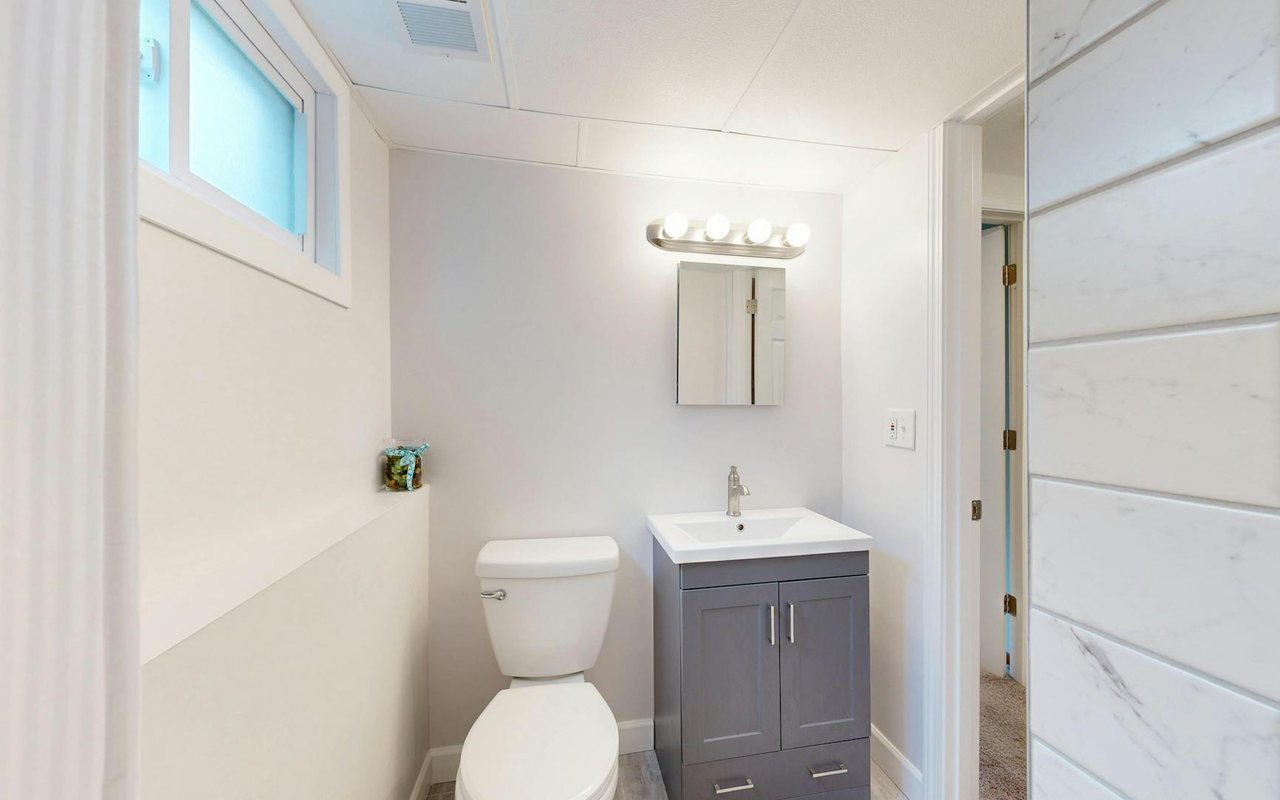
Small Bathroom Renovation: Ideas to Maximize Space
Smart design solutions and renovation ideas for small bathrooms in Spain, with space-saving fixtures, storage solutions, and real cost estimates.
Read articleFrequently Asked Questions

How much does it cost to replace all the plumbing in a house?
The price for a complete plumbing replacement in a 100 m² home typically ranges from 4.000 to 10.000 €, depending on the current state of the pipes and the complexity of the installation. If you only need to renovate the bathroom plumbing, the cost is around 2.200 to 3.000 €, while the kitchen ranges between 1.500 and 3.000 €. These prices include labor, basic materials, and debris removal.
How long does it take to replace the plumbing in a house?
The time required depends on the scope of work: replacing plumbing in a single bathroom usually takes between 5 and 10 days, while renovating the entire plumbing system in a 100 m² home can require between 2 and 4 weeks. If wall chasing is necessary to access the pipes, timelines may extend up to 6 weeks. It's recommended to consult with the professional for a realistic estimate based on your specific situation.
What is included in a plumbing replacement quote?
A complete quote should include removal of old pipes, installation of new pipes (typically copper or PEX), replacement of fixtures, connection of sanitary ware and appliances, as well as pressure testing. It should also specify whether it includes wall chasing, subsequent finishing and painting, as well as debris removal. It's important that the quote details which materials will be used and which are extras, to avoid any surprises at the end.
How should I choose a professional to replace my plumbing?
Look for a licensed plumber with verifiable experience in comprehensive plumbing renovations, preferably with references from previous clients. It's recommended to request several detailed quotes (at least 3) before deciding, comparing materials, warranty, and execution timeline. Make sure the professional is registered with social security and offers written warranty on the work performed, typically between 2 and 5 years.
Do I need permits or licenses to replace my home plumbing?
Most interior plumbing renovations don't require a municipal license, although it's advisable to notify your local municipality about the work. However, if the renovation affects facades, structural elements, or shared services, it's mandatory to apply for a building permit. It's essential that the work complies with Spanish technical standards (Building Technical Code) and that a pressure test is performed upon completion, documented by the professional.
Got more questions? Contact us!
Got more questions? Contact us!
Frequently Asked Questions
How much does it cost to replace all the plumbing in a house?
The price for a complete plumbing replacement in a 100 m² home typically ranges from 4.000 to 10.000 €, depending on the current state of the pipes and the complexity of the installation. If you only need to renovate the bathroom plumbing, the cost is around 2.200 to 3.000 €, while the kitchen ranges between 1.500 and 3.000 €. These prices include labor, basic materials, and debris removal.
How long does it take to replace the plumbing in a house?
The time required depends on the scope of work: replacing plumbing in a single bathroom usually takes between 5 and 10 days, while renovating the entire plumbing system in a 100 m² home can require between 2 and 4 weeks. If wall chasing is necessary to access the pipes, timelines may extend up to 6 weeks. It's recommended to consult with the professional for a realistic estimate based on your specific situation.
What is included in a plumbing replacement quote?
A complete quote should include removal of old pipes, installation of new pipes (typically copper or PEX), replacement of fixtures, connection of sanitary ware and appliances, as well as pressure testing. It should also specify whether it includes wall chasing, subsequent finishing and painting, as well as debris removal. It's important that the quote details which materials will be used and which are extras, to avoid any surprises at the end.
How should I choose a professional to replace my plumbing?
Look for a licensed plumber with verifiable experience in comprehensive plumbing renovations, preferably with references from previous clients. It's recommended to request several detailed quotes (at least 3) before deciding, comparing materials, warranty, and execution timeline. Make sure the professional is registered with social security and offers written warranty on the work performed, typically between 2 and 5 years.
Do I need permits or licenses to replace my home plumbing?
Most interior plumbing renovations don't require a municipal license, although it's advisable to notify your local municipality about the work. However, if the renovation affects facades, structural elements, or shared services, it's mandatory to apply for a building permit. It's essential that the work complies with Spanish technical standards (Building Technical Code) and that a pressure test is performed upon completion, documented by the professional.