Install or Replace Radiators
Installing or replacing radiators typically costs an average of 3,150€ and ranges from 300€ to 6,000€ depending on the project scope. The price varies significantly based on radiator type, materials such as high-efficiency aluminum, and whether new plumbing work is required. We recommend getting quotes from several professional installers to compare options and ensure the best value for your heating system upgrade.
Last reviewed
August 2026
Pricing method
Indicative ranges are compared by scope, measurements, materials, labour, permits, VAT and contingency.
Alicante context
Confirm access, community rules, salt-air exposure and municipal requirements before accepting a quote.
Service Levels and Pricing
Compare the different options available based on your budget and needs.
Basic
Installation or replacement of standard radiators in single-family homes or small spaces, without additional complications in existing pipes.
Standard
Complete replacement of several radiators in medium-sized homes or installation in new constructions with re-fitted pipes.
Premium
Complete installation of modern heating systems with high energy-efficiency radiators, new pipes, and smart control technology.
Share your project details and get free contact with professionals who work on similar projects.
Radiator Installation or Replacement Prices
See what homeowners usually pay for the most common tasks. Use these ranges to fine-tune your scope and avoid missing key items in your budget.
Simple radiator installation (steel, no construction work)
Existing radiator replacement (direct substitution)
High-efficiency aluminum radiator installation
Installation with new construction work (plumbing and piping)
Towel rack or specialty radiator installation
Complete radiator system replacement (per dwelling)
Steps to Install or Replace Radiators with Reformia
The average cost of installing or replacing radiators varies depending on the number and type of radiators needed.
1. Assess your current heating system
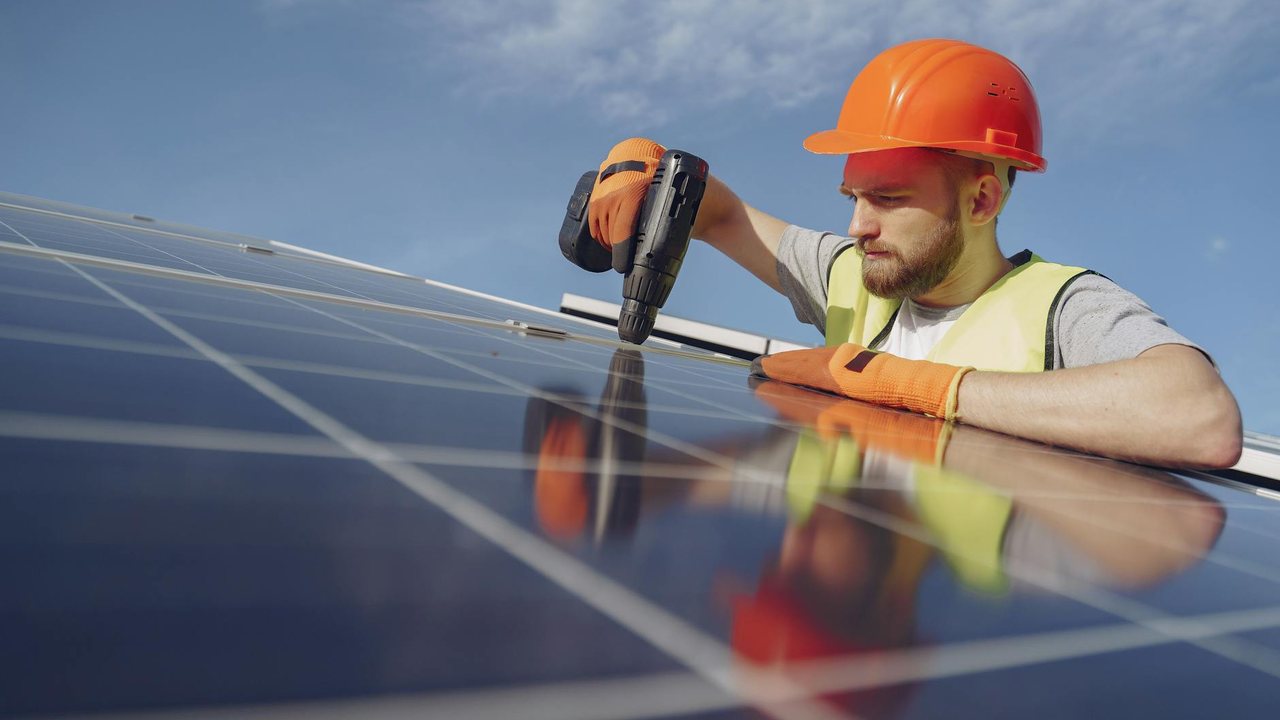
Before installing or replacing radiators, a professional must inspect your current heating system to determine compatibility. This assessment is crucial for complete system changes, which can reach 2,500 € per home, or simple replacements from 200 €.
2. Measure and select appropriate radiators
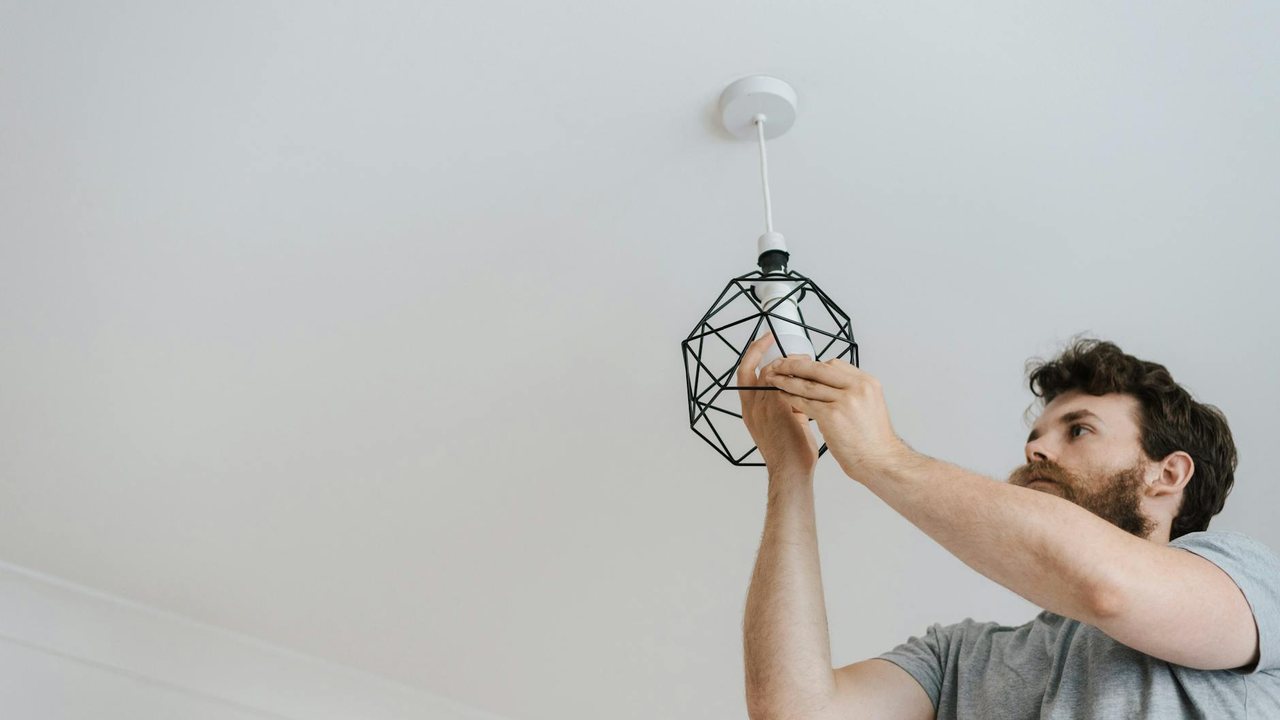
The technician will measure available spaces and select radiators based on your heating needs. From simple steel radiators (150 €) to high-efficiency aluminum models (250 €), proper selection ensures better energy performance and home comfort.

3. Get a quote from the installer
Request a detailed quote that includes the radiator type, labor, and any additional work. Prices range from 300 € for basic projects to 6,000 € for premium installations with new construction and complete piping.
The average cost of installing or replacing radiators varies depending on the number and type of radiators needed.
What is usually included in a quote
Each professional may structure quotes differently, but most project budgets follow this logic.
Typically included
Often not included
Steps to Install or Replace Radiators
The average cost of installing or replacing radiators varies depending on the number and type of radiators needed.
1. Assess your current heating system
Before installing or replacing radiators, a professional must inspect your current heating system to determine compatibility. This assessment is crucial for complete system changes, which can reach 2,500 € per home, or simple replacements from 200 €.
2. Measure and select appropriate radiators
The technician will measure available spaces and select radiators based on your heating needs. From simple steel radiators (150 €) to high-efficiency aluminum models (250 €), proper selection ensures better energy performance and home comfort.
3. Get a quote from the installer
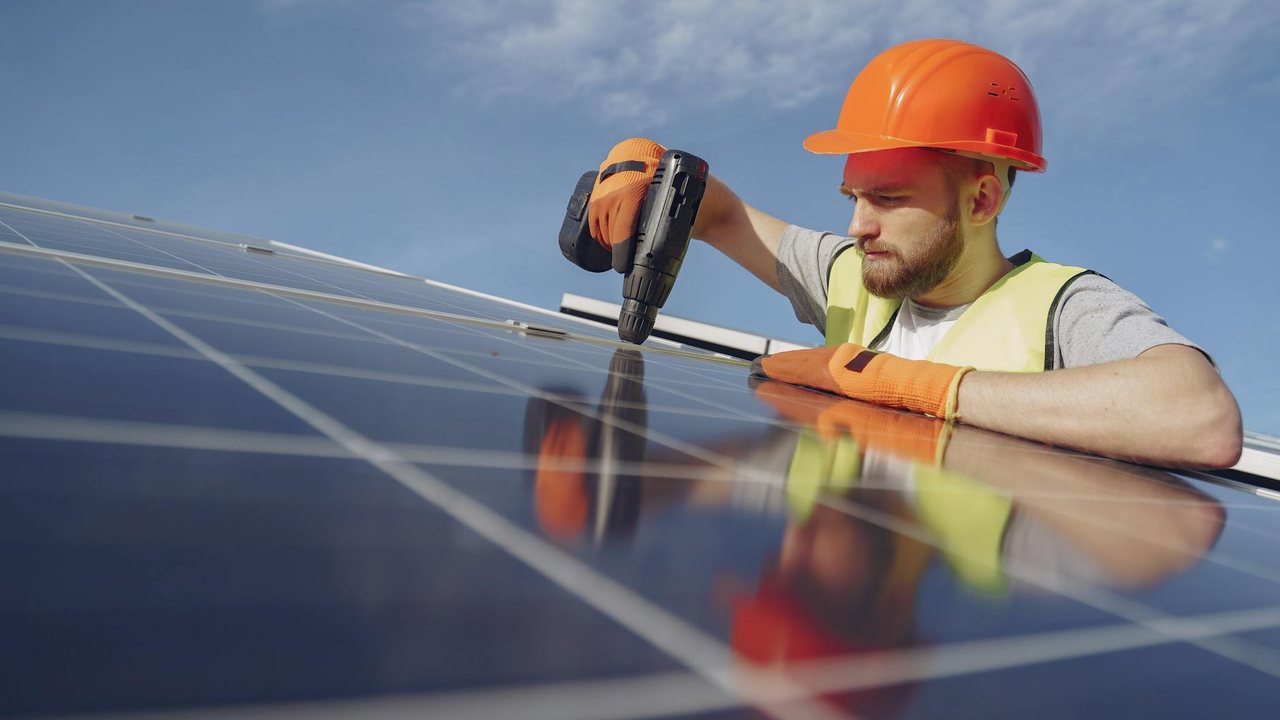
Request a detailed quote that includes the radiator type, labor, and any additional work. Prices range from 300 € for basic projects to 6,000 € for premium installations with new construction and complete piping.
4. Prepare the work area
The installer will prepare the area by clearing access and protecting nearby furniture. Good preparation speeds up the radiator installation process, reducing time and minimizing damage to your home during the work.
What can change your final price
Even similar projects can end with different budgets. These are the factors that most often push costs up or down.
Radiator type and size
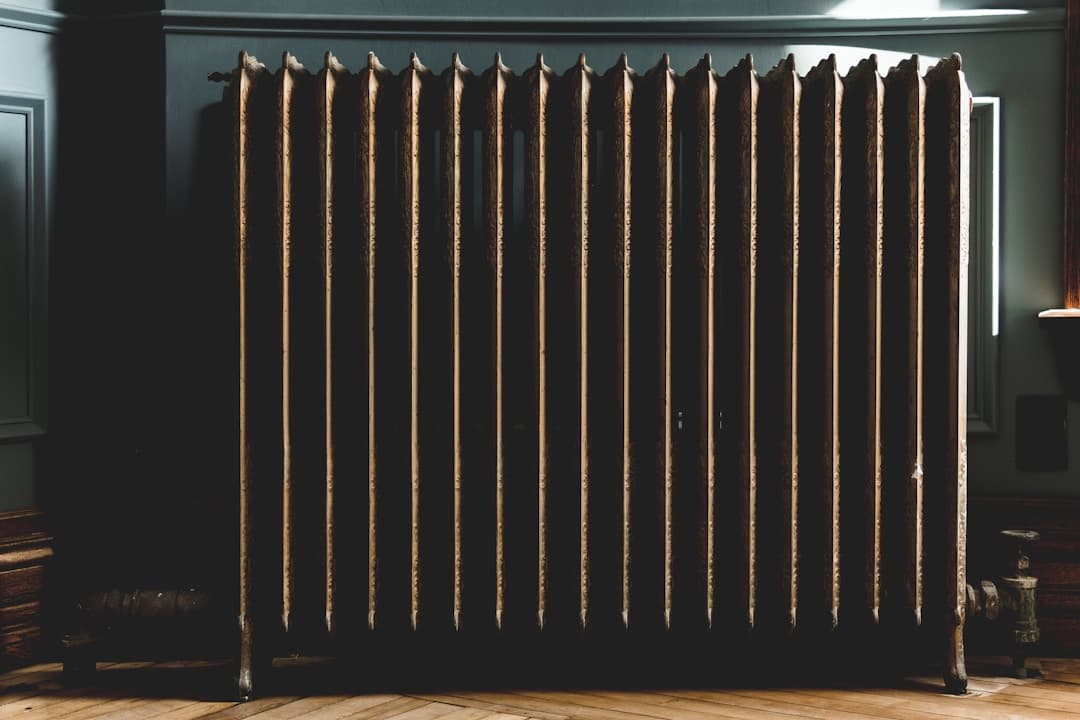
Aluminum, steel, and cast iron radiators have very different prices. Size (measured in watts) also has a significant impact, as larger radiators require more material and may need reinforcement during installation.
Installation complexity
Access difficulty, the need to modify existing piping, and whether it's a simple replacement or a complete installation in a new home directly affect labor time and total cost.
Number of radiators to install or replace
The budget varies depending on the quantity of radiators. Installing or replacing multiple radiators allows for cost optimization, but also increases the total project execution time.
Condition of existing installation and system bleeding
If there are old pipes, corrosion, or the system requires bleeding and thermostat valve adjustment, these additional works significantly increase the final budget.
Next step
Use "Install or Replace Radiators" to prepare a short brief before requesting quotes: current condition, must-have scope, optional upgrades, access constraints and timing. Then compare it with Heating Systems price guides so each contractor proposal covers the same work.
General Information
The average cost of installing or replacing radiators varies depending on the number and type of radiators needed.
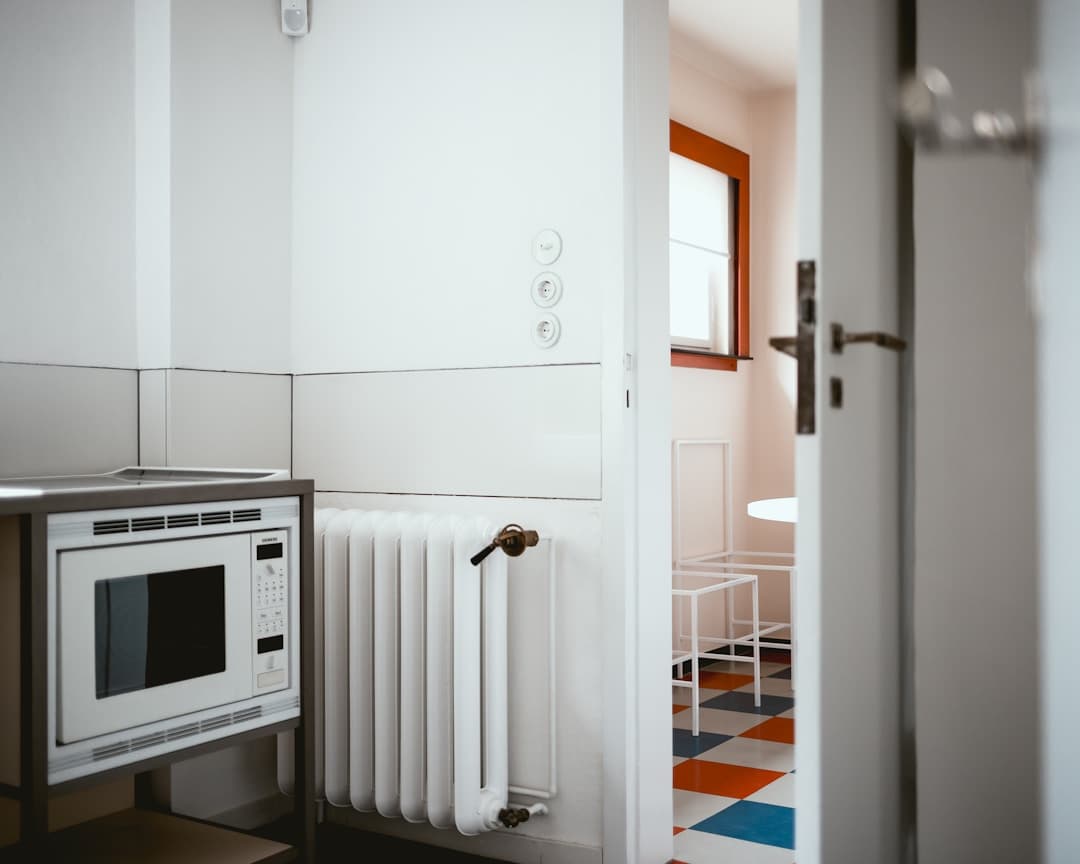
Installing or replacing radiators is an essential service in residential and commercial heating systems. This work involves placing new radiators, replacing old or faulty units, and properly connecting them to the existing pipe installation. It is important to have certified professionals who guarantee optimal performance of the heating system.
Installing or Replacing Radiators Cost and Price Guide
The average cost of installing or replacing radiators varies depending on the number and type of radiators needed.
The cost of installing or replacing radiators in Spain varies considerably depending on the type of radiator chosen, the complexity of the installation, the number of units to replace, and the condition of the existing installation. Factors such as accessibility, the need for additional work on walls or pipes, and the radiator brand directly influence the final budget.
Heating specialists carry out a preliminary diagnosis of the installation, advise on the best radiator options according to heating needs, and guarantee proper installation, startup, and system testing. A complete service also includes the removal and waste management of old radiators.
Installing or replacing radiators in Spain typically costs between €300 and €1,500 per radiator, depending on the type, size, and complexity of the installation. For a professional radiator installation or replacement project, homeowners should expect to budget additional costs for labor, materials, and any necessary plumbing modifications. The final price can vary significantly based on whether you're simply swapping out existing radiators or undertaking a complete heating system upgrade. When planning your budget, it's essential to obtain a detailed quote from experienced professionals who can assess your specific heating needs.
Several factors influence the overall cost of radiator installation services. The type of radiator you choose—whether aluminum, steel, cast iron, or designer models—affects both material and labor costs. Installation complexity increases the price if your home requires extensive pipework modifications, wall preparation, or integration with an existing heating system. Additionally, the location of radiators within your property and accessibility for professionals can impact installation time and expenses. Professional installers will need to consider your current heating infrastructure and ensure proper system balancing for optimal performance.
To get an accurate radiator installation price, it's highly recommended to compare quotes from multiple professionals in your area. Different heating specialists may offer varying rates based on their experience, reputation, and service guarantees. When requesting quotes, provide detailed information about your property, existing heating system, and specific radiator requirements. This allows professionals to give you a comprehensive estimate that covers all aspects of the installation work. Don't simply choose the cheapest option—evaluate each quote carefully to ensure the professional offers quality workmanship and reliable after-sales support.
A platform built equally for homeowners and professionals
Whether you're planning a renovation or looking for your next project, Reformia gives both sides the tools to connect, compare, and collaborate with confidence.
For individuals
For professionals

You may also like
Replacing a boiler with a heat pump in 2026: what the CAE proposal means
MITECO consulted on CAE multipliers for boiler-to-heat-pump replacements; it is not an open grant and decisions should start with demand, emitters and electrics.
Read article
Electrical upgrade for heat pump, EV charger and solar panels
What to check in the panel, contracted power and wiring before adding a heat pump, EV charger or solar panels to a home in Spain.
Read article
Energy Efficiency Subsidies for Home Renovations in 2026
Discover the latest government subsidies and incentives for energy-efficient home renovations in Spain for 2026, including insulation, solar panels, and heat pump grants.
Read articleFrequently Asked Questions
What is the typical lifespan of a radiator?
A quality radiator has an approximate lifespan of 15-25 years, depending on the material type and maintenance. Aluminum radiators tend to last somewhat less than steel ones. If you notice leaks, unusual noises, or changes in thermal efficiency, it is recommended to replace them. Regular maintenance with annual purging and periodic inspections can significantly extend their durability.
Is it possible to install new radiators without changing the entire installation?
Yes, it is possible to replace individual radiators while keeping the existing pipe installation, provided the system is in good condition. However, in many cases it is advisable to review and update valves, pipes, and connections, especially if the installation is more than 10-15 years old. A professional can assess whether it is viable to keep the current installation or if it would be more efficient to partially renovate it.
What is the difference between aluminum and steel radiators?
Aluminum radiators are lighter, heat up quickly, and take up less space, making them ideal for tight spaces. Steel radiators have greater heat retention capacity, are more durable, and are typically more economical. The choice depends on your specific heating needs, available space, and budget. Both offer excellent performance in Spanish residential heating systems.
How long does a complete radiator installation take?
A basic installation of 1-2 radiators can be completed in 1-2 days. For a complete replacement of several radiators with pipe improvements, the estimated time is 3-7 days depending on complexity. Work requiring pipe re-fitting, insulation, or smart system installation may take longer. It is important to coordinate these timelines with the installer before hiring them.
Does radiator installation require special permits?
In most cases of radiator replacement in homes, no specific permits are required. However, if it is a major renovation project involving pipe modifications or boiler replacement, municipal permits may be necessary. It is advisable to consult with your local municipality or the contracted professional. Additionally, the installation must comply with current energy efficiency and thermal installation safety regulations in Spain.
Got more questions? Contact us!
Got more questions? Contact us!
Frequently Asked Questions
What is the typical lifespan of a radiator?
A quality radiator has an approximate lifespan of 15-25 years, depending on the material type and maintenance. Aluminum radiators tend to last somewhat less than steel ones. If you notice leaks, unusual noises, or changes in thermal efficiency, it is recommended to replace them. Regular maintenance with annual purging and periodic inspections can significantly extend their durability.
Is it possible to install new radiators without changing the entire installation?
Yes, it is possible to replace individual radiators while keeping the existing pipe installation, provided the system is in good condition. However, in many cases it is advisable to review and update valves, pipes, and connections, especially if the installation is more than 10-15 years old. A professional can assess whether it is viable to keep the current installation or if it would be more efficient to partially renovate it.
What is the difference between aluminum and steel radiators?
Aluminum radiators are lighter, heat up quickly, and take up less space, making them ideal for tight spaces. Steel radiators have greater heat retention capacity, are more durable, and are typically more economical. The choice depends on your specific heating needs, available space, and budget. Both offer excellent performance in Spanish residential heating systems.
How long does a complete radiator installation take?
A basic installation of 1-2 radiators can be completed in 1-2 days. For a complete replacement of several radiators with pipe improvements, the estimated time is 3-7 days depending on complexity. Work requiring pipe re-fitting, insulation, or smart system installation may take longer. It is important to coordinate these timelines with the installer before hiring them.
Does radiator installation require special permits?
In most cases of radiator replacement in homes, no specific permits are required. However, if it is a major renovation project involving pipe modifications or boiler replacement, municipal permits may be necessary. It is advisable to consult with your local municipality or the contracted professional. Additionally, the installation must comply with current energy efficiency and thermal installation safety regulations in Spain.