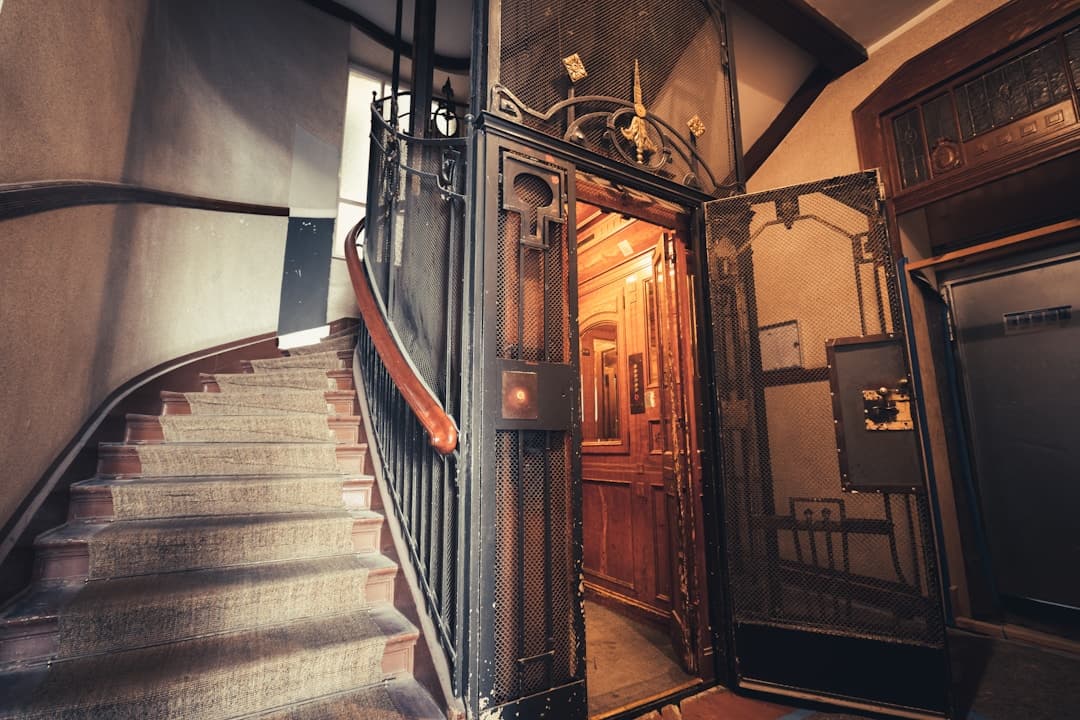
How Much Does It Cost to Install an Elevator?
The average cost to install an elevator in an apartment building ranges between 30,000 € and 50,000 €, potentially reaching 120,000 € in commercial and luxury buildings.
Amounts are indicative and come from the original imported guide. Final budget depends on scope, materials, and prior condition of the space.
Last reviewed
August 2026
Edited by: Gabriel Martín
Pricing method
Indicative ranges are compared by scope, measurements, materials, labour, permits, VAT and contingency.
Alicante context
Confirm access, community rules, salt-air exposure and municipal requirements before accepting a quote.
Service Levels and Pricing
Compare the different options available based on your budget and needs for your elevator installation.
Basic
Standard elevator installation in 4-5 story residential buildings without major structural modifications. Ideal for communities with limited budgets and basic mobility requirements.
Standard
Complete installation with structural modifications and necessary infrastructure in residential buildings. The most popular option for communities seeking balanced quality and functionality.
Premium
High-end elevator installation for commercial, luxury, or special requirement buildings. Includes cutting-edge technology, customized design, and comprehensive implementation services.
Share your project details and get free contact with professionals who work on similar projects.
Elevator prices
See what homeowners usually pay for the most common tasks. Use these ranges to fine-tune your scope and avoid missing key items in your budget.
Hydraulic elevators
Electric elevators
Self-supporting elevators
Pneumatic elevators
Elevator in single-family home
Elevator in residential building
Aspects to consider when installing an elevator in a home or residential community with Reformia
The average cost to install an elevator in a residential community ranges between 30,000 € and 50,000 €, and can reach 120,000 € in commercial and luxury buildings.
1. Applicable regulations
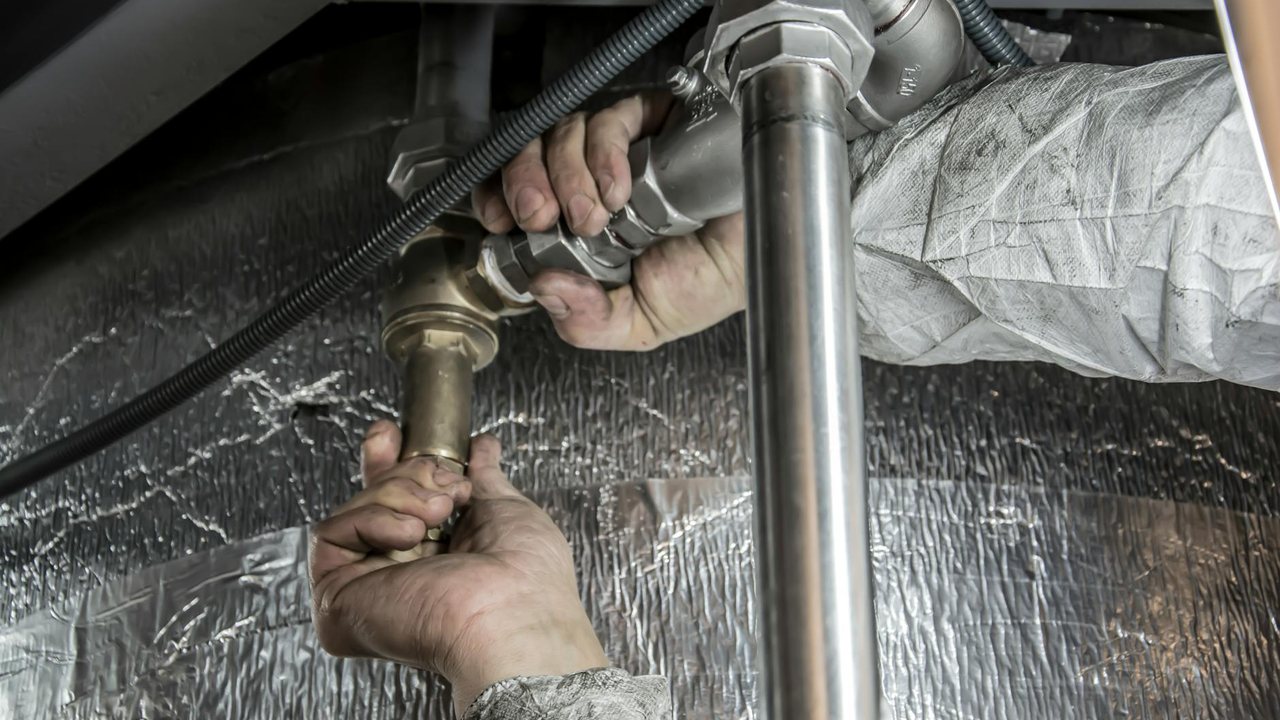
The regulations applicable to elevator installation are extensive and cover both general aspects and very specific ones, from accessibility to design or the characteristics that elevators with reduced spaces must meet.
2. Permits required to install an elevator
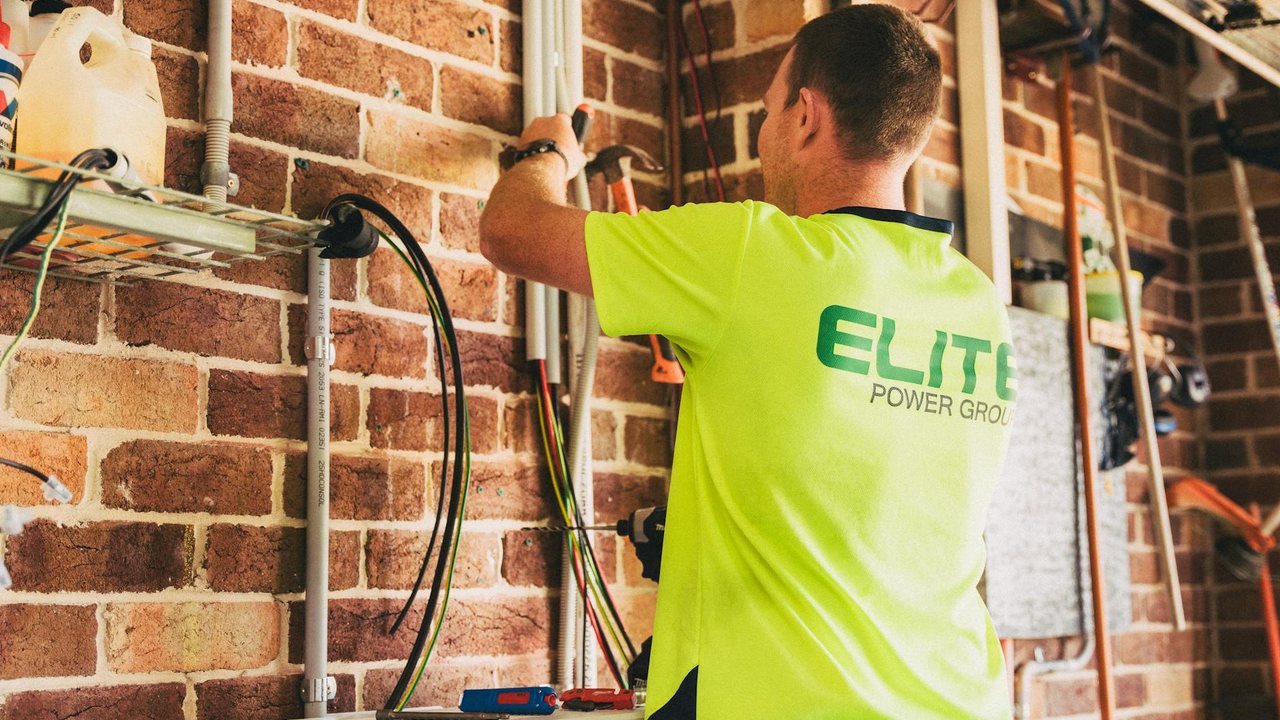
When installing a new elevator in a residential building, the first essential permit is approval from the owners' meeting. The installation must have the support of more than half the votes in favor. The only exception is if there is a resident with a disability or over 70 years old in the building, in which case the installation will be mandatory.

3. Elevator location
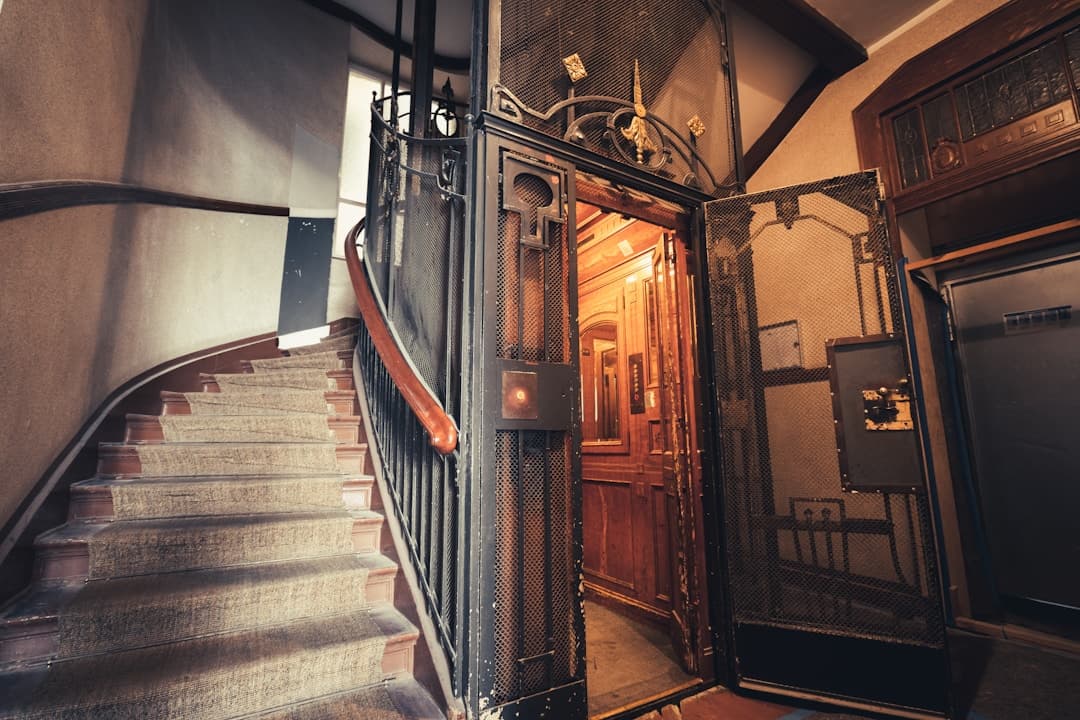
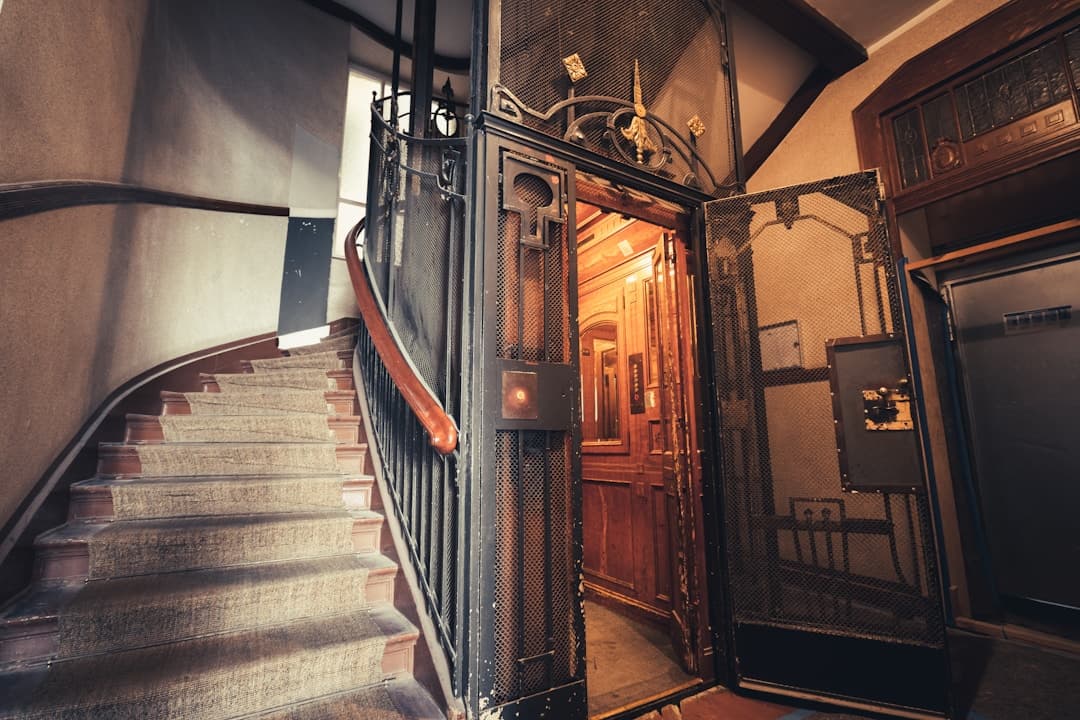
When there is sufficient space, normally in the stairwell, it is typical to install the elevator there, both in buildings and in single-family homes. In the latter, it is even possible to use very small spaces for pneumatic equipment. The drawback is that sometimes it is necessary to carry out work affecting structural elements that significantly increases installation costs.
The average cost to install an elevator in a residential community ranges between 30,000 € and 50,000 €, and can reach 120,000 € in commercial and luxury buildings.
What is usually included in a quote
Each professional may structure quotes differently, but most project budgets follow this logic.
Typically included
Often not included
How to install an elevator in a residential building, step by step
The average cost to install an elevator in a residential community ranges between 30,000 € and 50,000 €, and can reach 120,000 € in commercial and luxury buildings.
1. Voting and approval of installation
The first step is holding an owners' meeting to discuss the project. The installation of a new elevator is regulated in article 17.2 of the Horizontal Property Law (LPH). This indicates that the favorable vote of the majority of owners is necessary, who in turn represent the majority of participation shares.
The law, however, allows an exception: if the elevator request is made by a tenant with a disability or over 70 years old, installation of the equipment will be mandatory. The requirement is that the annual charged amount of the elevator assessment does not exceed 12 ordinary monthly installments of common expenses, unless the applicant assumes the rest of the installation cost.
2. Installation feasibility
Once elevator installation is approved, a qualified technician must conduct a study of the situation to determine the feasibility of the installation. It is sometimes difficult to do indoors because the stairwell is too narrow or there is insufficient space. There may also be structural limitations.
However, nowadays there are few obstacles to elevator installation. There are devices that do not require a machine room or double or even triple access elevators can be installed when it is impossible for all doors to open in line. For outdoor installations, the limitation is that they may block pedestrian passage.
In any case (indoor or outdoor elevator) a construction project will be required that contemplates the necessary work to adapt the stairwell space or interior area where the elevator will be installed or the essential work for outdoor installation.
3. Maintenance and expense sharing
Once the new elevator is installed, it must undergo elevator ITP inspection according to the equipment's characteristics. Maintenance of single-family home elevators is performed every 4 months. If they are devices less than 20 years old with 6 stops in residential buildings, maintenance will be every 6 weeks. For all others, maintenance will be monthly.
Regarding mandatory inspections, they are every 4 years for elevators in buildings with 4 or more stories or more than 20 homes, or every 6 years for other elevators. In elevators in industrial buildings or public access facilities, inspections are every two years.
Typically, maintenance contracts are hired that handle both periodic inspections and repair of breakdowns. These contracts do not necessarily have to be maintained with the company that installed the new elevator; they can be signed with any other authorized company. The costs are borne by the community and financed through monthly fees paid by homeowners in the case of residential buildings.
What can change your final price
Even similar projects can end with different budgets. These are the factors that most often push costs up or down.
Elevator type and capacity
Standard residential elevators (630 kg) are more affordable than high-capacity models (1000 kg) or panoramic elevators used in commercial buildings. Hydraulic technology is cheaper than electromechanical systems.
Building height and number of stops
Installing an elevator in a 4-story building costs significantly less than in an 8-story or taller building. Each additional stop requires more cable, guide rails, and braking systems, increasing the total cost.
Building condition and required renovations
Older buildings without an elevator shaft require demolition and structural reinforcement work that can double or triple the budget. Communities with modern structures and a pre-prepared shaft have much lower costs.
Brand, model, and additional features
Recognized brands like Otis, Schindler, or Kone command higher prices than Chinese manufacturers. Features such as automatic doors, advanced safety systems, or energy efficiency significantly increase the final cost.
Next step
Use "How Much Does It Cost to Install an Elevator?" to prepare a short brief before requesting quotes: current condition, must-have scope, optional upgrades, access constraints and timing. Then compare it with Elevators & Lifts price guides so each contractor proposal covers the same work.
How much does it cost to install an elevator in a building?: explanation
The average cost to install an elevator in a residential community ranges between 30,000 € and 50,000 €, and can reach 120,000 € in commercial and luxury buildings.
To these factors you must add others, such as the cost of licenses and municipal fees, which can vary from one location to another, or the level of customization of the elevator.
Factors affecting the price of elevator installation
The average cost to install an elevator in a residential community ranges between 30,000 € and 50,000 €, and can reach 120,000 € in commercial and luxury buildings.
Elevator prices: In the budget required for installing a new elevator, different factors come into play:
Budget examples
- Labor: an elevator technician charges from 20 €/hour. Within the installation budget, this item can represent between 15% and 20%.
- Construction project: fees can vary depending on the professional. The typical practice is to charge a percentage of the Material Execution Budget (MEB). For a six-story elevator in an unprotected building, the cost would be around 5,000 €.
- Number of stops: this is an essential aspect, as the number of stops determines the type of elevator machinery, and the greater the travel distance, the more material and labor will be needed.
- Cabin capacity: this is another important factor. An elevator with capacity for four people and 630 kg nominal load is about 15% more expensive than a similar one for six people and nominal load of 450 kg.
A platform built equally for homeowners and professionals
Whether you're planning a renovation or looking for your next project, Reformia gives both sides the tools to connect, compare, and collaborate with confidence.
For individuals
For professionals


You may also like
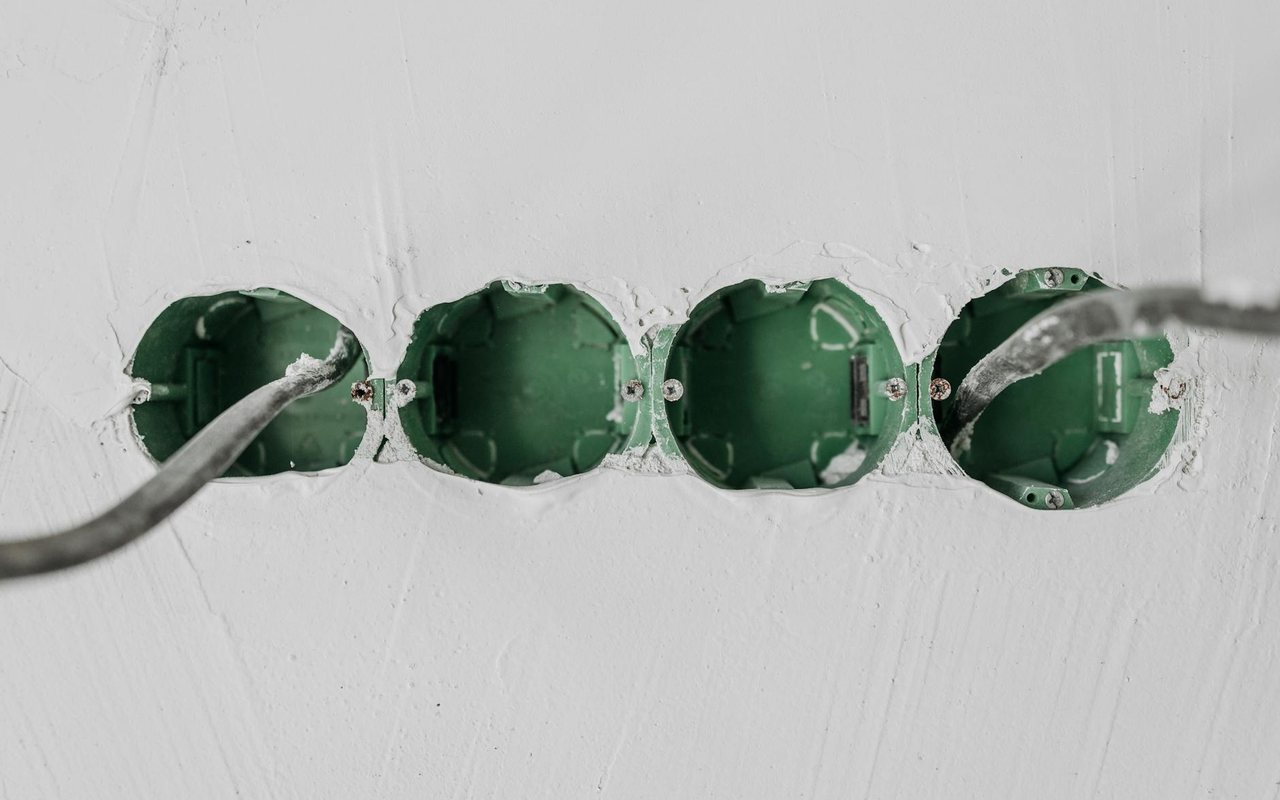
Electrical upgrade for heat pump, EV charger and solar panels
What to check in the panel, contracted power and wiring before adding a heat pump, EV charger or solar panels to a home in Spain.
Read article
Energy Efficiency Subsidies for Home Renovations in 2026
Discover the latest government subsidies and incentives for energy-efficient home renovations in Spain for 2026, including insulation, solar panels, and heat pump grants.
Read articleFrequently Asked Questions

How much does it cost to install an elevator in an apartment building?
The average price to install an elevator in a residential building ranges from 30,000 € to 50,000 €, though it can vary significantly depending on the number of floors, building type, and technical requirements. In older buildings or those with special features, costs can exceed 60,000 €. Luxury elevators or those with premium finishes can reach 80,000 € or more.
How long does elevator installation take?
Elevator installation typically takes between 8 and 12 weeks from the start of work to commissioning. This timeline includes shaft preparation, structural installation, placement of mechanical and electrical components, and mandatory safety testing. For complex projects or buildings with access limitations, the process may extend to 4-5 months.
What is included in an elevator installation quote?
A typical quote includes the elevator supply, civil works (shaft preparation and structure), installation of mechanical and electrical components, and mandatory technical testing. It should also cover installation of access doors on each floor, safety systems, and final inspection by control authorities. It's important to verify whether project costs, municipal permits, and installation certificates are included.
How do I choose a qualified elevator installer?
It's essential to hire authorized installation companies with technical certifications and proven experience on similar projects in Spain. Request detailed quotes from at least 3 different companies, verify references from previous work, and ensure they offer post-installation maintenance warranties. Confirm the company is registered with the relevant professional bodies and that their technicians hold the certifications required by Spanish regulations.
Do I need special permits and licenses to install an elevator?
Yes, elevator installation requires a municipal building permit and must comply with Spanish technical regulations (Building Technical Code and Elevator Safety Regulations). Before starting work, you need a technical project prepared by a licensed professional and approval from the apartment building association. After installation, an official inspection must be conducted and a safety compliance certificate issued before the elevator can be used.
Got more questions? Contact us!
Got more questions? Contact us!
Frequently Asked Questions
How much does it cost to install an elevator in an apartment building?
The average price to install an elevator in a residential building ranges from 30,000 € to 50,000 €, though it can vary significantly depending on the number of floors, building type, and technical requirements. In older buildings or those with special features, costs can exceed 60,000 €. Luxury elevators or those with premium finishes can reach 80,000 € or more.
How long does elevator installation take?
Elevator installation typically takes between 8 and 12 weeks from the start of work to commissioning. This timeline includes shaft preparation, structural installation, placement of mechanical and electrical components, and mandatory safety testing. For complex projects or buildings with access limitations, the process may extend to 4-5 months.
What is included in an elevator installation quote?
A typical quote includes the elevator supply, civil works (shaft preparation and structure), installation of mechanical and electrical components, and mandatory technical testing. It should also cover installation of access doors on each floor, safety systems, and final inspection by control authorities. It's important to verify whether project costs, municipal permits, and installation certificates are included.
How do I choose a qualified elevator installer?
It's essential to hire authorized installation companies with technical certifications and proven experience on similar projects in Spain. Request detailed quotes from at least 3 different companies, verify references from previous work, and ensure they offer post-installation maintenance warranties. Confirm the company is registered with the relevant professional bodies and that their technicians hold the certifications required by Spanish regulations.
Do I need special permits and licenses to install an elevator?
Yes, elevator installation requires a municipal building permit and must comply with Spanish technical regulations (Building Technical Code and Elevator Safety Regulations). Before starting work, you need a technical project prepared by a licensed professional and approval from the apartment building association. After installation, an official inspection must be conducted and a safety compliance certificate issued before the elevator can be used.