Homes and garages in Alicante: renovation measures to reduce flood damage before autumn
Why it matters now
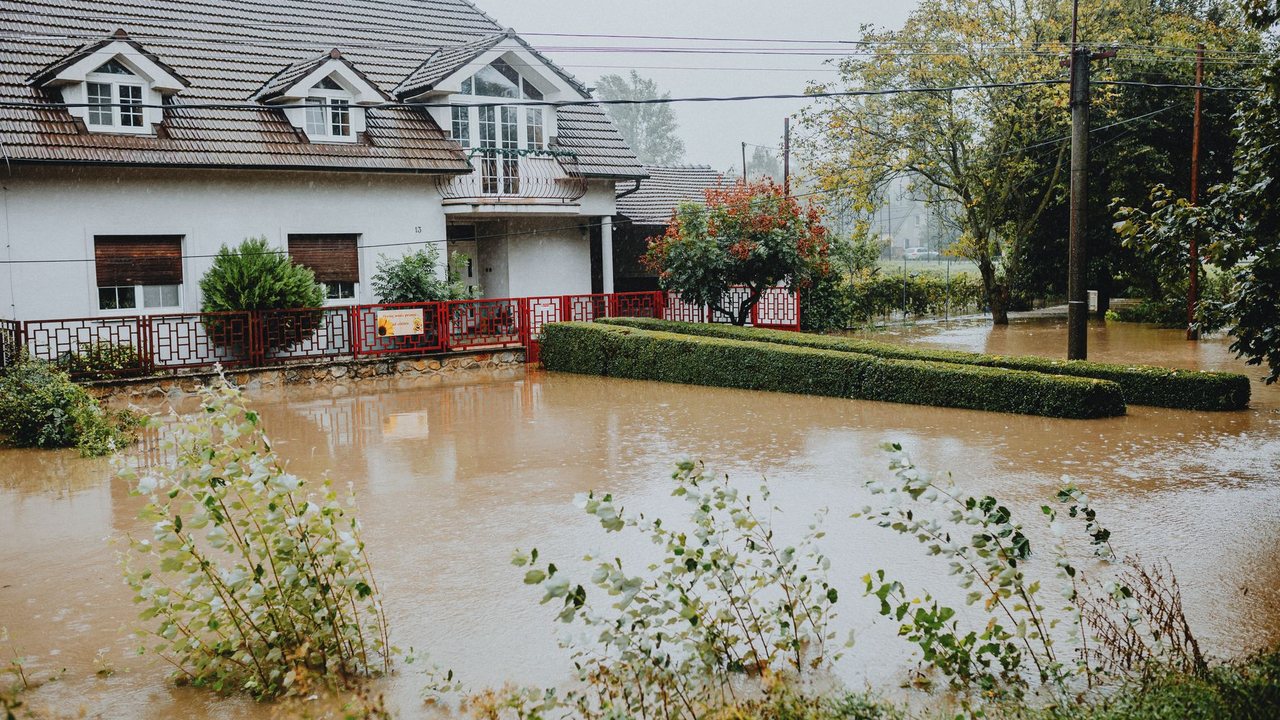
MITECO’s guides for reducing building vulnerability to flooding underline that prevention starts before a heavy-rain event. For owners of ground floors, garages, houses and communities, July is a good time to inspect water entry points without working through an emergency.
The useful outcome for an owner or company is not following a headline. It is turning it into a sequence of decisions: clarify the goal, verify the building and compare line items before appointment. Start with complete plumbing installation and use electrical installation inspection to set a scope that can be measured.
For context, connect this decision with climate-resilient home renovation. Good renovations are not solved with an isolated product: they need to check starting condition, community rules, regulation, budget, maintenance and who owns each decision.
Impact in Alicante and the Costa Blanca
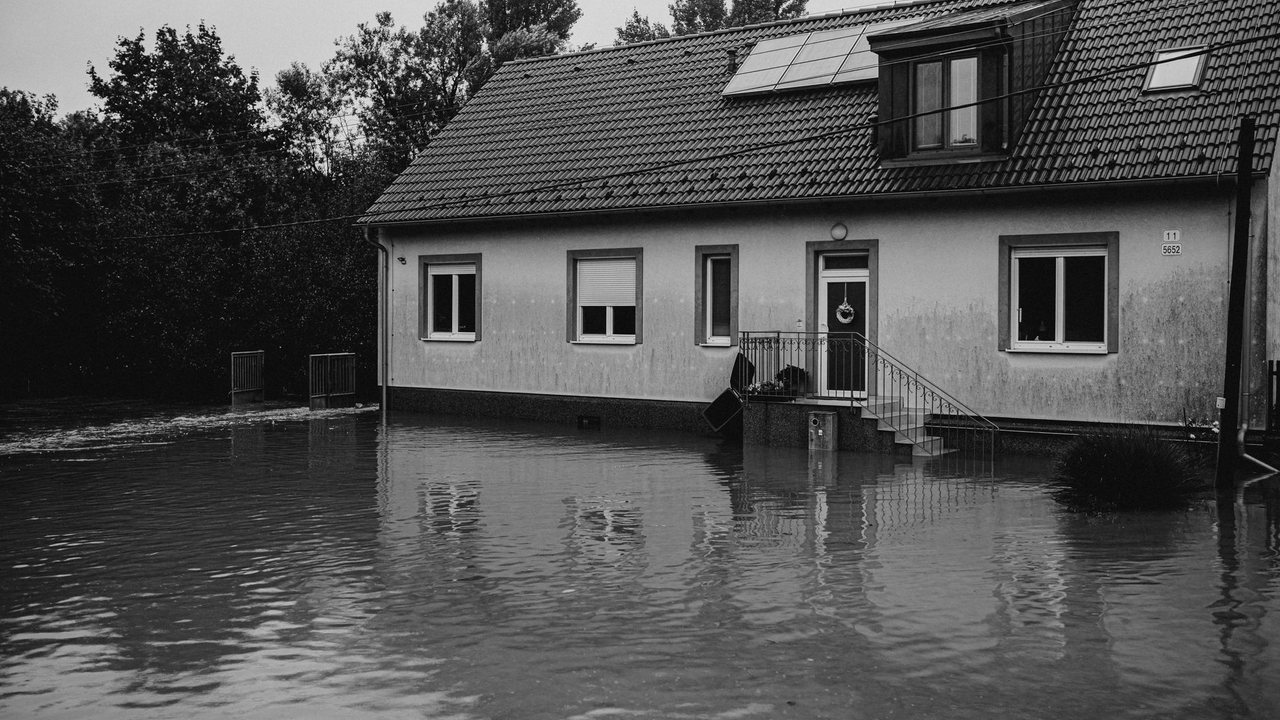
In Alicante and the Costa Blanca, a problem does not have to come only from a river. Street gradients, patios, terraces, drains, sanitation, pumps, buried walls and garages can concentrate water. The solution must start with the actual water path, not merely repair an interior stain.
In Alicante Centro, Playa San Juan, El Campello, Torrevieja, Benidorm, Denia, Javea or Altea, the same intervention changes with building type, exposure, home use and community rules. That is why a pre-start visit should document what photographs do not show: services, level changes, routes, roofs, openings and shared elements.
Where several line items are involved, also compare renovation project and full home renovation. The goal is to distinguish a desirable upgrade from a technical condition that can block the works or create extras later.
What to review before requesting quotes
Carry out a dry inspection with photos and, where possible, a history of previous incidents. Locate levels, gradients, drains, chambers, valves and low-mounted electrical equipment. Any intervention must preserve accessibility, evacuation and cleanability.
Ask each quote to explain measurements, materials, labour, temporary works, programme, exclusions and responsibility for each line item. A total without this information can serve as an indication, but not as a basis for deciding a renovation or comparing suppliers.
Keep dated photographs, drawings where available, community conversations and approved decisions. That traceability makes maintenance easier, reduces arguments over changes and lets another professional understand the home if the works are delivered in phases. Before committing, confirm the written scope reflects the survey, supplier information and any applicable community condition.
Practical checklist
Use this list before requesting quotes or approving an intervention.
- 1Map the water routeRisk
Record where water enters, travels and collects at the facade, patio, terrace, garage or service room.
- 2Review sanitation and drainageWater
Check drains, chambers, falls, overflows, traps, pumps and access for safe maintenance.
- 3Raise and protect equipmentSafety
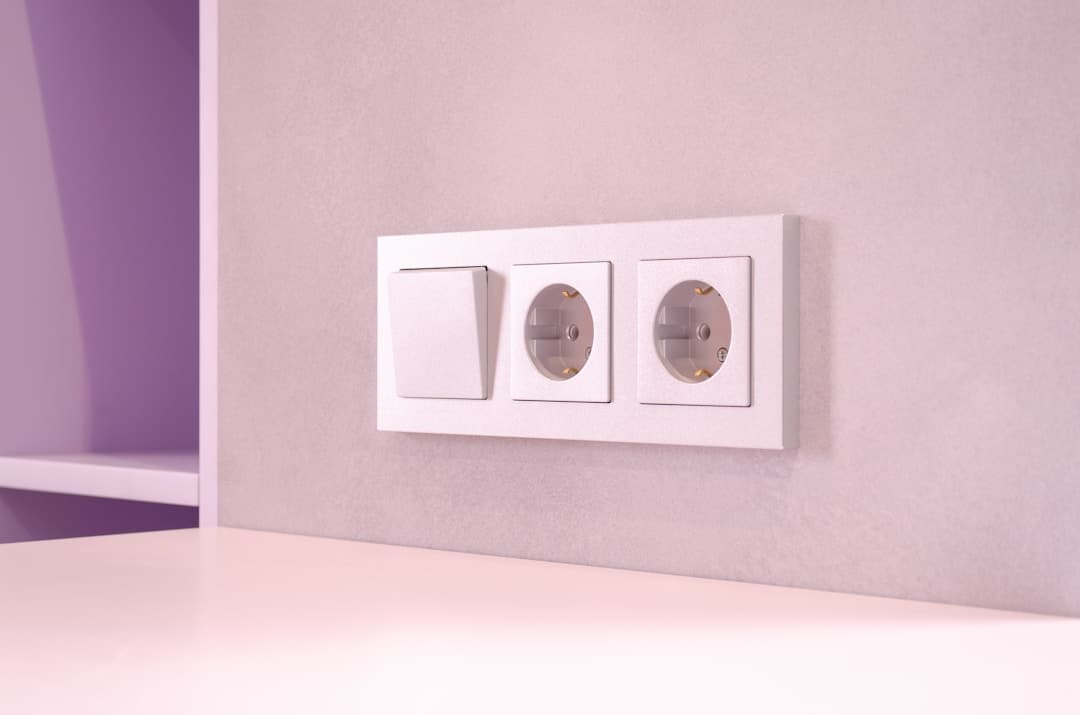
Identify distribution boards, sockets, HVAC equipment, boilers, storage and sensitive materials that should not remain at the lowest level.
- 4Keep evidenceRecord
Keep dated photos, invoices, drawings and community or insurance communications before and after the intervention.
Frequently asked questions
Does internal waterproofing always solve a leak?
What should be checked in a community garage?
When should a technical professional be called?


You may also like
Show All Articles
Sewer works on Reyes Catolicos: what a local business or flat should check before renovation
The collector and water-network renewal on Reyes Catolicos is an opportunity for local businesses and flat owners to review connections, access, hours and renovation plans.
Subscribe to our newsletter
And get a weekly digest of projects, bidding tips, and key platform updates straight to your inbox.
Renovating a bathroom in Alicante to avoid leaks, odours and damp in a second home
Before choosing tiles, solve ventilation, falls, waterproofing, plumbing and maintenance access in an Alicante bathroom.
AI for planning a renovation project: how to use it without replacing the site manager
AI can organise tasks, notes and renovation risks, but real planning requires surveys, trades, supplies, safety and a responsible person.

Buying a Costa Blanca home: checking drainage before renovation
A new kitchen may hide old drainage. What to request from the seller, when to commission a camera survey and how to turn findings into renovation decisions.
Alicante's initially approved PGE: does it already change your renovation permit?
The PGE has entered regional assessment, but a current renovation must still check the planning rules in force, detailed zoning and its specific permit.
Sewer works on Reyes Catolicos: what a local business or flat should check before renovation
The collector and water-network renewal on Reyes Catolicos is an opportunity for local businesses and flat owners to review connections, access, hours and renovation plans.
Renovating a bathroom in Alicante to avoid leaks, odours and damp in a second home
Before choosing tiles, solve ventilation, falls, waterproofing, plumbing and maintenance access in an Alicante bathroom.
AI for planning a renovation project: how to use it without replacing the site manager
AI can organise tasks, notes and renovation risks, but real planning requires surveys, trades, supplies, safety and a responsible person.
Subscribe to our newsletter
And get a weekly digest of projects, bidding tips, and key platform updates straight to your inbox.
Buying a Costa Blanca home: checking drainage before renovation
A new kitchen may hide old drainage. What to request from the seller, when to commission a camera survey and how to turn findings into renovation decisions.
Alicante's initially approved PGE: does it already change your renovation permit?
The PGE has entered regional assessment, but a current renovation must still check the planning rules in force, detailed zoning and its specific permit.
Sewer works on Reyes Catolicos: what a local business or flat should check before renovation
The collector and water-network renewal on Reyes Catolicos is an opportunity for local businesses and flat owners to review connections, access, hours and renovation plans.
Renovating a bathroom in Alicante to avoid leaks, odours and damp in a second home
Before choosing tiles, solve ventilation, falls, waterproofing, plumbing and maintenance access in an Alicante bathroom.
Subscribe to our newsletter
And get a weekly digest of projects, bidding tips, and key platform updates straight to your inbox.
AI for planning a renovation project: how to use it without replacing the site manager
AI can organise tasks, notes and renovation risks, but real planning requires surveys, trades, supplies, safety and a responsible person.
Buying a Costa Blanca home: checking drainage before renovation
A new kitchen may hide old drainage. What to request from the seller, when to commission a camera survey and how to turn findings into renovation decisions.
Alicante's initially approved PGE: does it already change your renovation permit?
The PGE has entered regional assessment, but a current renovation must still check the planning rules in force, detailed zoning and its specific permit.