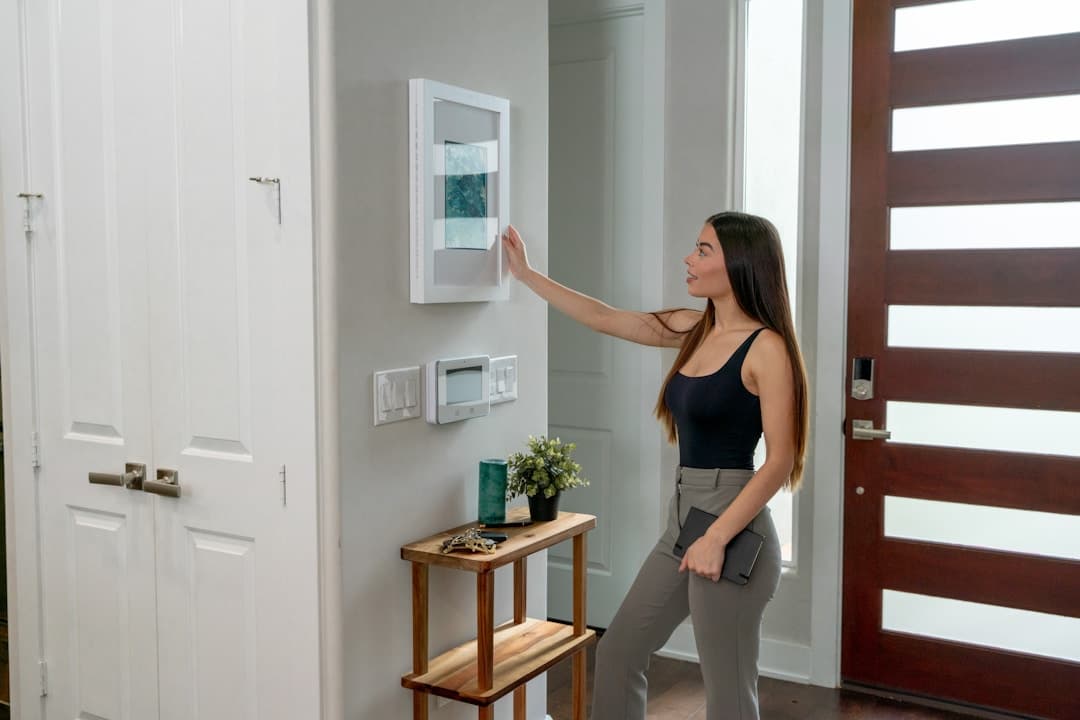
Install Home Automation: Price and Budget
Smart home installation in residential properties has an average price of 7,900 €, with costs ranging from 800 € for basic systems to 15,000 € for complete premium installations. The price depends on project complexity, home size, and integrated devices such as climate control, security, or motorized blinds automation ranging from 250 € to 5,000 €. It's advisable to request quotes from several specialized installers to compare options and ensure the best value for your project.
Amounts are indicative and come from the original imported guide. Final budget depends on scope, materials, and prior condition of the space.
Last reviewed
August 2026
Edited by: Luis Rodenas
Pricing method
Indicative ranges are compared by scope, measurements, materials, labour, permits, VAT and contingency.
Alicante context
Confirm access, community rules, salt-air exposure and municipal requirements before accepting a quote.
Service Levels and Pricing
Compare the different options available according to your budget and needs.
Basic
Ideal solution for small homes or to start with home automation. Includes automation of key points such as main lighting, smart thermostat, and basic access control with wireless technology.
Standard
More complete package suitable for medium-sized homes. Automates lighting throughout the house, climate control, security, entertainment, and allows advanced programmed scenes and automations.
Premium
Comprehensive solution for large homes or ambitious projects. Includes complete automation of all systems, entertainment integration, solar energy, and advanced security systems with professional monitoring.
Share your project details and get free contact with professionals who work on similar projects.
Home automation installation prices
See what homeowners usually pay for the most common tasks. Use these ranges to fine-tune your scope and avoid missing key items in your budget.
Basic home automation system (smart lighting and outlets)
Mid-range home automation system (climate control, lighting, and security)
Complete home automation system (climate control, lighting, security, blinds, and irrigation)
Installation of access control system and smart video intercom
Automation of motorized blinds and curtains (per unit)
Installation of home automation hub with custom programming
Steps to install home automation and get quotes with Reformia
Discover the costs and requirements for installing home automation systems.
1. Assess your home's needs
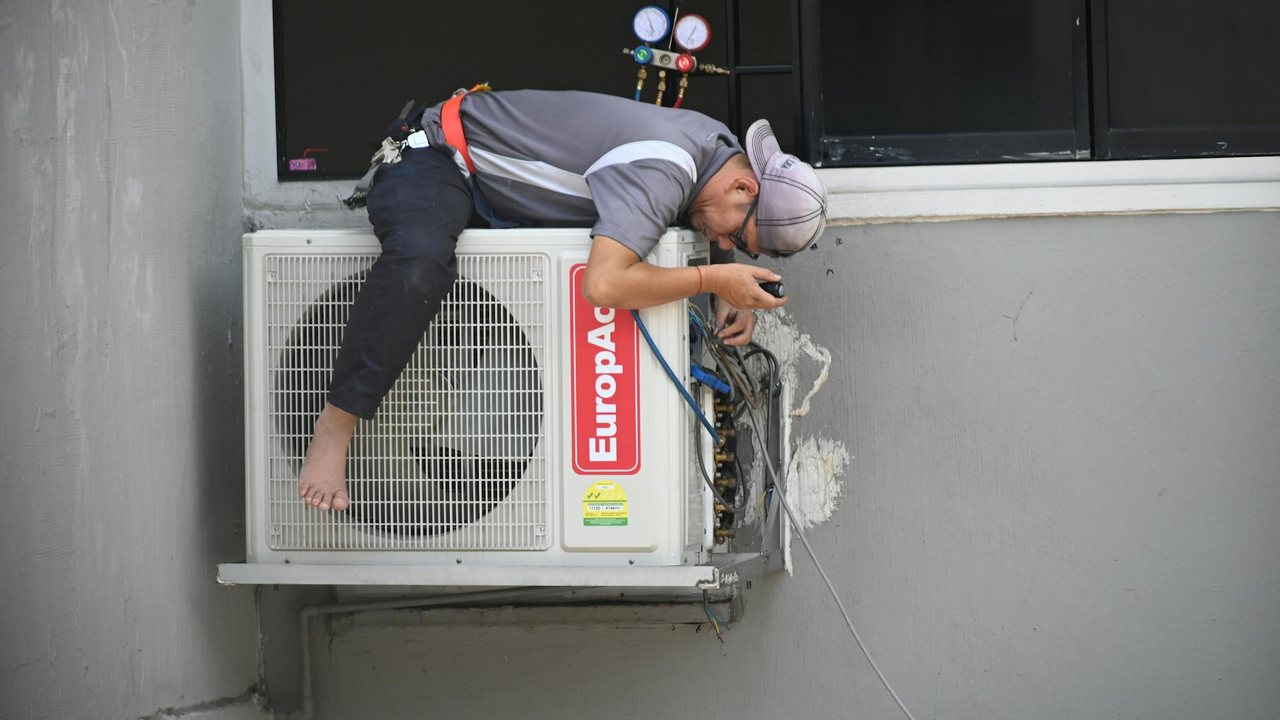
Before installing home automation, analyze which systems you need: smart lighting, climate control, security, or access control. Budgets range from 800 € for basic systems to 15,000 € for complete installations. Consider your home's size and which areas you want to automate to choose the right tier.
2. Identify compatible systems and devices
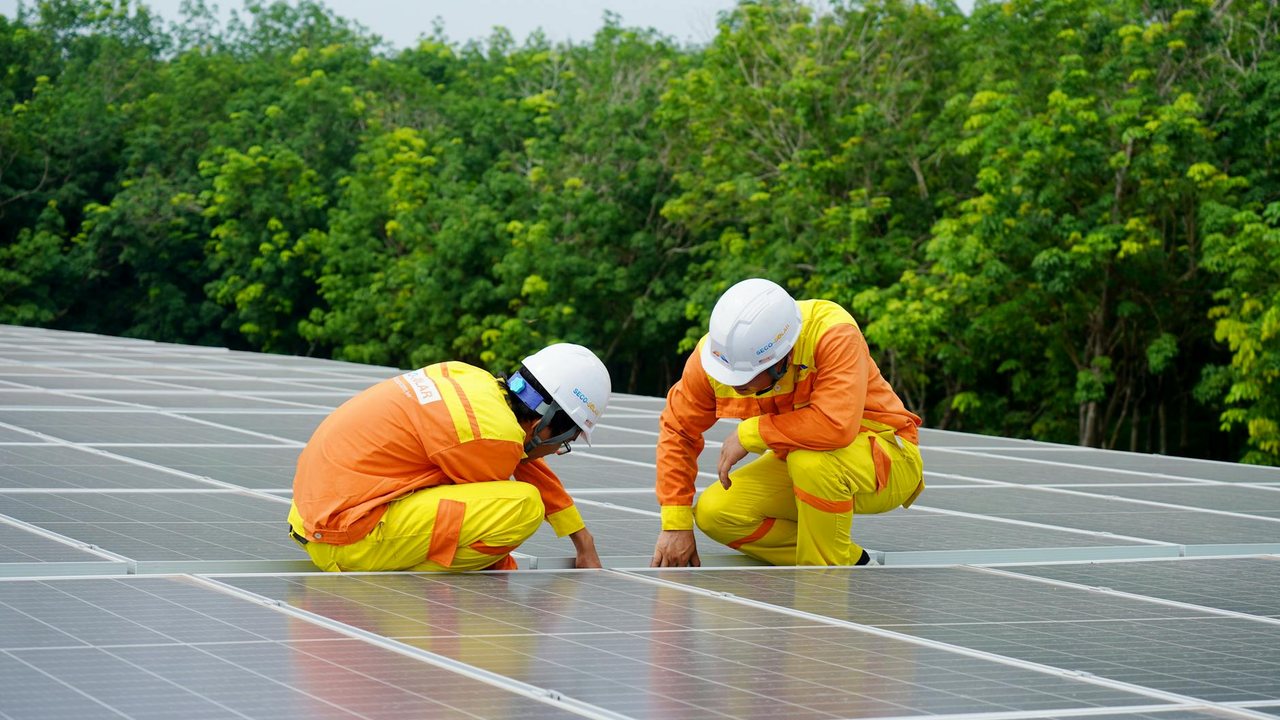
Verify the compatibility of the devices you want to install. An intermediate system with climate control, lighting, and security costs around 2,500 €, while motorized blinds add 250 € per unit. Ensure all components work with the same control platform.

3. Request quotes from certified installers
Contact at least three certified home automation installers for detailed quotes. The average installation price is 7,900 €, but request cost breakdowns by component: smart control hub (3,500 €), video doorbell (1,200 €), and other devices. Require quotes to include labor and warranty.
Discover the costs and requirements for installing home automation systems.
What is usually included in a quote
Each professional may structure quotes differently, but most project budgets follow this logic.
Typically included
Often not included
Steps to install home automation and get quotes
Discover the costs and requirements for installing home automation systems.
1. Assess your home's needs
Before installing home automation, analyze which systems you need: smart lighting, climate control, security, or access control. Budgets range from 800 € for basic systems to 15,000 € for complete installations. Consider your home's size and which areas you want to automate to choose the right tier.
2. Identify compatible systems and devices
Verify the compatibility of the devices you want to install. An intermediate system with climate control, lighting, and security costs around 2,500 €, while motorized blinds add 250 € per unit. Ensure all components work with the same control platform.
3. Request quotes from certified installers
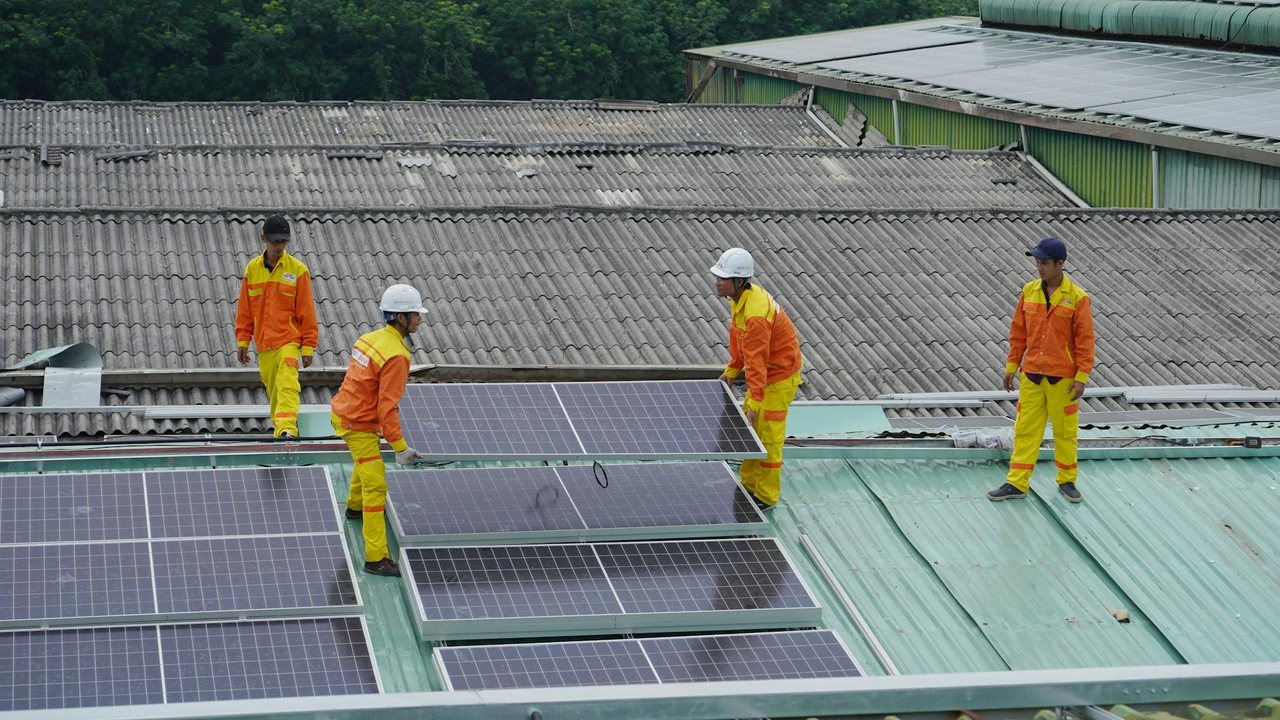
Contact at least three certified home automation installers for detailed quotes. The average installation price is 7,900 €, but request cost breakdowns by component: smart control hub (3,500 €), video doorbell (1,200 €), and other devices. Require quotes to include labor and warranty.
4. Compare offers and technical features
Analyze each quote considering not only the price but also the technical features and included functionalities. A complete system (climate control, lighting, security, blinds, and irrigation) may cost 5,000 €, but verify what brand and technology they offer. Compare the system's future scalability and expansion options.
What can change your final price
Even similar projects can end with different budgets. These are the factors that most often push costs up or down.
Home size and complexity
Larger homes or multi-story properties require more wiring, devices, and control points, significantly increasing the final budget. Installation complexity also depends on space distribution and accessibility.
Type and brand of smart home systems
Options range from basic, budget-friendly systems (such as simple wifi) to premium solutions from recognized brands (Legrand, Schneider Electric, KNX). The choice of system determines much of the total installation cost.
Scope of desired features
Controlling only lighting and heating is more affordable than integrating security, motorized blinds, automatic irrigation, and audiovisual systems. Each added feature increases the cost of devices, sensors, and configuration.
Condition of existing electrical installation
If the home requires prior electrical infrastructure upgrades or rewiring, costs increase significantly. Outdated installations without conduits or irregular distribution make the adaptation work more expensive.
Next step
Use "Install Home Automation: Price and Budget" to prepare a short brief before requesting quotes: current condition, must-have scope, optional upgrades, access constraints and timing. Then compare it with Home Automation price guides so each contractor proposal covers the same work.
General Information
Discover the costs and requirements for installing home automation systems.
Home automation installation is an increasingly popular investment among Spanish homeowners looking to improve energy efficiency, security, and comfort in their homes. Home automation allows you to automate systems such as lighting, climate control, access, irrigation, and entertainment through smart devices that can be controlled from your mobile phone or by voice. The total cost of installation varies significantly depending on the size of the home, system complexity, and the devices to be integrated.
Home Automation Installation Cost and Pricing
Discover the costs and requirements for installing home automation systems.
In the current Spanish market, you'll find specialized installers offering solutions ranging from very simple projects with individual devices to complete smart home systems that integrate the entire property. Most professional installers conduct a free preliminary assessment to evaluate the client's specific needs and provide a detailed quote. Installation time can range from one to several days, depending on whether it's a new or existing home and the extent of work required.
It's important to differentiate between wireless systems, which require less civil work, and wired systems, which tend to be more complex but more reliable. Most local installers in Spain recommend starting with basic automation in critical areas such as entrance, climate control, and main lighting, with the possibility of expanding the system later. Prices typically include materials, installation, and startup, although some installers charge additional annual maintenance.
Installing a home automation system in Spain typically ranges from €2,000 to €15,000, depending on the complexity and scope of your project. Basic installations covering smart lighting and temperature control start at the lower end, while comprehensive systems integrating security, entertainment, and advanced energy management can reach the upper price range. The final price depends on factors such as the size of your property, the number of devices being integrated, whether your home requires rewiring, and the specific technology platforms you choose. Getting accurate quotes from multiple professionals is essential to understand what's included and ensure you're comparing equivalent services.
The cost of home automation installation breaks down into several components: equipment costs, labor, and integration complexity. High-quality smart hubs, sensors, and connected devices represent a significant portion of the budget, typically accounting for 40-60% of the total investment. Professional installation labor generally costs €50-100 per hour, with most projects requiring 20-50 hours depending on your home's size and system complexity. Additional expenses may include network upgrades, smart panel installation, or modifications to existing electrical infrastructure. Requesting a detailed quote from a professional installer helps clarify these individual cost elements.
When budgeting for your home automation project, remember that prices in Spain can vary considerably by region and installer expertise. Madrid and Barcelona typically have higher rates than smaller cities, while rural areas might charge additional travel fees. Investing in a consultation with experienced professionals allows you to understand the true cost of your desired automation features and avoid unexpected expenses. Always request written quotes from at least two or three installers, as this competitive comparison often reveals the best value for your specific needs and helps you make an informed decision about your home automation investment.
A platform built equally for homeowners and professionals
Whether you're planning a renovation or looking for your next project, Reformia gives both sides the tools to connect, compare, and collaborate with confidence.
For individuals
For professionals

You may also like

AI Act in August 2026: client data and human review for renovation companies
An operating guide for a renovation company using AI with forms, WhatsApp, photos and quotes without losing control of data or human decisions.
Read article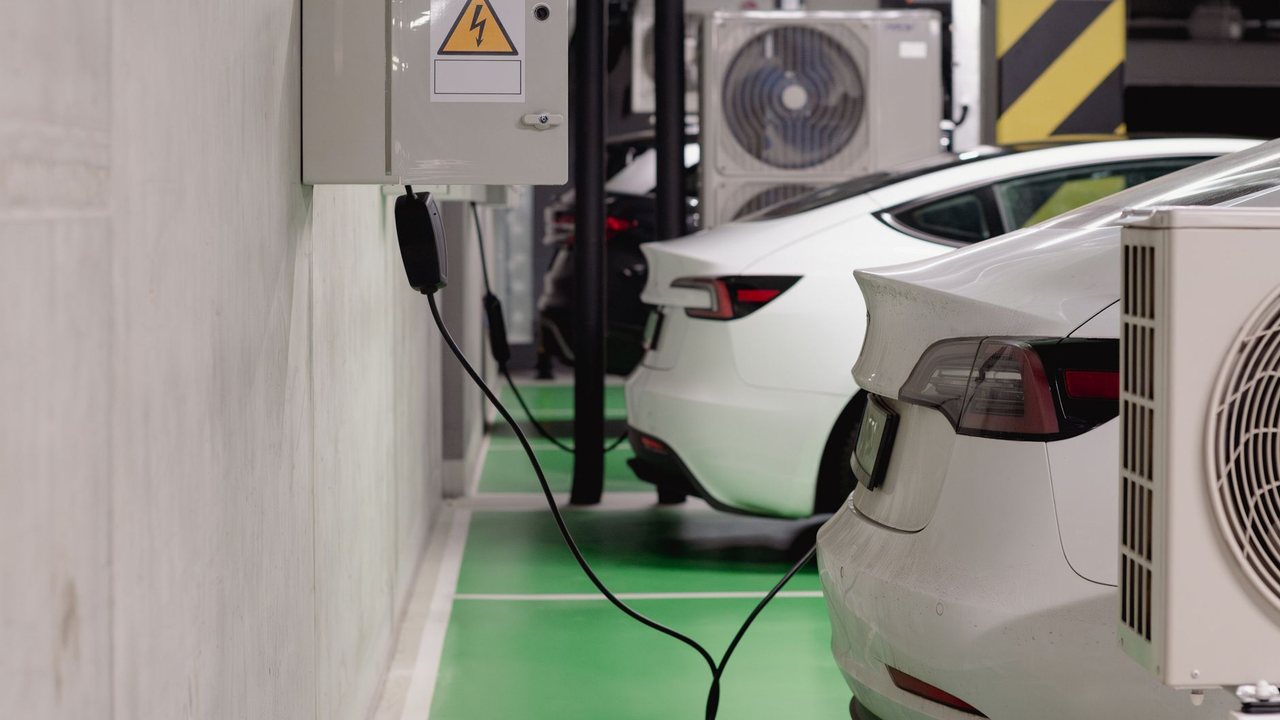
EV charging in an Alicante community garage: how to plan it in 2026
A guide for owners and administrators: prior notice, electrical capacity, shared routes and budgeting to prepare an Alicante community garage for EV charging.
Read article
Smart home for a Costa Blanca second home: water, cooling and shutters without making maintenance harder
A connected home should warn about water, heat or an unresolved closure while remaining useful when internet fails, a key changes or a technician visits.
Read articleFrequently Asked Questions
How much does it cost to install home automation in a 120 m² house?
For a 120 m² home with basic-standard automation, the typical cost in Spain ranges between 2,000 € and 5,000 €. If you opt for a more complete system including climate control, security, and entertainment, the budget can be around 5,000 € to 8,000 €. The final price will depend on the specific systems to automate and whether the home is new or requires adaptations.
What's the difference between wired and wireless systems?
Wireless systems (Z-Wave, WiFi, Zigbee) are cheaper to install in existing homes because they don't require work to run cables. However, they can have latency and coverage issues. Wired systems (KNX, structured cabling) require more complex work and higher initial investments, but are more reliable, faster, and longer-lasting. Most Spanish installers recommend hybrid systems: wireless for specific points and wired for critical systems.
Is major civil work necessary to install home automation?
It depends on the type of system. Wireless systems require minimal work: just changing smart outlets and placing devices. Wired systems do require civil work: conduits, cable routing through walls, new junction boxes. In new homes it integrates seamlessly. In existing homes, choosing wireless systems significantly reduces construction costs. A good installer will advise you on the most practical option for your case.
How much does annual home automation system maintenance cost?
Basic home automation maintenance in Spain typically ranges between 200 € and 500 € annually, depending on system complexity. This maintenance typically includes firmware updates, sensor review, automation optimization, and technical support. Some very simple systems may not require professional maintenance. Many installers include the first year of maintenance in the installation price. It's recommended to contract a preventive maintenance plan to avoid costly failures.
Can I install home automation myself or do I need professionals?
Wireless systems with plug-and-play devices (smart bulbs, thermostats, locks) can be installed without professionals if you have basic technical knowledge. However, for complex systems, wired installations, or if it requires coordination with existing electrical installations, it's essential to hire certified installers. A professional ensures that the system is properly sized, optimized, and has future support. The investment in professional installation pays for itself through energy efficiency and system longevity.
Got more questions? Contact us!
Got more questions? Contact us!
Frequently Asked Questions
How much does it cost to install home automation in a 120 m² house?
For a 120 m² home with basic-standard automation, the typical cost in Spain ranges between 2,000 € and 5,000 €. If you opt for a more complete system including climate control, security, and entertainment, the budget can be around 5,000 € to 8,000 €. The final price will depend on the specific systems to automate and whether the home is new or requires adaptations.
What's the difference between wired and wireless systems?
Wireless systems (Z-Wave, WiFi, Zigbee) are cheaper to install in existing homes because they don't require work to run cables. However, they can have latency and coverage issues. Wired systems (KNX, structured cabling) require more complex work and higher initial investments, but are more reliable, faster, and longer-lasting. Most Spanish installers recommend hybrid systems: wireless for specific points and wired for critical systems.
Is major civil work necessary to install home automation?
It depends on the type of system. Wireless systems require minimal work: just changing smart outlets and placing devices. Wired systems do require civil work: conduits, cable routing through walls, new junction boxes. In new homes it integrates seamlessly. In existing homes, choosing wireless systems significantly reduces construction costs. A good installer will advise you on the most practical option for your case.
How much does annual home automation system maintenance cost?
Basic home automation maintenance in Spain typically ranges between 200 € and 500 € annually, depending on system complexity. This maintenance typically includes firmware updates, sensor review, automation optimization, and technical support. Some very simple systems may not require professional maintenance. Many installers include the first year of maintenance in the installation price. It's recommended to contract a preventive maintenance plan to avoid costly failures.
Can I install home automation myself or do I need professionals?
Wireless systems with plug-and-play devices (smart bulbs, thermostats, locks) can be installed without professionals if you have basic technical knowledge. However, for complex systems, wired installations, or if it requires coordination with existing electrical installations, it's essential to hire certified installers. A professional ensures that the system is properly sized, optimized, and has future support. The investment in professional installation pays for itself through energy efficiency and system longevity.